
Life

The right diet for hay fever
Anyone suffering from hay fever should pay particular attention to their diet so as not to make the symptoms any worse.
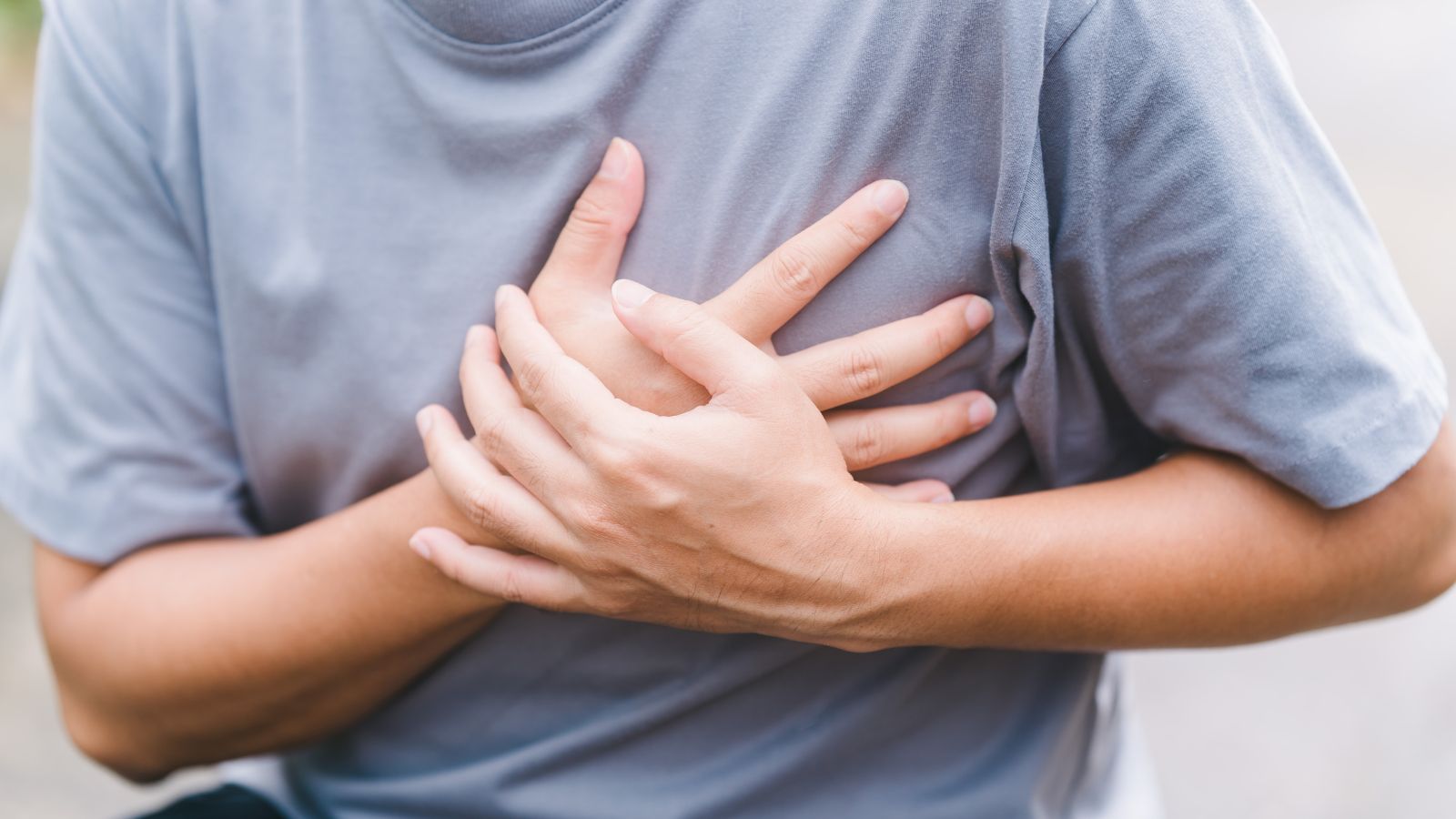
Heart attack – recognising the signs early and taking preventative measures
A heart attack occurs when a coronary artery becomes blocked. This is usually caused by a blood clot forming at a point in the artery where it is already narrowed.
Perimenopause: Am I going through the change yet? Symptoms, early signs and
The first signs of the menopause often start much earlier and in a completely different way than you might expect. Your sleep becomes more restless, your mood swings for no apparent reason, and your period suddenly does whatever it likes.
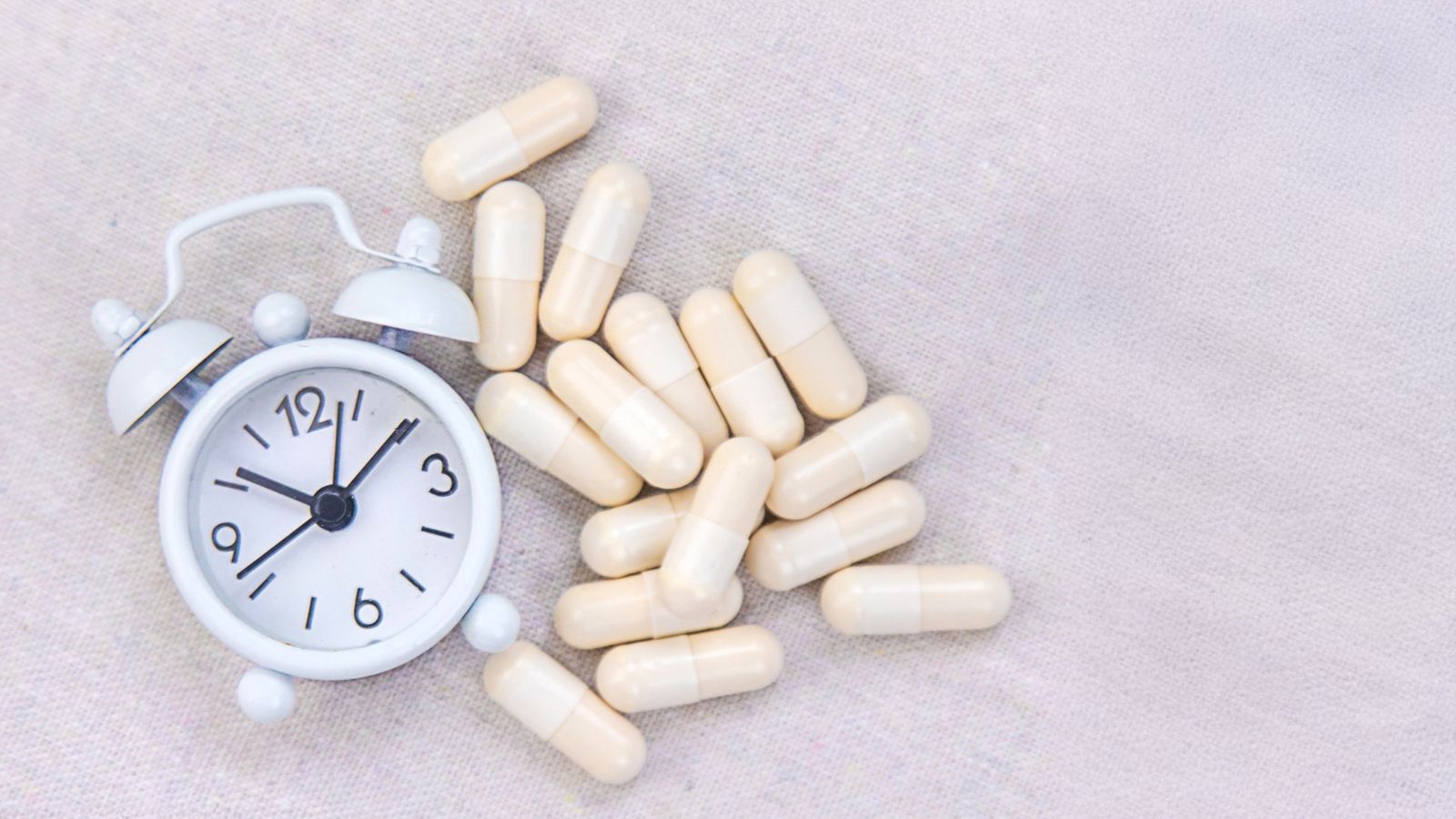
Magnesium and sleep: Can this mineral improve the quality of sleep?
Magnesium is said to make it easier to fall asleep and promote more restful sleep. Magnesium bisglycinate and magnesium L-threonate, in particular, are marketed for this purpose. But how well is their effectiveness supported by evidence? Find out here what is known about the different forms, dosage and the best time to take them.
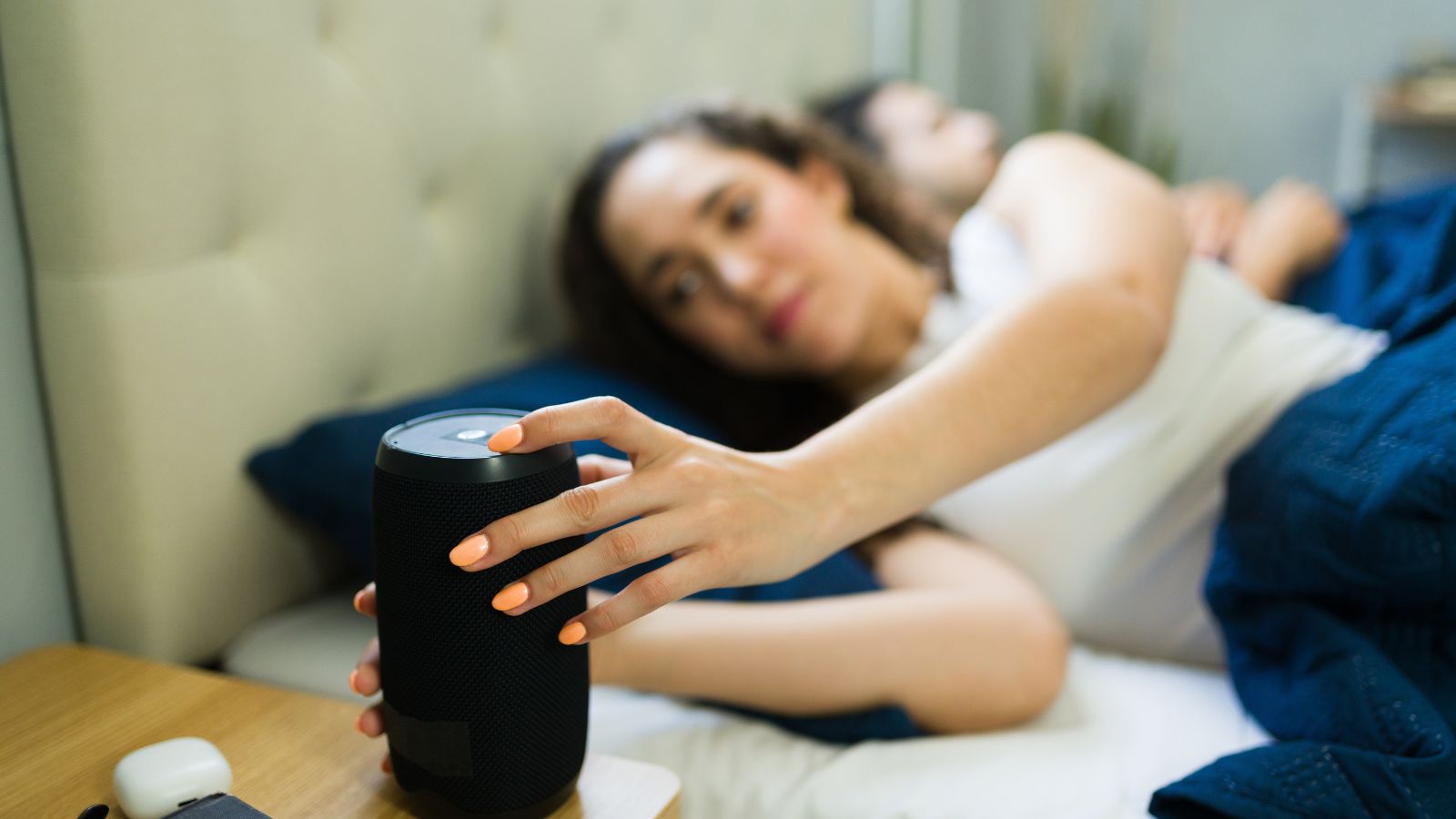
White noise to help you fall asleep: Does white noise really help?
White noise is said to mask distracting sounds and make it easier to fall asleep. But does white noise actually help you sleep? What studies on white noise, pink noise and other background sounds reveal – and why steady white noise isn’t the best choice for everyone.
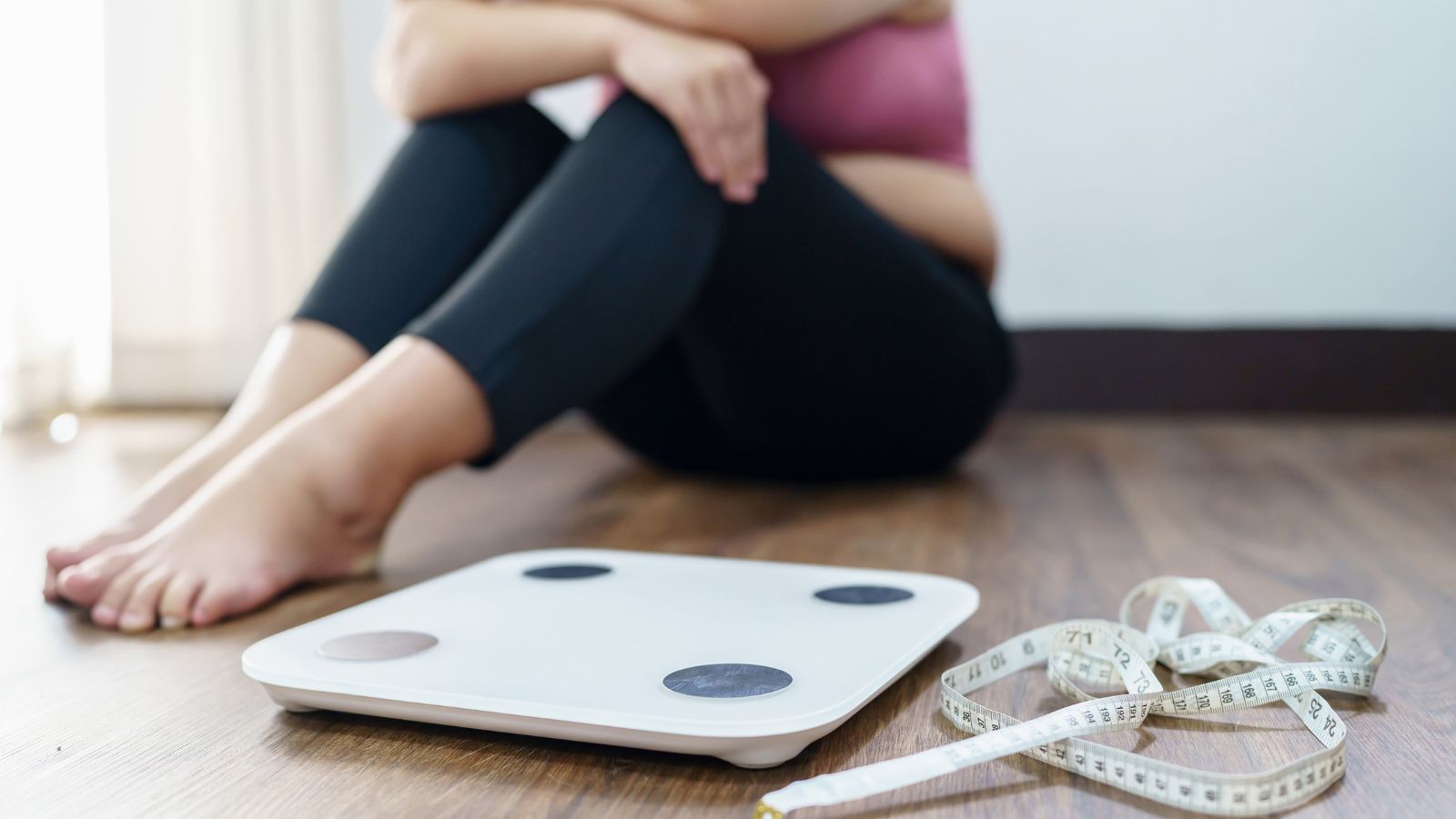
Antidepressants and weight gain: Which medicines affect weight?
Antidepressants are among the most important medicines used to treat depression and are also used to treat other mental health conditions. Depending on the active ingredient, they can have varying effects on appetite, metabolism and body weight.
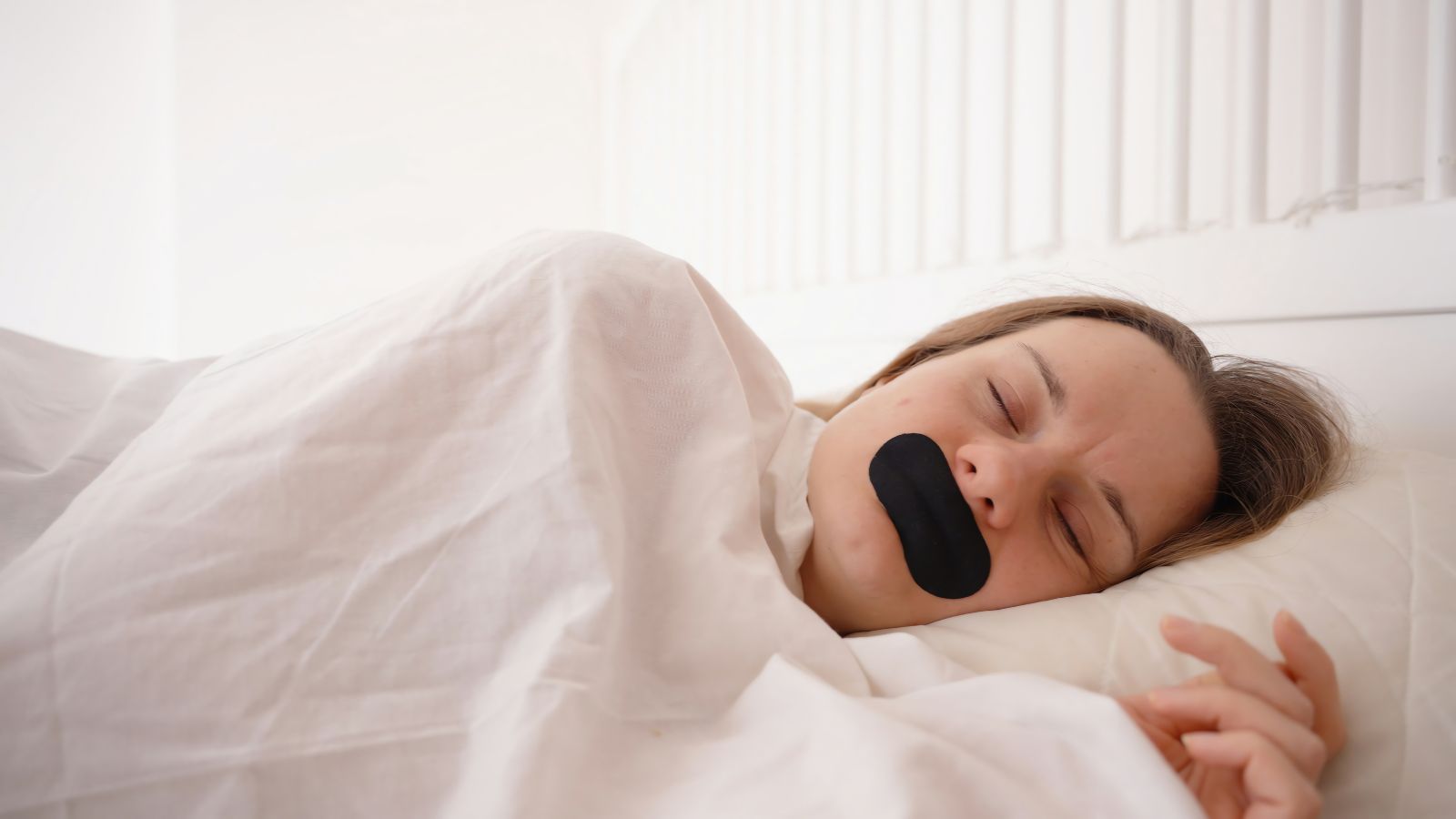
Mouth taping: Does taping your mouth shut whilst sleeping really help?
Mouth taping is said to promote nasal breathing, reduce snoring and improve sleep. The method has become widely known mainly through social media and celebrity advocates. But how well are these effects scientifically proven? And what risks might taping the mouth shut at night entail?
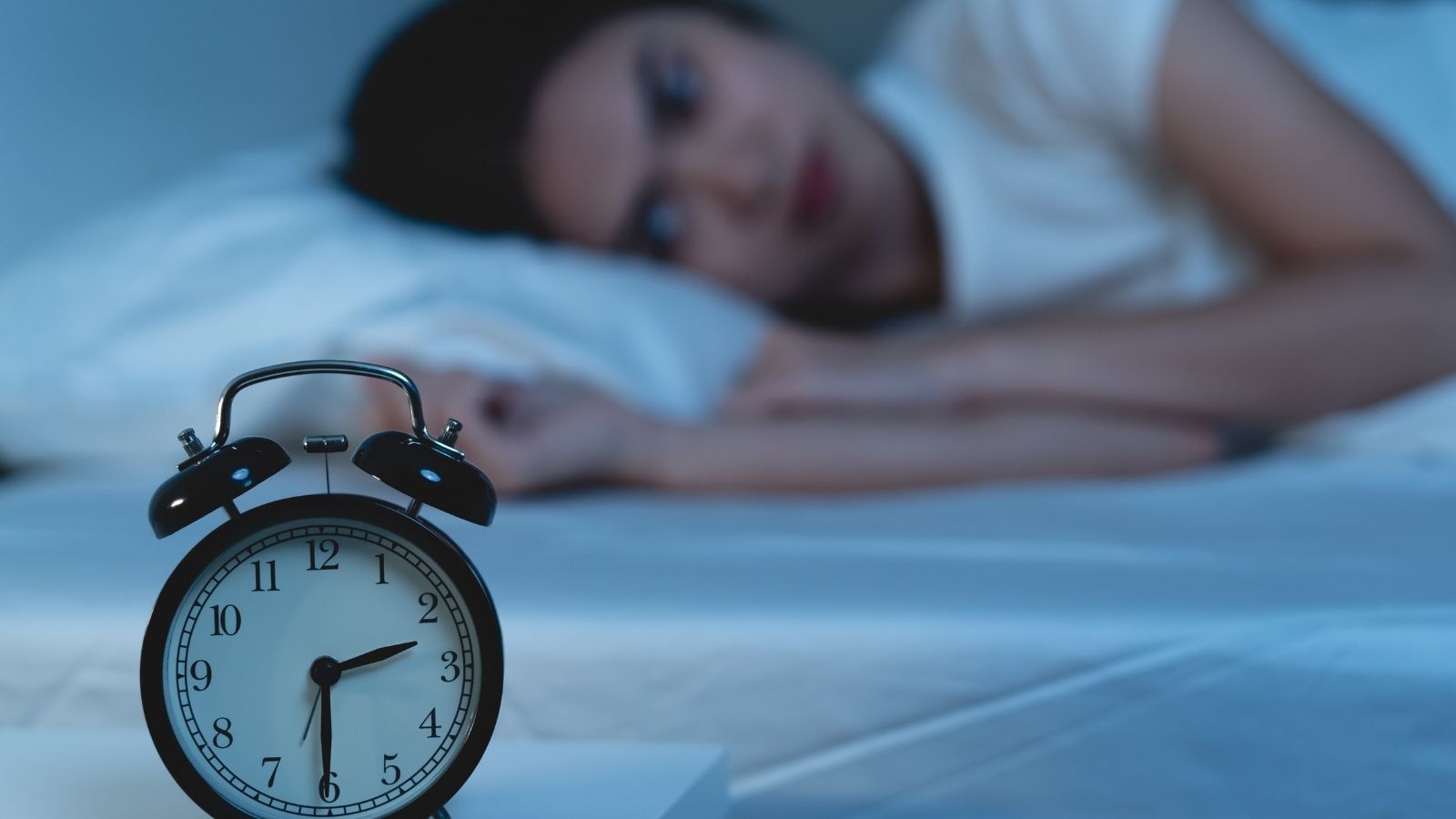
Lack of sleep: Why not getting enough sleep can make you ill
A short night’s sleep soon takes its toll: tiredness, difficulty concentrating and irritability are typical consequences. However, a lack of sleep also affects the heart, metabolism, immune system and hormone balance. If it persists, the risk of various illnesses may increase.
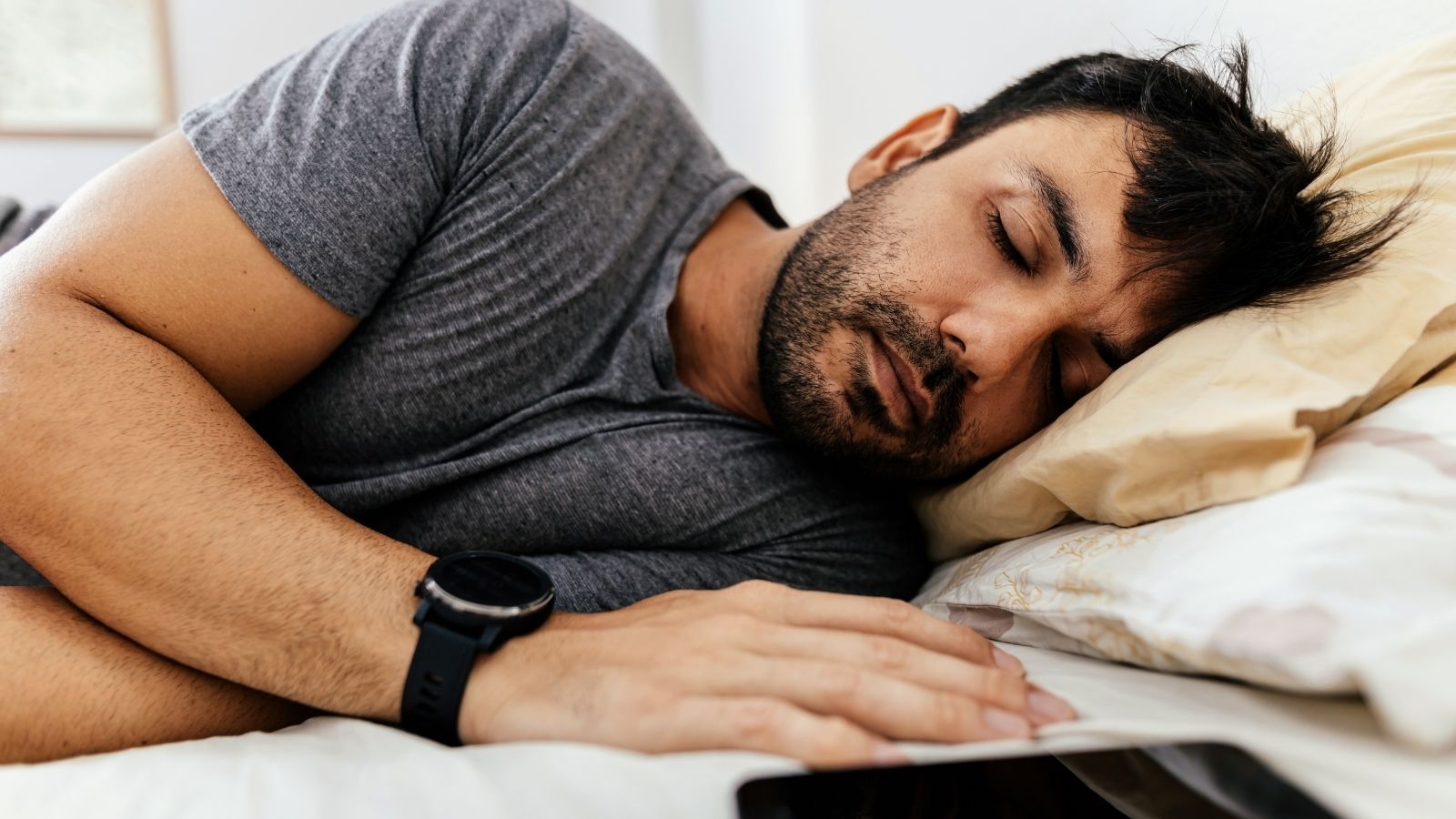
Sleep trackers put to the test: can smartwatches, rings and apps improve sleep?
Sleep trackers are now part of everyday life for many people and promise detailed insights into one’s own sleep.
In this article, you’ll find out how sleep trackers work, which measurements are actually meaningful, what the limitations of these devices are, and for whom sleep tracking might be useful.
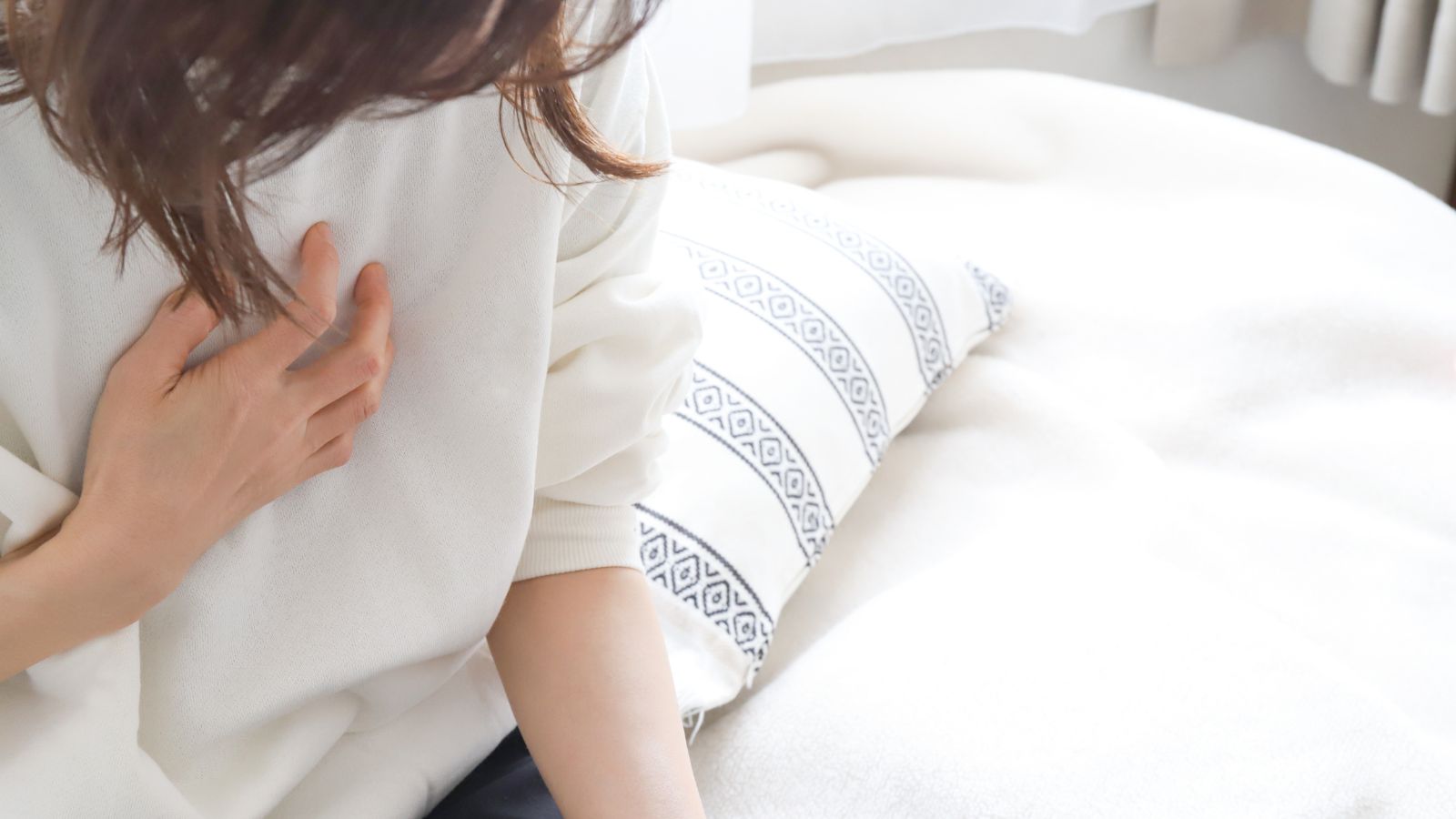
Stress and the heart: How mental strain affects heart health
Stress can have a significant effect on the heart: your pulse rises, your heart beats faster and you may sometimes experience a feeling of pressure in your chest. But why does the heart react this way to psychological stress? Find out what stress triggers in the body, how it affects the heart and when it is advisable to seek medical advice.
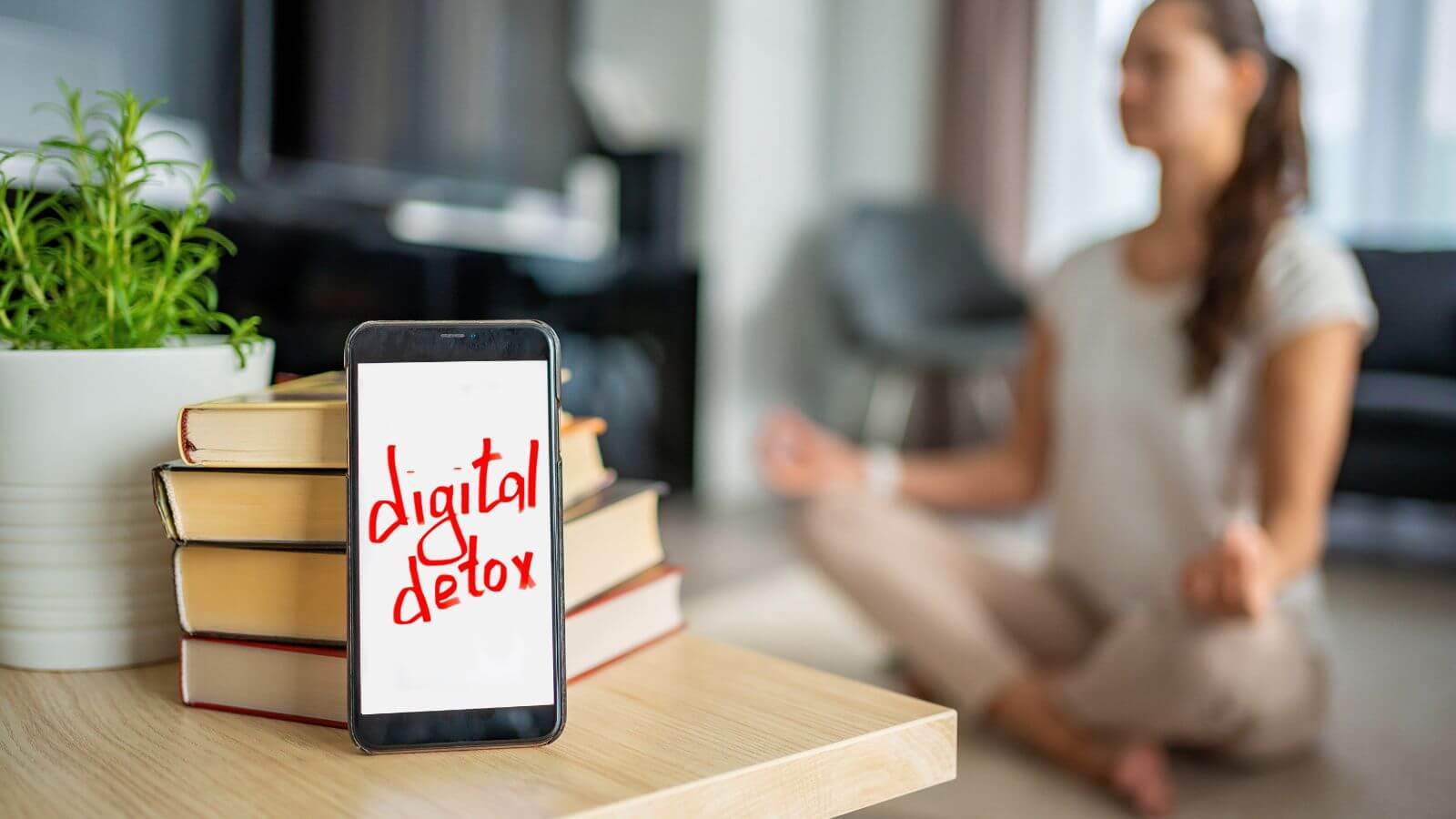
Digital Detox: How to reduce screen time and mobile-related stress
Our brains are not designed to cope with a constant barrage of digital stimuli. The consequences can include stress, lack of sleep and a shortening attention span. But how can we break the cycle of constant screen use and short-term rewards?

Smartphone addiction: recognising the signs and regaining your concentration
It is hard to imagine everyday life without smartphones. At the same time, the constant availability of messages, stimuli and new content can lead the brain to seek out quick distractions time and again.
Resilience: Coping with crises through inner strength
Resilience describes the ability to cope with difficult periods in life, setbacks and crises without losing one’s emotional balance in the long term. It helps people to deal with stress and regain stability after challenging experiences.
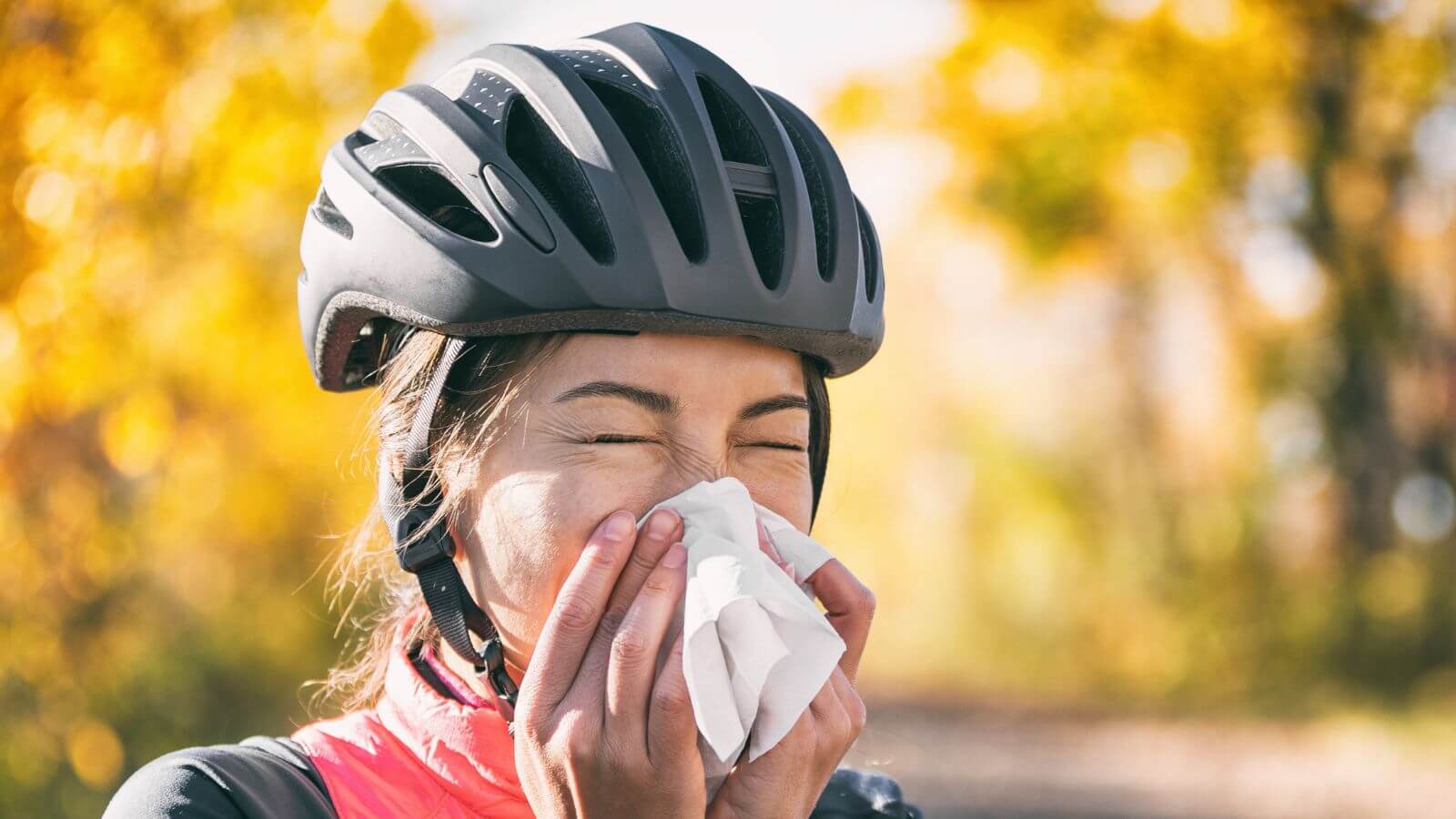
Exercise when you have a cold: when it’s okay and when you should take a break
You’ve got a cold and are wondering whether exercising will help or do more harm than good. There’s no one-size-fits-all answer, as not every cold is the same: a mild sniffle is quite different from an infection that leaves you feeling really unwell.
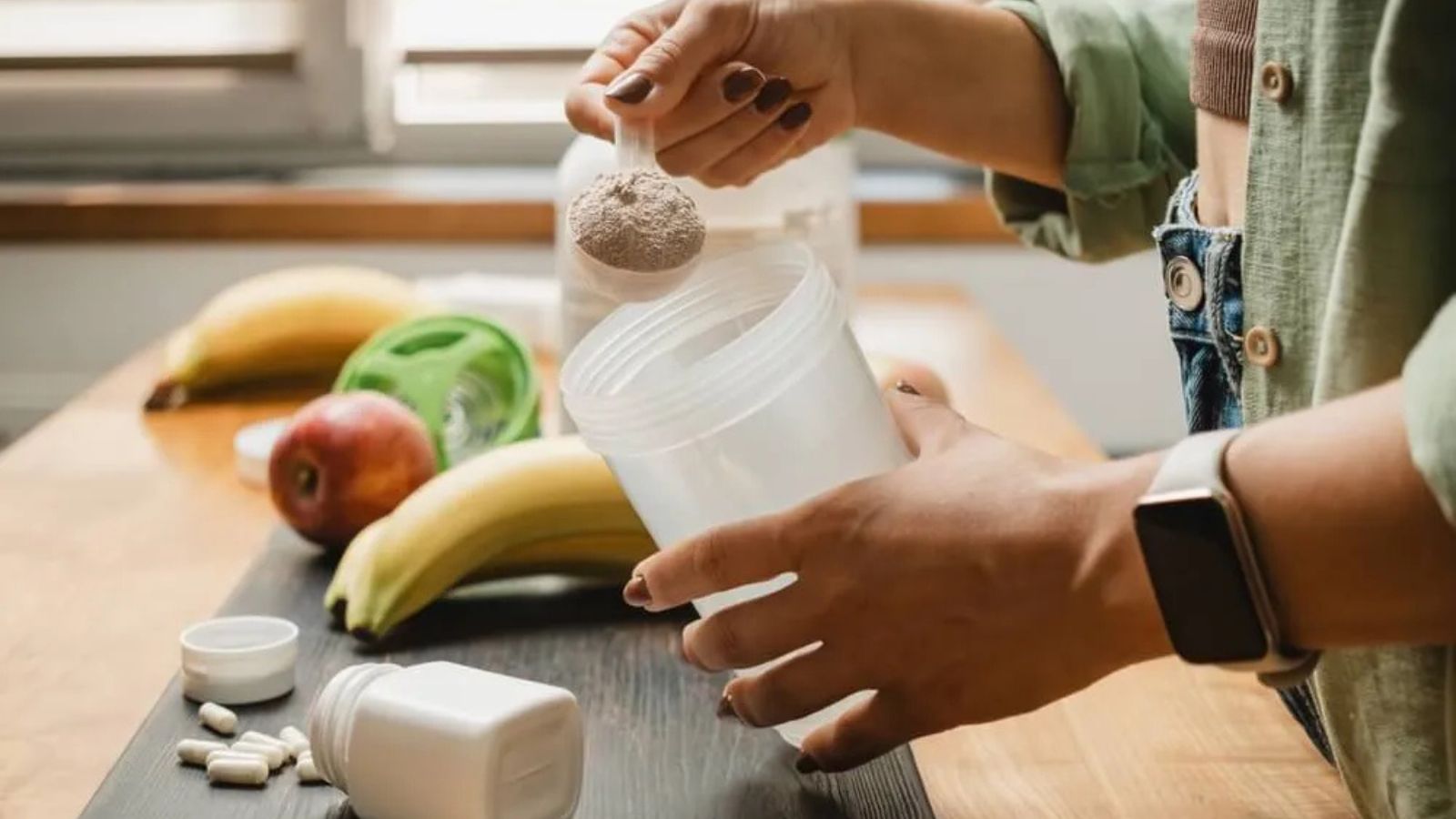
Creatine – An Overview of Its Effects, Benefits and Uses
Creatine is one of the most thoroughly researched dietary supplements. For a long time, it was regarded as a typical supplement for strength athletes and bodybuilders. In this article, you will find out who might benefit from creatine, how it works in the body, and what you should bear in mind when taking it.
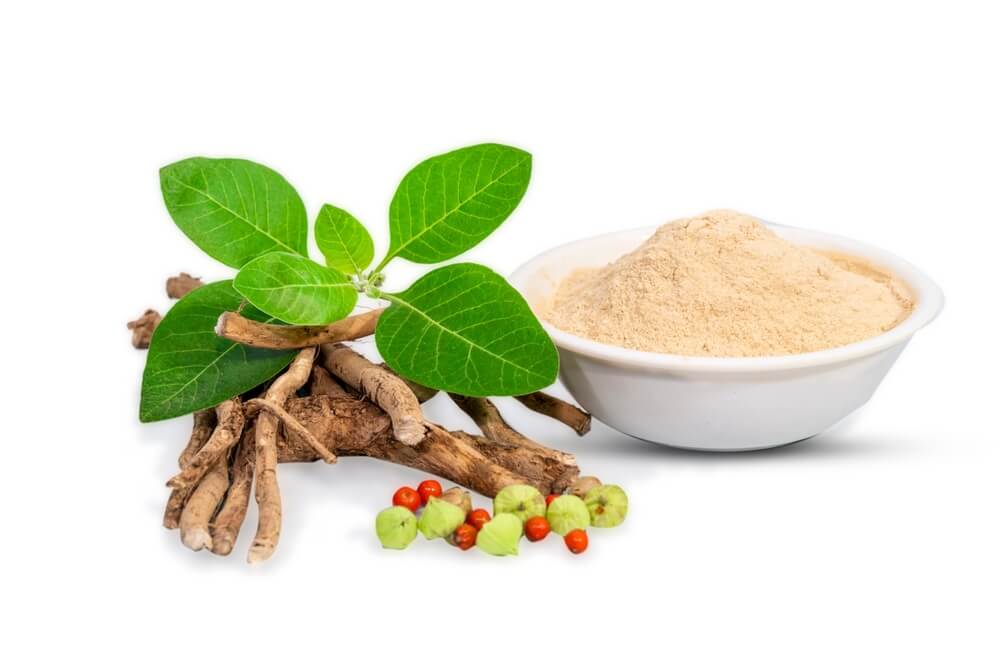
Ashwagandha for sleep, stress and muscle building: benefits, risks and what really
Ashwagandha, a medicinal plant native to India, has long been used in Ayurvedic medicine to promote good health. Today, the ‘sleep berry’ is also used in Europe to treat sleep disorders and stress, to build muscle, and for many other purposes.