
Life

Mouth taping: Does taping your mouth shut whilst sleeping really help?
Mouth taping is said to promote nasal breathing, reduce snoring and improve sleep. The method has become widely known mainly through social media and celebrity advocates. But how well are these effects scientifically proven? And what risks might taping the mouth shut at night entail?
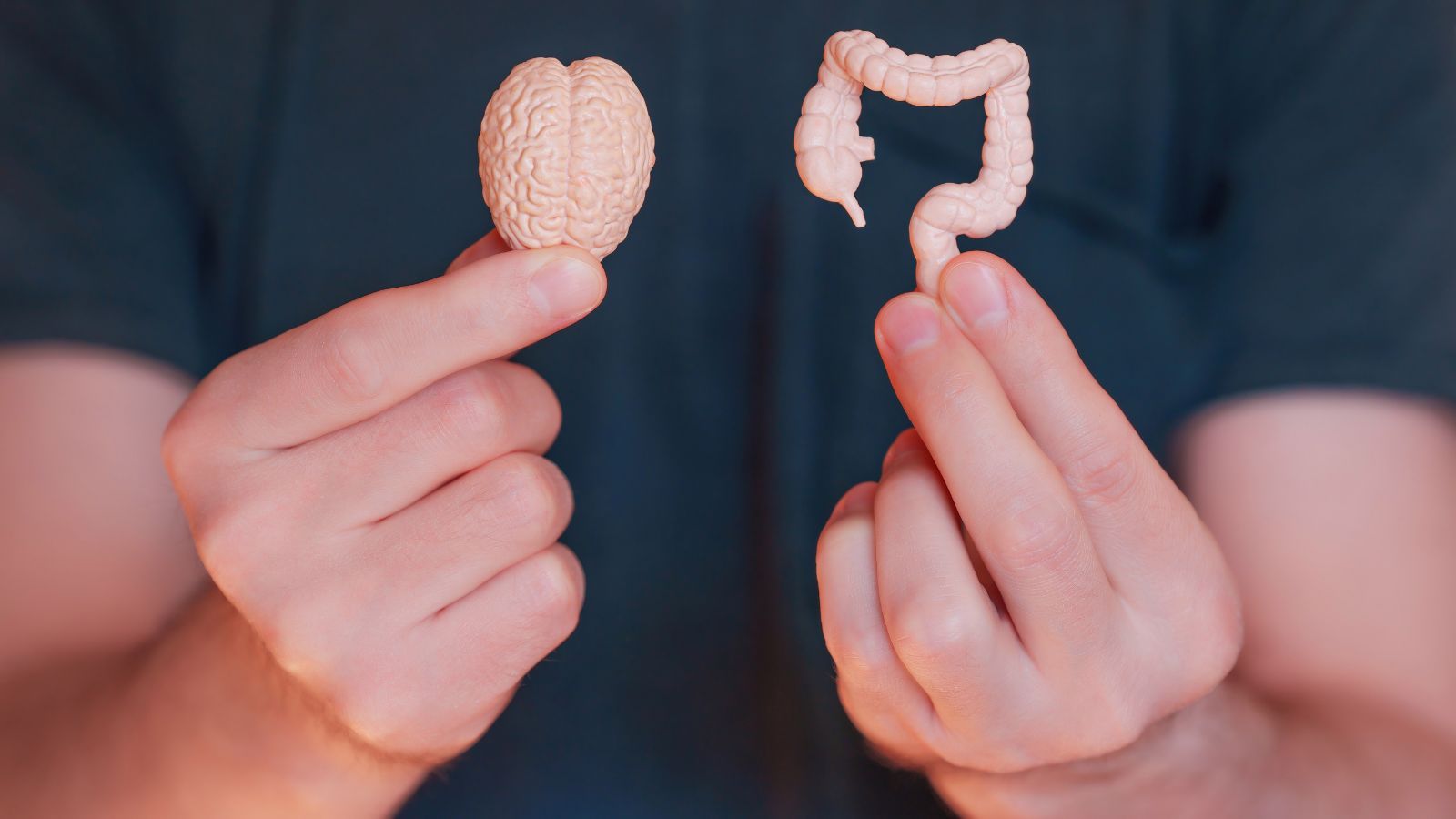
The gut-brain axis: How the gut affects mental health
Stress affects the stomach, and excitement gives you butterflies in your tummy: the gut and the brain are constantly connected. Find out here how the gut-brain axis works and what role diet, the microbiome and the mind play in this.
Lack of sleep: Why not getting enough sleep can make you ill
A short night’s sleep soon takes its toll: tiredness, difficulty concentrating and irritability are typical consequences. However, a lack of sleep also affects the heart, metabolism, immune system and hormone balance. If it persists, the risk of various illnesses may increase.
Sleep trackers put to the test: can smartwatches, rings and apps improve sleep?
Sleep trackers are now part of everyday life for many people and promise detailed insights into one’s own sleep.
In this article, you’ll find out how sleep trackers work, which measurements are actually meaningful, what the limitations of these devices are, and for whom sleep tracking might be useful.

Stress and the heart: How mental strain affects heart health
Stress can have a significant effect on the heart: your pulse rises, your heart beats faster and you may sometimes experience a feeling of pressure in your chest. But why does the heart react this way to psychological stress? Find out what stress triggers in the body, how it affects the heart and when it is advisable to seek medical advice.

Digital Detox: How to reduce screen time and mobile-related stress
Our brains are not designed to cope with a constant barrage of digital stimuli. The consequences can include stress, lack of sleep and a shortening attention span. But how can we break the cycle of constant screen use and short-term rewards?

Smartphone addiction: recognising the signs and regaining your concentration
It is hard to imagine everyday life without smartphones. At the same time, the constant availability of messages, stimuli and new content can lead the brain to seek out quick distractions time and again.
Exercise when you have a cold: when it’s okay and when you should take a break
You’ve got a cold and are wondering whether exercising will help or do more harm than good. There’s no one-size-fits-all answer, as not every cold is the same: a mild sniffle is quite different from an infection that leaves you feeling really unwell.

Creatine – An Overview of Its Effects, Benefits and Uses
Creatine is one of the most thoroughly researched dietary supplements. For a long time, it was regarded as a typical supplement for strength athletes and bodybuilders. In this article, you will find out who might benefit from creatine, how it works in the body, and what you should bear in mind when taking it.

Ashwagandha for sleep, stress and muscle building: benefits, risks and what really
Ashwagandha, a medicinal plant native to India, has long been used in Ayurvedic medicine to promote good health. Today, the ‘sleep berry’ is also used in Europe to treat sleep disorders and stress, to build muscle, and for many other purposes.
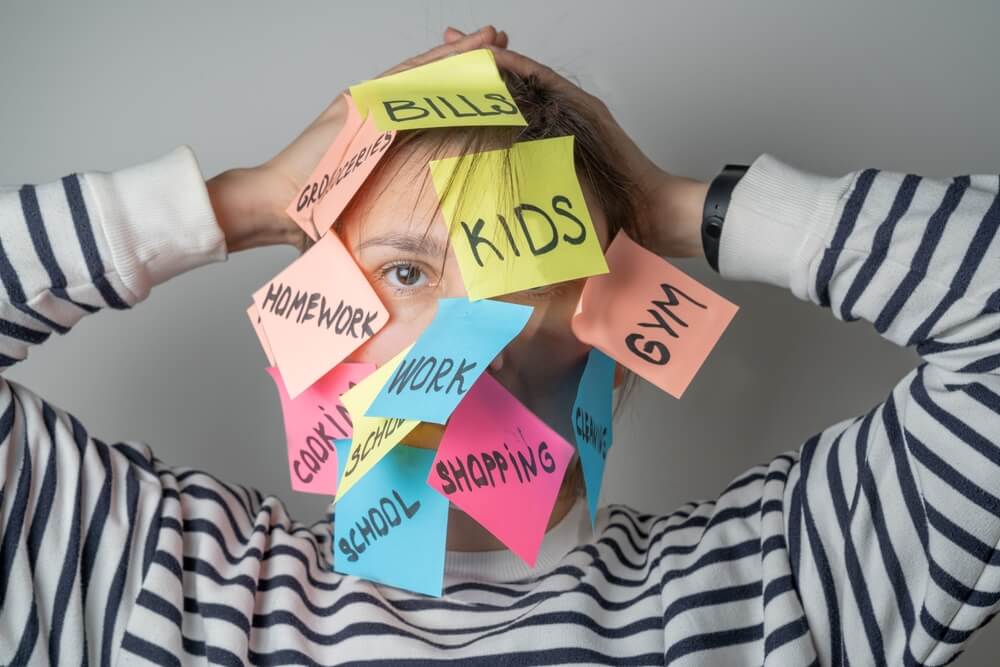
What to do about mental load? 10 practical tips
When countless to-do lists are whirring round in your head and the constant thinking and planning are leading to exhaustion, it’s time to do something about the phenomenon known as ‘mental load’. Women, who traditionally act as the ‘managers’ of family life, are often particularly affected.

Pelvic floor exercises: Why a strong core is important
A well-trained pelvic floor is crucial for your well-being and health. It supports the internal organs, can help alleviate sexual problems and helps to prevent incontinence.
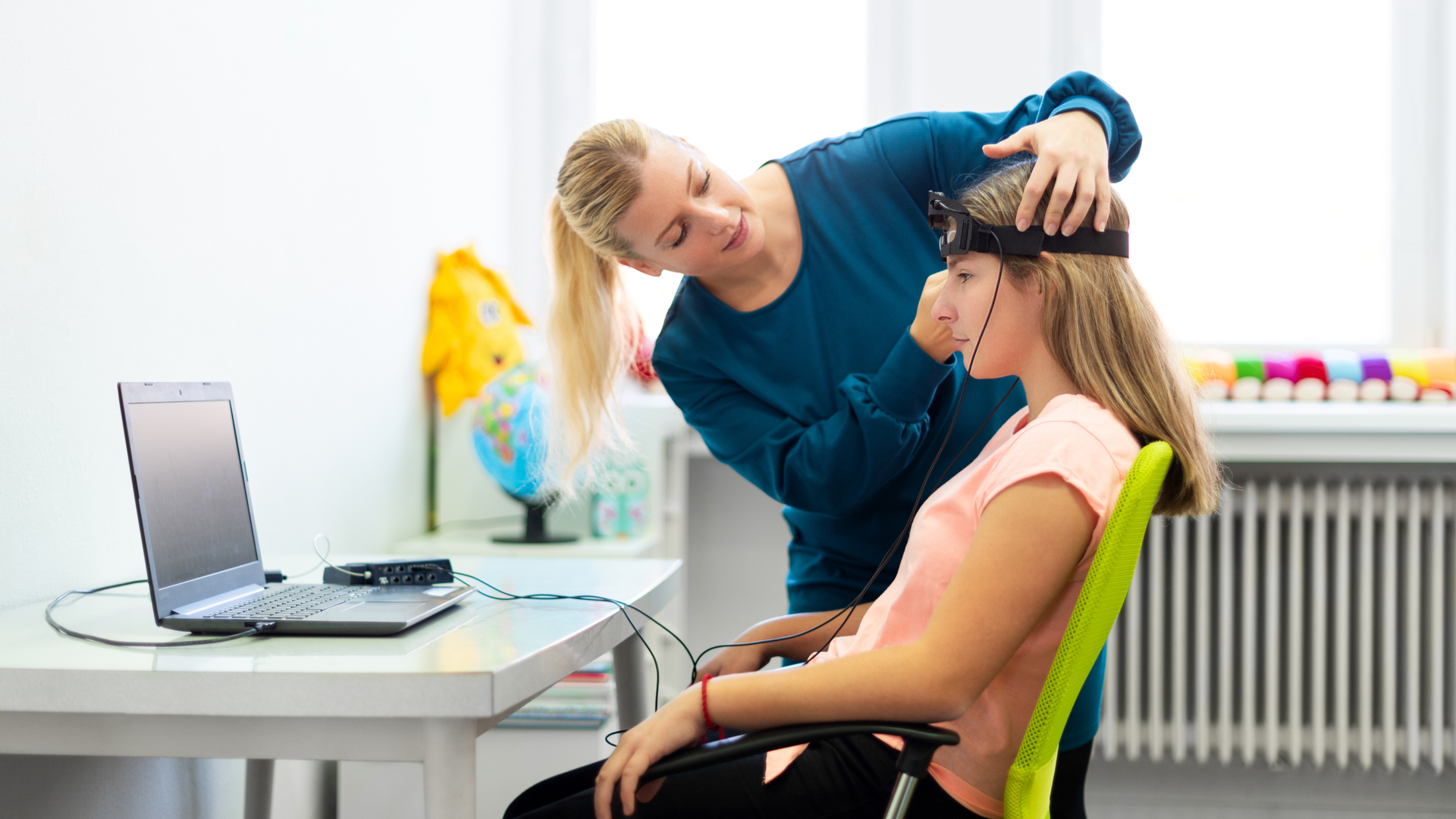
How does neurofeedback work?
Neurofeedback is a form of behavioural therapy that is often used to treat ADHD, anxiety, autism, burnout and depression.
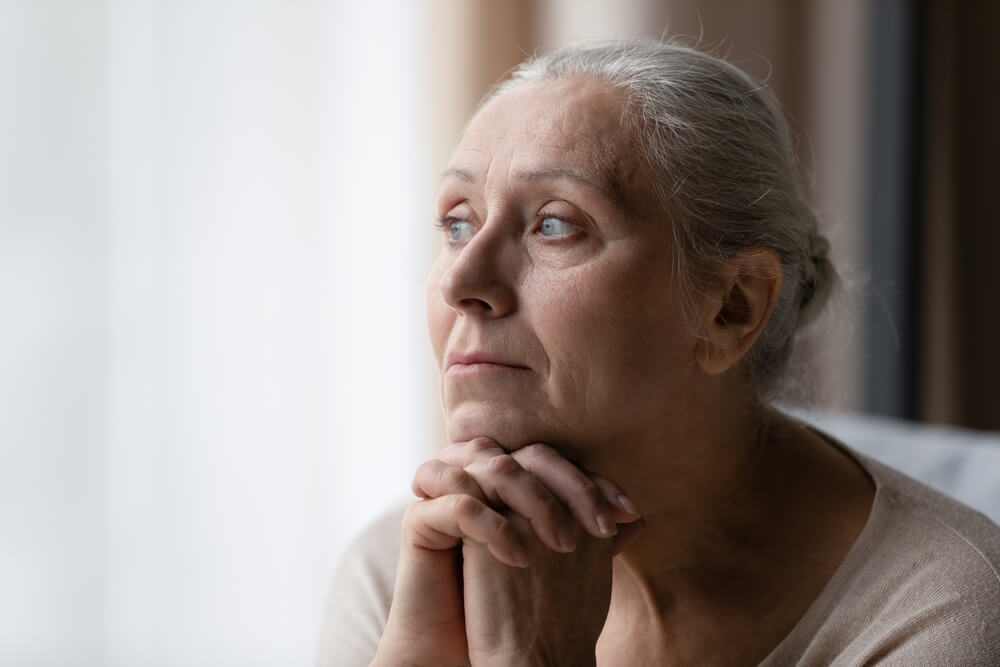
People living alone are at increased risk of dementia
For people aged 55 and over who live alone, the risk of dementia is around 30 per cent higher than for those who share their household with at least one other person. Social isolation is therefore an even greater risk factor than previously thought.
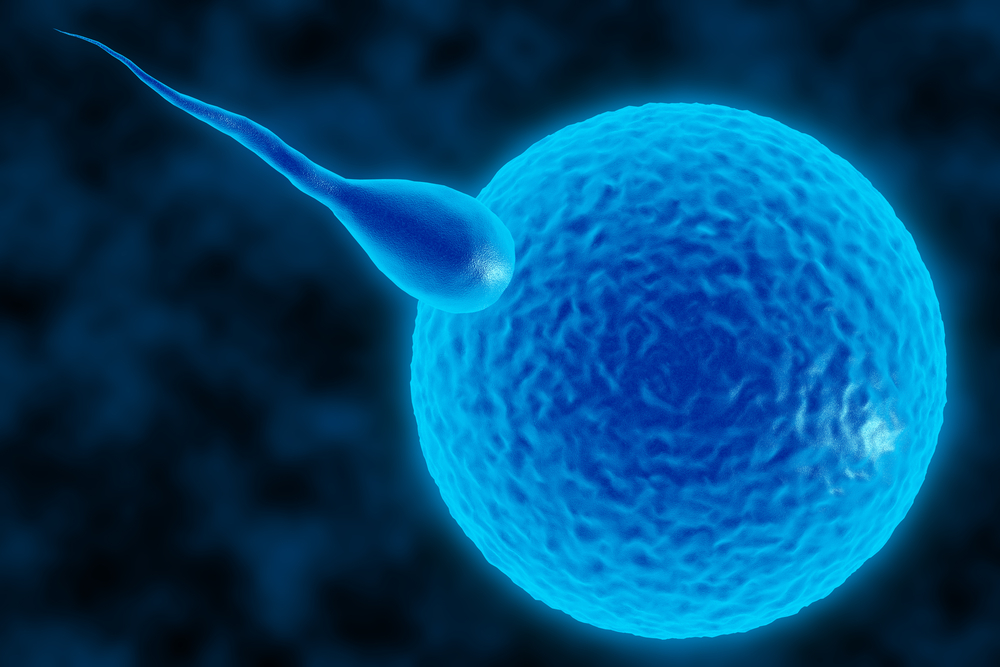
Fertility and egg reserve
Fertility is largely determined by the egg reserve. However, many other factors also play a role.