Summary
Resilience
Definition: The ability to cope well with difficulties and setbacks and to manage crises and trauma in a way that maintains mental health. Resilience is a dynamic, lifelong process involving complex interactions between a person and their environment, in which protective and risk factors play a role.
Protective factors: internal: problem-solving skills, beliefs in one’s own effectiveness, a realistic and positive self-concept, the ability to self-regulate, active efforts to cope, an optimistic and confident outlook on life, physical health; external: at least one stable, reliable attachment figure during childhood; parents’ good coping skills in stressful situations, …
Risk factors: chronic illnesses, insecure attachments, chronic poverty,…
Health benefits: less susceptible to exhaustion, burnout and depression; faster reduction of stress hormones following stress; positive effects on the cardiovascular and immune systems; healthier behaviour; minimal use of self-harming strategies
Can be developed through: mental reprogramming (reframing), acceptance and focus, nurturing one’s resources
What is resilience?
Resilience is a person’s psychological ‘resilience’ or their ability to cope with stress, setbacks and crises in such a way that they do not lose their inner balance permanently. The term is derived from the Latin word ‘resilire’, which means ‘to bounce back’. It originally comes from the field of materials science in physics, where it describes the property of certain materials to return to their original shape after being subjected to strong external forces. From the mid-20th century onwards, this concept was adopted by psychology. Today, it is understood as a human characteristic that can be described as psychological resilience. It is important to note that resilience does not mean that one feels no pain. Even resilient people suffer from loss, crises or stress. However, they often find more effective ways of regaining their emotional balance.
A groundbreaking study
One of the pioneers of resilience research was the American developmental psychologist Emmy Werner. She and her team followed the entire cohort born in 1955 on the Hawaiian island of Kauai over several decades. In the process, they observed and interviewed 698 people and collected data on their living conditions and health. Just under a third of these people grew up in very difficult circumstances as children, experiencing poverty, parental illness, neglect, domestic violence, etc. The researchers found that two-thirds of this group developed severe learning and behavioural disorders, some became involved in criminal activity, and suffered from serious mental health problems. However, one third of this high-risk group thrived despite their difficult starting conditions; they showed no psychiatric or other chronic health problems, found fulfilling work, were optimistic, and so on: they were resilient. From this and other studies, we therefore know that unfavourable circumstances do not necessarily lead to hardship and failure. Resilient people possess certain characteristics and strategies that enable them not to be broken by adverse circumstances, or to cope with a crisis or trauma in such a way that their mental health is preserved. True to the motto:
‘Start where you are – Use what you have – Do what you can.’ Unknown
Is resilience innate?
For a long time, resilience was understood as a kind of fixed trait. It was assumed that it was either innate or developed very early in childhood. It was seen as largely predetermined and difficult to change. Today, the view is more nuanced. Resilience is no longer regarded as a rigid personality trait, but as a dynamic process. It arises from the interplay between a person, their experiences, their relationships and their environment. This also means that resilience can change. Skills that contribute to greater resilience can be acquired later in life and continuously improved. These include, for example, coping with stress, the ability to accept help, problem-solving skills and a supportive social environment. 
How does resilience develop?
Resilience is therefore not an innate trait that one either has or does not have. It is a dynamic process that develops over the course of a person’s life. The interplay between nature and nurture, protective factors and experiences of coping plays an important role in this. The foundations for resilience are often laid very early on, but can be further developed at any time. A stable bond with at least one reliable attachment figure during childhood is considered the most important protective factor. Those who experience being loved and feeling safe find it easier to develop a healthy sense of basic trust in themselves and in other people. Furthermore, resilience does not arise simply from the absence of problems, but also from overcoming challenges and from what is known as ‘self-efficacy ’. This refers to the belief that: ‘I can do something. I am not completely at the mercy of a difficult situation.’ This confidence often grows slowly – through small successes, through support, and through the realisation that difficulties can be hard to cope with, but are not always insurmountable.
Why is resilience so important for health?
Resilience does not protect against all forms of stress. But it can help us cope with them better. That is why it plays an important role in both mental and physical health. Resilient people are therefore often less prone to exhaustion, burnout and depressive symptoms. They do not necessarily find stress any easier to deal with. But they are more likely to have strategies for dealing with them: putting problems into perspective, seeking support, allowing themselves breaks, and developing solutions. Even in cases of severe or chronic stress, studies show that resilient people are often better able to regulate their stress responses. This can also have an indirect positive effect on the cardiovascular system. If crises are actively managed, the body is less likely to remain in a constant ‘state of alert’. This, in turn, can have beneficial effects on the immune system. Resilient people often exhibit healthier behaviour and are less likely to resort to self-destructive coping strategies such as alcohol, nicotine, overeating or drugs.
How can you recognise low resilience?
People with low resilience often find it difficult to adapt to challenging life circumstances or to recover from crisis situations. Compared to more resilient people, they find it harder to cope with critical life events, adverse life circumstances or psychological trauma. They often feel less mentally stable and require longer recovery times following periods of stress. In research, low resilience is assessed using various methods:
- Validated measurement tools: These include scales and standardised questionnaires. If individuals score low on these, this may indicate lower resilience.
- Physical stress responses: Studies reveal differences in stress regulation. For example, some people exhibit a prolonged stress response or elevated cortisol levels following stress.
- Clinical psychology: People with low resilience sometimes show signs of ‘learned helplessness’. They tend to take negative events very personally, perceive them as unchangeable and apply this view to many areas of their lives: ‘It’s my fault. It will always be like this. Everything is bad.”
- Long-term studies on risk factors: Emmy Werner’s so-called Kauai Study demonstrated, amongst other things, which protective factors are particularly important for children experiencing stress. Conversely, a lack of protective factors can hinder the development of resilience. These include:
- a lack of secure attachments
- low belief in one’s own self-efficacy
- a feeling of being at the mercy of fate
Can low resilience make you ill?
Low resilience does not automatically make you ill. However, it can contribute to stress having a more lasting effect and the body remaining under stress for longer. When people feel constantly overwhelmed, it is often harder for them to look after themselves properly. Some sleep less well, exercise less or resort more frequently to unhealthy coping strategies such as alcohol, nicotine, overeating or withdrawal. In the long term, this can take its toll on physical and mental health. Many studies, for example, have demonstrated the link between resilience and mental health. Conversely, it can be said that if stress has a persistent and largely unmanaged impact on the mind and body, this can take its toll on health and increase the risk of illness. 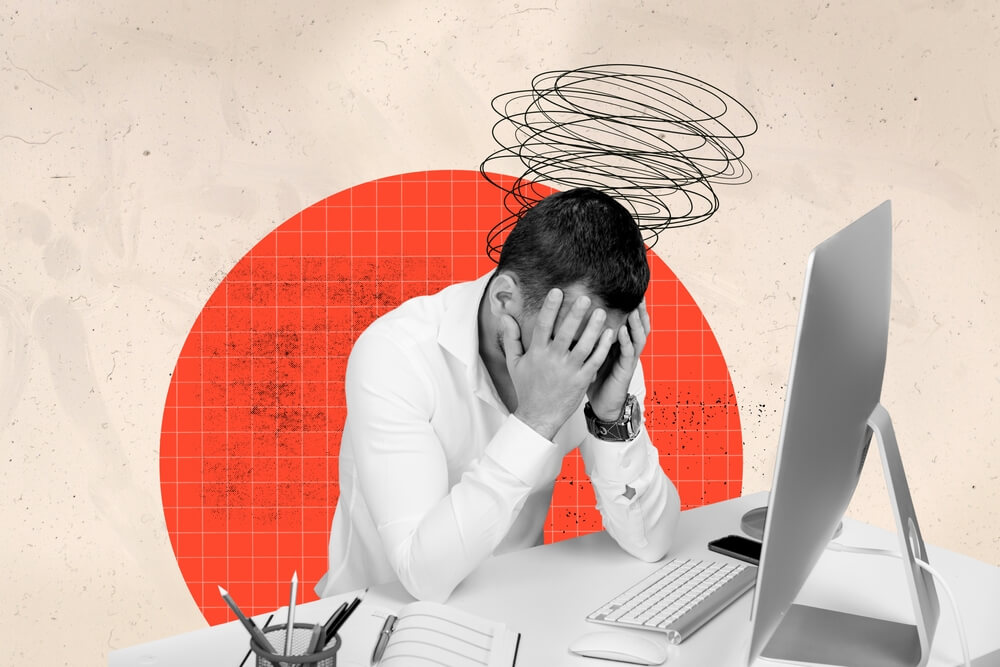
What are the key factors for resilience?
Why do some people remain more emotionally stable than others despite difficult life circumstances? This is the question addressed by resilience research. The term ‘protective factors’ is used in this context. These can help people cope better with stress and regain their balance after crises. A distinction is made between:
Internal protective factors
- Problem-solving ability
- Belief in one’s own effectiveness
- A realistic and positive self-concept
- Ability to self-regulate
- Active efforts to cope, for example the ability to seek and accept social support
- an optimistic and confident outlook on life
- physical health
External protective factors
- at least one stable and reliable attachment figure during childhood who fosters security, trust and autonomy
- parents’ good coping skills in stressful situations
- moderate social responsibilities and performance expectations appropriate to the individual
On the other hand, there are risk factors. These include, for example, chronic illnesses, insecure attachments, persistent excessive demands, violence, neglect or chronic poverty. They can make the development of resilience more difficult, but they do not necessarily make it impossible.
The 7 pillars of resilience
In psychology, the so-called ‘7 pillars of resilience’ are often described. These factors can act as an internal system that helps people not only to weather crises, but also to grow from them. It is important to note that these pillars are not a rigid formula. No one needs to be equally strong in all areas. Resilience arises more from the interplay of various factors.
- Acceptance: Being resilient means recognising that crises and difficult periods are part of life. Optimism: Resilience also means having the confidence that crises are temporary and that you possess the skills to turn the situation around.
- Self-efficacy: This is regarded as one of the most important factors. It refers to the confidence that one is not helplessly at the mercy of circumstances, but can influence them through one’s own actions.
- Personal responsibility: Resilient people do not simply blame others or ‘fate’ for their problems. They take responsibility for their own well-being and seek solutions.
- Network orientation: A stable social environment comprising friends, family or colleagues is also an important protective factor.
- Solution-oriented approach: Resilient people focus on specific goals and small, achievable steps. Future-oriented approach: Resilience also means turning one’s gaze back to the future after a crisis and setting goals that go beyond the current problem.
Building resilience: How to strengthen your mental resilience in everyday life
Resilience can be strengthened. Not overnight, and not through a single trick. But through small habits that provide stability in everyday life and help build confidence in your own ability to take action. The following suggestions may help:
- See yourself as self-effective: Ask yourself in the evening: What have I influenced today? What have I resolved, decided or endured? Three brief notes are enough. This makes it clear that you can make a difference even on difficult days.
- Gain some perspective on problems: View problems as external challenges, not as personal failings. Putting some time between yourself and the issue can also help with stress: ‘Will this still matter in a year’s time?’
- Nurture relationships that do you good: Invest time in relationships where you feel safe and understood. It’s not about quantity, but about quality.
- Practise acceptance: Some things cannot be changed straight away. Acceptance does not mean approving of everything. It means acknowledging reality and channelling your energy towards areas where you actually have room for manoeuvre.
- Practise self-care: Sleep, breaks, exercise, food and conscious relaxation are not trivial matters. They form the basis for your body and mind to better cope with stress. Even just a few minutes of calm breathing can help you release tension.

Where are the limits of resilience?
When exploring the concept of resilience, one sometimes gets the impression that anyone can overcome any crisis, provided they are resilient enough. However, many researchers who study resilience warn against interpreting the term in this way. This is because there are situations that individuals cannot cope with on their own. Furthermore, resilience is not always available or trainable to the same extent for everyone. Nevertheless, the concept represents an important approach to comprehensive health promotion. Research in this area is likely to yield many more new insights.
When should you seek professional help?
Not every crisis can be overcome on your own. If the stress consistently exceeds your own coping strategies, seeking professional support is a sign of strength. Pay particular attention to the following warning signs:
- No recovery: feelings of low mood, anxiety or exhaustion persist for longer than two to four weeks without any improvement.
- Sleep disturbances: You find it almost impossible to fall asleep or stay asleep for extended periods.
- Persistent physical symptoms: These include, for example, headaches, back pain or stomach ache, for which doctors cannot find a sufficient physical cause.
- Loss of appetite or binge eating: Eating habits change significantly or drastically.
- Social or occupational withdrawal
- Unhealthy coping strategies, such as increased consumption of alcohol, nicotine or drugs
- Feelings of hopelessness
In such cases, the first points of contact may be your GP, psychotherapeutic information services or the telephone counselling helpline. In Austria, you can reach the telephone counselling helpline on 142. For children and young people, there is ‘Rat auf Draht’ on 147.
FAQ
Resilience is the long-term ability to cope, which determines how stable you remain in general and how quickly you recover after crises. Stress management (coping), on the other hand, refers to the specific techniques (such as breathing exercises or time management) that can be used when stress arises, although any successful stress management ultimately builds resilience in the long term.
Yes, because resilience is a dynamic ability that can be developed and further strengthened through targeted training in factors such as optimism, a solution-oriented mindset and acceptance – and this can be done at any age, as the brain’s neuroplasticity allows us to continue learning well into old age.
Resilience is a lifelong process. Some learning effects take effect immediately through specific techniques, others become apparent after a few weeks, if you practise daily exercises such as mindfulness training; still others that, through the formation of habits, enable new behaviours to emerge within two to three months; and finally, those that require a great deal of time to override deep-seated beliefs from childhood (e.g. ‘I am helpless’).
Breathing techniques are often very effective here. Breathe out for twice as long as you breathe in. Loosen your jaw and relax your mouth and shoulders. Don’t react straight away. Replace anger or panic with the neutral word ‘interesting’ (this shifts your perspective from that of a victim to that of an observer). Instead of asking “Why me?”, ask “What is the next step now?” Ignore everything you cannot change and focus on your own behaviour.
Yes, because mindfulness helps to create a gap between stimulus and response. This enables you to learn to recognise symptoms of stress before they overwhelm you. It gives you the chance to take active countermeasures, rather than simply reacting on autopilot. Mindfulness also cultivates the attitude: ‘Things are as they are right now.’ This saves energy for actually solving the problem. And: you learn to observe feelings such as fear or anger without identifying with them.
Yes, because resilience is a dynamic quality that extends throughout one’s entire life. It varies in strength depending on the area of life in question; it can be depleted by prolonged stress over the years, whilst, on the other hand, it can grow as a result of crises and increase with age as one becomes more composed.
There are various ways of measuring resilience. Firstly, through psychological questionnaires (scales) (e.g. the BRS (Brief Resilience Scale)). Secondly, resilience is also evident physically, making it possible to measure how quickly the body returns to a state of calm following stress (cortisol levels, heart rate variability (HRV)). Thirdly, behavioural observation is also used, particularly with children. However, all these methods present certain difficulties, as a test, for example, provides only a snapshot, and resilience is, after all, a process.
Genetics form the foundation of an individual’s resilience, but through experience and training, one can learn to further develop resilience. Studies estimate that around 30 to 50 per cent of resilience is inherited. Furthermore, genes influence how efficiently the brain regulates stress hormones and processes neurotransmitters. Finally, positive or negative experiences can influence how one’s genetic predisposition is actually expressed.
Yes, sport can help boost your resilience, as physical activity reduces levels of the stress hormone cortisol whilst simultaneously releasing endorphins and serotonin, thereby acting as a buffer. During training, the body is also placed in a controlled state of stress, allowing the nervous system to learn to switch from tension to relaxation more quickly. Furthermore, achieving sporting goals strengthens confidence in one’s own abilities, and this feeling can often be transferred to dealing with crises in everyday life.


Falkai P et al (eds): Duale Reihe: Psychiatry, Psychosomatics and Psychotherapy. 7th ed., Stuttgart: Thieme 2022.
https://www.gesundheit.gv.at/leben/psyche-seele/praevention/psyche-staerken.html, accessed April 2026
https://www.therapie.de/psyche/info/ratgeber/lebenshilfe-artikel/psychische-gesundheit/resilienz-und-vulnerabilitaet/, accessed April 2026
https://www.psychologen.at/lexikon/resilienz-psychologie, accessed April 2026
https://ogg.osu.edu/media/documents/MB%20Stream/Brief%20Resilience%20Scale.pdf, accessed April 2026
https://leitbegriffe.bioeg.de/alphabetisches-verzeichnis/resilienz-und-schutzfaktoren/, accessed April 2026
http://www.resilience-project.eu/fileadmin/documents/Guidelines_de_2014.pdf, accessed April 2026
Färber F et al: The association between resilience and mental health in the somatically ill—a systematic review and meta-analysis. Dtsch Arztebl Int 2018; 115: 621–7.
https://api.aerzteblatt.de/pdf/115/38/m621.pdf, accessed April 2026