
Stress

Silent inflammation in the body: symptoms, causes and what helps to combat inflammation in the body
Silent inflammation does not cause pain, nor does it manifest as redness or tenderness. This is why it often goes unnoticed. Nevertheless, this so-called ‘silent inflammation’ can take a toll on the body in the long term and is linked to conditions such as type 2 diabetes, cardiovascular disease and Alzheimer’s. In this article, you’ll find out what role diet, stress and lifestyle play in this, and what you can do yourself to prevent chronic inflammation.

Stress and the heart: How mental strain affects heart health
Suddenly, your heart starts beating faster. Your pulse quickens, your breathing changes and sometimes you feel a tightness in your chest. Many people are familiar with such situations – for example, when they are very excited, under stress or after a fright.
Particularly if these symptoms recur, you may wonder: is there something wrong with my heart? Stress is not just a feeling. The body reacts to it in exactly the same way. The cardiovascular system is activated and the body prepares itself for increased physical exertion. It is no coincidence that there are expressions such as ‘my heart stops’ or ‘my heart is in my throat’. They describe physical reactions that can actually occur. But what exactly happens in the body? And why does stress sometimes feel like a heart problem? Read on to find out how psychological strain affects the heart and when it is advisable to seek medical advice.

Digital Detox: How to reduce screen time and mobile-related stress
Our brains are not designed to cope with a constant barrage of digital stimuli. The consequences can include stress, sleep deprivation and a shortening attention span. But how can we break the cycle of constant screen use and short-term rewards? We take a closer look at the mechanisms at play and show you practical strategies for a digital detox that can be sustainably integrated into your everyday life.
Is your cortisol too high? What your stress hormone really means
Cortisol is a vital hormone: it wakes us up in the morning and helps us perform well in stressful situations. However, problems arise when levels no longer drop. Chronically elevated cortisol levels can, in the long term, affect your metabolism, immune system and mental health. In this article, you’ll find out why your body goes into alarm mode, how this manifests itself and how you can restore your hormonal balance.

Resilience: Coping with crises through inner strength
Resilience is a term that’s on everyone’s lips these days. It refers to the ability to cope with difficult periods in life, setbacks and crises without losing one’s emotional balance in the long term. It helps us to deal with stress and regain stability after challenging experiences. In this article, you’ll find out exactly what resilience is, what factors influence it, and what you can do to strengthen your own mental resilience.
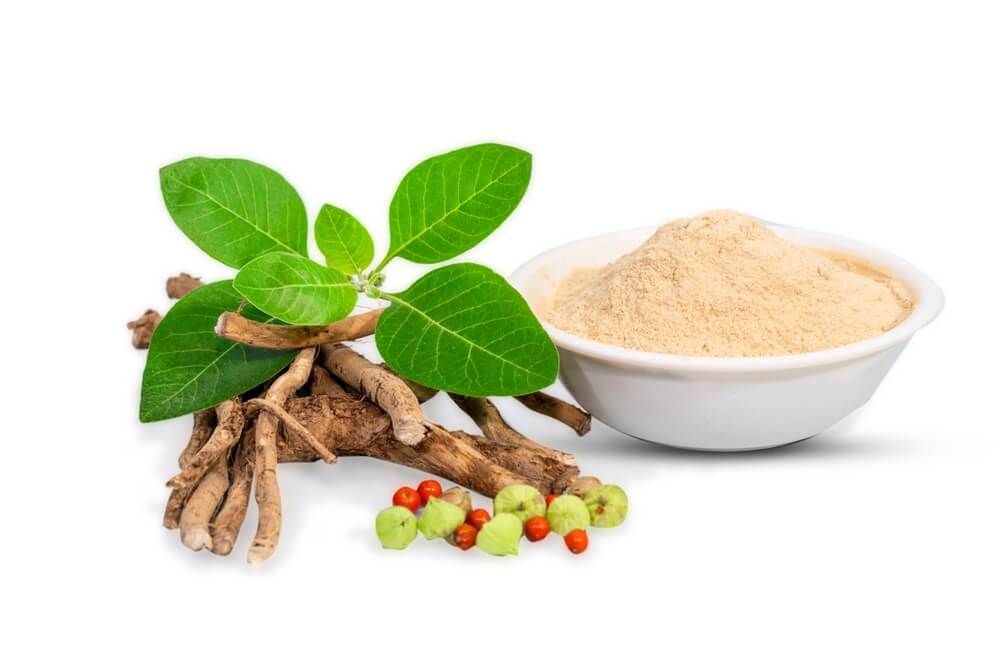
Ashwagandha for sleep, stress and muscle building: effects, risks and what really helps
Ashwagandha, a medicinal plant native to India, has long been used in Ayurvedic medicine to promote good health. Today, the ‘sleep berry’ is also used in Europe to treat sleep disorders and stress, to build muscle, and for many other purposes. But what is actually proven? In this article, you will learn which effects have been scientifically studied, how Ashwagandha can be used effectively, and who should exercise caution.