
DocFinder Wissensmagazin
Hauptinhalte
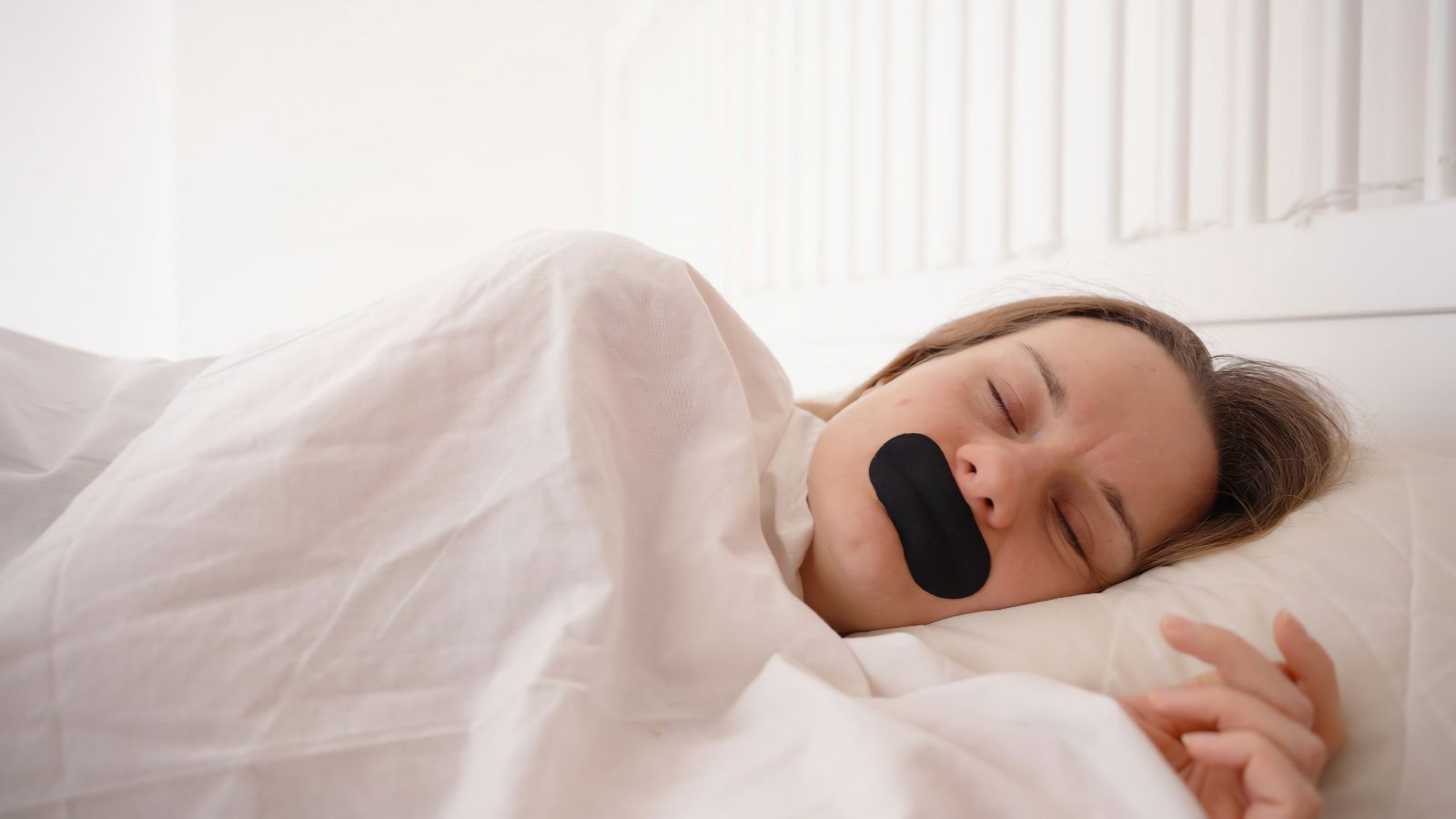
Mouth taping: Does taping your mouth shut whilst sleeping really help?
Mouth taping is said to promote nasal breathing, reduce snoring and improve sleep. The method has become widely known mainly through social media and celebrity advocates. But how well are these effects scientifically proven? And what risks might taping the mouth shut at night entail?
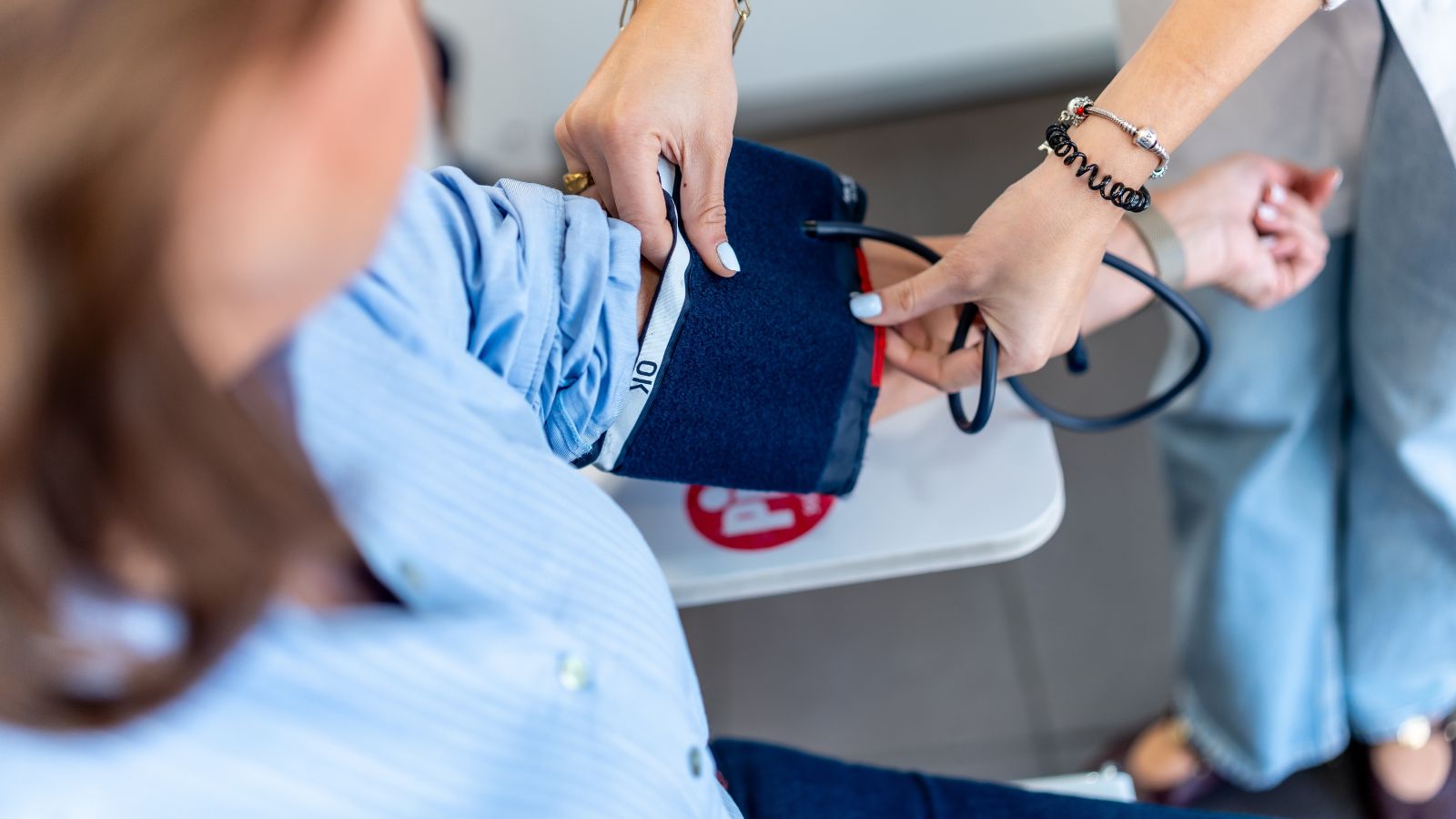
High blood pressure – definition, symptoms, diagnosis and treatment
In Austria, as in many other industrialised countries, high blood pressure is considered a widespread condition; according to estimates, around a quarter of all adults in this country are affected.
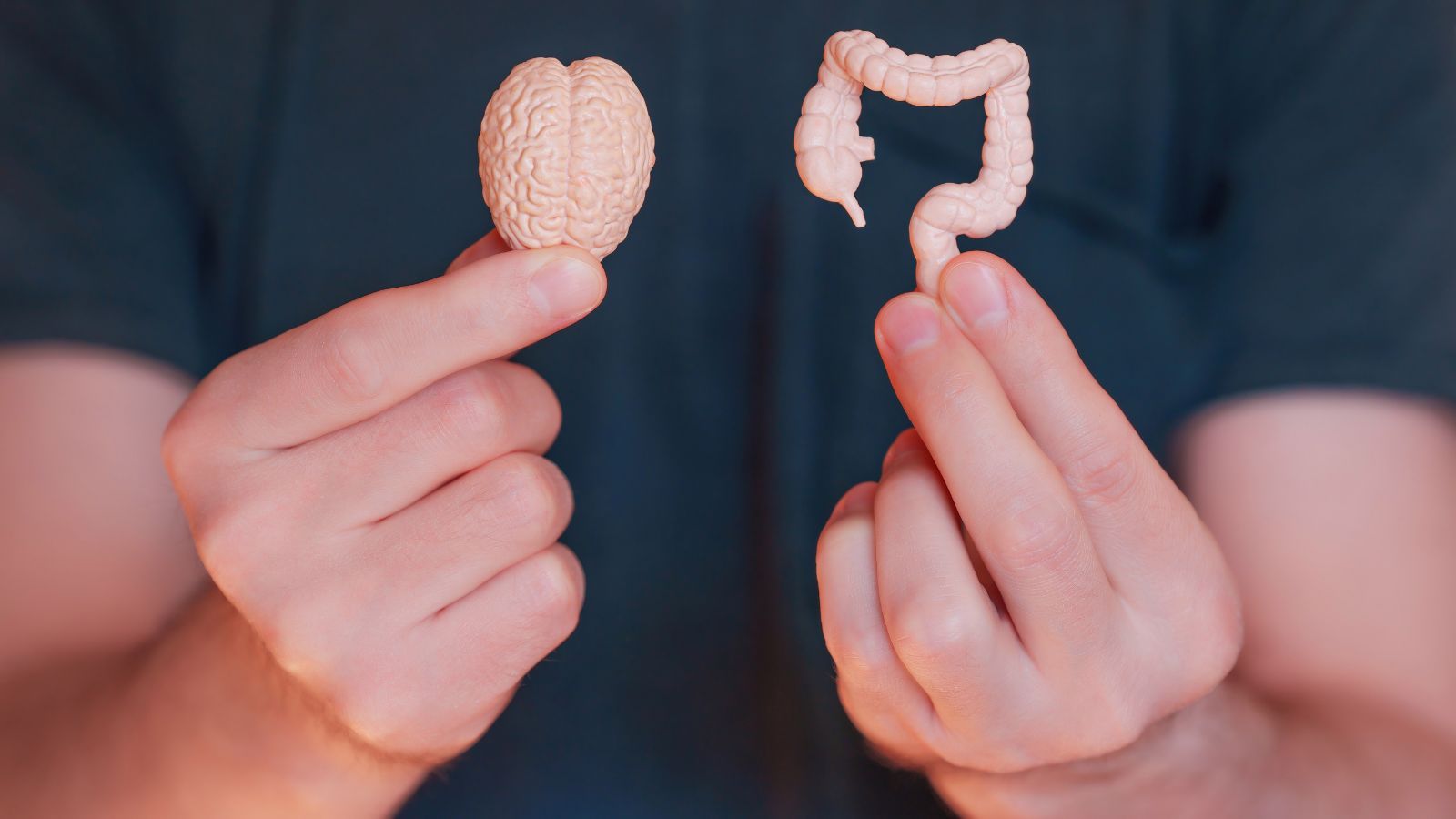
The gut-brain axis: How the gut affects mental health
Stress affects the stomach, and excitement gives you butterflies in your tummy: the gut and the brain are constantly connected. Find out here how the gut-brain axis works and what role diet, the microbiome and the mind play in this.
Silent inflammation in the body: symptoms, causes and treatment
Silent inflammation does not cause pain and does not manifest itself through redness or soreness. That is why it often goes unnoticed. In this article, you will find out what role diet, stress and lifestyle play in this, and what you can do yourself to prevent chronic inflammation.
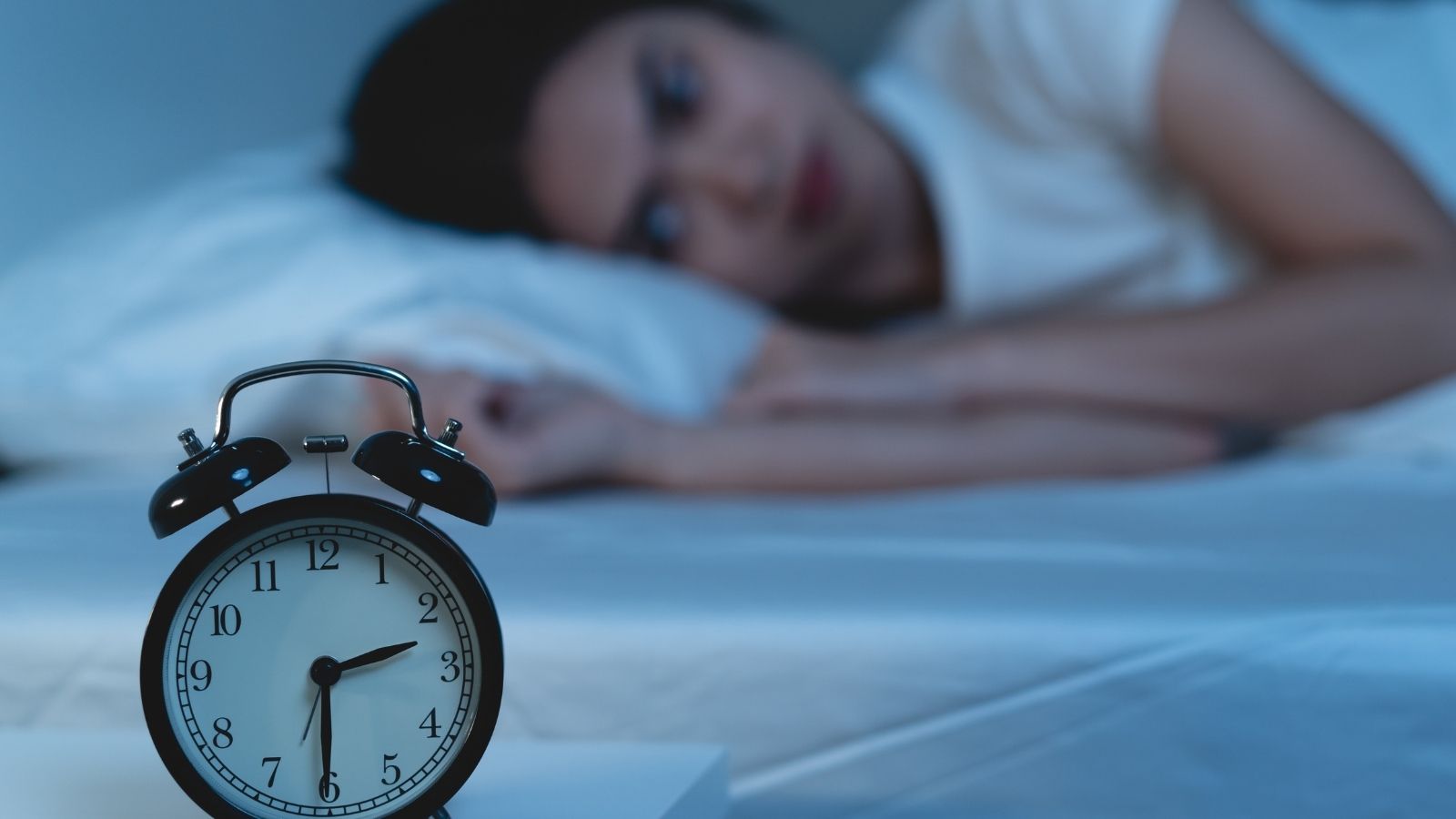
Lack of sleep: Why not getting enough sleep can make you ill
A short night’s sleep soon takes its toll: tiredness, difficulty concentrating and irritability are typical consequences. However, a lack of sleep also affects the heart, metabolism, immune system and hormone balance. If it persists, the risk of various illnesses may increase.
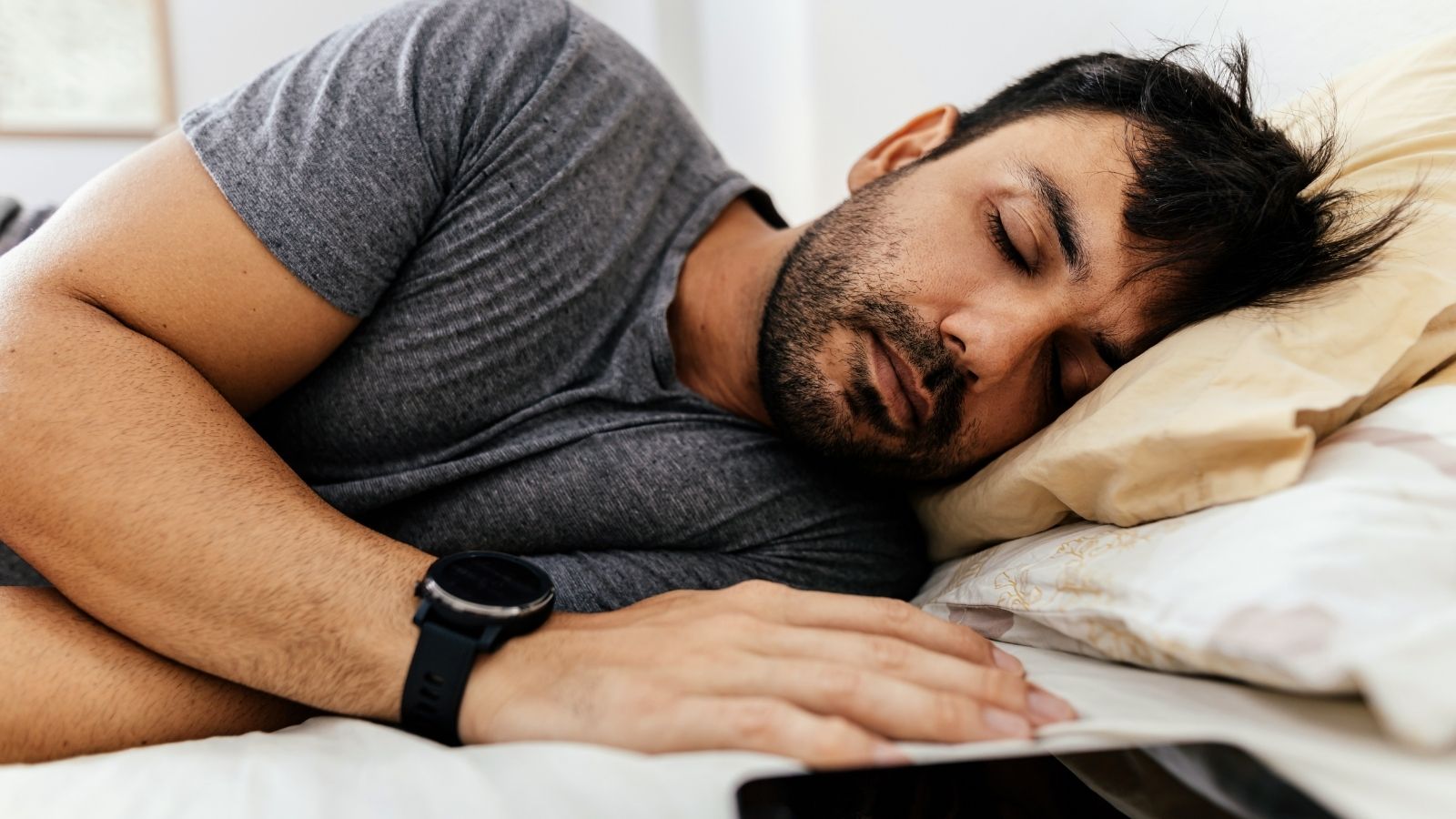
Sleep trackers put to the test: can smartwatches, rings and apps improve sleep?
Sleep trackers are now part of everyday life for many people and promise detailed insights into one’s own sleep.
In this article, you’ll find out how sleep trackers work, which measurements are actually meaningful, what the limitations of these devices are, and for whom sleep tracking might be useful.

Heart health in children: what parents need to be aware of
The foundations for a healthy heart are laid as early as childhood. Whether it’s diet, exercise or recognising warning signs, parents can play a big part in ensuring their child’s heart develops healthily. But what really matters in everyday life? When should potential heart symptoms in children be taken seriously?
Health News
Mouth taping: Does taping your mouth shut whilst sleeping really help?
Mouth taping is said to promote nasal breathing, reduce snoring and improve sleep. The method has become widely known mainly through social media and celebrity advocates. But how well are these effects scientifically proven? And what risks might taping the mouth shut at night entail?

Stress and the heart: How mental strain affects heart health
Stress can have a significant effect on the heart: your pulse rises, your heart beats faster and you may sometimes experience a feeling of pressure in your chest. But why does the heart react this way to psychological stress? Find out what stress triggers in the body, how it affects the heart and when it is advisable to seek medical advice.

Resilience: Coping with crises through inner strength
Resilience describes the ability to cope with difficult periods in life, setbacks and crises without losing one’s emotional balance in the long term. It helps people to deal with stress and regain stability after challenging experiences.
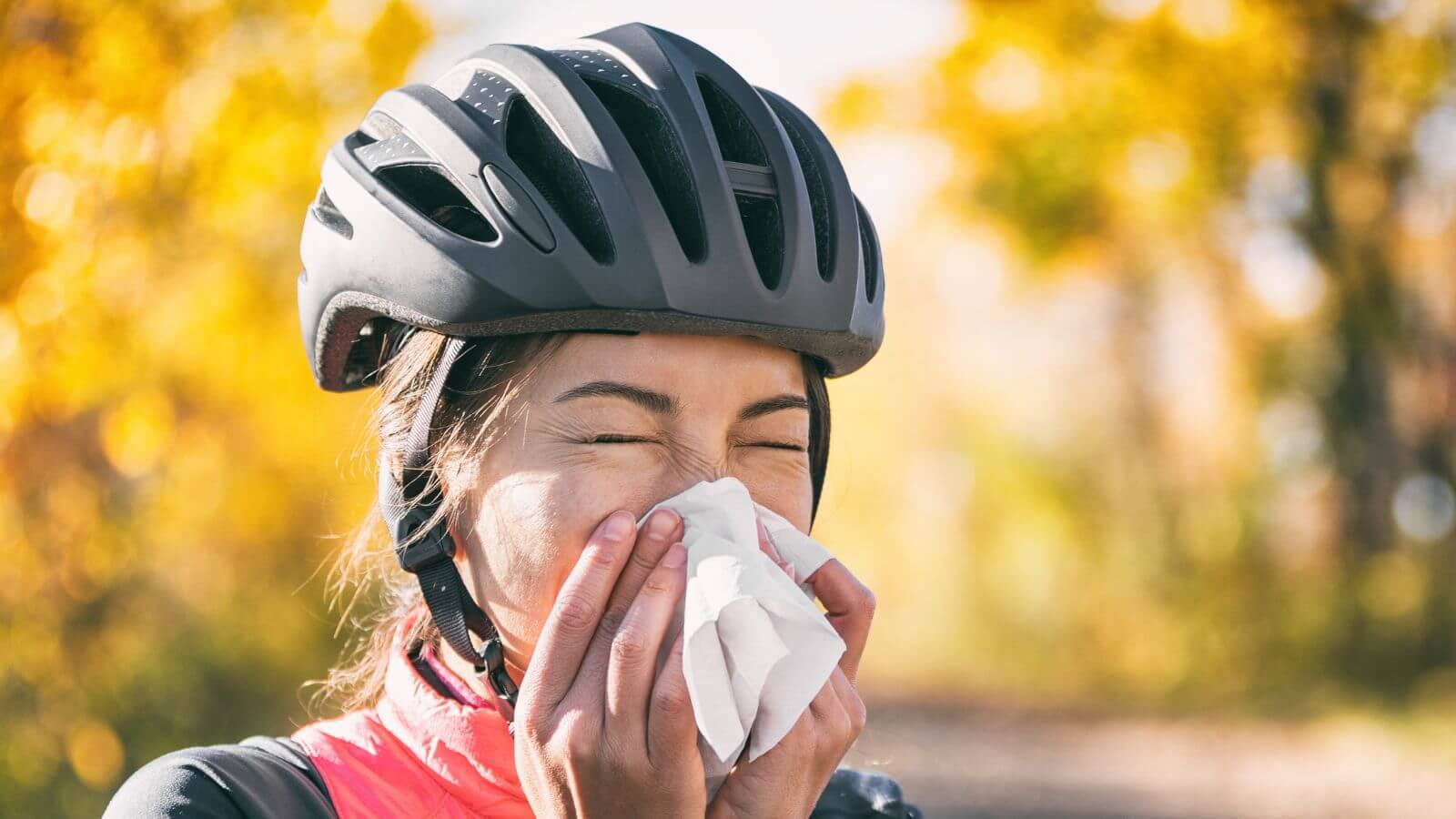
Exercise when you have a cold: when it’s okay and when you should take a break
You’ve got a cold and are wondering whether exercising will help or do more harm than good. There’s no one-size-fits-all answer, as not every cold is the same: a mild sniffle is quite different from an infection that leaves you feeling really unwell.
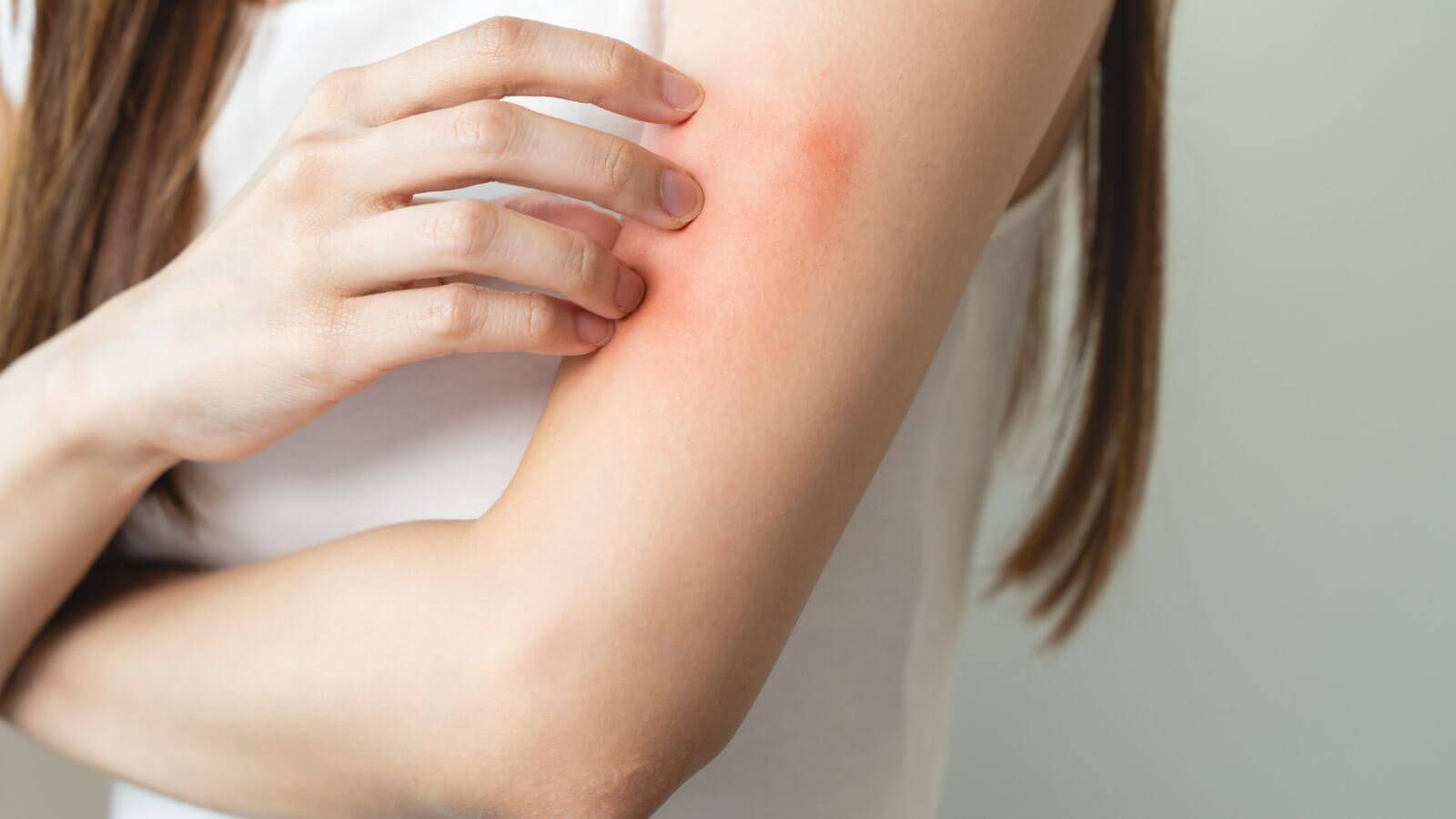
Skin rashes: What causes redness, spots and blisters?
The possible causes of a rash range from allergies and skin conditions to infectious diseases, stress, psychological strain and many more.
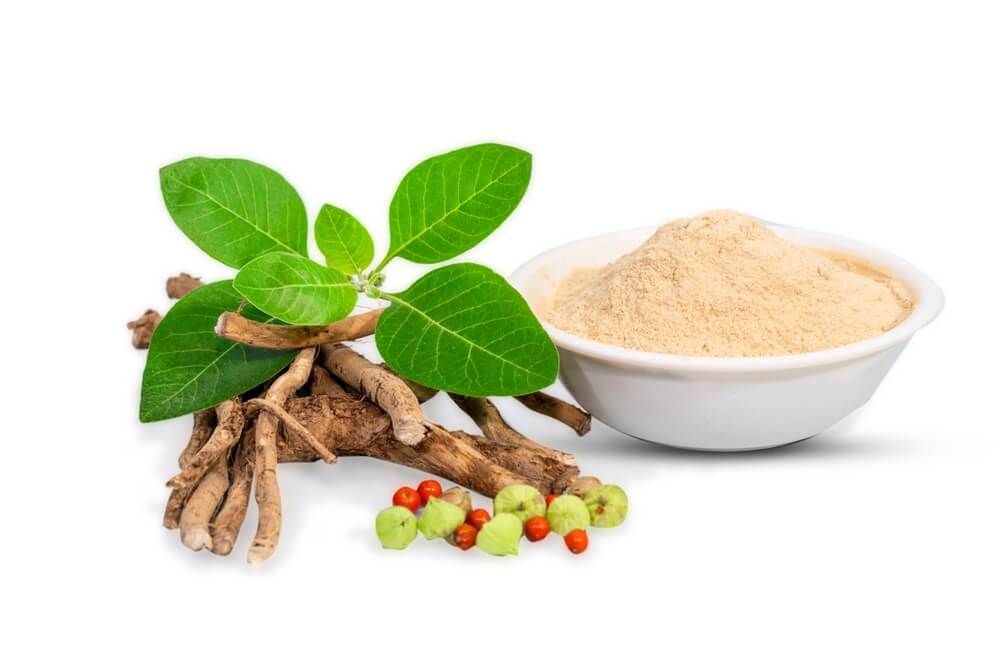
Ashwagandha for sleep, stress and muscle building: benefits, risks and what really
Ashwagandha, a medicinal plant native to India, has long been used in Ayurvedic medicine to promote good health. Today, the ‘sleep berry’ is also used in Europe to treat sleep disorders and stress, to build muscle, and for many other purposes.

Stem cell transplant: Bicarbonate strengthens immune cells
Sodium bicarbonate neutralised the harmful effect of lactic acid on T cells, transforming them into effective fighters against tumour cells.
Science
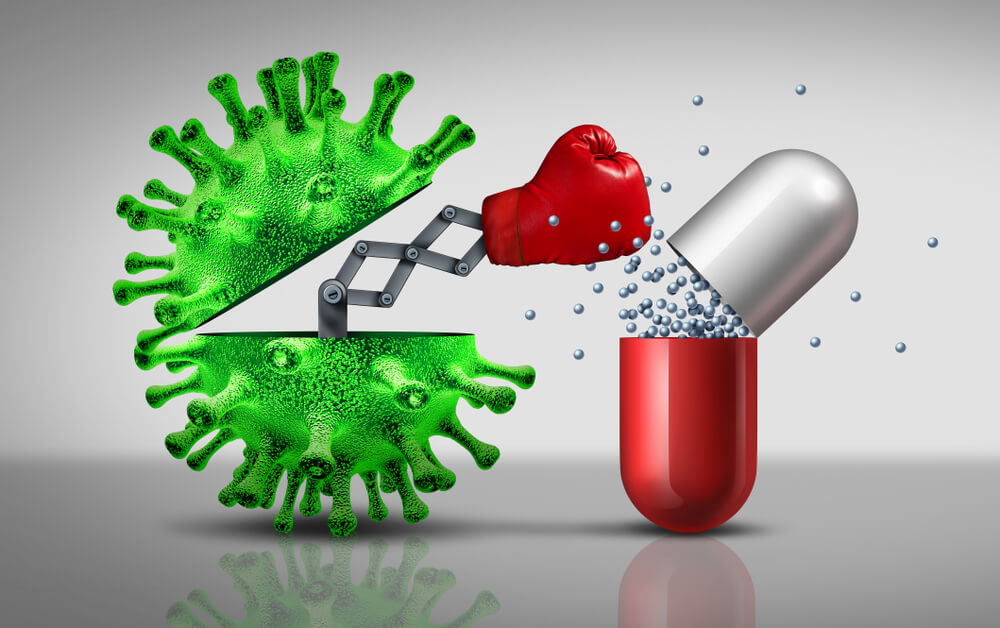
Antibiotic resistance
Antibiotic resistance refers to the development of bacterial resistance to antibiotics. As a result, these medicines can lose their effectiveness, meaning that bacterial infections can no longer be treated effectively.
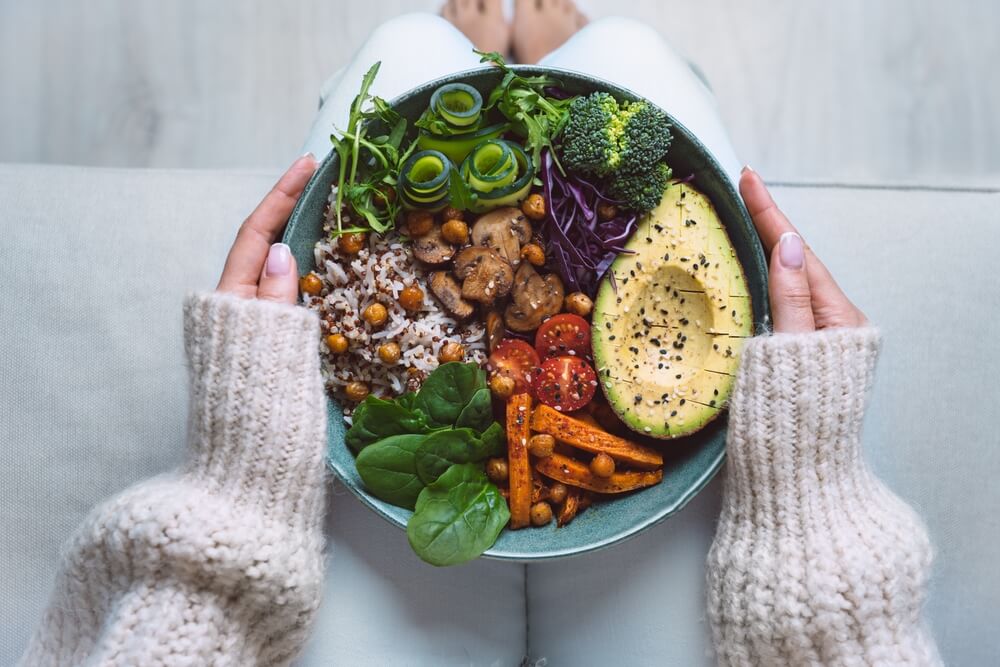
Longevity Nutrition: A healthy diet as the key to a long life
A long, healthy life is no accident. A balanced diet and a healthy lifestyle form the basis for staying active and fit, even in old age.
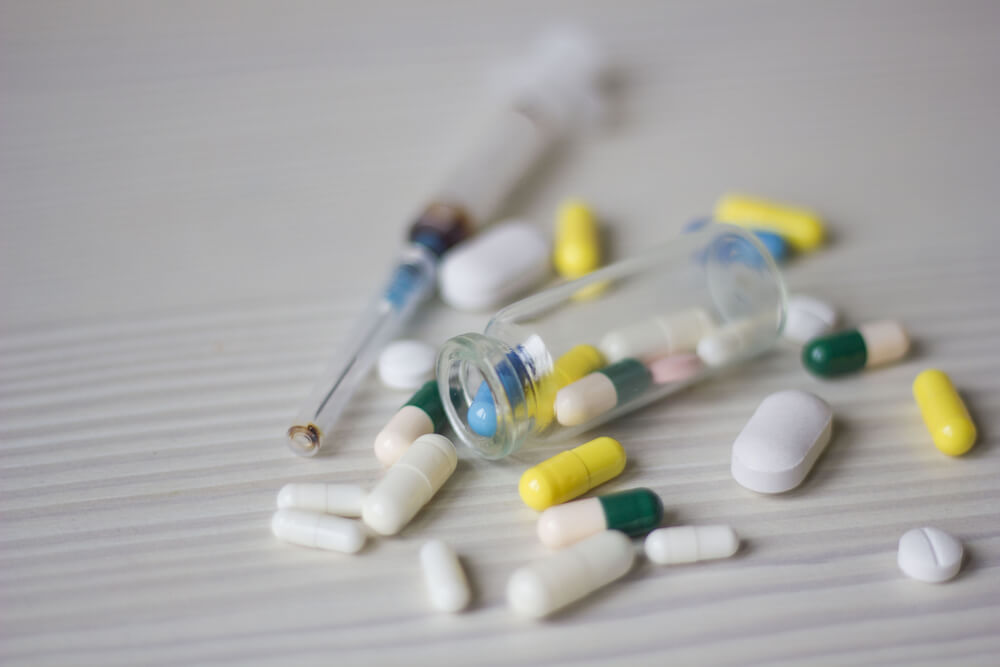
Cortisone: Effects, Uses and Tips
Cortisone-based medicines are highly effective, and their anti-inflammatory, anti-allergic and immunosuppressive effects are widely used in medicine. However, they can also cause side effects. Find out here how cortisone works, when it is used and how you can ensure it is used safely.
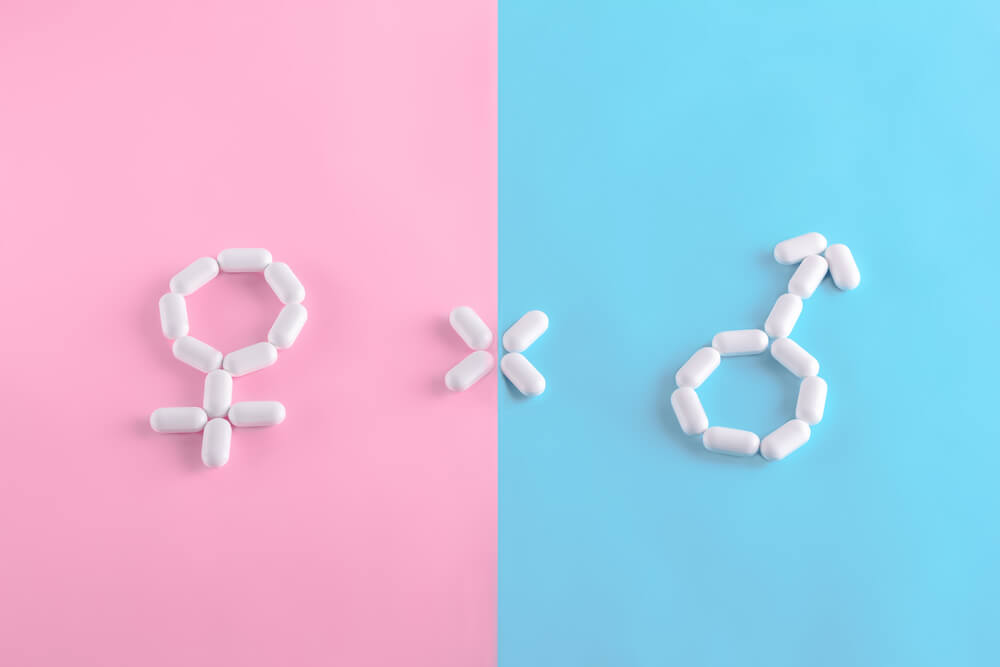
Gender medicine – gender-sensitive medicine
Read here to find out what accounts for the ‘small difference’ between the sexes, how gender medicine addresses this, what the gender health gap is all about, and what challenges the still-emerging field of gender medicine faces.
Life
Mouth taping: Does taping your mouth shut whilst sleeping really help?
Mouth taping is said to promote nasal breathing, reduce snoring and improve sleep. The method has become widely known mainly through social media and celebrity advocates. But how well are these effects scientifically proven? And what risks might taping the mouth shut at night entail?
The gut-brain axis: How the gut affects mental health
Stress affects the stomach, and excitement gives you butterflies in your tummy: the gut and the brain are constantly connected. Find out here how the gut-brain axis works and what role diet, the microbiome and the mind play in this.
Lack of sleep: Why not getting enough sleep can make you ill
A short night’s sleep soon takes its toll: tiredness, difficulty concentrating and irritability are typical consequences. However, a lack of sleep also affects the heart, metabolism, immune system and hormone balance. If it persists, the risk of various illnesses may increase.