Summary
The right diet for hay fever
For some people, certain foods can make hay fever symptoms worse, whilst others can have a positive effect. However, this varies from person to person.
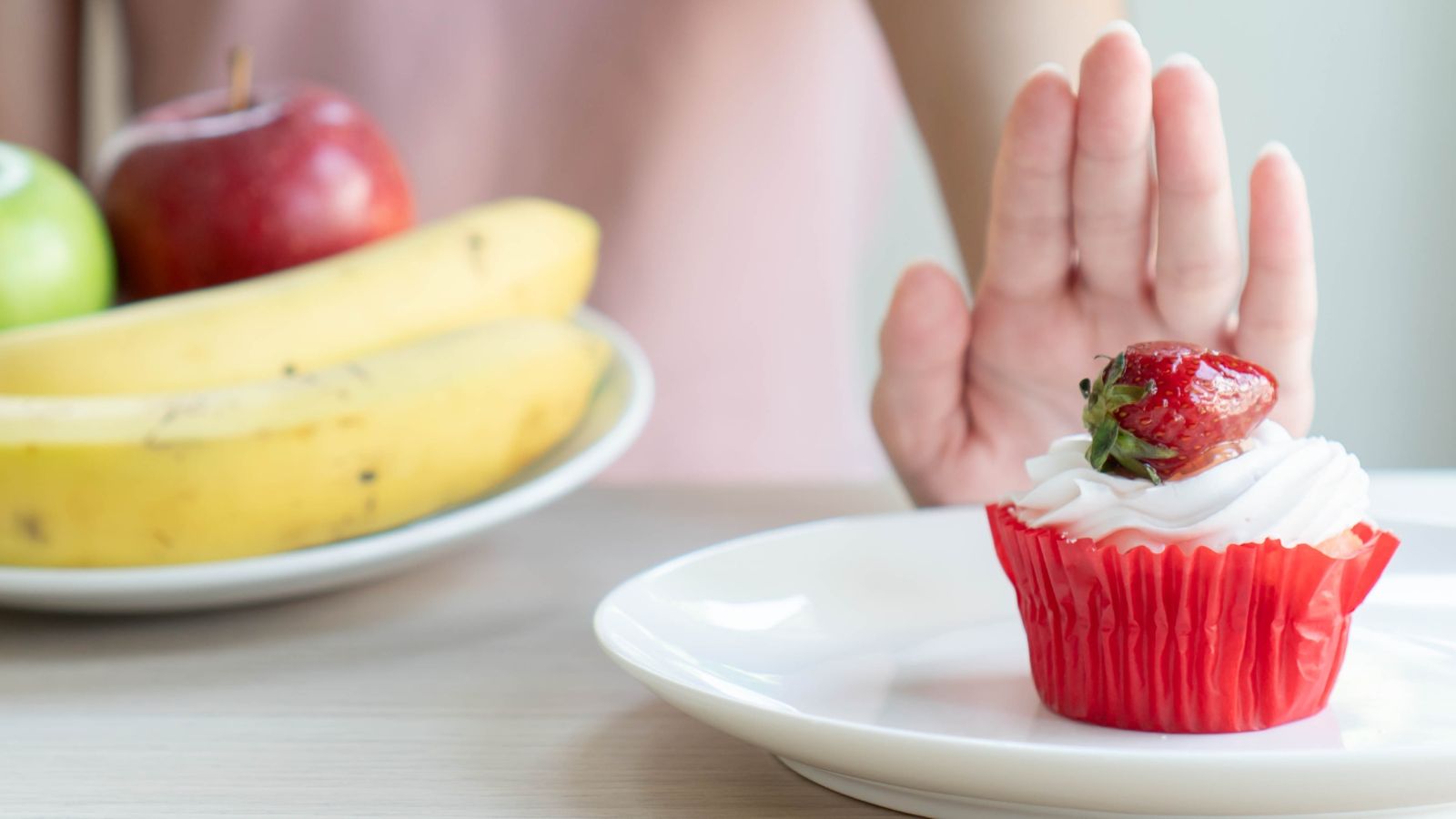
Foods that aggravate hay fever: alcohol, caffeine, dairy products, peanuts, citrus fruits, chocolate, dried fruit
Hay fever remedies: vitamin C, zinc, vitamin D, probiotics, vitamin A
Caution regarding cross-allergies:
- Birch pollen allergy: take care with stone and pome fruit (cherries, plums, etc.), soya, nuts
- Grass pollen allergy: take care with pulses (peanuts, soya), cereals, tomatoes
- Herb pollen allergy: take care with celery, peppers, carrots, tomatoes, artichokes, cucumbers, garlic, camomile and spices
What is hay fever?
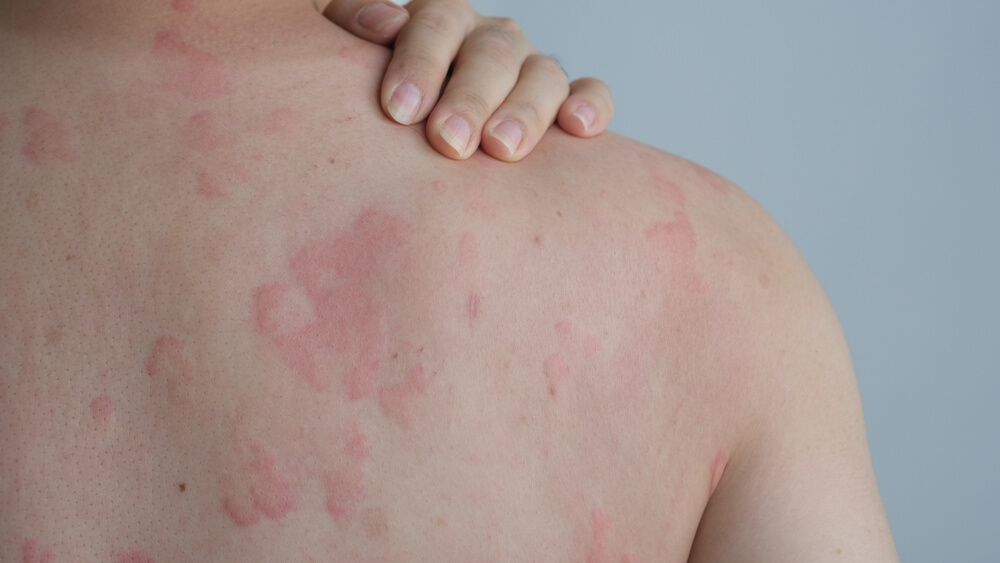
Hay fever is an allergic reaction to pollen. Pollen consists of tiny particles of pollen from trees, shrubs, grasses and cereals. It spreads particularly easily in windy and dry weather. In people with hay fever, pollen triggers cold-like symptoms. These include, for example:
- a runny or blocked nose
- frequent sneezing
- very itchy, watery or burning eyes
In hay fever, the immune system reacts hypersensitively to the proteins in certain types of pollen. It mistakenly classifies these otherwise harmless substances as a threat and produces specific antibodies. These bind to certain immune cells. Upon renewed contact with the pollen, the cells release inflammatory mediators such as histamine. These trigger the typical symptoms.
Who is affected?
Hay fever is one of the most common allergies among adults. Women are affected slightly more often than men. Children and teenagers can also suffer from hay fever. The prevalence of allergies can vary depending on age, gender and the population group studied. 
What is histamine?
Histamine is a messenger substance produced by the body. It plays an important role in allergic reactions and also triggers many of the symptoms of hay fever, such as a runny nose or the urge to sneeze. During an allergic reaction, certain immune cells in the tissue – known as mast cells – release histamine. In hay fever, this primarily contributes to symptoms affecting the nose and eyes. However, histamine is not only produced by the body itself, but is also ingested through certain foods. A diet high in histamine can therefore exacerbate allergy symptoms. Anyone who repeatedly experiences symptoms after eating such foods may wish to try a temporary low-histamine diet to see if it helps. Keeping a food and symptom diary can be helpful. However, there is insufficient scientific evidence to provide general recommendations for hay fever. You do not need to avoid foods that you tolerate well, even during the pollen season.
How is hay fever treated?
Antihistamines and cortisone-based nasal sprays are among the treatments used for hay fever. However, medication does not always provide sufficient relief or may cause side effects such as tiredness, nausea and loss of appetite. Specific immunotherapy, also known as hyposensitisation, can reduce the severity of the allergic reaction in the long term. It also helps to minimise contact with the pollen that triggers the symptoms as much as possible. A personalised diet may be beneficial if you experience additional symptoms caused by food, but it is no substitute for necessary allergy treatment. You can find out more about the treatment of hay fever here.
Which foods can trigger symptoms of hay fever?
There is no general list of foods to avoid for hay fever. Some sufferers react to certain foods due to cross-allergy. Others suspect a link between their symptoms and histamine in food. These causes should be investigated separately. Foods that may contain significant amounts of histamine, depending on how they are produced, matured and stored, include, for example:
- red wine and sparkling wine
- long-matured cheese
- Salami and other matured sausages
- Sauerkraut
- certain tinned fish, such as tuna or mackerel
- Citrus fruits and citrus juices
- dark chocolate
Important: These foods do not necessarily need to be avoided altogether. Whether they trigger symptoms varies from person to person. If you find that certain foods do not agree with you, it may be worth discussing your diet with a doctor or a dietitian.
What diet helps with hay fever?
A balanced, varied diet is also beneficial for hay fever. Vegetables, fruit, wholegrains, nuts, seeds and fish provide important nutrients. It is crucial that you tolerate these foods well, particularly if you have an additional cross-allergy. Some nutrients and certain probiotics may help to alleviate hay fever symptoms as a complementary measure. The extent to which this is effective has been studied to varying degrees. A special diet or dietary supplements are no substitute for necessary allergy treatment. The following ingredients are important in this regard:
Vitamin C
Vitamin C can speed up the breakdown of histamine in the body by boosting the activity of the enzyme diamine oxidase (DAO). It is also an antioxidant, has anti-inflammatory properties and strengthens the immune system. Vitamin C is found not only in citrus fruits, but also in many other types of fruit and vegetables. The following foods are low in histamine but rich in vitamin C:
- Blackcurrants: 189 mg vitamin C per 100 g
- Parsley: 166 mg vitamin C per 100 g
- Peppers: 140 mg vitamin C per 100 g
- Cauliflower: 73 mg vitamin C per 100 g
- Broccoli: 61.1 mg vitamin C per 100 g
- Blueberries: 30 mg vitamin C per 100 g
- Apple: 12 mg vitamin C per 100 g
A study from 2018 showed that people with allergies benefited from an intravenous dose of vitamin C. 
Zinc
The trace element zinc is important for the normal functioning of the immune system and can help the body release less histamine. The following foods are rich in zinc:
- Meat and fish
- Milk and cheese
- Pulses such as lentils and chickpeas
- Nuts and seeds
- Wholemeal products
Oysters and veal liver are particularly rich in zinc. Wholemeal products are also rich in zinc. However, the body finds it harder to absorb zinc from plant-based foods. Combining them with protein-rich foods can improve absorption.
Vitamin D
A vitamin D deficiency can impair the normal functioning of the immune system. Studies also suggest that people with higher levels of vitamin D in their blood sometimes experience fewer or milder allergy symptoms. However, a direct link to hay fever has not yet been conclusively established. Our bodies can produce vitamin D themselves when sunlight hits the skin. However, not everyone produces the same amount of vitamin D. The amount of vitamin D produced depends on various factors. Vitamin D is also found in certain foods. These include, in particular:
- oily sea fish such as salmon, herring and mackerel
- liver
- egg yolks
- certain mushrooms
- foods fortified with vitamin D
A recent review of several studies investigated the effect of vitamin D on allergic rhinitis. Overall, there was evidence of a potential benefit, but the results varied considerably. At present, therefore, there is not yet sufficient evidence to show that vitamin D supplements reliably alleviate hay fever symptoms.
Probiotics
Probiotics contain live microorganisms, such as certain lactic acid bacteria. They can support the gut flora and may also influence the immune system. A number of studies have already investigated whether probiotics can alleviate hay fever symptoms. However, the results to date are inconclusive. Probiotics cannot therefore replace treatment for hay fever. Whether they are appropriate in individual cases can be discussed with a doctor or a dietitian. A study from 2024 examined 106 people with seasonal hay fever. The participants were given either probiotics and prebiotics or a placebo for 90 days. In the probiotics group, nasal symptoms improved slightly more. At the same time, the composition of the gut flora changed. The results are interesting, but are not yet sufficient to recommend probiotics generally as a treatment for hay fever. 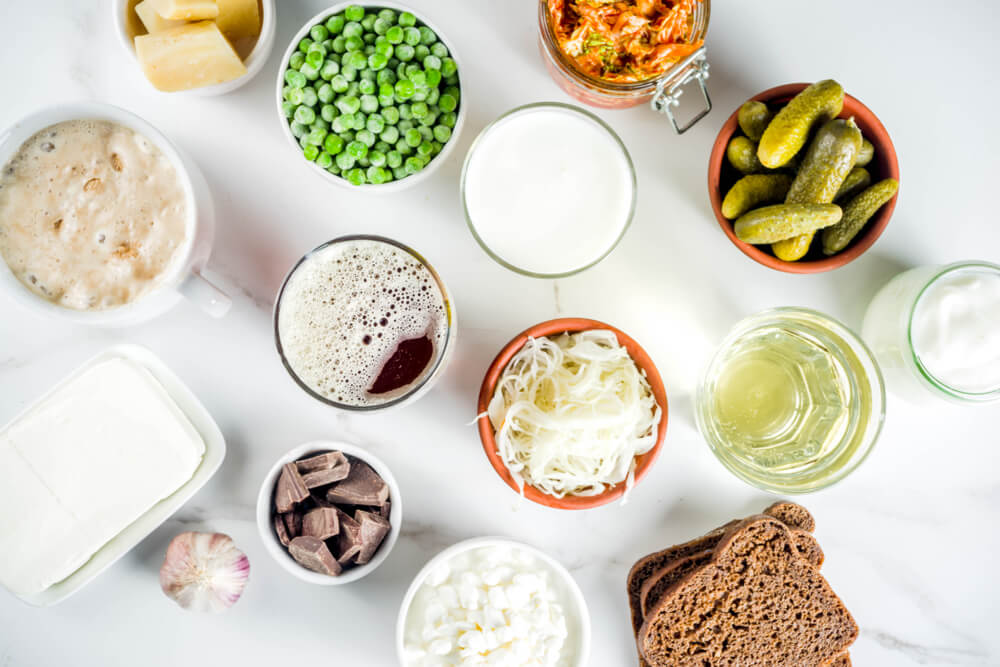
Vitamin A and carotenoids
Vitamin A is important for the normal functioning of the immune system and the maintenance of the mucous membranes. A vitamin A deficiency can impair the body’s defences. At the same time, inflammation can affect vitamin A levels. The body can convert certain carotenoids from plant-based foods into vitamin A. Good sources of carotenoids include, for example:
- carrots
- Sweet potatoes
- Spinach
- Fennel
- red peppers
- Mango
Cross-allergies: When food can also trigger symptoms
Some people with hay fever also have allergic reactions to certain foods. The reason: some proteins in food are similar to the allergy-triggering proteins in pollen. The immune system therefore reacts to both. Experts refer to this as a cross-allergy. Typical symptoms include itching, a tingling sensation or swelling of the lips, mouth or throat after eating. Possible triggers include, for example:
- For birch pollen allergy: apples, cherries, other stone and pome fruits, hazelnuts or soya
- For grass pollen allergy: tomatoes, melons or certain pulses
- In the case of mugwort pollen allergy: celery, carrots and spices such as aniseed, caraway or coriander
Not everyone with hay fever experiences cross-reactivity. Which foods cause symptoms varies from person to person. If a cross-reactivity is suspected, the cause should be investigated by a doctor. This helps to avoid unnecessarily excluding too many foods from the diet.
FAQ
There is a close link between gut flora and the immune system. Research is therefore being carried out to investigate whether the composition of gut flora also influences allergic conditions. Some studies suggest that probiotics may be beneficial for hay fever, but the results vary.
There is currently no clear link between hay fever and an imbalance in the gut flora. A balanced diet generally helps to maintain a diverse gut flora.
There is no general list of foods to avoid for hay fever. However, some people find that certain foods make their symptoms worse. These may include, for example, alcohol. A low-histamine diet is not necessary for everyone with hay fever. Foods should therefore not be permanently avoided as a precaution. If symptoms occur regularly after eating certain foods, it may be advisable to seek medical advice.
Quercetin is a plant-based compound found in apples, onions and various vegetables, amongst other things. Due to its potential anti-inflammatory effects, research is being carried out to determine whether quercetin can help with allergies.
Small studies suggest that certain quercetin supplements may alleviate specific symptoms. However, the evidence available to date is not sufficient to support a general recommendation. Quercetin supplements should therefore not be used as a substitute for established treatment.
Rinsing your nose with a saline solution can help to remove pollen and mucus from the nose and relieve symptoms. Washing your hair regularly and having a shower after spending time outdoors can also reduce pollen exposure. When rinsing the nose, a suitable saline solution and water that meets hygiene standards should be used. Home remedies can help relieve symptoms, but they are no substitute for appropriate treatment in cases of more severe symptoms
Black cumin oil may help relieve symptoms such as sneezing, a runny nose or a blocked nose. This is suggested by small-scale studies involving people with allergic rhinitis. However, the studies differ in terms of the preparations used and their quality. It is therefore not yet sufficiently clear whether commercially available black cumin oil is reliably effective and what dosage would be appropriate. It may, at best, be considered as a complementary treatment and is no substitute for established allergy treatment.


Vollbracht C et al.: Intravenous vitamin C in the treatment of allergies: an interim subgroup analysis of a long-term observational study, J Intern Med Res 2018;
Dewi Am et al.: The effect of zinc supplementation on the improvement of clinical symptoms and the quality of life of patients with persistent moderate-to-severe allergic rhinitis, Front Pharmakol 2018; https://www.frontiersin.org/10.3389/conf.fphar.2018.63.00084/event_abstract
Alnori H et al.: Vitamin D and Immunoglobulin E levels in patients with allergic rhinitis compared with healthy individuals, J Med Life 2020;
https://www.allergieinformationsdienst.de/krankheitsbilder/heuschnupfen/behandlung
Rosenkranz RR et al.: Dietary factors associated with a lifetime diagnosis of asthma or hay fever in middle-aged and older adults in Australia: a cross-sectional study; Nutrition Journal 2012; https://www.ncbi.nlm.nih.gov/pmc/articles/PMC3544658/
Andrianasolo RM et al.: Associations between dietary scores and asthma symptoms and asthma control in adults, European Respiratory Journal 2018; https://erj.ersjournals.com/content/52/1/1702572
Gesundheit.gv.at. Pollen allergy. https://www.gesundheit.gv.at/krankheiten/allergie/Pollenallergie.html [Accessed October 2026]
Kawada, K., Sato, C., Ishida, T., Nagao, Y., Yamamoto, T., Jobu, K., Hamada, Y., Izawa Ishizawa, Y., Ishizawa, K., & Abe, S. (2025). Vitamin D Supplementation and Allergic Rhinitis: A Systematic Review and Meta-Analysis. Medicina (Kaunas, Lithuania), 61(2), 355. https://doi.org/10.3390/medicina61020355 [Accessed October 2026]
Hou Y, Wang D, Zhou S, Huo C, Chen H, Li F, Ding M, Li H, Zhao H, He J, Da H, Ma Y, Qiang Z, Chen X, Bai C, Cui J, Gao N and Liu Y (2024) Probiotics combined with prebiotics alleviated seasonal allergic rhinitis by altering the composition and metabolic function of the gut microbiota: a prospective, randomised, double-blind, placebo-controlled clinical trial. Front. Immunol. 15:1439830. https://doi.org/10.3389/fimmu.2024.1439830 [Accessed October 2026]
The Foods that make your Hay Fever worse, London Allergy and Immunology Centre, https://www.allergycliniclondon.co.uk/the-foods-that-may-make-your-hay-fever-worse/, accessed March 2022