
Heart attack
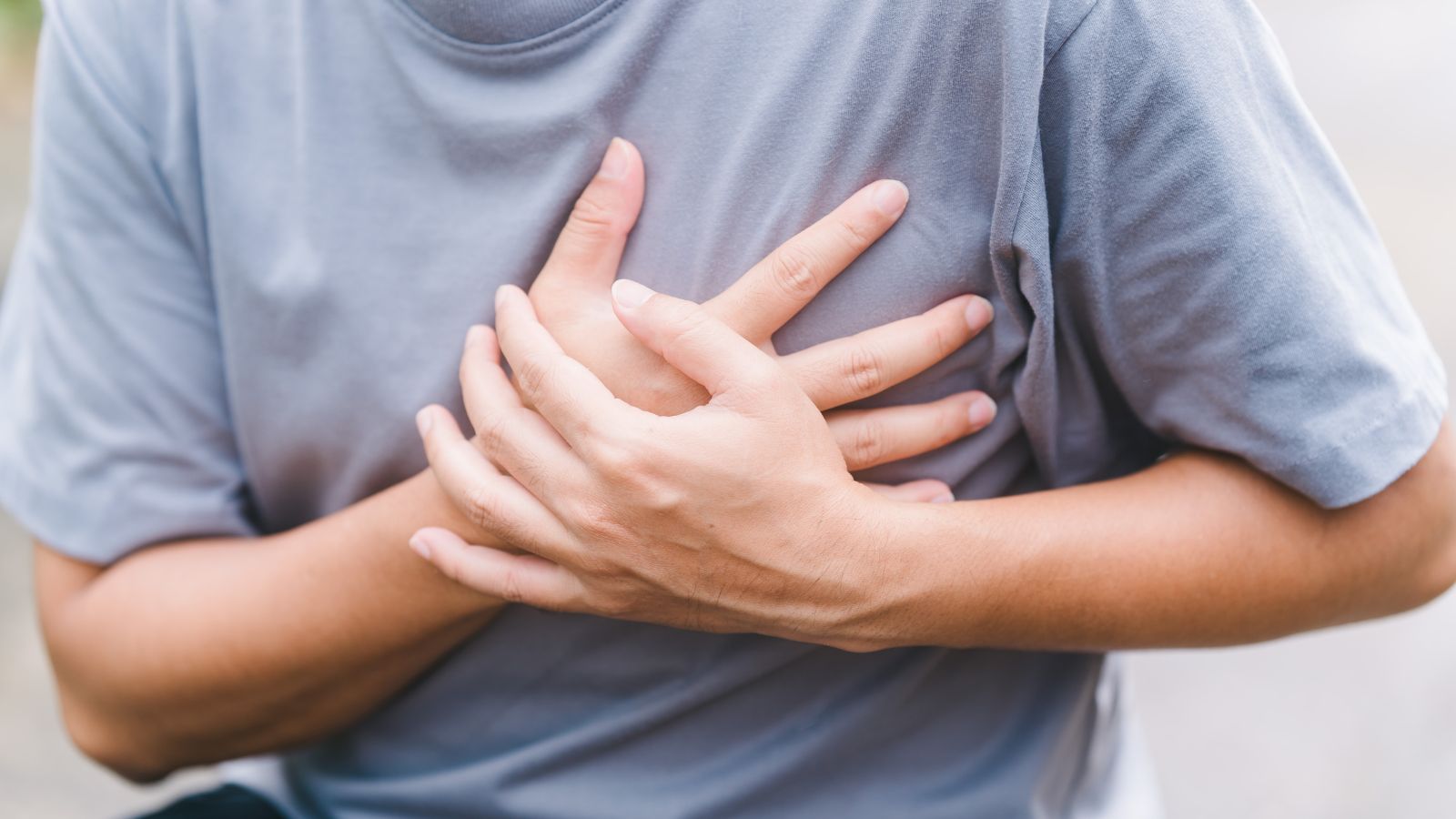
Heart attack – recognising the signs early and taking preventative measures
A heart attack usually occurs when a coronary artery becomes blocked, meaning that parts of the heart muscle are no longer supplied with enough oxygen. Without prompt treatment, a heart attack can be life-threatening and may even prove fatal. This makes it a medical emergency. This makes it all the more important to recognise the signs of a heart attack and to act quickly in an emergency. In this article, you will learn how to recognise a heart attack, how it is treated and what you can do to prevent one.

Heart attacks in women
In women, the symptoms of a heart attack usually present differently to those in men. As a result, the danger is often not recognised in time. Find out here which early warning signs you should look out for.

Shock – a medical emergency
Shock is a severe circulatory disorder in which the body is no longer supplied with sufficient blood and oxygen. This results in all organs being deprived of blood and oxygen, and ultimately leads to metabolic failure. Shock is a life-threatening condition and, if left untreated, leads to death within a very short time.