Summary
Stress and heart health
Can stress cause heart problems? Yes. Stress activates the autonomic nervous system and can therefore trigger palpitations, a racing heart, a stronger heartbeat or a feeling of pressure in the chest. These reactions are often a normal physical response to stress.
Are heart palpitations caused by stress dangerous? In most cases, no. Stress-related heart palpitations are caused by the body’s heightened arousal and usually subside once the stress subsides. If symptoms are new, very severe or occur independently of stress, they should be investigated by a doctor.
Can stress trigger a heart attack? Stress is not usually the sole cause of a heart attack. However, severe or prolonged stress can place additional strain on the cardiovascular system and, in the presence of existing risk factors, increase the risk of a heart attack.
Why does your pulse rise when you’re stressed? When you’re stressed, the body activates the sympathetic nervous system. This part of the nervous system ensures that the heart beats faster and more forcefully, so that the body is prepared for the stress.
When should you seek medical advice for heart-related symptoms? It is advisable to seek medical advice if you experience persistent symptoms, chest pain accompanied by a feeling of pressure or radiating pain, fainting, severe dizziness or new symptoms with no apparent cause.
What happens in the body when we are under stress?
When under stress, the body activates its biological alarm system. This ensures that energy is made available quickly and that the body can respond to a potential threat. The response begins in the brain and is transmitted via the central nervous system. A situation is assessed as stressful and leads to the activation of the autonomic nervous system. The sympathetic nervous system takes control. This is the part of the nervous system that puts the body into an active state in response to stress or danger. Among other things, it increases the heart rate, raises blood pressure and releases energy.
In addition, stress hormones such as adrenaline and noradrenaline are released. The result: the heart beats faster and more forcefully, breathing quickens and the body makes more energy available. At the same time, less important functions such as digestion are temporarily scaled back.
This reaction is fundamentally beneficial. It helps the body to perform at its best in a short space of time. It only becomes problematic when this state of alert persists over the long term and there is no opportunity for recovery. You can read more about stress here.
Why is stress bad for the heart?
Short-term stress is not, in itself, a bad thing. The stress response helps the body to quickly mobilise energy and remain functional in stressful situations. Stress becomes a problem particularly when it occurs frequently or persists over a long period.
In the case of chronic stress, the stress response system is repeatedly activated. As a result, the body can remain in a state of heightened alert for longer periods. The resting heart rate may rise slightly, and blood pressure can also be adversely affected in the long term. In addition, heart rate variability may decrease. This measures how flexibly the heartbeat can adapt to different situations. Lower variability may indicate that the autonomic nervous system is under greater strain.
In the long term, chronic stress can thus contribute to physical and mental exhaustion, particularly where additional risk factors such as lack of sleep, lack of exercise or unhealthy lifestyle habits are present.
Studies have described a link between prolonged stress and an increased risk of cardiovascular disease, although stress usually represents an additional factor rather than the sole cause.
How is the heart connected to the mind?
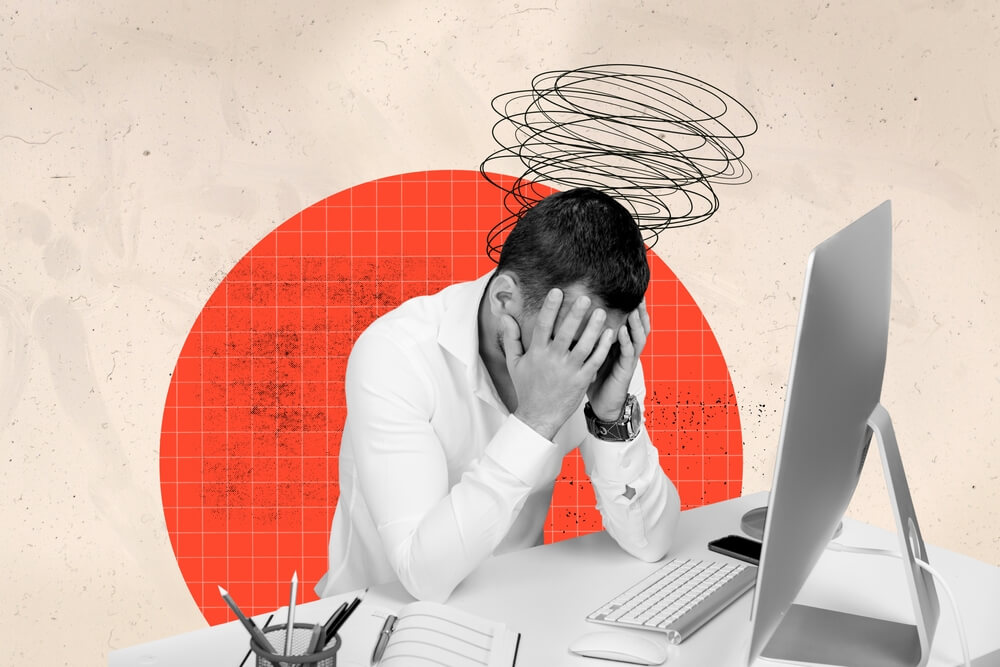
The heart and the mind are more closely linked than many people realise. Emotions such as stress, anxiety or excitement can directly influence how fast and strongly the heart beats. The reason for this is the autonomic nervous system. It connects the brain to many bodily functions and controls, amongst other things, the heartbeat, blood pressure and breathing. During psychological stress, the body is activated even when no physical exertion is taking place.
At the same time, the body’s signals also influence our perception. A rapid pulse, changes in breathing or a heartbeat that is strongly felt can be interpreted by the brain as a warning signal and further intensify the tension.
The connection between the heart and the mind therefore works both ways: emotions can trigger physical reactions, and physical changes can in turn influence our emotions.
Why does the pulse rate increase during psychological stress?
When we experience stress, anxiety or intense excitement, the body reacts in a similar way to when we are physically exerting ourselves. The brain interprets the situation as a stressor and activates the sympathetic nervous system. This part of the autonomic nervous system puts the body into an active state. It ensures that the heart beats faster and more forcefully so that muscles and organs are better supplied with blood and oxygen.
It makes no difference whether the stress is caused by exercise or is simply triggered by thoughts, worries or an emotional situation. For the body, the stress response is the same. That is why your pulse can rise even when you are sitting quietly. The body is preparing for a challenge, even though no physical activity is taking place.
Can stress permanently increase the pulse?
Acute stress causes the pulse to rise briefly. The body is activated, the heart beats faster and the circulatory system adjusts to increased demand. As soon as the stress is over, the pulse usually returns to normal.
The situation may be different with chronic stress. If the body is repeatedly put on high alert over a prolonged period, the individual’s resting heart rate may shift upwards. At the same time, heart rate variability may change. This indicates how flexibly the heartbeat can adapt to different situations. Lower variability may indicate that the nervous system is under greater strain.
However, an elevated resting heart rate does not automatically mean you have heart disease. It may be a sign that the body has been lacking rest for a prolonged period, particularly if combined with a lack of sleep or ongoing stress.
Can stress trigger cardiac arrhythmias?
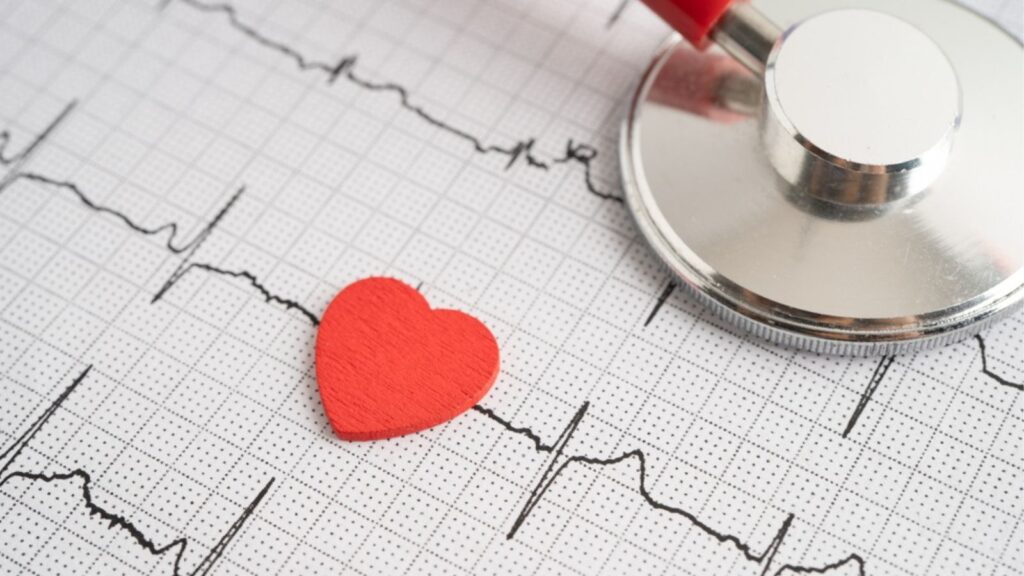
Stress can cause the heartbeat to feel unusually strong or irregular. This is often due to what are known as extrasystoles. These are extra heartbeats that can occur even in healthy people.
Activation of the sympathetic nervous system increases the excitability of the cardiovascular system. This can make individual heartbeats more noticeable or create the sensation that the heart is ‘skipping a beat’. In most cases, such stress-related sensations are harmless. However, it is advisable to seek medical advice if heart palpitations are a new occurrence, happen very frequently, or are accompanied by symptoms such as dizziness, chest pain or fainting.
Can stress cause long-term damage to the heart?
Stress does not automatically put a strain on the heart. A short-term stress response is a normal adaptation by the body and helps you to remain productive in stressful situations. It is mainly prolonged stress that can become problematic. If there are no periods of rest, the repeated activation of the stress response system can affect, amongst other things, blood pressure, sleep, inflammatory processes and lifestyle habits. This can give rise to factors that put a long-term strain on heart health.
In rare cases, severe acute stress can also trigger heart problems. One example is broken-heart syndrome (Takotsubo syndrome), in which an extremely stressful situation can lead to a temporary impairment of heart function.
However, stress is not usually the sole cause of heart disease. The interplay of various factors – such as blood pressure, exercise, sleep, diet and genetic predisposition – is crucial.
What is broken-heart syndrome?
Broken-heart syndrome is a sudden dysfunction of the heart muscle that often occurs following severe emotional or physical distress. This can include, for example, the loss of a loved one, a major shock or a serious physical illness.
Medically, broken-heart syndrome is also known as Takotsubo syndrome. It causes a temporary weakening of the heart muscle’s function. The symptoms can resemble those of a heart attack, such as chest pain, shortness of breath or a feeling of pressure in the chest.
The difference from a heart attack is that, in broken-heart syndrome, the coronary arteries are not usually blocked by plaque. It is thought that a significant release of stress hormones, such as adrenaline, plays an important role in its development.
Unlike other heart muscle conditions, most people affected make a full recovery within a few weeks. Nevertheless, sudden onset of chest pain or breathlessness should always be investigated by a doctor, as the symptoms cannot be reliably distinguished from those of a heart attack.
How smartwatches measure stress and why the readings should be interpreted with caution
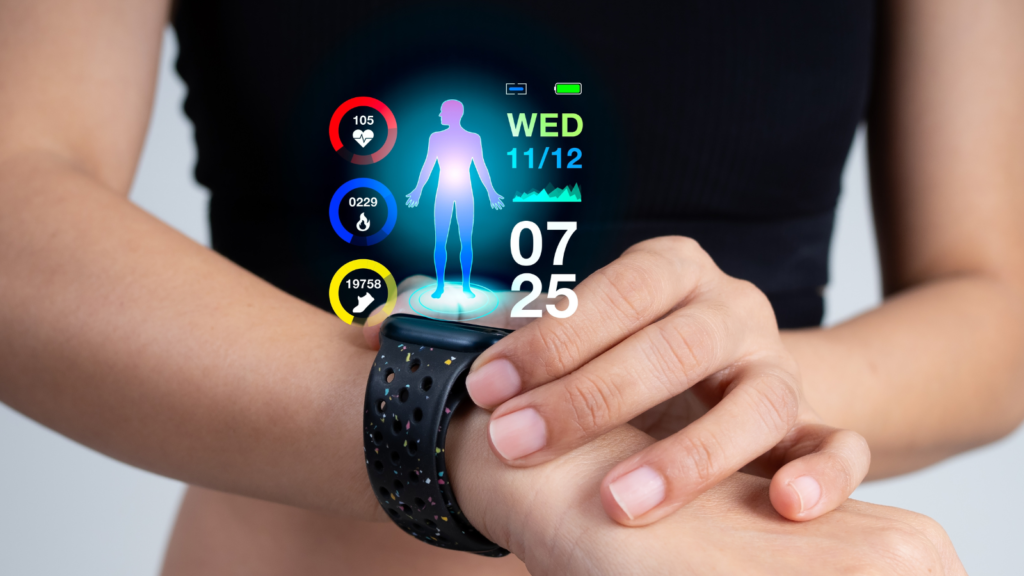
Smartwatches cannot measure stress directly. Instead, they record physical signals such as heart rate, heart rate variability and movement, and use these to calculate a possible stress level. The problem is that these readings can have many causes. A rapid pulse is not only caused by psychological stress, but also by exercise, caffeine, lack of sleep or other physical changes.
Heart rate variability, too, merely provides an indication of how the autonomic nervous system is regulated. It is influenced by many factors and does not automatically reflect how stressed a person actually feels.
The stress score displayed is therefore not a direct measurement of stress, but a technical assessment based on physiological data. Smartwatches can highlight changes, but they cannot determine whether the cause is actually psychological stress.
Studies show that the stress levels calculated by smartwatches correspond only to a limited extent with the stress actually experienced. The measurements primarily reveal physical changes that may be linked to increased activation of the nervous system. They can provide clues, but they do not replace one’s own perception or medical assessment.
When are stress-related heart symptoms harmless?
Heart palpitations, a rapid pulse or a feeling of tightness in the chest are often a normal bodily reaction to increased tension. A stress-related reaction is often present when the symptoms occur in a clearly stressful situation and disappear again as soon as the stress subsides. A fluctuating course of symptoms, with symptom-free periods, also frequently suggests a stress-related reaction.
However, it is not only the trigger that is important, but also the overall picture. If symptoms occur for no apparent reason, persist or are accompanied by warning signs, a medical assessment should be carried out.
When should stress symptoms be investigated by a doctor?
A medical assessment is advisable if heart-related symptoms occur without a clear stress trigger or cannot be clearly categorised. Symptoms that persist at rest or do not subside over a prolonged period are particularly relevant.
Warning signs that should be investigated by a doctor:
- Chest pain accompanied by a feeling of pressure or radiating pain
- persistent or sudden severe palpitations
- severe dizziness or light-headedness
- brief loss of consciousness or circulatory collapse
- newly occurring or worsening symptoms with no apparent cause
- significant reduction in physical capacity
- recurring symptoms at night or whilst at rest
In cases of known cardiovascular disease or additional risk factors, the threshold for further investigation should be lower. An examination can help to distinguish stress-related reactions from other causes and provides certainty when assessing the symptoms.
How can you protect your heart from stress?
Stress cannot be completely avoided in everyday life. It is therefore not a question of eliminating every source of stress, but of giving the body sufficient time to recover. The autonomic nervous system plays an important role in this. Whilst the sympathetic nervous system activates the body in response to stress, the parasympathetic nervous system promotes rest and recovery. A healthy balance between tension and relaxation supports the natural regulation of heart rate and blood pressure.
Getting enough sleep is particularly important here. A lack of sleep can make the body more prone to entering a state of alarm and cause stress responses to be more intense. Regular sleep patterns help the nervous system to regain its balance.
Exercise also protects the heart from the effects of stress. Regular physical activity improves the cardiovascular system’s ability to adapt and helps the body break down stress hormones more effectively. Steady-state endurance activities in particular, such as cycling, swimming or brisk walking, can have a positive effect on stress regulation.
Social contact and deliberate periods of rest are equally important. Conversations, shared activities and regular breaks can help regulate the body’s stress response.
In addition, breathing exercises can help to bring the body out of a state of tension. Slow, controlled breathing influences the autonomic nervous system and can help to calm the heart rate and relieve internal tension.
In the long term, balance is key: periods of stress are a natural part of life, but the body also needs regular rest. This ability to regenerate is an important protective factor for the heart and circulatory system.

FAQ
Yes. Stress can cause a feeling of pressure or tightness in the chest. Reasons for this include increased muscle tension, changes in breathing and the activation of the autonomic nervous system.
Such symptoms can feel very real and be worrying, but they do not necessarily mean that you have a heart condition. However, any new, severe or persistent chest pain should always be investigated by a doctor, particularly if it is accompanied by shortness of breath or dizziness, or if the pain radiates.
Yes. Stress can cause the heart to beat faster and more forcefully. This is caused by the activation of the autonomic nervous system. The sympathetic nervous system puts the body into an active state and increases cardiac output so that the body can respond to a stressor.
It does not matter whether the stress is caused by physical exertion or by worries, anxiety or excitement. Even thoughts can trigger a physical stress response.
In most cases, stress-related palpitations are a normal bodily reaction. Many people feel their heartbeat much more strongly in stressful situations, even though their heart is healthy.
However, it is advisable to seek medical advice if palpitations occur for the first time, happen very frequently, persist for a long time or occur independently of stressful situations. Additional symptoms such as chest pain, shortness of breath, dizziness or fainting should also be investigated by a doctor.
Anxiety can trigger very distinct physical reactions. These include palpitations, chest tightness, rapid breathing or a feeling of constriction. These symptoms are usually caused by the body’s stress response and do not necessarily indicate heart disease. Nevertheless, any new or unusually severe symptoms should be investigated by a doctor, particularly if they are not clearly linked to a situation causing anxiety.
It is often not possible to make a definitive distinction based on the symptoms alone. One indication of a stress-related reaction is when symptoms occur in stressful situations and disappear again as soon as the tension eases.
A medical assessment is particularly important in cases of persistent symptoms at rest, chest pain accompanied by a feeling of pressure or radiating pain, fainting, severe dizziness or new symptoms with no apparent cause. An examination helps to distinguish between harmless stress reactions and possible cardiovascular diseases, and provides peace of mind.


https://www.gesundheit.gv.at/leben/stress/was-ist-das.html, accessed June 2026
https://gesund.bund.de/stress, accessed June 2026
https://herzstiftung.de/ihre-herzgesundheit/gesund-bleiben/psyche-und-stress, accessed June 2026
https://herzstiftung.de/ihre-herzgesundheit/gesund-bleiben/psyche-und-stress/vagusnverv-stess, accessed June 2026
https://www.internisten-im-netz.de/fachgebiete/psyche-koerper/herz-psyche.html, accessed June 2026
https://swissheart.ch/wissen-und-support/dossiers/zu-viel-stress-schl%C3%A4gt-aufs-herz, accessed June 2026
https://dgk.org/daten/PM_Stressbedingter_Herzinfarkt.pdf, accessed June 2026
https://www.derstandard.at/story/3000000283151/studie-die-stressmessungen-von-smartwatches-sind-voellig-nutzlos, accessed June 2026
https://futurezone.at/science/studie-smartwatches-stresslevel-schlafqualitaet-universitaet-leiden-psychologie/403070445, accessed June 2026
https://www.psychotherapie-blokesch.at/2026/03/29/k%C3%B6rperliche-symptome-durch-stress-wenn-die-psyche-den-k%C3%B6rper-belastet/#medical-assessment, accessed June 2026
https://www.yalemedicine.org/news/stress-affects-your-heart, accessed June 2026
https://www.ratgeber-herzinsuffizienz.de/herzinsuffizienz/ursachen-risikofaktoren/broken-heart-syndrom, accessed June 2026
https://gesund.bund.de/broken-heart-syndrom, accessed June 2026
https://www.dhzc.charite.de/ratgeber/herzrhythmusstoerung/, accessed June 2026