
Skin and sexually transmitted diseases
Dermatologists are the experts in the diagnosis, treatment and prevention of skin and sexually transmitted diseases. Their field of expertise covers a wide range of areas, including the prevention, aftercare and rehabilitation of conditions affecting the skin, the mucous membranes and skin appendages such as nails, glands and hair. They specialise in treating both acute and chronic skin conditions, including eczema, psoriasis and acne; they carry out skin cancer screening; and they address aesthetic concerns such as wrinkle reduction and scar correction. They are also responsible for treating sexually transmitted infections, such as syphilis.

Genital warts – How do they develop and what can be done about them?
Genital warts are benign skin growths in the genital area. They are caused by infection with the human papillomavirus (HPV) and are among the most common sexually transmitted infections worldwide.

Collagen: Effects, intake and risks – what are the real benefits for the skin and joints?
Collagen is said to promote firm skin, healthy hair, strong nails and pain-free joints – at least according to the marketing claims of many collagen supplements. But what can this structural protein actually do, and what is just marketing?

Skin rashes: What causes redness, spots and blisters?
The possible causes of a rash range from allergies and skin conditions to infectious diseases, stress, psychological strain and many more.

Hives (urticaria): triggers, symptoms and treatment
Hives (urticaria) are one of the most common skin conditions. They can occur at any age, in children as well as in adults. They are typically characterised by sudden-onset, itchy welts on the skin.

Treatments for allergies
Allergies are among the most common chronic health problems, and their prevalence is steadily increasing. Avoiding allergens plays a key role in their treatment, but there are also medicines to relieve the symptoms, as well as options such as desensitisation and complementary medicine approaches.
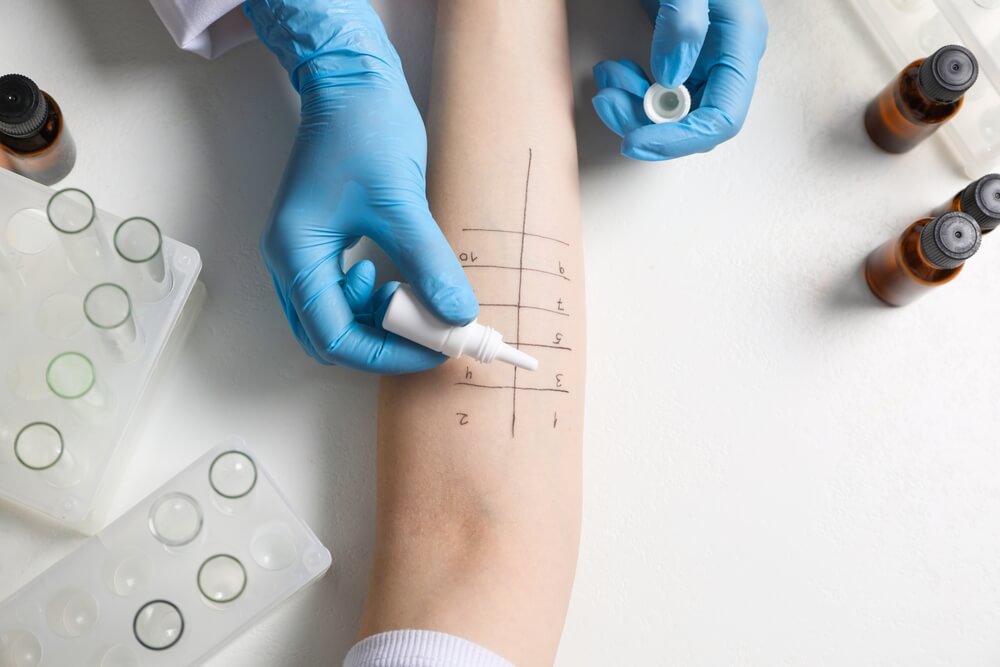
Allergy tests
Allergy tests are various testing methods used to confirm an allergy diagnosis. They are important for ensuring that treatment can be started in good time, as allergies can progress and lead to increasingly severe symptoms.