
Department

Mouth taping: Does taping your mouth shut whilst sleeping really help?
Mouth taping is said to promote nasal breathing, reduce snoring and improve sleep. The method has become widely known mainly through social media and celebrity advocates. But how well are these effects scientifically proven? And what risks might taping the mouth shut at night entail?

High blood pressure – definition, symptoms, diagnosis and treatment
In Austria, as in many other industrialised countries, high blood pressure is considered a widespread condition; according to estimates, around a quarter of all adults in this country are affected.

The gut-brain axis: How the gut affects mental health
Stress affects the stomach, and excitement gives you butterflies in your tummy: the gut and the brain are constantly connected. Find out here how the gut-brain axis works and what role diet, the microbiome and the mind play in this.

Silent inflammation in the body: symptoms, causes and treatment
Silent inflammation does not cause pain and does not manifest itself through redness or soreness. That is why it often goes unnoticed. In this article, you will find out what role diet, stress and lifestyle play in this, and what you can do yourself to prevent chronic inflammation.

Lack of sleep: Why not getting enough sleep can make you ill
A short night’s sleep soon takes its toll: tiredness, difficulty concentrating and irritability are typical consequences. However, a lack of sleep also affects the heart, metabolism, immune system and hormone balance. If it persists, the risk of various illnesses may increase.

Sleep trackers put to the test: can smartwatches, rings and apps improve sleep?
Sleep trackers are now part of everyday life for many people and promise detailed insights into one’s own sleep.
In this article, you’ll find out how sleep trackers work, which measurements are actually meaningful, what the limitations of these devices are, and for whom sleep tracking might be useful.

Heart health in children: what parents need to be aware of
The foundations for a healthy heart are laid as early as childhood. Whether it’s diet, exercise or recognising warning signs, parents can play a big part in ensuring their child’s heart develops healthily. But what really matters in everyday life? When should potential heart symptoms in children be taken seriously?

Digital Detox: How to reduce screen time and mobile-related stress
Our brains are not designed to cope with a constant barrage of digital stimuli. The consequences can include stress, lack of sleep and a shortening attention span. But how can we break the cycle of constant screen use and short-term rewards?

Genital warts – How do they develop and what can be done about them?
Genital warts are benign skin growths in the genital area. They are caused by infection with the human papillomavirus (HPV) and are among the most common sexually transmitted infections worldwide.

HPV vaccination against cervical cancer
Human papillomaviruses (HPV) are a type of virus that can cause various diseases in humans.

Is your cortisol too high? What your stress hormone really means
Cortisol is a vital hormone: it helps us wake up in the morning and enables us to perform well in stressful situations. However, problems arise when levels fail to drop again. Chronically elevated cortisol levels can, in the long term, affect the metabolism, the immune system and mental health.
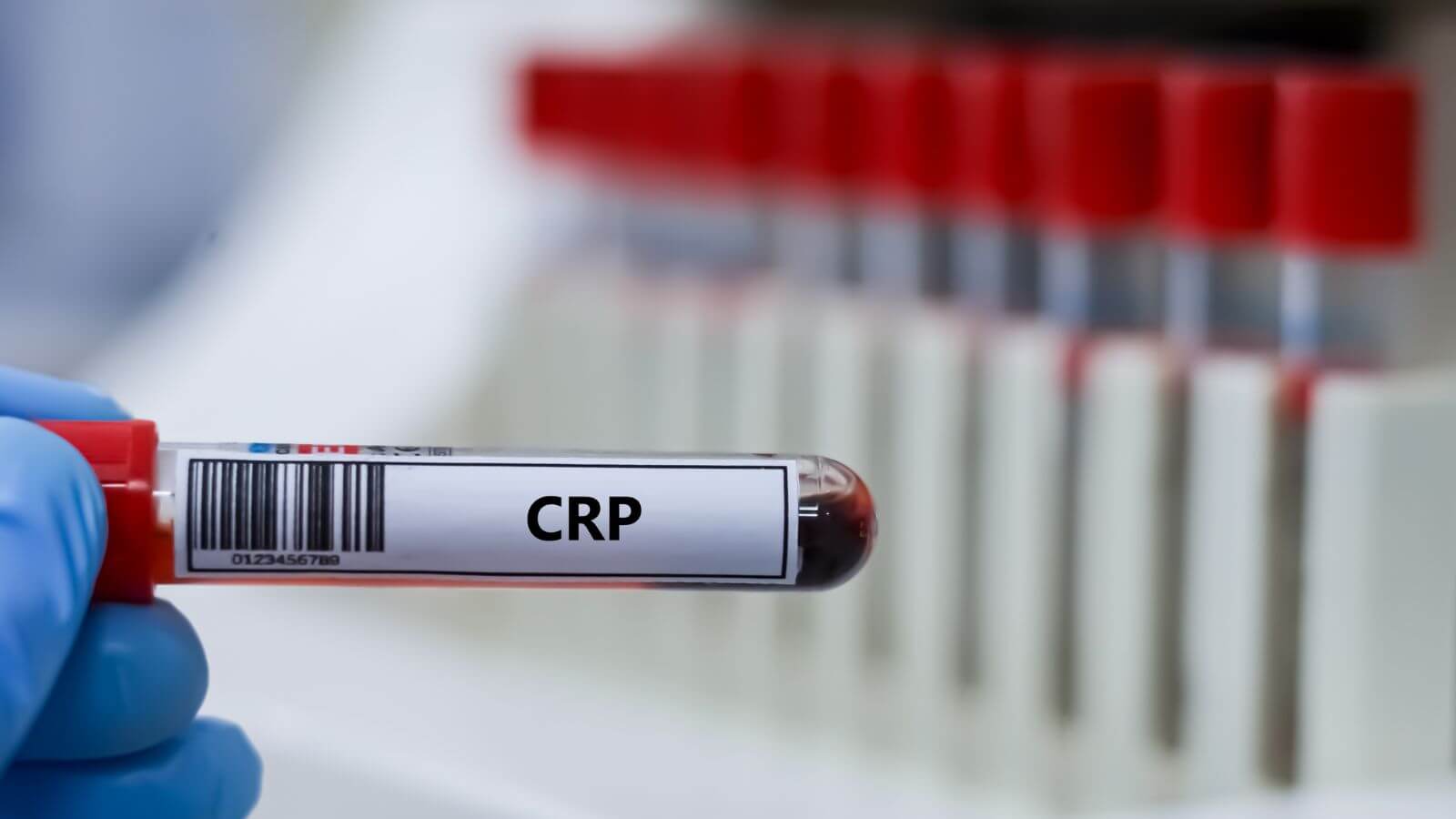
CRP level: What this blood test reveals about inflammation
Your CRP level is elevated and you’re wondering what that means? C-reactive protein (CRP) is an important marker of inflammation in the blood.

Smartphone addiction: recognising the signs and regaining your concentration
It is hard to imagine everyday life without smartphones. At the same time, the constant availability of messages, stimuli and new content can lead the brain to seek out quick distractions time and again.

Building resilience in children: What makes children strong
Children face many challenges, both big and small, in their everyday lives: arguments with friends, poor marks, disappointments, pressure to perform, changes within the family, or the feeling of not belonging. Not every child deals with these things in the same way.

Resilience: Coping with crises through inner strength
Resilience describes the ability to cope with difficult periods in life, setbacks and crises without losing one’s emotional balance in the long term. It helps people to deal with stress and regain stability after challenging experiences.

Acute and chronic bronchitis – causes, symptoms and treatment
A cough, phlegm in the throat and a feeling of tightness in the chest: these symptoms may be signs of bronchitis. This condition involves inflammation of the bronchi in the lungs. Acute bronchitis is usually caused by viruses and is particularly common in winter, during the colder months.