Summary
Cholesterol
Definition: A fat-like substance that the body needs, amongst other things, to build cell membranes and produce certain hormones. Cholesterol is partly obtained from food and partly produced by the body itself.
Lipoproteins: Transport cholesterol throughout the body
HDL: A lipoprotein that transports cholesterol back from the tissues to the liver; often referred to as ‘good’ cholesterol
LDL: A lipoprotein that transports cholesterol to the tissues; often referred to as ‘bad’ cholesterol
Measuring cholesterol levels: This is done via a blood test. The results are given in milligrams per decilitre (mg/dl).
Target total cholesterol level: < 190 mg/dl
Reference range for LDL levels: < 116 mg/dl
Reference range for HDL levels: Men: > 40 mg/dl, Women: > 50 mg/dl
Hypercholesterolaemia: Elevated cholesterol levels in the blood
Non-pharmacological measures to lower cholesterol levels: a balanced diet low in saturated fats and rich in unsaturated fats, regular exercise, a healthy body weight, avoiding nicotine and keeping alcohol consumption to a minimum
What is cholesterol?
Cholesterol is a fat-like substance that is very important for the functioning of our body’s cells and for numerous metabolic processes. Among other things, the body needs cholesterol to produce bile acids, vitamin D and sex hormones.
Where is cholesterol found in the body?
Cholesterol is found almost everywhere in the body. To ensure that we always have sufficient cholesterol available, the body produces it itself, mainly in the liver. From there, it is transported via the blood to various tissues. We also absorb cholesterol from our diet. Cholesterol is not water-soluble. To enable it to be transported in the blood, it is bound to what are known as lipoproteins. The most important lipoproteins include LDL and HDL.
- HDL stands for ‘high-density lipoprotein’. HDL transports cholesterol from the tissues back to the liver, where it can be broken down. HDL is therefore often referred to as ‘good’ cholesterol.
- LDL stands for ‘low-density lipoprotein’ and transports cholesterol from the liver to the cells. This is why LDL cholesterol is also called ‘bad cholesterol’. If there is too much LDL cholesterol in the blood, it can build up on the walls of the blood vessels.
A high LDL cholesterol level increases the risk of atherosclerosis. A high HDL cholesterol level, on the other hand, does not automatically mean that the blood vessels are protected. The term ‘high cholesterol’ can refer to an elevated total cholesterol level or an elevated LDL cholesterol level. LDL cholesterol is particularly important for assessing cardiovascular risk. 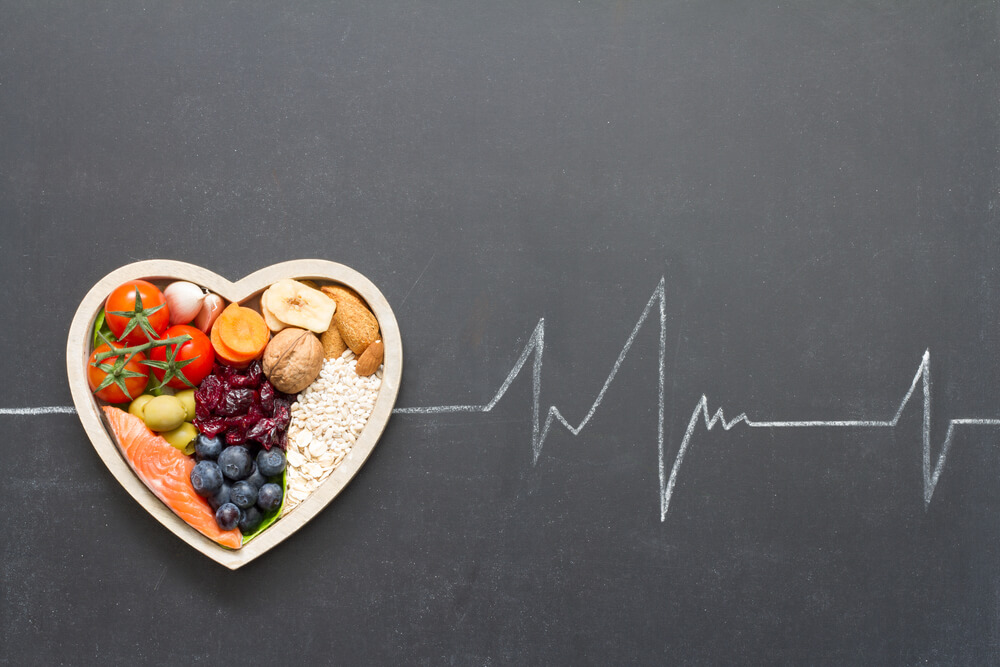
When and how are cholesterol levels measured?
Atherosclerosis can increase the risk of heart attacks, strokes, kidney failure and other conditions. As elevated LDL cholesterol levels contribute to the development of atherosclerosis, cholesterol levels are routinely measured as part of blood tests, for example during a health check-up. In people with certain medical conditions or risk factors, cholesterol levels are monitored regularly. These include, amongst others:
- high blood pressure
- a previous heart attack or stroke
- diabetes mellitus
- obesity
How often check-ups are recommended depends on the individual’s risk and any potential treatment. For the test, a blood sample is taken and analysed in the laboratory. This usually involves measuring total cholesterol, LDL and HDL cholesterol, and triglycerides. In Austria, the values are usually given in milligrams per decilitre (mg/dl).
What are normal cholesterol levels?
The target cholesterol levels depend primarily on an individual’s risk of cardiovascular disease. Factors such as age, gender and pre-existing conditions play a role here. The following cholesterol levels serve as a general guide for adults:
- Total cholesterol: below 190 mg/dl (approx. 4.9 mmol/l)
- LDL cholesterol: below 116 mg/dl (approx. 3.0 mmol/l)
- HDL cholesterol: men: over 40 mg/dl (approx. 1 mmol/l); women: over 50 mg/dl (approx. 1.3 mmol/l)
These figures are not universally applicable treatment targets. For example, anyone who has already had a heart attack requires a significantly lower LDL level. A high HDL level alone, however, does not offer reliable protection against cardiovascular disease. For a medical assessment, the overall picture is what counts: in addition to cholesterol levels and triglycerides, factors such as age, blood pressure, smoking, diabetes and existing cardiovascular diseases are taken into account.
When are cholesterol levels too low, and when are they too high?
An unusually low cholesterol level is less common than elevated levels. Possible causes include:
- Malnutrition
- Cirrhosis of the liver
- Hyperthyroidism
- certain lipid metabolism disorders
Unexpectedly low levels should be investigated by a doctor. However, an LDL cholesterol level that has been specifically lowered by medication is not automatically ‘too low’. Low LDL levels are particularly desirable in cases of high cardiovascular risk. An elevated cholesterol level is also known as hypercholesterolaemia. A distinction is made between primary and secondary hypercholesterolaemia:
- Primary hypercholesterolaemia is genetic (familial hypercholesterolaemia) and leads to persistently elevated cholesterol levels.
- Secondary hypercholesterolaemia is more common than the primary form and is caused by other medical conditions or lifestyle factors. The diagnosis may relate to both total cholesterol and LDL cholesterol.
Possible causes of secondary hypercholesterolaemia include:
- chronic kidney disease
- diseases of the liver and bile ducts
- nephrotic syndrome
- hypothyroidism
- (poorly controlled) diabetes mellitus
- Obesity
- insufficient exercise and an unbalanced diet
- certain medicines, such as corticosteroids or diuretics
Is it possible to lower cholesterol levels without medication?
Above all, lifestyle changes can help to lower cholesterol levels without medication. These include:
- a balanced diet low in saturated fats and high in unsaturated fats
- sufficient exercise
- a healthy body weight
- giving up smoking
- limiting alcohol consumption
Not all of these measures directly lower LDL levels. Giving up smoking, for example, primarily protects the heart and blood vessels. Whether lifestyle changes alone are sufficient depends on the level of the values and your personal cardiovascular risk. The polyunsaturated fatty acids linoleic acid (omega-6) and alpha-linolenic acid (omega-3) cannot be produced by the body itself and must be obtained from food. They are important for metabolism and the formation of cell membranes. Replacing saturated fatty acids with unsaturated ones can help lower your LDL cholesterol levels. Saturated fatty acids should be limited, and trans fatty acids avoided where possible. A high intake can raise LDL cholesterol levels and total cholesterol. 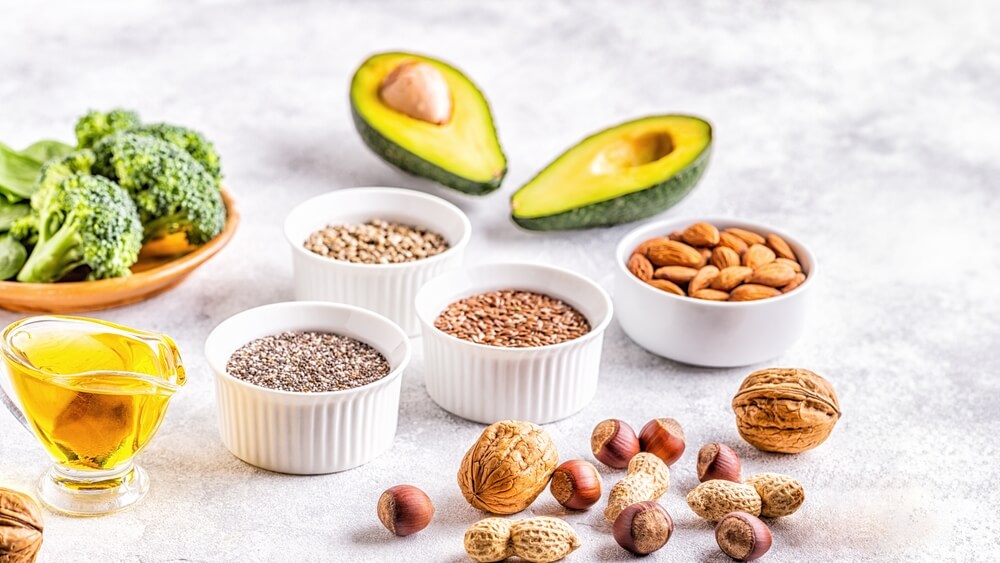
What should you eat – and what should you avoid – if you have high cholesterol?
If your cholesterol levels are high, you should avoid foods containing large amounts of saturated fatty acids, or eat them in smaller quantities. These fatty acids are found particularly in animal-based foods. Especially if your cholesterol levels are high, you should eat the following foods less frequently:
- high-fat dairy products
- high-fat meat and sausage products
- deep-fried foods
- processed foods such as baked goods and ready meals with a high content of saturated fatty acids
Instead, unsaturated fatty acids should be included in the diet. These are found, amongst other things, in various cooking oils as well as in certain fish and nuts. A low-cholesterol diet consists mainly of:
- plenty of fruit and vegetables
- wholemeal cereal products
- pulses such as lentils, beans and chickpeas
- lean meat and fish
- unsalted nuts and vegetable oils such as rapeseed and olive oil
Even small but sustained changes to your diet can have a very positive effect on your cholesterol levels and your health.
High cholesterol – drug treatment
If lifestyle changes are not sufficient to lower LDL cholesterol levels, medication may also be necessary. The decision to prescribe medication does not depend solely on cholesterol levels, but also on individual risk factors. These include an individual’s risk of atherosclerosis and its associated complications. Statins (cholesterol synthesis enzyme inhibitors) are usually prescribed first. They inhibit cholesterol production in the liver, thereby primarily lowering LDL cholesterol levels. If statins alone are not sufficiently effective, they can be supplemented with other medicines. These include, for example, the cholesterol absorption inhibitor ezetimibe, which reduces the absorption of cholesterol in the gut. Another option is PCSK9 inhibitors such as alirocumab and evolocumab. These block the enzyme PCSK9, which is involved in cholesterol metabolism. PCSK9 inhibitors are primarily used in cases of hereditary lipid metabolism disorders or when other treatments have not been sufficiently successful in lowering LDL cholesterol. The choice of medication or combination therapy depends on many factors and is decided on an individual basis for each patient. The decision is based on cholesterol levels, any underlying conditions, the individual’s risk of cardiovascular disease, and how well the patient tolerates the medication. 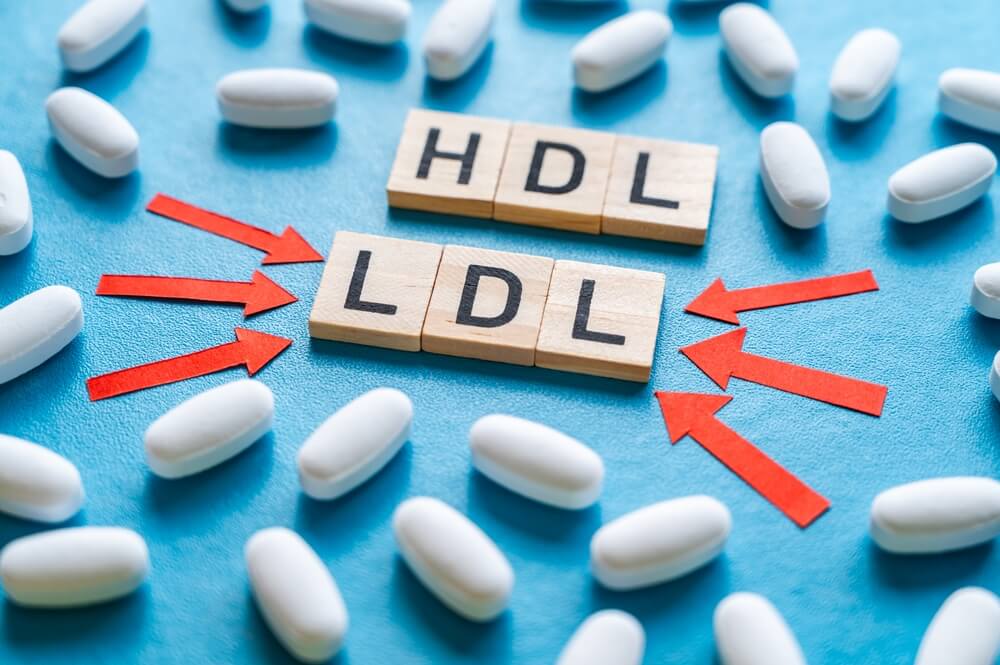
FAQ
LDL and HDL are transport proteins that carry cholesterol through the blood.
LDL cholesterol is often referred to as ‘bad cholesterol’. If there is too much LDL in the blood, cholesterol can build up in the blood vessels and increase the risk of a heart attack or stroke.
HDL cholesterol transports excess cholesterol back to the liver, where it is broken down. HDL is therefore often referred to as ‘good cholesterol’. However, a high HDL level does not automatically protect against cardiovascular disease.
High cholesterol levels usually do not cause any noticeable symptoms, which is why elevated LDL cholesterol levels often go unnoticed for a long time. If LDL cholesterol levels remain high over many years, this can damage the blood vessels and thereby increase the risk of cardiovascular disease. In cases of very high, hereditary cholesterol levels, yellowish deposits may sometimes form on the eyelids or Achilles tendons. Regular blood tests are therefore important for detecting elevated levels at an early stage.
If your cholesterol levels are high, you should, above all, eat foods high in saturated fats and trans fats only rarely and in small quantities. These include, for example, fatty meat, sausages, bacon, butter, high-fat dairy products and high-fat baked goods, as well as ready-made products with a high content of saturated fats.
If LDL cholesterol levels in the blood are high, you should increase your intake of unsaturated fatty acids through your diet. These are found in particular in vegetables, fruit, wholemeal products, pulses, nuts, fish and vegetable oils. The important thing is not to avoid individual foods altogether, but to ensure an overall heart-healthy diet.
Studies show that certain soluble fibres, such as beta-glucans from oats and barley, can lower LDL cholesterol levels. Pulses are also a source of soluble fibre. However, the extent of the effect varies from person to person.


Barth R.; New guidelines on dyslipidaemia: Focus on LDL cholesterol – statins remain the mainstay, PCSK9 inhibitors mentioned for the first time, Congress Selection Cardiology/Diabetology 12/2016, Rosenfluh Publikationen AG
Föger B.; Lipid therapy – what do the current guidelines recommend?, Diabetes Forum 02/2016, MedMedia Verlag und Mediaservice GmbH
Zykla-Menhorn V.; New ESC/EAS Guidelines on Dyslipidaemia: (Almost) Everything Remains the Same, Deutsches Ärzteblatt 2016; 113(37): A-1596/B-1347/C-1323, Deutscher Ärzteverlag GmbH
Wascher T.; State of the Art – Optimising the Use of Lipid Therapy, Die Punkte Lipidmanagement 01/2015, MedMedia Verlag und Mediaservice GmbH
Säly C. H., Drexel H.; New Lipid Guidelines from the AHA and ACC: A Paradigm Shift in Lipid Therapy, Universum Innere Medizin 02/2014, MedMedia Verlag und Mediaservice GmbH
Klose G. et al., Familial hypercholesterolaemia: developments in diagnosis and treatment, Deutsches Ärzteblatt 2014; 111:523–9, Deutscher Ärzteverlag GmbH
Cholesterinspiegel.de. Abnormal cholesterol levels. https://www.cholesterinspiegel.de/auffaellige-cholesterinwerte/ [Accessed August 2026]
German Heart Foundation. Understanding cholesterol: the most common questions from heart patients. https://herzstiftung.de/ihre-herzgesundheit/gesund-bleiben/cholesterin-wichtige-fragen [Accessed August 2026]
Lipide.info. Symptoms of high cholesterol. https://www.lipide.info/hypercholesterinaemie/symptome [Accessed August 2026]
IQWiG. LDL cholesterol. https://www.gesundheitsinformation.de/ldl-cholesterin.html [Accessed August 2026]
Gesundheit.gv.at. Cholesterol. https://www.gesundheit.gv.at/labor/laborwerte/organe-stoffwechsel/fettstoffwechsel-02-chol1-hk.html [Accessed August 2026]
Ghavami, A., Ziaei, R., Talebi, S., Barghchi, H., Nattagh-Eshtivani, E., Moradi, S., Rahbarinejad, P., Mohammadi, H., Ghasemi-Tehrani, H., Marx, W., & Askari, G. (2023). Soluble Fibre Supplementation and Serum Lipid Profile: A Systematic Review and Dose-Response Meta-Analysis of Randomised Controlled Trials. Advances in Nutrition (Bethesda, Md.), 14(3), 465–474. https://doi.org/10.1016/j.advnut.2023.01.005 [Accessed September 2026]
Overbeck P.; New ESC guidelines on the management of dyslipidaemia – Update of the guidelines, URL: https://www.kardiologie.org/leitlinien/neue-esc-leitlinien-zum-management-bei-dyslipidaemie/10716444, German Society for Cardiology – Heart and Circulatory Research (DGK), Federal Association of Practising Cardiologists (BNK), Springer Medizin Verlag GmbH, 20 September 2016