
Summary
Heart failure
Prevalence: Around 300,000 people in Austria are affected by heart failure.
Classification:
- acute/chronic heart failure
- Heart failure with reduced/preserved ejection fraction
- systolic/diastolic heart failure
- Left-sided heart failure/right-sided heart failure/global heart failure
- Compensated/decompensated heart failure
Severity: Severity is determined using the NYHA classification (NYHA Class I–IV).
Causes: Coronary heart disease, high blood pressure, cardiac arrhythmias, atrial fibrillation, valvular heart disease, diseases of the heart muscle, pulmonary embolism, etc.
Diagnosis: Medical history, physical examination, ECG, echocardiogram, X-ray, blood tests
Conservative treatment options: Treatment of the underlying cause (where possible), general measures (lifestyle changes) and drug therapies
Surgical interventions: Implantable defibrillator, assist device, cardiac resynchronisation therapy, heart transplant
What is heart failure?
Heart failure is also known as cardiac insufficiency. It is a serious condition in which the heart can no longer supply the body with enough blood. This is because the heart does not pump strongly enough or does not fill sufficiently with blood between heartbeats. To understand why this happens, it helps to look at the heartbeat: first, the heart chambers relax and fill with blood. This phase is called diastole. They then contract and pump the blood onwards. This is systole. In heart failure, this process is disrupted. The heart does not pump strongly enough, or the ventricles are unable to fill sufficiently with blood. Both of these problems can occur together. As a result, the blood supply to organs and muscles may be impaired. Furthermore, blood may back up in front of the heart. As a result, fluid accumulates, for example, in the lungs or in the legs.
How common is heart failure?
In Austria, around 300,000 people live with heart failure, and the number of people affected is continuing to rise. Heart failure can occur at any age. However, its prevalence increases significantly with age. People under the age of 65 are rarely affected. Among people over the age of 70, more than 10 per cent have heart failure. 
What types of heart failure are there?
There are various forms of heart failure. The distinguishing factors are the severity, which part of the heart is affected, how rapidly the heart failure progresses, and the cause. In all forms, the heart is no longer able to pump sufficient blood around the body.
Acute and chronic heart failure
- Acute heart failure: Acute heart failure develops within a few hours or days, for example as a result of a cardiac arrhythmia or a heart attack. It can also be a sudden worsening of pre-existing heart failure.
- Chronic heart failure: Chronic heart failure usually develops gradually over several weeks, months or years.
Classification according to ejection fraction
The ejection fraction indicates how much blood the heart pumps from the ventricle into the body with each heartbeat. It is expressed as a percentage. A value of 60 per cent, for example, means that 60 per cent of the blood is pumped out of the ventricle. Depending on the ejection fraction, a distinction is made between two different forms of heart failure:
- Heart failure with reduced ejection fraction: The heart’s ejection fraction is below 50 per cent. The ventricle’s ability to contract and pump blood is impaired. This is also referred to as systolic dysfunction.
- Heart failure with preserved ejection fraction: The ejection fraction is above 50 per cent, but symptoms of heart failure with reduced ejection fraction are present. Often, in this case, the heart is unable to fill sufficiently with blood. This is referred to as diastolic dysfunction.
Left-sided and right-sided heart failure
Heart failure is also categorised according to which side of the heart is affected:
- Left-sided heart failure: The left side of the heart can no longer pump enough blood around the body. The blood supply to the body may be impaired, and blood may back up into the lungs.
- Right-sided heart failure: The right side of the heart can no longer pump enough blood into the lungs. Blood may back up into the body’s veins, causing, for example, swelling in the legs.
- Global heart failure: Both sides of the heart are affected.
Compensated and decompensated heart failure
A distinction is also made between compensated and decompensated heart failure.
- Compensated heart failure usually only causes symptoms during physical exertion. At rest, there are no symptoms, or only very few.
- In decompensated heart failure, symptoms are present even at rest.
How is the severity of heart failure determined?
The severity of heart failure is determined using the so-called NYHA classification. NYHA stands for ‘New York Heart Association’. This classification distinguishes between four stages (NYHA classes I–IV). For each stage, there are clearly defined criteria regarding symptoms and physical capacity.
- NYHA Class I: Patients in NYHA Class I have been diagnosed with heart failure, but show neither symptoms on exertion nor reduced exercise tolerance.
- NYHA Class II: There are no symptoms at rest or during light physical exertion. However, symptoms occur during more strenuous exertion and physical capacity is slightly reduced.
- NYHA Class III: Symptoms occur even during light physical exertion. Physical capacity is significantly reduced. There are no symptoms at rest.
- NYHA Class IV: Symptoms occur even at rest. These may include, for example, shortness of breath, tiredness, weakness or fluid retention (oedema).
What causes heart failure and what are the risk factors?
Heart failure often develops as a result of another heart condition. The most common causes of heart failure include:
- High blood pressure: The heart has to pump against increased resistance over a prolonged period. This can cause the heart muscle to thicken and stiffen. Its pumping or filling function may deteriorate.
- Coronary heart disease (CHD): Narrowed coronary arteries impair the supply of oxygen to the heart muscle. If a heart attack occurs, heart muscle tissue may die off and the heart’s pumping capacity may be permanently reduced.
- Heart valve defects: Narrowed or leaky heart valves place an additional strain on the heart. Over time, this can lead to heart failure.
Other possible causes include heart muscle diseases, inflammation of the heart muscle and cardiac arrhythmias, such as atrial fibrillation with a persistently rapid heart rate. Often, several causes act together. 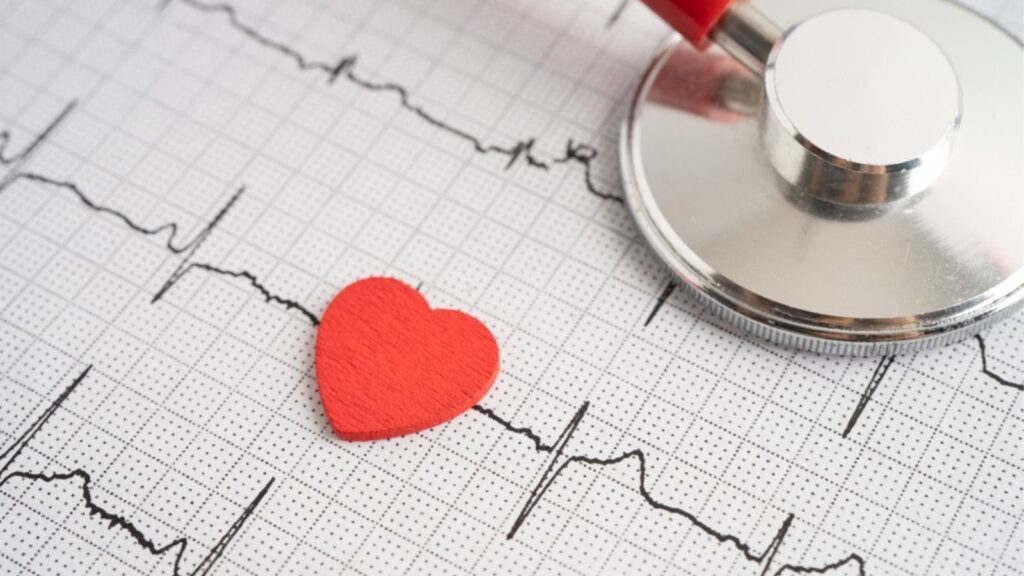
What increases the risk of heart failure?
Certain medical conditions and lifestyle factors also increase the risk. These include:
- Diabetes mellitus
- Obesity
- High cholesterol
- Arterial circulatory disorders (peripheral arterial disease)
- chronic kidney failure
- heavy alcohol consumption
- Smoking
Certain medicines, such as some drugs used to treat cancer, can also damage the heart muscle.
What are the symptoms of heart failure?
The symptoms of heart failure vary and are often non-specific. The symptoms that occur often depend on which part of the heart is affected and the type of condition present. Other underlying conditions can also influence which symptoms occur. Initially, symptoms often only appear during physical exertion. As the condition progresses, they may also occur at rest. Typical symptoms include:
- rapid fatigue
- shortness of breath
- palpitations
Depending on the cause and type of heart failure, other symptoms may occur:
- fluid retention (oedema) in the legs or abdomen
- Frequent urination at night (nocturia)
- Dizziness or light-headedness
- dry cough
- Loss of appetite, nausea or a feeling of fullness
- Weight gain due to fluid retention
- Sleep disturbances
- Difficulty concentrating and memory problems
How is heart failure diagnosed?
If heart failure is suspected, general examinations are carried out following a consultation with a doctor. These include:
- Measurement of pulse and blood pressure
- Examination of the lungs, legs and other parts of the body for fluid build-up
- Listening to the heart and lungs for abnormal sounds
If heart failure is still suspected, further tests will be carried out. These include:
Electrocardiogram (ECG)
An ECG measures the heart’s electrical impulses. During this painless test, the heart’s electrical activity is displayed as waveforms. The ECG provides information on:
- heart rhythm and heart rate
- the origin of the heartbeat
- The spread and decay of electrical signals in the heart
An ECG alone is not sufficient to make a definitive diagnosis of heart failure.
Ultrasound examination of the heart (echocardiogram)
Echocardiography is a painless routine examination used to diagnose heart conditions. It provides information about the heart’s pumping capacity and the function of the heart valves. An echocardiogram can be used to assess the following:
- the structure and movement of the heart walls and heart valves
- the wall thickness of the ventricles and atria
- the size of the heart
- the heart’s ejection fraction
X-ray examination
A chest X-ray may reveal, amongst other things, an enlarged heart or fluid build-up in the lungs. Such fluid build-up can be caused by heart failure.
Blood test
A blood test can be used to measure certain levels, such as BNP (B-type natriuretic peptide) or NT-proBNP (N-terminal pro-brain natriuretic peptide). This helps to assess whether heart failure is present. The blood test also reveals whether other conditions or risk factors are present (e.g. diabetes mellitus, high cholesterol, kidney failure).
Further investigations
Sometimes additional tests are necessary. These may include, for example, a cardiac catheterisation. If, following these tests, a diagnosis of heart failure is confirmed, treatment is initiated. This is tailored to the specific type and severity of the condition. 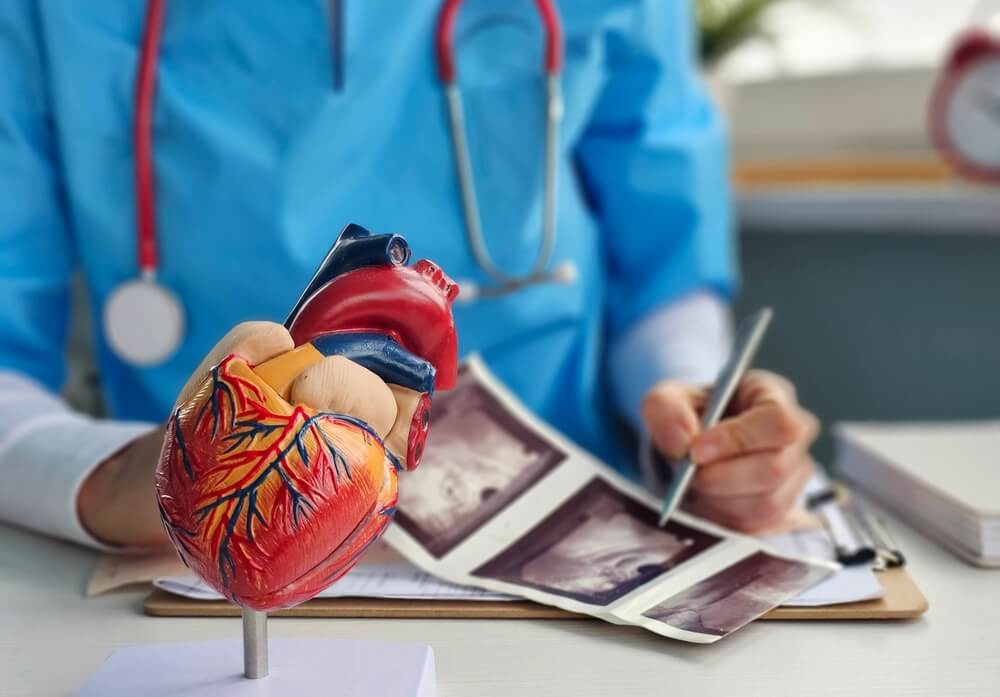
How is heart failure treated?
The aim of treating heart failure is to relieve symptoms, improve quality of life and slow the progression of the condition. Treatment depends on the type of heart failure, its severity and any underlying conditions. Treatment includes medication and personalised lifestyle measures. Depending on the cause, surgical procedures or specialised pacemakers may also be required. At the same time, any underlying conditions are treated, such as high blood pressure, coronary heart disease or heart valve defects.
What can you do yourself?
Those affected can play a significant role in supporting their treatment. A healthy lifestyle is a key part of treating heart failure and is vital for the success of treatment. Conversely, an unhealthy lifestyle can accelerate the progression of the condition. The following measures are important:
- Regular exercise: You should discuss with your doctor what type and amount of exercise is suitable for you.
- A balanced diet: Ensure you eat a varied diet and avoid excessive salt intake. A particularly strict low-salt diet is not generally necessary.
- A healthy body weight
- Do not smoke and avoid alcohol as far as possible
- Ensure you get enough rest and reduce stress

What medicines are used to treat heart failure?
Medicines are usually a key part of treatment. Which medicines are suitable depends, amongst other things, on the type, severity and cause of heart failure, as well as any possible complications. There are various active ingredients. Some have a blood pressure-lowering and vasodilating effect. Some specifically alleviate symptoms by, for example, reducing swelling caused by fluid retention in the legs. Others act directly on the heart by:
- reducing the strain on the heart
- supporting the heart’s pumping function
- regulating the heart’s rhythm
Commonly used medicines include:
- ACE inhibitors (angiotensin-converting enzyme inhibitors)
- AT1 blockers (angiotensin receptor blockers)
- Beta-blockers
- Aldosterone blockers
- Mineralocorticoid receptor antagonists
- ARNI (angiotensin receptor-neprilysin inhibitor)
- IF channel blockers
- Diuretics
In the event of sudden-onset or severely worsening heart failure, medicines can also be administered directly into a vein. These include, for example, diuretics and medicines that widen the blood vessels (e.g. intravenous diuretics, vasodilators). New medicines such as ARNI can alleviate symptoms and improve quality of life in certain forms of heart failure.
Why is regular treatment important?
Heart failure usually requires long-term treatment, even if symptoms subside. Continue to take your medicines as prescribed and attend your follow-up appointments with your doctor. These appointments are to monitor how your heart failure is progressing and to determine whether your treatment needs to be adjusted. You should also continue to follow the recommended lifestyle measures on a long-term basis.
What other treatment options are available?
Non-medicinal therapies
For some people with heart failure, implantable devices or surgery can complement medication. Which procedures are suitable depends, amongst other things, on heart function, heart rhythm and general health.
Implantable cardioverter-defibrillator (ICD)
For certain types of cardiac arrhythmia, a defibrillator can be implanted under the skin. This detects cardiac arrhythmias and can restore a normal heart rhythm using electrical pulses.
Mechanical assist pump
A mechanical assist pump may be used where the heart’s pumping function is severely reduced. The pump takes over the pumping function of the affected ventricle, thereby supporting blood flow.
Pacemaker
In some people, the right and left ventricles no longer contract simultaneously. If no other treatment is effective, a biventricular pacemaker can use electrical pulses to resynchronise the heart’s rhythm (cardiac resynchronisation therapy, CRT). This pacemaker stimulates both the left and right ventricles and increases the heart’s pumping capacity.
Heart transplant
In cases of very severe heart failure, a heart transplant may be an option in certain circumstances if no other treatment has been successful. This involves replacing the diseased heart with a donor heart.
How can heart failure be prevented?
Not all cases of heart failure can be prevented. A healthy lifestyle can support the heart and help prevent numerous conditions, such as coronary heart disease and high blood pressure. The most important measures are:
- regular exercise
- a balanced diet
- a healthy body weight
- moderate alcohol consumption
- healthy cholesterol levels
- not smoking
- Reducing stress and ensuring sufficient rest
It is equally important to detect high blood pressure, diabetes and high blood lipid levels at an early stage and to treat them if necessary. Medical check-ups help to identify such risk factors.
FAQ
Treatment depends on the cause and type of heart failure. In most cases, several measures are combined: medication can relieve the strain on the heart, alleviate symptoms and slow the progression of the disease. In addition, regular, individually tailored exercise, a balanced diet, a low-salt intake, not smoking and limiting alcohol consumption are important.
Underlying conditions such as high blood pressure or diabetes are also treated as part of the therapy. For some people, pacemakers, defibrillators, assist devices or surgical procedures may be considered.
It is not possible to generalise about how long people with heart failure live. Life expectancy depends, amongst other things, on the cause, the severity, age, other medical conditions and the treatment. The stage at which the condition is diagnosed is also important. The earlier treatment can be started, the better.
Heart failure does not progress at the same rate in all those affected. Some people live for many years with mild symptoms or symptoms that respond well to treatment. In others, the condition progresses more rapidly. Modern treatments can alleviate symptoms and extend life expectancy. It is important to receive appropriate treatment and have regular medical check-ups.
A large Danish study from 2024 shows that the prognosis for people with heart failure has improved significantly over the past few decades. The researchers analysed data from around 195,000 people with a first-time diagnosis of heart failure. The findings revealed that the proportion of people who died within five years of diagnosis fell from 66 per cent between 1996 and 2000 to 43 per cent for diagnoses made between 2016 and 2020. The improvement was particularly marked among younger patients. Treatment options – and therefore the prospects for people with heart failure – have thus improved significantly.
The most common symptoms of heart failure are similar in women and men. These include, for example, shortness of breath, tiredness and reduced stamina. Nevertheless, there are differences. Women are more likely to develop heart failure with preserved ejection fraction, a condition in which the heart has difficulty filling with blood. Furthermore, the causes and associated conditions may differ. For this reason, symptoms in both women and men should be taken equally seriously and investigated by a doctor.
Heart failure is usually not completely curable. However, the condition can often be managed effectively and kept stable over the long term. It is crucial to treat the underlying cause and to support heart function with medication and other measures. In some cases, cardiac output can improve significantly or the heart failure may even go into remission, for example if a treatable cause is eliminated. Whether this is possible depends on the specific type of heart failure.
In compensated heart failure, the body is still able to partially compensate for the heart’s reduced function. Symptoms therefore usually only occur during physical exertion.
In decompensated heart failure, the heart’s output is no longer sufficient. Symptoms may then also occur at rest. Typical symptoms include, for example, severe shortness of breath, tiredness and fluid retention in the legs. Decompensated heart failure can occur suddenly and requires medical treatment.


Focus on heart failure, Austrian Heart Association website: http://www.herzverband.at/pages/posts/schwerpunkt-herzschwaeche-60.php Accessed: 1 November 2026
Dr Andreas Kammerlander, Associate Professor Dr Julia Mascherbauer, Clinical Department of Cardiology, University Clinic for Internal Medicine II, Medical University of Vienna; Heart failure with preserved left ventricular function, Universum Innere Medizin 04/2016, MedMedia Verlag und Mediaservice GmbH
Senior Lecturer Dr Christoph Brenner, Clinical Department of Cardiology and Angiology, University Clinic for Internal Medicine III, Medical University of Innsbruck; Update: Diagnosis and treatment of acute heart failure, Universum Innere Medizin 04/2016, Special Issue on Cardiology, MedMedia Verlag and Mediaservice GmbH
Assoc. Prof. Priv.-Doz. Dr Diana Bonderman, Mag. Caroline Zotter-Tufaro, Clinical Department of Cardiology, University Clinic for Internal Medicine II, Medical University of Vienna; Diastolic heart failure, Universum Innere Medizin 03/2016, MedMedia Verlag and Mediaservice GmbH
Scharf R.; The consequences of heart failure are still underestimated, ARS Medici 13/2016, Rosenfluh Publikationen AG
Bending A., Hartmann C., Kottmann W.; Physical exercise in chronic heart failure; ARS Medici 13/2016, Rosenfluh Publikationen AG
Hummel A., Empen K., Dörr M., Felix SB.; Acute and acutely decompensated chronic heart failure; Dtsch Arztebl Int 2015; 112: 298–310. DOI: 10.3238/arztebl.2015.0298
Gesundheit.gv.at. Heart failure. https://www.gesundheit.gv.at/krankheiten/herz-kreislauf/herzinsuffizienz-herzschwaeche.html [Accessed September 2026]
Vienna Health Network. Heart failure
Telemonitoring. https://gesundheitsverbund.at/herzinsuffizienz-telemonitoring/ [Accessed September 2026]
German Heart Foundation. Resynchronisation therapy for heart failure. https://herzstiftung.de/infos-zu-herzerkrankungen/herzinsuffizienz/behandlung-und-therapie/resynchronisation [Accessed September 2026]
Federal Ministry of Health. Heart failure. https://gesund.bund.de/herzschwaeche [Accessed September 2026]
Guide to Heart Failure. Is heart failure curable and what is the life expectancy? https://www.ratgeber-herzinsuffizienz.de/behandeln/heilung [Accessed September 2026]
Garred, C. H., Malmborg, M., Malik, M. E., Zahir, D., Christensen, D. M., Arulmurugananthavadivel, A., Fosbøl, E. L., Gislason, G., McMurray, J. J. V., Petrie, M. C., Andersson, C., Køber, L., & Schou, M. (2024). Age-specific mortality trends in heart failure over 25 years: a retrospective Danish nationwide cohort study. The Lancet. Healthy Longevity, 5(5), e326–e335. https://doi.org/10.1016/S2666-7568(24)00029-1