
General Practice

Mouth Taping: Does taping your mouth shut whilst sleeping really help?
Mouth taping has evolved from a TikTok trend into a popular sleep hack: stars such as Katy Perry and professional footballer Erling Haaland have spoken publicly about taping their mouths shut at night. The idea behind it is that keeping your mouth closed is said to automatically encourage you to breathe more through your nose, thereby helping you sleep better, snore less and wake up feeling more refreshed in the morning. But as plausible as the principle may sound at first, are the promised benefits of mouth taping actually scientifically proven? And could taping your mouth shut whilst sleeping actually be dangerous?
In this article, you’ll find out what mouth taping really achieves, what the research says about it and what risks you should be aware of.

High blood pressure – definition, symptoms, diagnosis and treatment
High blood pressure is one of the most common chronic conditions in Austria – according to estimates, around one in four adults is affected. As the condition often causes no symptoms for many years, it frequently goes undetected. However, if left untreated, high blood pressure increases the risk of serious complications such as heart attack, stroke or kidney damage. In this article, you will learn how high blood pressure develops, what signs may indicate it, what treatment options are available, and what you can do yourself to lower your blood pressure and protect your health.

Sleep trackers put to the test: can smartwatches, rings and apps improve sleep?
Sleep trackers are now part of everyday life for many people. Whether it’s a smartwatch, fitness tracker, smart ring or sleep sensor, so-called wearables promise detailed insights into your own sleep and are designed to help improve sleep quality. But how reliable is this data really? Can sleep tracking detect sleep disorders or even improve sleep? And what role do artificial intelligence and data protection play in this?
In this article, you’ll find out how sleep trackers work, which metrics are actually meaningful, what the limitations of these devices are, and for whom sleep tracking might be beneficial.

Is your cortisol too high? What your stress hormone really means
Cortisol is a vital hormone: it wakes us up in the morning and helps us perform well in stressful situations. However, problems arise when levels no longer drop. Chronically elevated cortisol levels can, in the long term, affect your metabolism, immune system and mental health. In this article, you’ll find out why your body goes into alarm mode, how this manifests itself and how you can restore your hormonal balance.
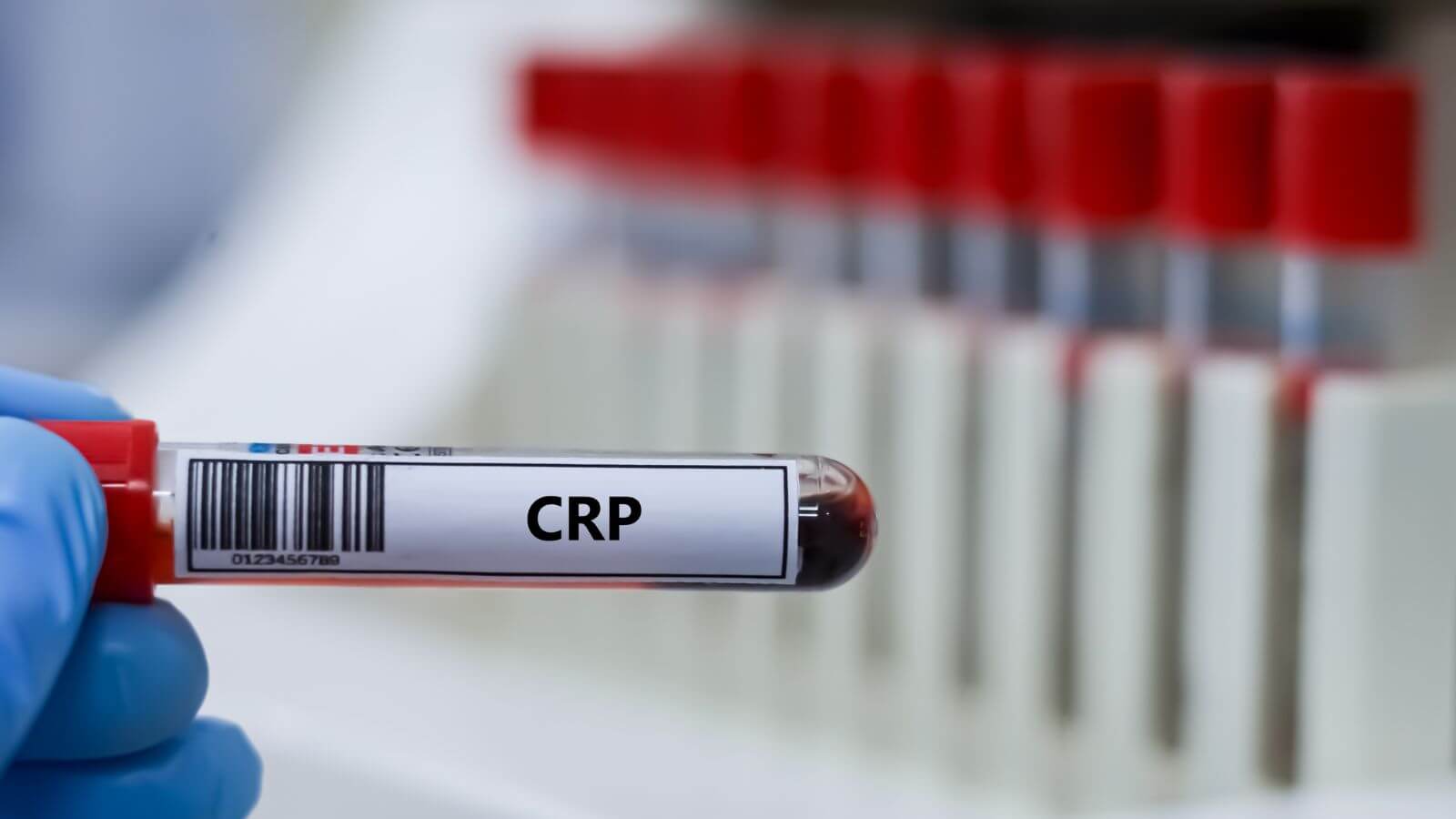
CRP level: What this blood test reveals about inflammation
Your CRP level is elevated and you’re wondering what that means? C-reactive protein (CRP) is an important marker of inflammation in the blood. It indicates whether there is currently inflammation taking place in your body, for example due to an infection, injury or illness. However, a single reading is not sufficient to make a definitive diagnosis. What matters is how significantly the CRP level has risen and how it changes over time. Often, there is a harmless cause behind it. In some cases, however, an elevated CRP level may also indicate a serious illness. In this article, you’ll learn how CRP levels are determined, what levels are considered normal, and how to interpret your result correctly.

Smartphone addiction: recognising the signs and regaining your concentration
It is hard to imagine everyday life without smartphones. At the same time, the constant availability of messages, stimuli and new content can lead the brain to seek out quick distractions time and again. This constant digital barrage reduces our ability to concentrate deeply. Smartphone addiction is therefore no longer a marginal phenomenon.
However, it is possible to change the way you use your smartphone. In this article, you will learn how problematic smartphone use can develop, what role the reward system plays in this, and which strategies can help you regain more calm, focus and control in your everyday life.

Acute and chronic bronchitis – causes, symptoms and treatment
A cough, phlegm in the throat and a feeling of tightness in the chest: these symptoms may indicate bronchitis. This condition involves inflammation of the bronchi in the lungs. Acute bronchitis is usually caused by viruses and is particularly common in winter, during the colder months. Chronic bronchitis is often caused by long-term smoking or recurrent bouts of inflammation that have not fully healed. In this article, you will learn about the causes of acute and chronic bronchitis, the symptoms that occur and the treatments that can help.

Colds (flu-like infections): What really helps?
A flu-like infection, often referred to as a cold, is an infection of the nasal mucosa and the upper respiratory tract. A cold usually begins with a sore throat or a tickle in the throat, followed shortly afterwards by a runny nose. Depending on the pathogen and the severity of the cold, a cough, fever, aching limbs and a headache may also occur. In this article, you will learn all about the causes, symptoms and correct treatment of flu-like infections.
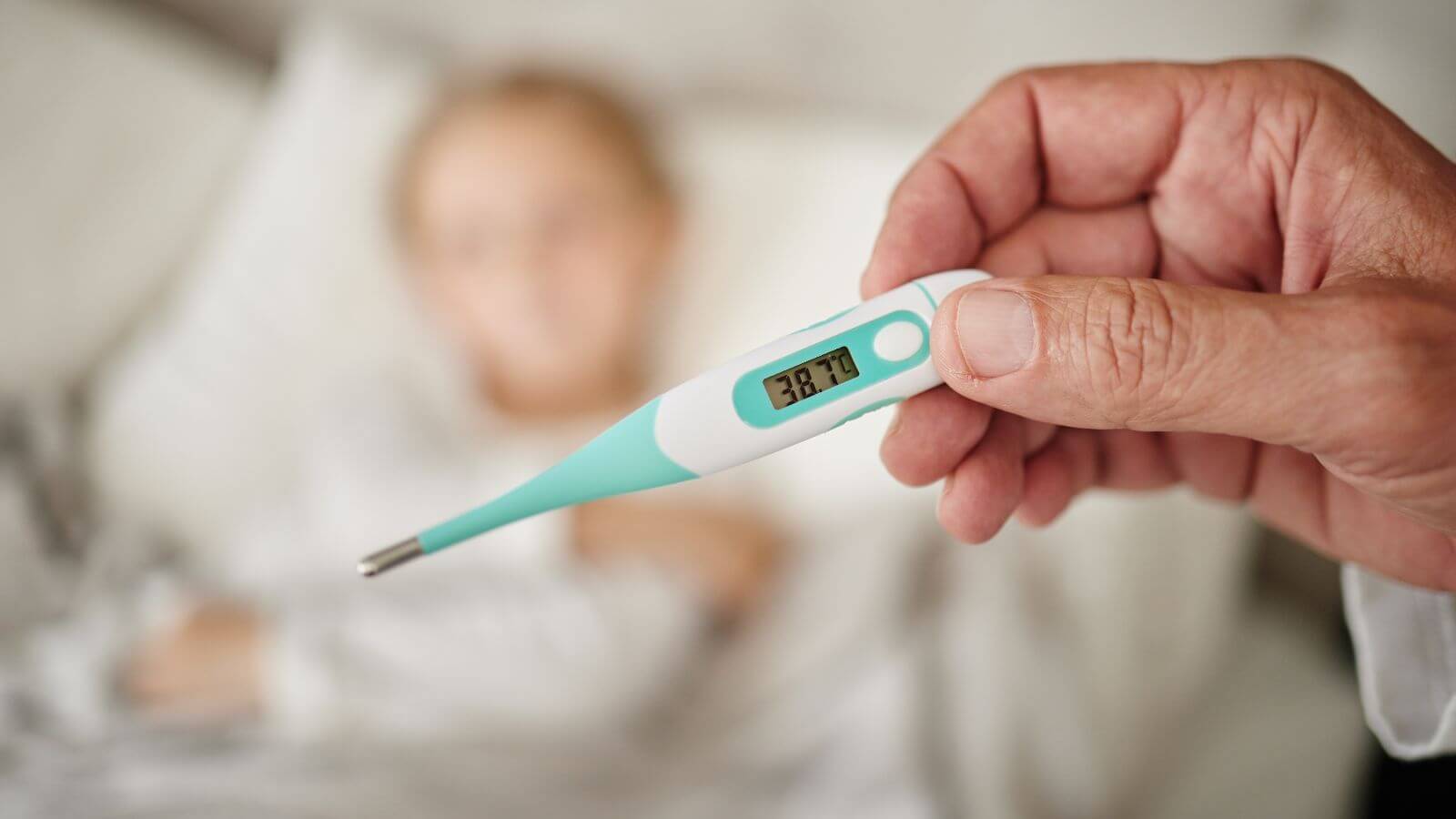
Fever: What really helps? An overview of home remedies and medicines
If you have a fever, the best remedies are rest, plenty of fluids and, depending on your symptoms, medicines such as paracetamol or ibuprofen. Home remedies such as calf compresses or ‘vinegar poultices’ can also provide relief. It is important to note that a fever is not an illness, but a natural defence mechanism of the body. You can read more about this here.

Bronchitis: These home remedies help children and adults
A cough, a scratchy feeling in the chest and the sensation that ‘something is stuck’: acute bronchitis often starts as part of a common cold. In many cases, simple measures can go a long way towards managing the condition. Read this article to find out which home remedies really do help and when you should seek medical advice for bronchitis.