
General Practice
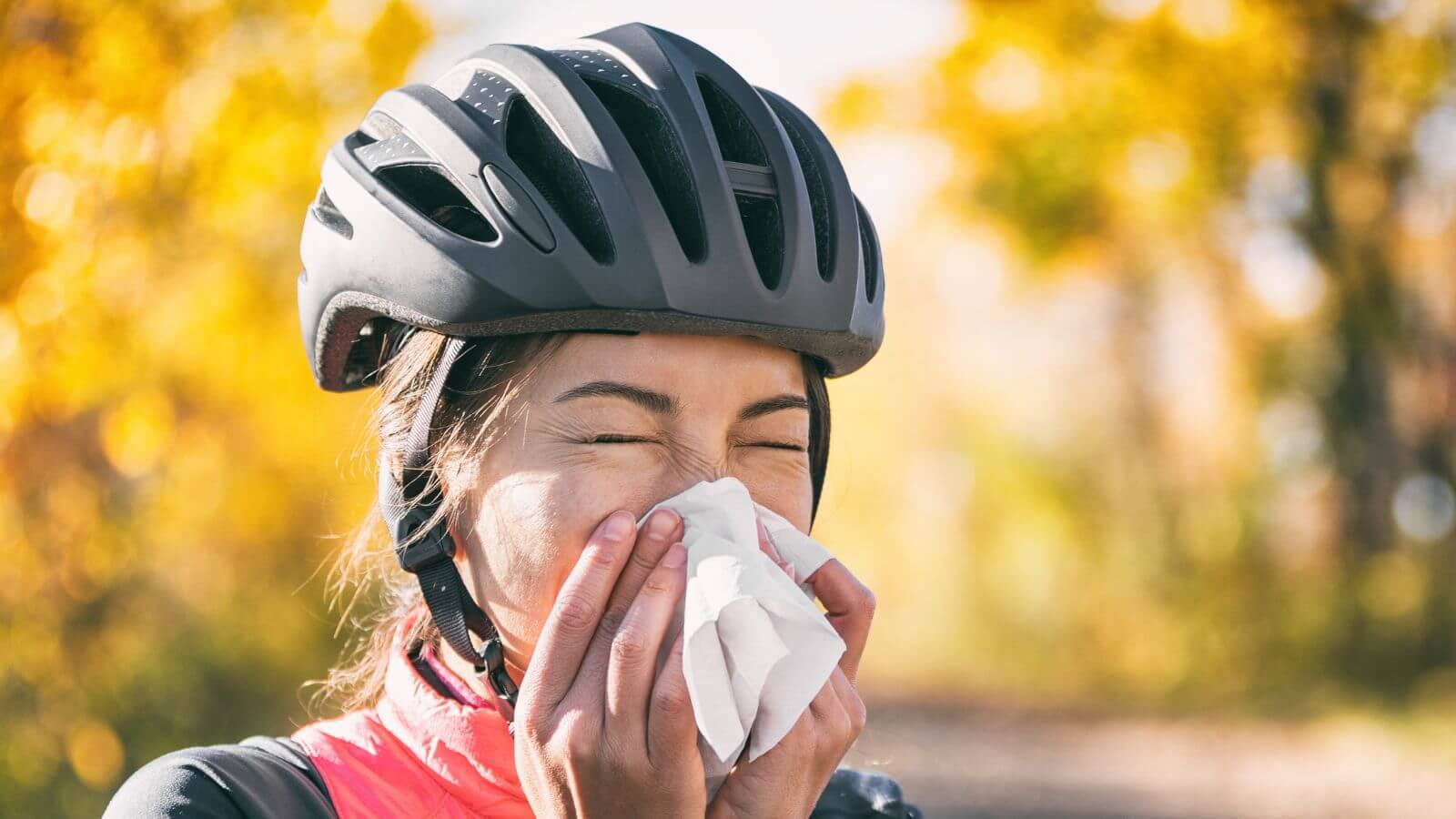
Exercise when you have a cold: when it’s okay and when you should take a break
You’ve caught a cold and are wondering whether exercising will help or do more harm than good. There’s no one-size-fits-all answer, as not every cold is the same: a mild sniffle is quite different from an infection that leaves you feeling really unwell. The key factors are therefore your symptoms, the intensity of the exercise and how you’re feeling overall. In this article, you’ll find out when light exercise may still be acceptable, when you absolutely must take a break, and how to safely get back into training afterwards.
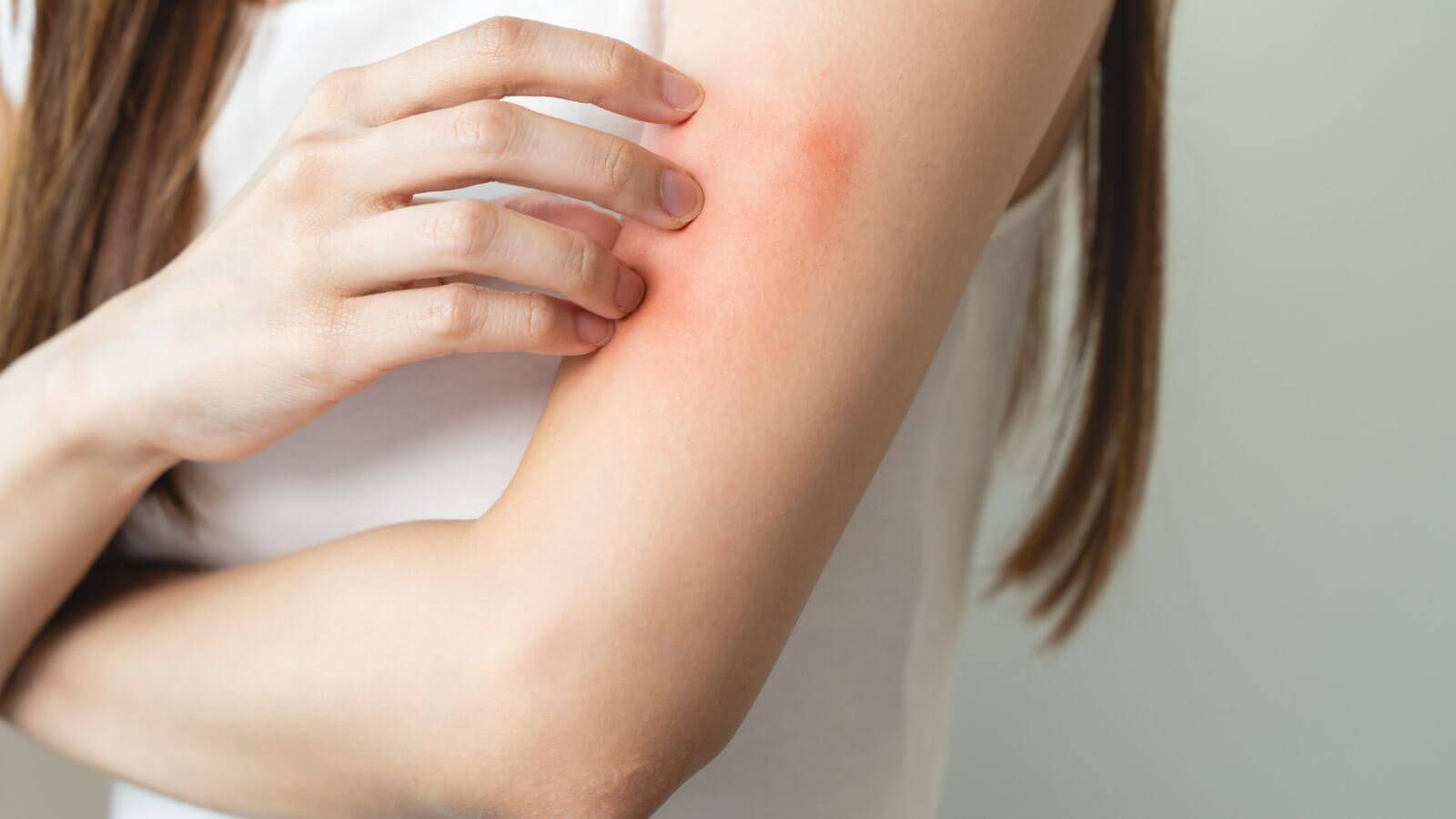
Skin rashes: What causes redness, spots and blisters?
The term ‘skin rash’ covers a range of visible changes to the skin. These include, for example, redness or patches, which are often accompanied by itching, pain or other associated symptoms. The causes of skin rashes are varied: as well as physical illnesses, allergies or psychological stress can also play a role. In this article, you will learn more about the different types of skin rashes, their possible causes and common treatment options.
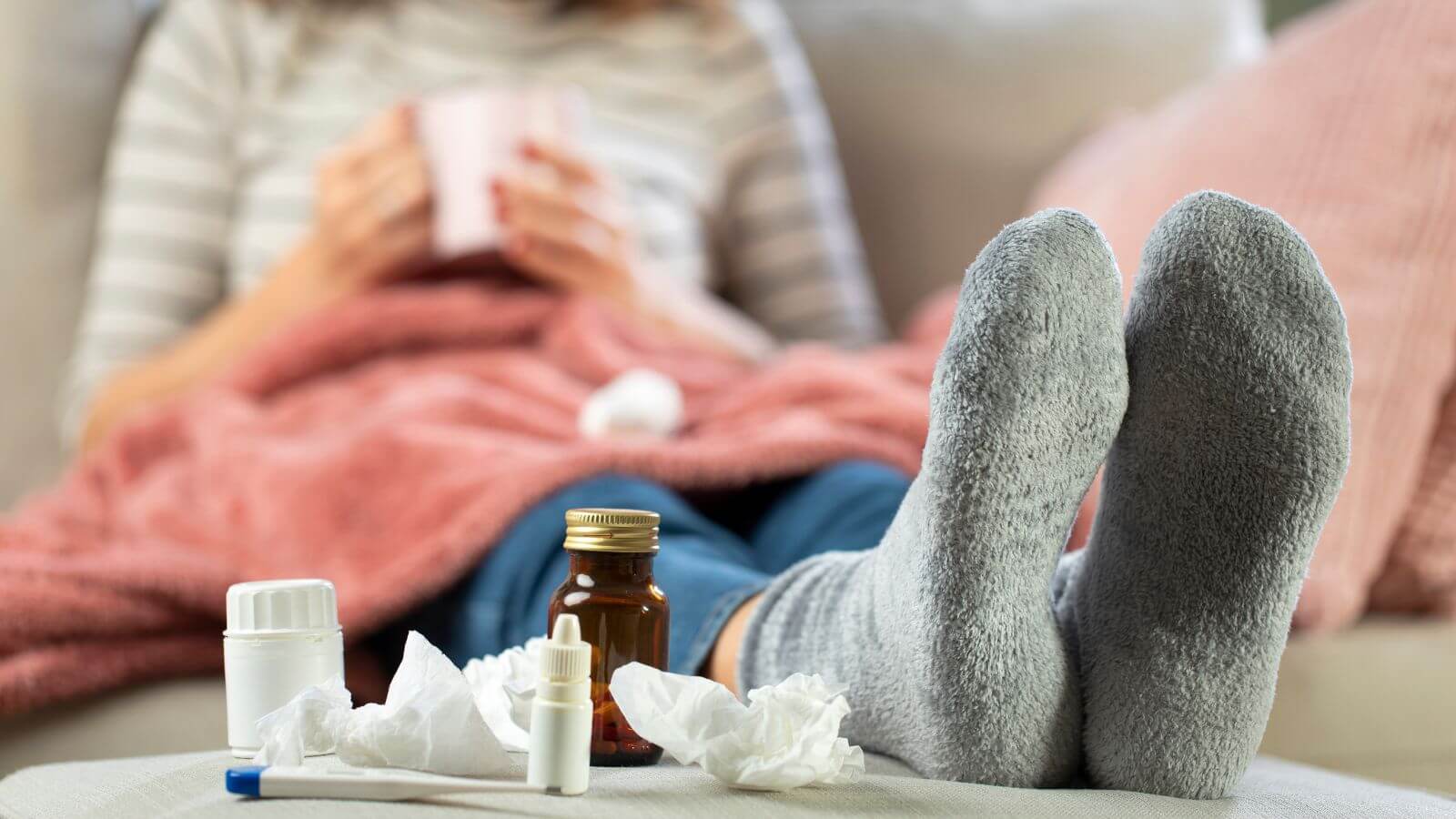
Sick again? What lies behind frequent colds
When a runny nose and a cough become constant companions, there’s often more to it than just bad luck. Your body is sending signals that your immune system needs a boost. In this article, you’ll find out what weakens your immune system and what targeted strategies you can use to finally break the cycle.

Flu, a cold or COVID-19: How to tell the difference
It is often not easy to tell whether it is flu, a cold or COVID-19, as the symptoms are very similar. Nevertheless, there are key differences in how they progress, their severity and the risks involved. Whilst a common cold usually starts gradually, the real flu often hits you like a blow, and COVID-19 continues to present a wide variety of variants. In this article, you’ll learn how to interpret your body’s warning signs correctly, what characteristics are typical of each pathogen, and when you should definitely see a doctor.
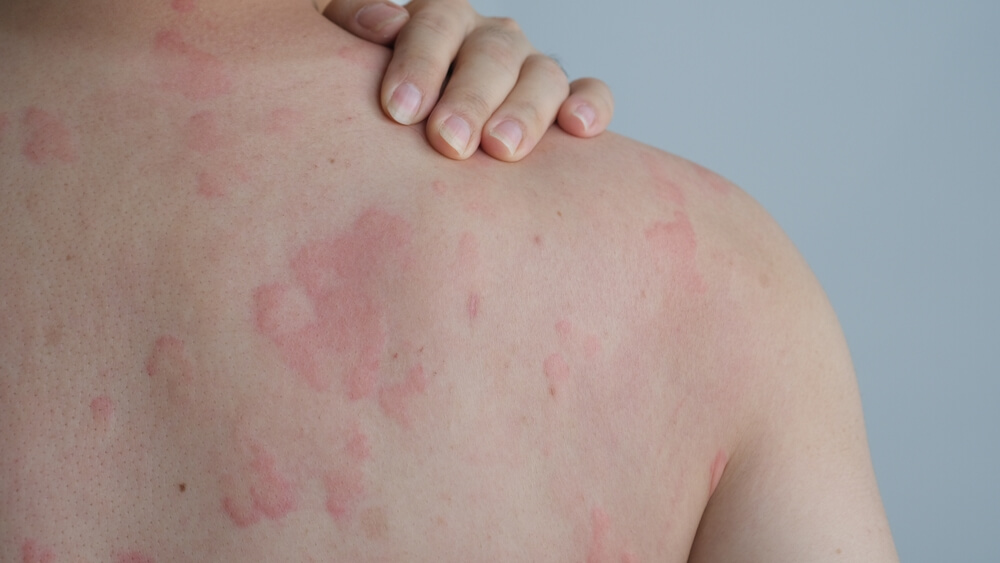
Hives (urticaria): triggers, symptoms and treatment
Hives (urticaria) is a common skin condition in which red, itchy welts suddenly appear on the skin. Many people affected wonder: What causes this? How can I recognise hives – and what can I do myself to relieve the itching? In this article, you’ll find simple and easy-to-understand information on the possible causes of urticaria, what the typical symptoms look like, and which treatments really help.
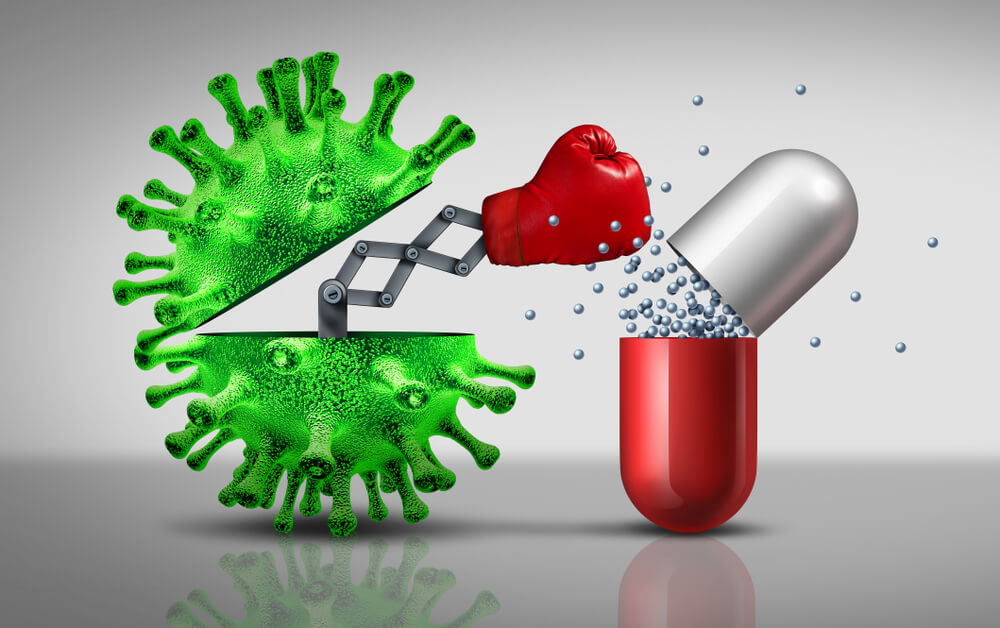
Antibiotic resistance
Antibiotic resistance refers to the development of bacteria’s resistance to antibiotics. As a result, these medicines can lose their effectiveness, meaning that bacterial infections can no longer be treated effectively. Read on to find out how resistance develops, what risks it poses and how this problem can be tackled.

Haemorrhoids – Recognising, treating and preventing them
Almost everyone experiences problems with haemorrhoids (haemorrhoidal disease) at some point in their lives. Women and men are affected in roughly equal measure. Many people feel embarrassed about symptoms in the anal area and are reluctant to see a doctor to get a proper diagnosis. However, timely treatment can prevent unnecessary pain and stop the condition from getting worse.
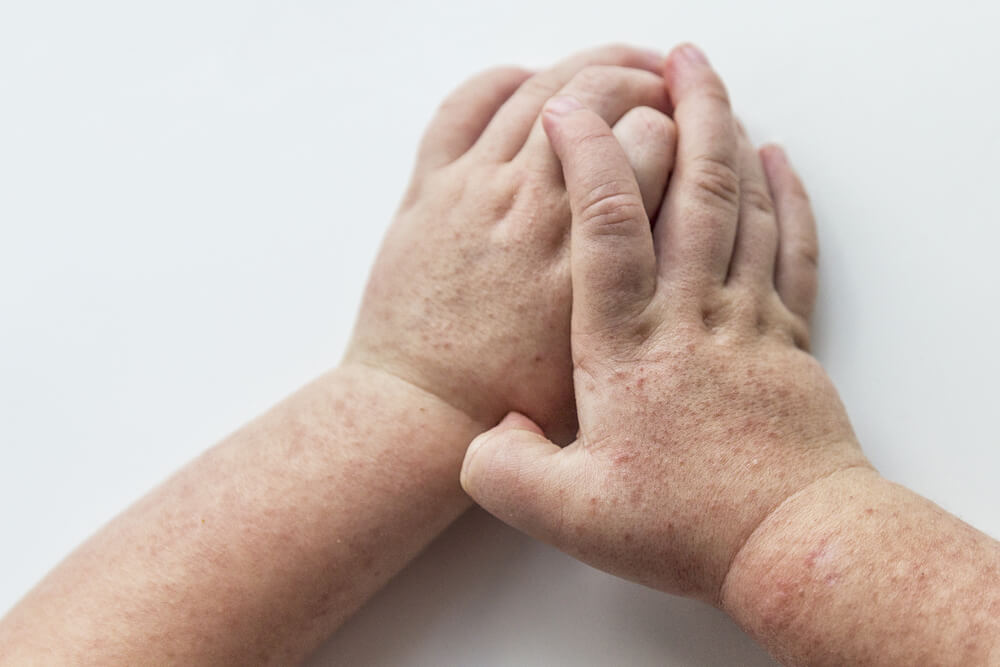
Scarlet fever – causes, symptoms, treatment
Scarlet fever is a highly contagious infectious disease. Characteristic symptoms include fever, a sore throat, a rash and what is known as ‘raspberry tongue’. With early antibiotic treatment, the disease can usually be treated quickly and effectively. Read on to find out exactly what scarlet fever is, how it is transmitted, what the symptoms are and how it is treated.
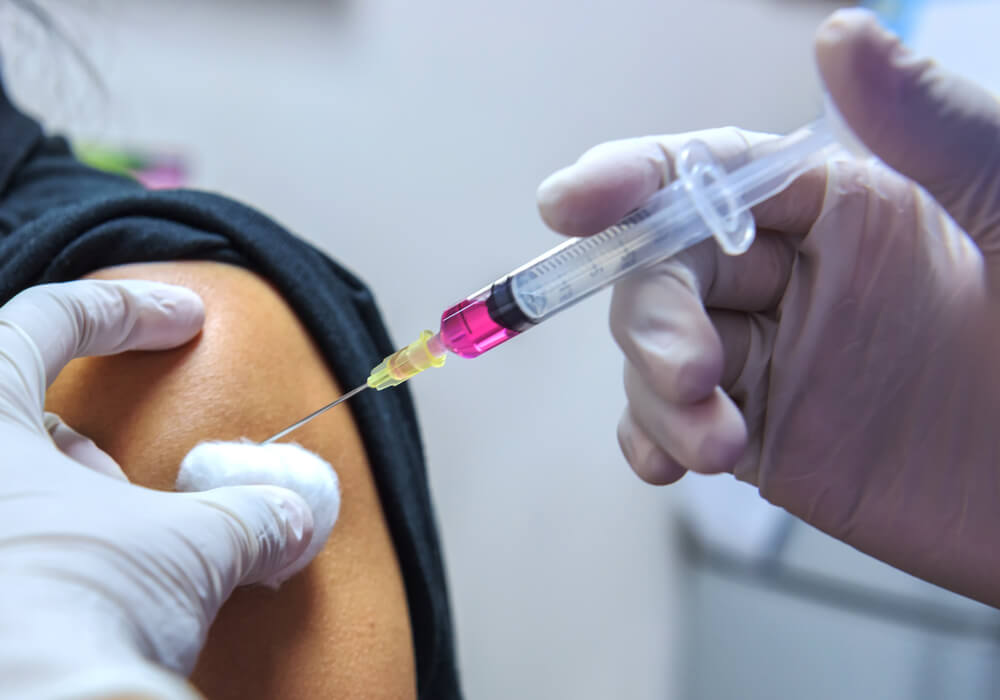
Flu vaccination (vaccination against influenza)
The flu jab (influenza vaccination) not only offers a high level of protection against the flu itself, but also, in particular, protects against severe cases of the illness, which can be accompanied by life-threatening complications such as pneumonia or myocarditis. In this article, you can read about who should be vaccinated, when the best time to get vaccinated is, what side effects may occur, and everything else you need to know about the flu jab.

Treatment of pneumonia
Pneumonia can affect various parts of the lungs and is usually caused by bacteria, viruses and other pathogens. This infectious disease is particularly dangerous for older people and manifests itself through a range of symptoms. Find out here how to recognise the condition, how it is treated and what you can do to prevent pneumonia.