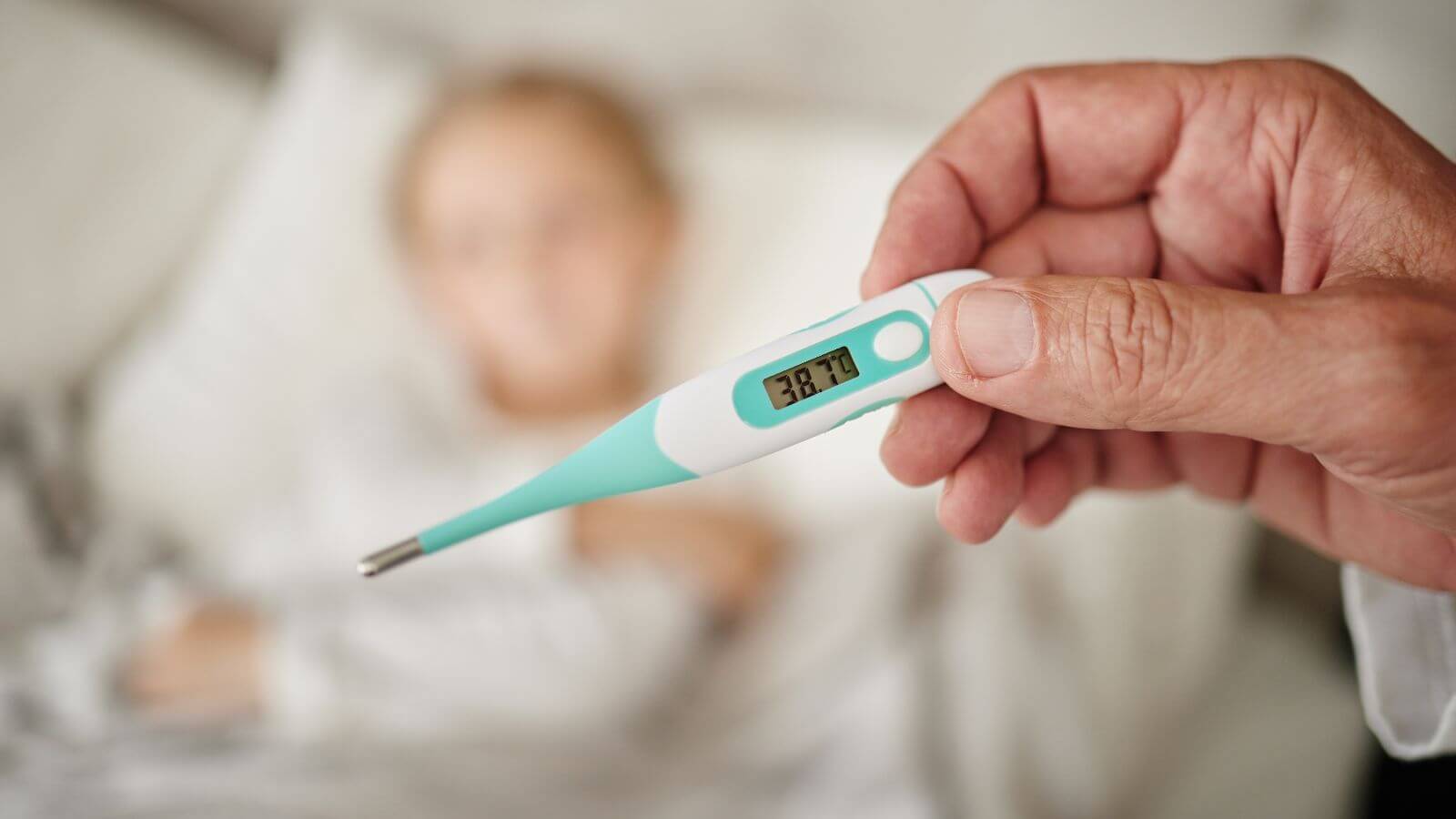
Summary
Common cold (flu-like infection)
Definition: viral infection of the upper respiratory tract
Symptoms: sore throat, scratchy throat, runny nose, sometimes a cough
. In more severe cases, fever, aching limbs or inflammation of the sinuses or throat may also occur.
Duration: one week to ten days
Treatment: There is no specific medication to treat a common cold. Sufficient rest, nasal sprays, staying well-hydrated and age-appropriate painkillers can help.
Transmission: via droplet or contact transmission
When should you see a doctor? If you develop a high fever, very severe cold symptoms, chest pain, breathing difficulties or severe headaches accompanied by nausea and confusion; in children, also in the event of febrile convulsions
What is the difference between this and the real flu? With the real flu (influenza), a high fever sets in suddenly; a runny nose is rare, but a dry cough is common. With the flu, symptoms usually only improve after about two weeks.
How common are colds, and what causes them?
Colds are very common. Adults catch a cold on average two to five times a year, whilst children catch one six to ten times a year. Colds are particularly common during the colder months and when there are significant fluctuations in temperature. A cold is caused by viruses. There are over 200 different viruses known to cause a cold-like infection. Among the most common are:
- rhinoviruses
- Coronaviruses
- Parainfluenza viruses
- Adenoviruses
- Respiratory syncytial viruses
Unlike genuine flu (influenza), which is caused by influenza viruses, there is no vaccine against most common cold viruses. However, vaccines are available for specific pathogens such as RSV and COVID-19.
How do you catch a cold-like infection?
The viruses are usually transmitted through the air – for example, through close contact with people who have a cold. When someone sneezes or coughs, viruses can be spread several metres, but pathogens are also present in normal exhaled air. Infection is also possible if the viruses are transferred to the mucous membranes of the nose and mouth via your own fingers. That is why it is important to wash your hands frequently and thoroughly, for example after shopping, using other people’s keyboards or travelling on public transport. Viruses and bacteria can also survive on mobile phones and tablets for several days. The following factors can weaken the immune system and thus increase the risk of catching a cold:
- not getting enough sleep
- stress
- an unbalanced diet low in vitamins
- inappropriate clothing in cold weather
Exposure to the cold, particularly around the nose and ears, can also irritate the mucous membranes and make you more susceptible to infection.
What are the symptoms of a cold?
A cold often improves after a few days, but usually clears up within about seven to ten days. Nevertheless, the symptoms can be very unpleasant and significantly disrupt daily life. Typical symptoms of a cold are:
- a blocked or runny nose
- sore throat (inflamed throat)
- cough
- hoarseness
With a viral infection, the nasal discharge is usually clear. If it is yellow-greenish and very thick, this may indicate a bacterial infection. This often develops later on, once the mucous membranes have already been weakened. This is referred to as a ‘bacterial superinfection’. The infection is usually confined to the upper respiratory tract. However, in severe cases, the viruses or bacteria may spread. Possible symptoms include:
- Fever
- Aches and pains
- Headache
- severe sore throat (pharyngitis)
- Bronchitis
- Sinusitis
- Middle ear infection (particularly in young children)

How long is a cold contagious?
When a cold becomes contagious and for how long can vary. In principle, it is possible to pass the infection on to others even before symptoms appear. However, the greatest risk of transmission is usually two to three days after the first symptoms appear. As long as the person with the cold is showing symptoms, the illness can still be passed on, for example through contact or droplet transmission. How long a person is actually contagious also depends on the specific pathogen and the state of their immune system. A study from Yale in 2026 showed that the immune system’s response is crucial to the course of a cold, particularly in the case of rhinoviruses. The more effectively the cells in the nose combat the pathogen, the milder the subsequent cold symptoms will be. Two people who have been infected with the same pathogen may therefore react to it with varying degrees of severity.
What is the difference between a common cold and the real flu?
A common cold and the real flu (influenza) can cause similar symptoms and are therefore not always easy to distinguish from one another. Nevertheless, there are typical differences in how they progress:
Common cold
- begins gradually with a scratchy throat, a sore throat or a runny nose
- A runny nose is very common
- Fever is rare and is usually mild
- usually lasts 7 to 10 days
Flu (influenza)
- begins suddenly with a high fever (38–40 °C), chills, headache and aching limbs
- often accompanied by a dry cough; a runny nose is rather rare
- usually lasts up to two weeks; this is followed by a longer recovery period during which you feel weak
Both the symptoms of a common cold and those of genuine flu can resemble the symptoms of COVID-19. If in doubt, a test for SARS-CoV-2 infection should be carried out. You can read more about the difference between flu, the common cold and COVID-19 here.
What helps with a cold?
There is no specific medication to treat a common cold. Treatment therefore focuses primarily on relieving symptoms and helping the body to recover.
Rest and sleep
One of the most important factors is getting plenty of rest. If you take it easy whilst you have a cold, you will usually recover more quickly. Strenuous physical activity, such as intense exercise, can delay recovery and, in rare cases, lead to complications.
Staying well-hydrated
Drinking plenty of fluids helps to keep the mucous membranes moist and loosen phlegm. Water, herbal teas or clear soups are recommended. Chicken soup, in particular, has proven to be very effective. It has been shown to have anti-inflammatory properties and promotes a sense of well-being.
Home remedies for relief
Many traditional home remedies have stood the test of time and can help to alleviate cold symptoms naturally. Chamomile tea has anti-inflammatory and soothing properties; ginger warms the body from within and stimulates blood circulation; and sage tea can be particularly soothing for a sore throat and hoarseness. Honey is excellent for soothing a tickly cough and caring for irritated mucous membranes – however, it is not suitable for children under one year of age. Inhalations using steam or saline solution moisturise the airways and make breathing easier. Read more about home remedies for a cold here. Find out how to treat a cough with home remedies here. 
Medication as required
Active ingredients such as paracetamol or ibuprofen can be used to relieve pain and reduce a fever. They do not treat the cause of the cold, but they do provide noticeable relief from the symptoms. Decongestant nasal sprays provide relief from a blocked nose, but should not be used for longer than a few days. Cough medicines may be useful, depending on the type of cough. It is important to tailor their use to your symptoms and to follow the recommended dosage.
Indoor climate
Dry air from central heating can put additional strain on the mucous membranes. Regular ventilation and sufficient humidity in the room aid recovery – particularly in children. You can read more about treating colds here.
How does a flu-like infection progress in children?
Children catch colds particularly frequently. This is because their immune system is not yet fully developed and still has to learn how to cope with the many different viruses. It is therefore normal for them to have several infections a year. Colds in children are usually uncomplicated and clear up on their own. Strict bed rest is generally not necessary. A calm daily routine is more important to ensure the child can recover properly. The following measures can aid recovery:
- plenty of rest and sleep
- adequate fluid intake: children should drink enough to help loosen the mucus.
- adequate humidity in the room
- use only home remedies that are suitable for children
When should you take a child with a cold to see a doctor?
Even seemingly harmless flu-like infections can spread or take a turn for the worse. If the severity of the symptoms increases or new symptoms develop, you should always consult a paediatrician.
You should seek medical advice if:
- the child is under three months old and has a cough or a fever
- the child appears unwell or listless
- the child has had a fever for more than three days or suddenly develops a high fever. A high fever is defined as 38.5°C or above in children, and 38°C or above in babies under three months.
- a cough or a cold persists for more than a week without improvement, gets worse, or is accompanied by a sudden high fever
- Hoarseness, breathing difficulties, headaches, earache or generalised pain occur
- the cough is painful (suspected pneumonia)
- if the cough suddenly becomes barking (suspected croup)
- Symptoms such as diarrhoea or vomiting occur
- the phlegm turns yellowish or reddish
- the inflammation spreads to the sinuses
- skin rashes suddenly appear
This list of symptoms is not exhaustive and is intended only as a general guide. You should always contact your paediatrician if you are concerned or worried.
FAQ
Adults should seek medical advice if a cold lasts longer than two weeks, gets worse or is accompanied by severe symptoms such as shortness of breath, a high fever, headaches, nausea or a severe cough. This applies particularly to older people or those with underlying health conditions.
For children and babies, it is particularly important to see a doctor if symptoms become more severe or new symptoms develop. A visit to the doctor is particularly advisable in the case of very young children, persistent or high fever, a poor general condition, or symptoms that are lasting for a long time or getting worse.
Additional signs such as breathing difficulties, a rash, vomiting or unusual phlegm may indicate more serious conditions and should be investigated by a doctor.
Whether it is okay to exercise whilst you have a cold depends on your symptoms: if you have mild symptoms without a fever, gentle exercise is usually fine; if you have more severe symptoms such as a cough, fever, severe headache or aching limbs, or extreme tiredness, you should take a break.
Exercising whilst you have an infection can put a strain on the body, delay recovery and, in rare cases, lead to complications. The ‘neck check’ can serve as a guide: if your symptoms are above the neck – such as a slightly runny nose – light activity such as going for a walk is possible. However, rest should generally be the priority.
Above all, rest, plenty of fluids and warm food or drinks have proven effective. For a cold, teas such as chamomile (anti-inflammatory), ginger (warming) or sage (for a sore throat) are recommended. Warm soups – particularly chicken soup – can also improve your well-being and have an anti-inflammatory effect. Inhaling steam or a saline solution helps to moisten the airways. Honey can soothe a tickly cough (not suitable for children under one year of age). Overall, these home remedies help to alleviate symptoms, but they do not usually shorten the duration of a cold significantly.
Active ingredients such as paracetamol (e.g. Mexalen) or ibuprofen are often used to relieve pain and reduce fever. They help to relieve pain and reduce fever, but do not treat the cause of the cold. Decongestant nasal sprays or cough medicines can also help relieve symptoms, but should only be used for a short period. It is important to follow the dosage instructions and seek medical advice if in doubt.
In children, medicines for cold symptoms should be used with particular care and in a manner appropriate to their age. Paracetamol and ibuprofen are considered the treatments of choice for relieving fever and pain, each in a child-friendly dosage (e.g. as a syrup or suppository). It is important to follow the dosage instructions precisely according to the child’s weight and the information leaflet.
Aspirin (acetylsalicylic acid) is not suitable for children, as it is associated with the rare but dangerous Reye’s syndrome. The following measures can aid recovery: drinking plenty of fluids, rest, nasal rinses with saline solution and, if necessary, decongestant nasal drops for a short period (in an age-appropriate dose). Medical advice should always be sought in the case of infants, high fever or an unclear course of the illness.
A cold during pregnancy is not dangerous in most cases – neither for the mother nor for the unborn child. Although the symptoms can be unpleasant, they are usually harmless and subside after a few days. However, if you develop a high or persistent fever, you should seek medical advice, as this could indicate the flu or another infection.
Particular caution is required when taking medication. Paracetamol is usually recommended as the treatment of choice for pain and fever, but only for a short period and after consulting a doctor. Ibuprofen should only be taken during the first two trimesters of pregnancy. It must not be taken during the final trimester. Many other medicines should be avoided, as they could harm the baby. As a general rule, you should thoroughly research the ingredients of any medicine beforehand and seek medical advice.


Uwe Groß: A Concise Textbook of Medical Microbiology and Infectious Diseases; 3rd edition. Stuttgart: Thieme; 2013; doi:10.1055/b-002-96284
Flu-like infection – a common illness in children, Federal Centre for Health Education; https://www.kindergesundheit-info.de/themen/krankes-kind/erkrankungen/grippaler-infekt/; accessed April 2026
Cold Guide. Colds: When you should see a doctor. https://www.erkaeltungs-ratgeber.de/erkaeltung/arzt Accessed April 2026
Gesundheitsinformation.de. Fever in children. https://www.gesundheitsinformation.de/fieber-bei-kindern-wann-in-die-arztpraxis.html Accessed April 2026
Apotheken Umschau. Colds: How long are you contagious? https://www.apotheken-umschau.de/krankheiten-symptome/infektionskrankheiten/erkaeltung/erkaeltung-wie-lange-ist-man-ansteckend-713279.html, accessed April 2026
https://www.gesundheit.gv.at/krankheiten/atemwege/grippe/grippaler-infekt-diagnose-therapie.html, accessed April 2026
Kaisen Pharmacy. Grandma’s home remedies for a cold: insights into the effectiveness of 8 traditional home remedies. https://kaisen-apotheke.de/2024/01/08/omas-hausmittel-bei-erkaeltung-einblicke-in-die-effektivitaet-von-8-traditionellen-hausmitteln/ Accessed April 2026
Rudolfinerhaus Private Clinic. Home remedies for a cold. https://www.rudolfinerhaus.at/blog/hausmittel-gegen-schnupfen/ Accessed April 2026
Aok.de. Fever, runny nose, sore throat: Colds during pregnancy. https://www.aok.de/pk/magazin/familie/schwangerschaft/erkaeltung-in-der-schwangerschaft/ Accessed April 2026
Bao Wang, Julien A.R. Amat, Valia T. Mihaylova, Yong Kong, Guilin Wang, Ellen F. Foxman. Rhinovirus triggers distinct host responses through differential engagement of epithelial innate immune signalling. Cell Press Blue, 2026; 100001 DOI: 10.1016/j.cpblue.2025.100001 Accessed April 2026