Summary
Bronchitis
Bronchitis: inflammation of the mucous membranes of the bronchi or the trachea
Types: acute and chronic bronchitis
Cause: acute: usually a viral infection, rarely bacterial; chronic: smoking
Symptoms: persistent cough, hoarseness, runny nose, sore throat, sneezing, headache, aching limbs, muscle pain, fatigue, difficulty swallowing, general malaise, fever
Diagnosis: medical history, lung and blood tests, chest X-ray if pneumonia is suspected
Treatment: acute bronchitis: Treatment of symptoms with expectorants, cough suppressants, nasal drops, painkillers and suitable home remedies
; chronic bronchitis: giving up smoking, inhalations, breathing exercises and medication (e.g. beta-2-agonists, parasympatholytics)
Prevention: hygiene measures, giving up smoking, a healthy diet, fresh air, flu vaccination
Why the bronchi are so important in bronchitis
The bronchi are part of the lower respiratory tract. They carry the air we breathe in from the trachea deep into the lungs. There, they branch out into ever finer tubes until they eventually merge into the smallest airways and the alveoli. However, their role is not limited to transporting air. The bronchi cleanse, moisten and warm the air we breathe. To do this, their mucous membrane is lined with fine cilia and mucus-producing cells. These help to remove dust, pathogens and other foreign substances from the airways. In bronchitis, it is precisely this mucous membrane that becomes inflamed. It swells, produces more mucus and becomes more sensitive to irritants. This results in the characteristic cough. It is a protective reaction by the body and is intended to help clear mucus and pathogens from the bronchi. The alveoli are primarily responsible for gas exchange: this is where the blood takes up oxygen and releases carbon dioxide. In uncomplicated bronchitis, it is usually the bronchi that are primarily affected, not the alveoli themselves. This is why symptoms such as a cough, phlegm and a feeling of tightness in the chest are the main symptoms. 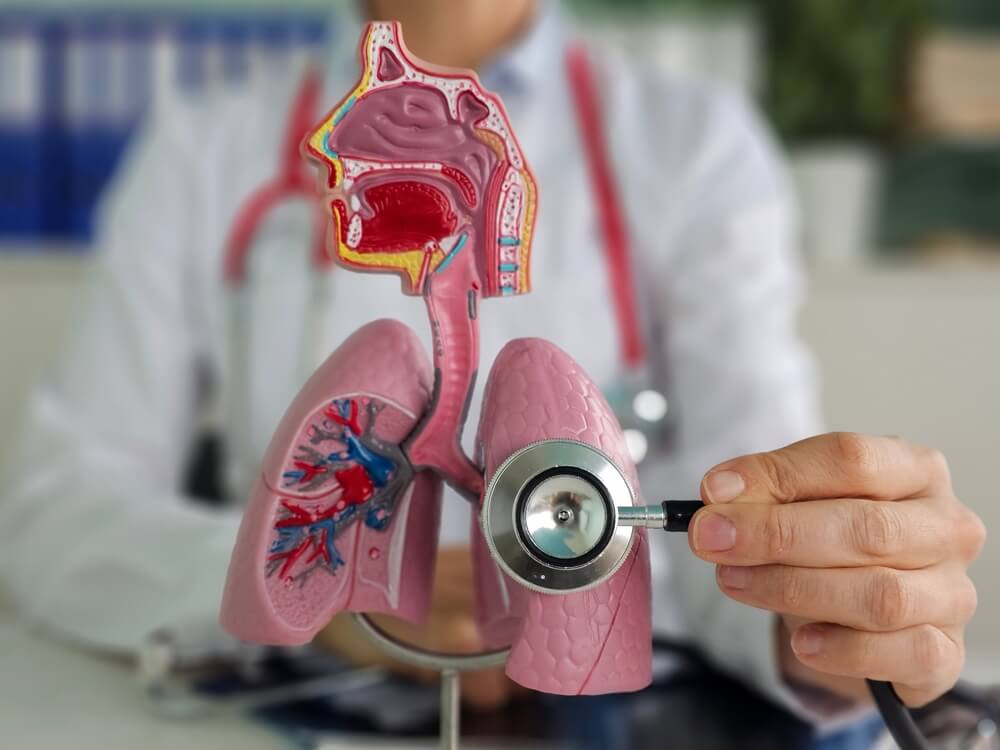
Why does bronchitis cause phlegm?
The bronchi warm, moisten and clean the air we breathe in. As this air contains particles of dirt and pathogens, the bronchial mucous membranes are lined with blood vessels, glands and fine cilia, which reliably filter out unwanted particles. Particles of dirt from the air become trapped in this mucus film. Through the natural movement of the cilia, they are transported to the throat and are then either swallowed or coughed up. In bronchitis, this cleansing function is disrupted. The mucous membrane becomes inflamed, produces more mucus and is more sensitive. This causes the typical urge to cough. The cough is therefore a protective reaction by the body: it helps to clear the airways once again.
What is bronchitis?
The lungs can be affected by various conditions. One of the most common is bronchitis. Anyone can develop bronchitis, but children are more likely to be affected than adults. There are two forms: acute and chronic bronchitis.
Acute bronchitis
Acute bronchitis is a sudden inflammation of the lining of the bronchi. It develops rapidly and usually subsides after a while. Depending on which part of the airways is affected, there are different medical terms:
- Tracheitis: inflammation of the windpipe
- Tracheobronchitis: inflammation of the trachea and bronchi
- Bronchitis: inflammation of the bronchi
- Bronchiolitis: inflammation of the small airways (bronchioles)
Chronic bronchitis
Chronic bronchitis is diagnosed when a cough and phlegm persist over a long period of time. According to the World Health Organisation’s definition, bronchitis is considered chronic if the symptoms persist for at least three months in two consecutive years. In everyday language, the term is often also used when a cough lasts for more than a year.
What causes acute bronchitis?
In over 90 per cent of cases, viruses are the cause of acute bronchitis. It particularly often develops as part of a common cold or flu-like infection. Common triggers include:
- Respiratory syncytial virus (RSV)
- Adenoviruses
- ECHO viruses
- Coxsackie viruses
- Rhinoviruses
- Coronaviruses
- Influenza viruses (flu viruses)
- Parainfluenza viruses
Acute bronchitis is rarely caused by a bacterial infection. However, it is possible for a bacterial infection to develop alongside a viral infection. This is known as a secondary infection. Possible bacterial pathogens include:
- Mycoplasma
- Chlamydia
- Streptococci
- Staphylococci
- Pneumococci
In people with a severely weakened immune system, fungi can also cause bronchitis in rare cases.
How do you catch bronchitis?
The pathogens are usually transmitted via droplet infection. This happens, for example, when sneezing, coughing or speaking. Tiny droplets containing pathogens are released into the air and inhaled by other people. The pathogens then settle in the nose and throat, where they multiply. As the risk of infection is high, those who are unwell should stay at home, rest and avoid close contact with other people as far as possible. Factors that can contribute to bronchitis include:
- the cold season
- dry air from central heating
- a weakened immune system
- smoking
- air pollution
In winter, the mucous membranes are often under greater strain. The constant alternation between cold outdoor air and warm, dry indoor air makes you more susceptible to pathogens and weakens the immune system.
What are the symptoms of acute bronchitis?
The most important symptom of acute bronchitis is a persistent, often severe cough. At first, the cough is usually dry. After a while, phlegm builds up. This is referred to as a ‘productive cough’. A distinction can be made here between a viral and a bacterial infection:
- In the case of a viral infection, the phlegm is usually clear and thick.
- In the case of a bacterial infection, it may also be yellowish or greenish.
Please note: however, the colour of the phlegm alone does not reliably indicate whether the cause is a virus or bacteria. The cough usually lasts for about two weeks and then gradually improves. Over time, it becomes easier and easier to cough up the phlegm from the lungs. Other possible symptoms include:
- Chest pain caused by frequent coughing
- Hoarseness
- A runny nose
- Sore throat
- Sneezing
- Headaches, muscle and joint pain
- Tiredness and general weakness
- Difficulty swallowing
- Occasional fever
When should you see a doctor for bronchitis?
Acute bronchitis often clears up on its own. However, it is important to seek medical advice if the symptoms are unusually severe or do not improve. You should see a doctor if:
- the cough lasts for more than two to three weeks or gets worse
- you have a high or persistent fever
- there is blood in your sputum
- you experience shortness of breath or loud breathing sounds
- you experience severe pain or a feeling of pressure in the chest
- your general condition is noticeably poor
- if you have underlying conditions such as asthma, COPD or cardiovascular disease
- infants, young children, older people or those with a weakened immune system are affected
Such symptoms may indicate the presence of a secondary bacterial infection, pneumonia or another condition. Doctors can determine the cause and decide whether specific treatment is necessary. 
How is bronchitis diagnosed?
During a consultation with the doctor, the symptoms are described in detail. It is important, for example, to state how long the cough has lasted, whether phlegm is being coughed up, whether there is a fever, and whether there is shortness of breath or chest pain. This is followed by a physical examination:
- The lungs are auscultated and percussed to detect any abnormal breathing sounds and to check whether the airways are narrowed and the lungs are ‘overinflated’. In this condition, air is trapped in the alveoli.
- The nose, mouth and throat are examined for any changes.
- Palpation of the neck can reveal any enlarged lymph nodes.
If a bacterial infection is suspected, a blood test may be carried out. Sputum can also be examined to identify the pathogen. If pneumonia is suspected, or if the course of the illness is severe or unusual, an X-ray of the lungs may be taken. This allows the lung tissue to be assessed more accurately.
How is acute bronchitis treated?
Acute bronchitis is usually caused by viruses and generally progresses without complications, resolving on its own. The following may help to relieve symptoms:
- Nasal sprays or drops to reduce swelling of the mucous membranes and make breathing easier
- Cough syrups or cough lozenges
- Mucolytic medicines
Expectorants help to thin out thick mucus, making it easier to cough up. Inhalations with saline solution can also help. For fever and/or severe pain, ibuprofen and active ingredients such as acetylsalicylic acid can help (do not use in children under 12 years of age). Cough suppressants may be useful if:
- the cough is very severe
- the cough is dry (without phlegm)
- the cough is disturbing your sleep
It is best to seek advice from a doctor or at a pharmacy. Other supportive measures include:
- drink plenty of fluids: water or unsweetened teas help to loosen phlegm
- get plenty of rest and take it easy
- Avoid irritants such as smoke or cold air
- suitable home remedies
These measures help the body to recover more quickly. You can read more about treating bronchitis with home remedies here. 
When should antibiotics be used?
Antibiotics do not help with bronchitis caused by viruses. They are only used if there is also a bacterial infection (secondary infection). In this case, the mucus is examined to select the appropriate antibiotic. However, antibiotics do not work equally well in every case.
What causes chronic bronchitis?
Chronic bronchitis is often referred to as a ‘smoker’s disease’. Smoking is the most significant risk factor for chronic bronchitis. A large proportion of those affected are smokers or have smoked for a long time. Smoking causes permanent damage to the mucous membranes of the airways. This leads to:
- persistent inflammation
- increased mucus production
- impaired mucus clearance, as there are fewer cilia in the lungs
Simple chronic bronchitis can generally be treated effectively. However, if left untreated, chronic bronchitis can progress to what is known as chronic obstructive pulmonary disease (COPD). This condition is incurable but treatable. Early treatment can help to relieve symptoms and slow down further deterioration of lung function. As well as smoking, frequent infections and the inhalation of harmful gases and fumes can also cause chronic bronchitis.
How is chronic bronchitis treated?
The most important step is to address the underlying cause. For smokers, this means giving up smoking. Giving up smoking can help the lining of the bronchi to recover and reduce symptoms. In addition, supportive measures can help:
- Inhalation therapy
- Tapping massages
- Breathing exercises
- Medicines to widen the airways or reduce inflammation
Bronchitis in children
In children under the age of three, acute bronchitis can severely narrow the airways, as their airways are still very narrow. If a lot of mucus builds up or the bronchi spasm, children can quickly develop breathing difficulties. In such cases, the condition is referred to as obstructive bronchitis. If such symptoms occur frequently, medical advice should be sought, as it could also be asthma.
How is bronchitis treated in children?
Uncomplicated bronchitis in children is usually treated gently. Key measures include:
- moist air (e.g. through inhalation)
- reducing a fever
- Rest and avoiding physical exertion
- plenty of fluids
If necessary, doctors may also prescribe medication to widen the airways (e.g. beta-2 sympathomimetics). These are often administered via inhalation. Infants and young children, who are more frequently affected, should, where possible, not be exposed to cigarette smoke or other pollutants. These further irritate the airways and increase the risk of further infections. 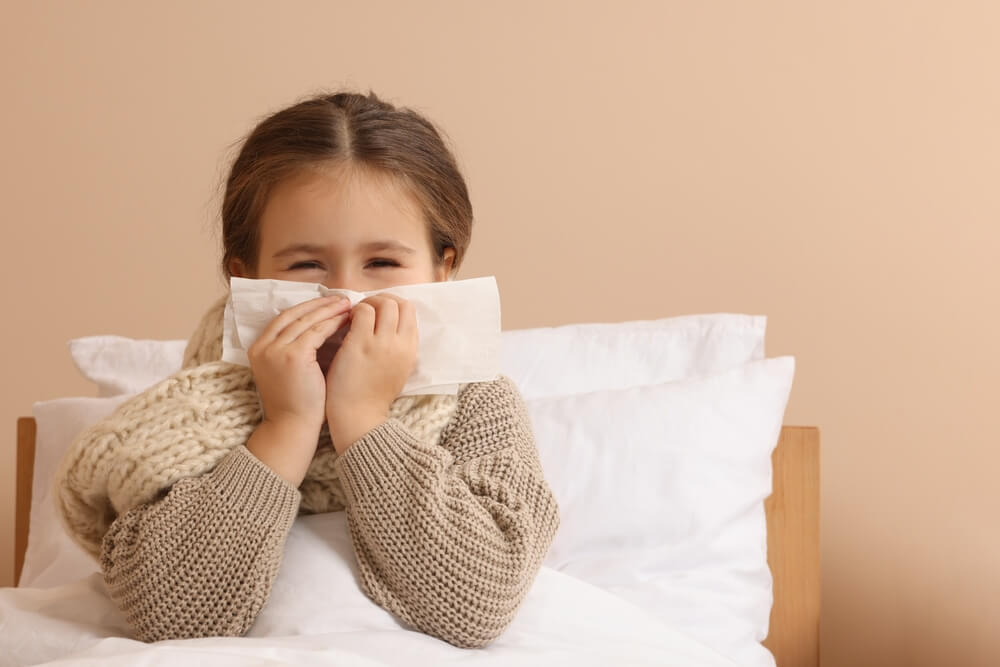
Preventing bronchitis – what you can do yourself
It is not always possible to avoid infection. Many people do not realise they are carrying a pathogen before symptoms appear and are already contagious. Nevertheless, there are a number of things everyone can do to strengthen their immune system and lungs:
- Giving up smoking: Quitting smoking is not only beneficial for your lungs, but for your overall health. Smokers are at increased risk of respiratory diseases such as acute bronchitis, chronic bronchitis, chronic obstructive pulmonary disease (COPD), pneumonia and lung cancer.
- Hygiene measures: Many pathogens are transmitted via droplet infection, for example when speaking, coughing or sneezing. Therefore:
- Keep your distance from people who are sneezing or coughing
- sneeze or cough into the crook of your arm
- Avoid contact with people who are unwell wherever possible
- Wash your hands regularly
- Healthy diet: Fruit and vegetables strengthen the immune system and provide the body with essential vitamins, minerals, trace elements and phytochemicals.
- Exercise: Regular physical activity strengthens the body’s defences and has a generally positive effect on health. It is important to find a level that suits your own fitness level
- Fresh air: People who are regularly exposed to air with high levels of pollutants, in particular, should spend plenty of time outdoors, for example in the woods, by the sea or in the mountains.
- Flu vaccination: A flu vaccination is recommended for certain groups of people, for example:
- People over the age of 50
- People with chronic conditions
- People with a weakened immune system
- The vaccination can help to prevent serious respiratory illnesses.
FAQ
Acute bronchitis is usually caused by a virus. Bacterial causes are much less common and usually occur as what is known as a secondary infection, i.e. on top of an existing viral infection.
Viral bronchitis often begins with cold-like symptoms such as a runny nose, a sore throat and a dry cough. The phlegm is usually clear or whitish.
If a bacterial infection is involved, the patient’s general state of health may deteriorate significantly, and the sputum tends to become yellowish or greenish.The colour of the phlegm alone is not definitive proof of a bacterial infection. If necessary, doctors will carry out blood tests or analyse the sputum to determine the cause more precisely.
An accurate assessment of the symptoms and the cause of bronchitis is important for the correct treatment. A study from 2024, based on an analysis of case reports from around the world, showed that antibiotics are prescribed far too frequently for respiratory tract infections – even in the absence of obvious signs of a bacterial infection. However, this promotes the development of antibiotic resistance and does not lead to the desired improvement.
No, bronchitis and pneumonia are not the same thing, even though both conditions affect the airways. In bronchitis, it is primarily the bronchi – that is, the larger airways – that become inflamed. The condition is usually mild and often clears up on its own. Pneumonia, on the other hand, affects the lung tissue itself, particularly the alveoli. It is generally more serious and is more often caused by bacteria.
Typical symptoms of pneumonia are:
- high fever
- chills
- severe breathing difficulties
- a marked deterioration in general health
Whilst bronchitis is usually treated on an outpatient basis, pneumonia may require more intensive treatment; sometimes hospitalisation is necessary. If pneumonia is suspected, medical advice should always be sought.
In the case of acute bronchitis, patients should stay at home for as long as they feel unwell and may be contagious. The illness usually lasts for about one to two weeks. The risk of infection is particularly high in the first few days, as many viruses are transmitted via droplet infection. It is therefore advisable to avoid contact with others and to rest during this time.
Even if the symptoms improve, the cough may persist for some time.
A return to work or school is possible if:
- there is no longer a fever
- you are feeling well
- you feel up to it
Pushing yourself too soon can delay the recovery process. It is therefore important to give your body sufficient time to recover.
Antibiotics are usually not necessary for acute bronchitis, as it is caused by viruses in most cases. Antibiotics are not effective against viruses.
They are only considered if there are signs of a bacterial infection or if a bacterial infection develops alongside the viral one. The doctor will decide whether an antibiotic is appropriate.
Acute bronchitis can be contagious if it is caused by viruses or bacteria. The pathogens are usually transmitted via droplets, for example when coughing, sneezing or speaking.
The risk of infection is often higher, particularly in the first few days. People who are unwell should therefore minimise contact with others as much as possible, cough or sneeze into the crook of their arm, and wash their hands regularly.


Professional Association of German Internists: Chronic Bronchitis; Internists Online, https://www.internisten-im-netz.de/krankheiten/bronchitis-chronisch.html; accessed 7 December 2021
Acute Bronchitis, Pulmonologists Online, https://www.lungenaerzte-im-netz.de/krankheiten/bronchitis-akut/was-ist-akute-bronchitis/; accessed 19 May 2026
Emanuel Munkhambwa; Acute Cough and Bronchitis – What the Guidelines Recommend, Apotheker Krone 02/2014, Ärztekrone VerlagsgesmbH
Holzinger F. et al., Diagnosis and treatment of acute cough in adults; Dtsch Arztebl Int 2014; 111(20): 356–63; DOI: 10.3238/arztebl.2014.0356, Deutscher Ärzte-Verlag GmbH
Guidance on Cough and Bronchitis; Apotheker Krone 21/2012, Ärztekrone VerlagsgesmbH
Mag. pharm. Eva Owesny, Commentary on the guidance on coughs and bronchitis; Apotheker Krone 21/2012, Ärztekrone VerlagsgesmbH
Dr Claudia Uhlir; Bronchitis and Pneumonia – Which Antibiotic When?, Universum Innere Medizin 10/2011, MedMedia Verlag und Mediaservice GmbH
Lung Information Service. Acute and chronic bronchitis. https://www.lungeninformationsdienst.de/krankheiten/virale-infekte/akute-und-chronische-bronchitis/grundlagen Accessed April 2026
Apotheken Umschau. Acute Bronchitis. https://www.apotheken-umschau.de/einfache-sprache/krankheiten/akute-bronchitis-750471.html Accessed April 2026
Gesundheitsinformation.de. Acute bronchitis. https://www.gesundheitsinformation.de/akute-bronchitis.html#Behandlung Accessed April 2026
Gesundheitsinformation.de. Pneumonia. https://www.gesundheitsinformation.de/lungenentzuendung.html Accessed April 2026
Gesundheit.gv.at. Bronchitis. https://www.gesundheit.gv.at/krankheiten/atemwege/akute-bronchitis.html Accessed April 2026
Praktisch Arzt.de. Distinguishing between pneumonia and bronchitis https://www.praktischarzt.de/magazin/lungenentzuendung-oder-bronchitis/ Accessed April 2026
Kasse, G.E., Cosh, S.M., Humphries, J. et al. Antimicrobial prescription patterns and appropriateness for respiratory tract infections in outpatients: a systematic review and meta-analysis. Syst Rev 13, 229 (2024). https://doi.org/10.1186/s13643-024-02649-3. Accessed April 2026
Dr Oskar Janata, Head of Department of Infectious Diseases, Al Ain Hospital, Abu Dhabi, UAE; Acute Bronchitis in Adults, Universum Innere Medizin 05/2011, MedMedia Verlag und Mediaservice GmbH
Dr Christophe von Garnier; Acute Bronchitis – Differential Diagnosis and Treatment Strategy, ARS Medici 2 2009; Rosenfluh Publikationen AG