
Infectious Diseases
Infectious diseases is a branch of internal medicine that specialises in the diagnosis, treatment and prevention of infectious diseases. This specialism is particularly important in the case of diseases caused by bacteria, viruses, fungi or parasites. The main infectious diseases treated in hospitals include HIV/AIDS, tuberculosis, severe pneumonia, diarrhoeal diseases, meningitis, hepatitis, malaria and viral haemorrhagic fever.
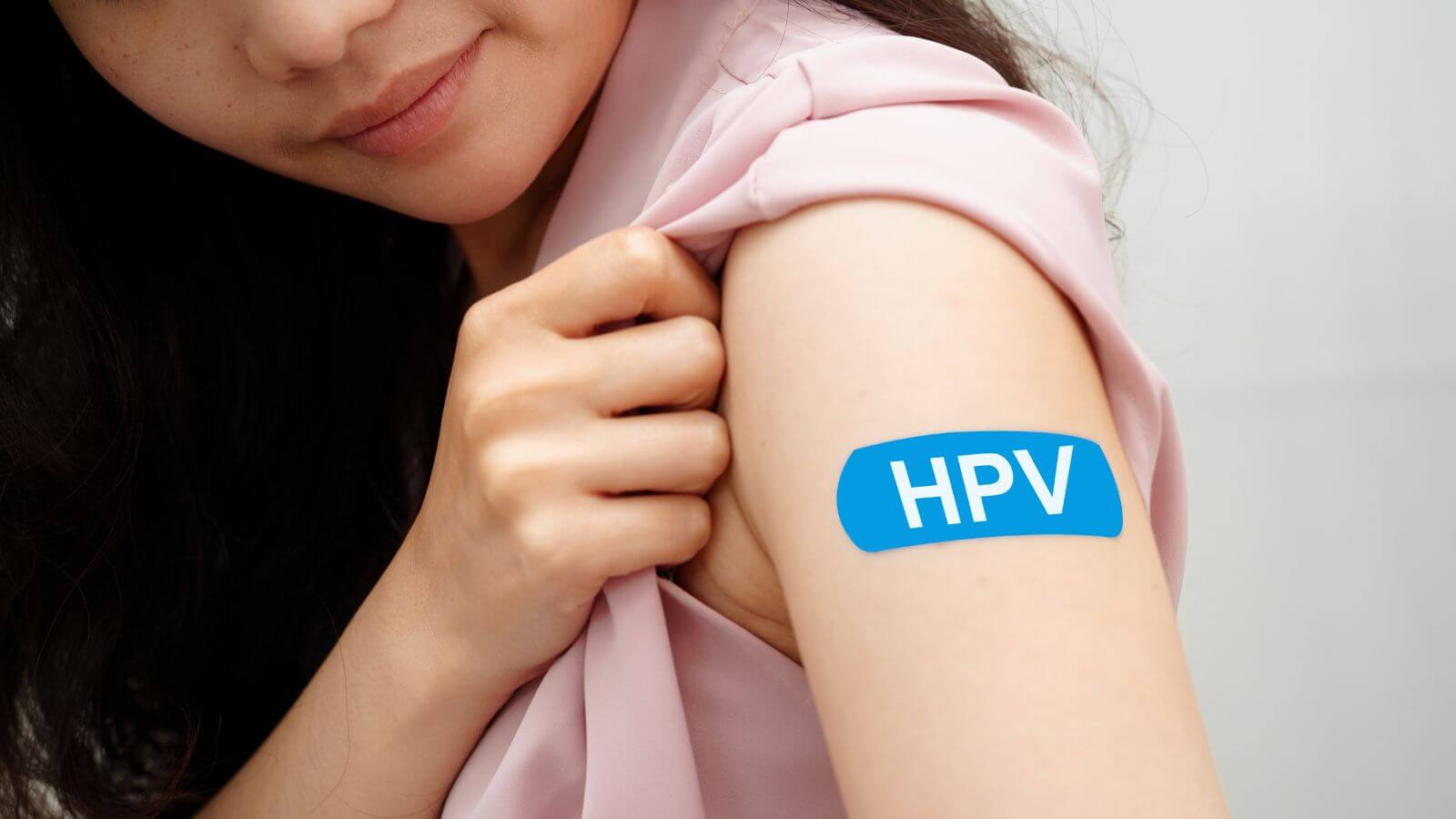
HPV vaccination against cervical cancer
Human papillomaviruses (HPV) are a type of virus that can cause various diseases in humans.
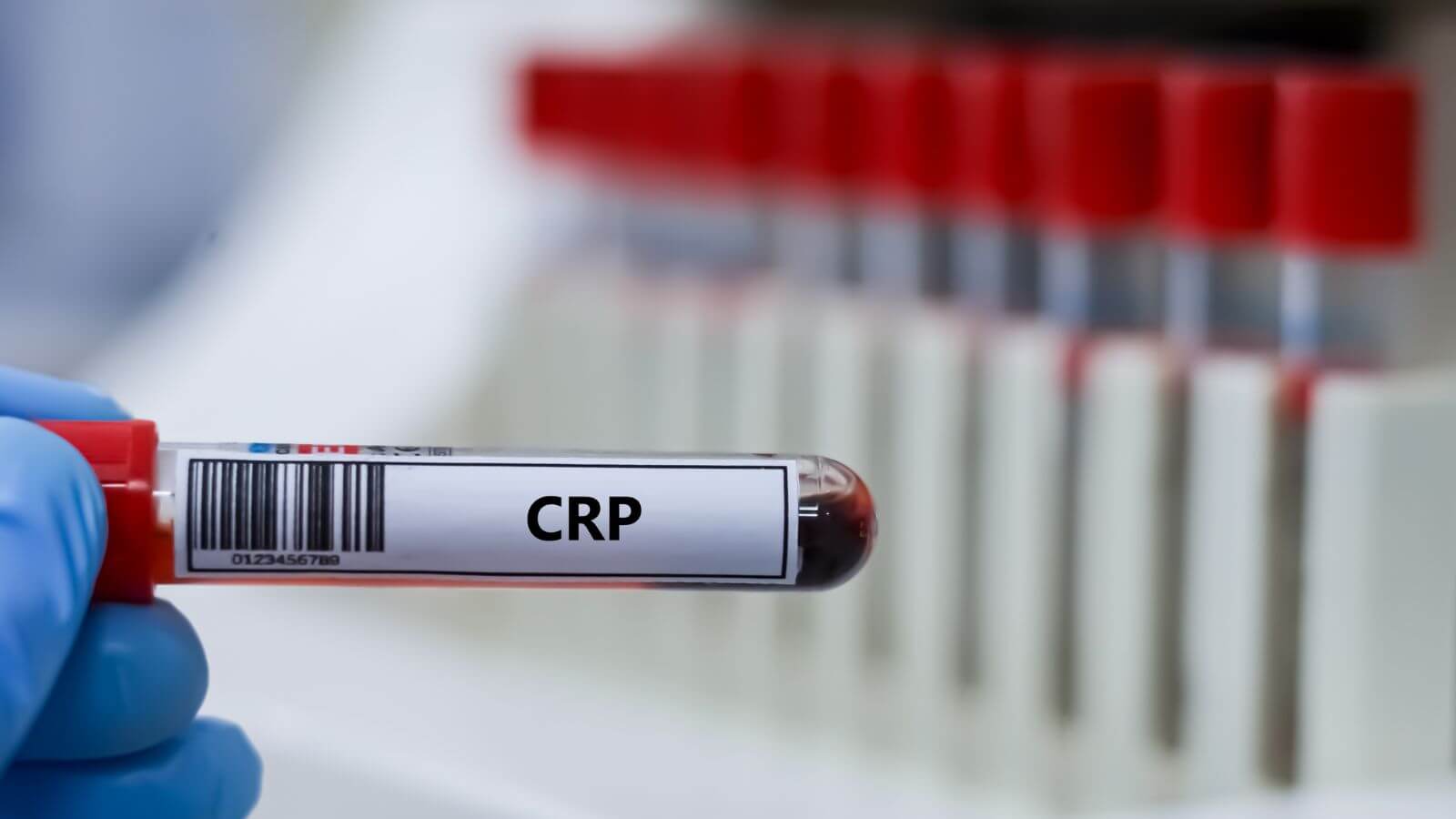
CRP level: What this blood test reveals about inflammation
Your CRP level is elevated and you’re wondering what that means? C-reactive protein (CRP) is an important marker of inflammation in the blood.

Sore throat – causes, symptoms and treatment
A sore throat can have many causes and often occurs alongside difficulty swallowing, hoarseness or a headache. In many cases, it is caused by viral infections such as a cold or flu, but bacterial infections or irritants may also be to blame.

Colds (flu-like infections): What really helps?
A flu-like infection, often referred to as a cold, is an infection of the nasal mucosa and the upper respiratory tract. A cold usually begins with a sore throat or a tickle in the throat, followed shortly afterwards by a runny nose.

Skin rashes: What causes redness, spots and blisters?
The possible causes of a rash range from allergies and skin conditions to infectious diseases, stress, psychological strain and many more.

Sick again? What lies behind frequent colds.
When a runny nose and a cough become constant companions, there is often more to it than just bad luck. The body is sending signals that the immune system needs support. In this article, you’ll find out what weakens the body’s defences and what targeted strategies you can use to finally break the cycle
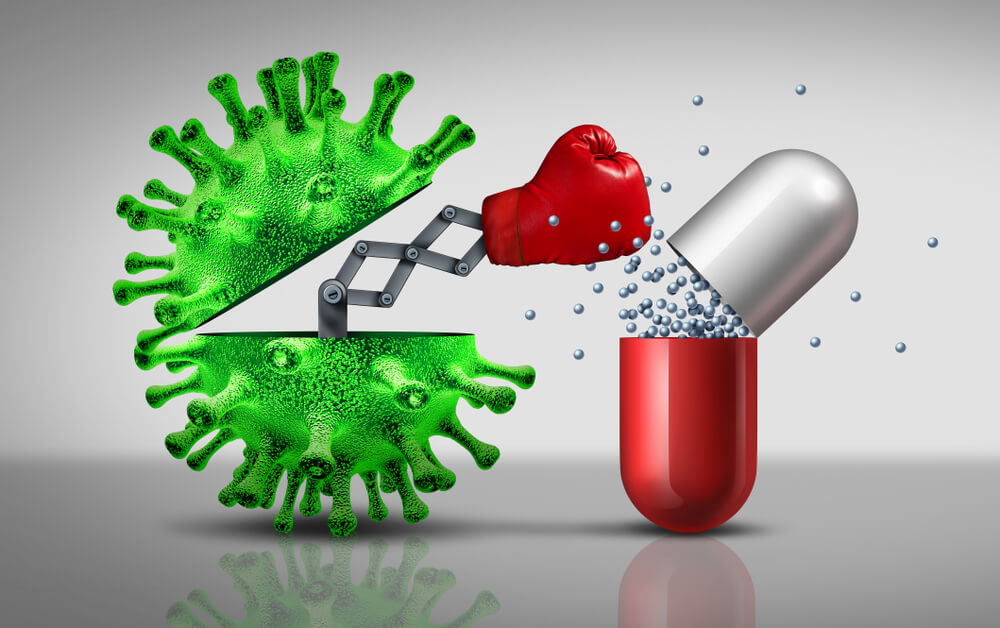
Antibiotic resistance
Antibiotic resistance refers to the development of bacterial resistance to antibiotics. As a result, these medicines can lose their effectiveness, meaning that bacterial infections can no longer be treated effectively.

RSV vaccination
The RSV vaccination protects against infection with the respiratory syncytial virus (RSV), which can cause respiratory symptoms – sometimes severe and life-threatening – particularly in infants, young children and older adults.
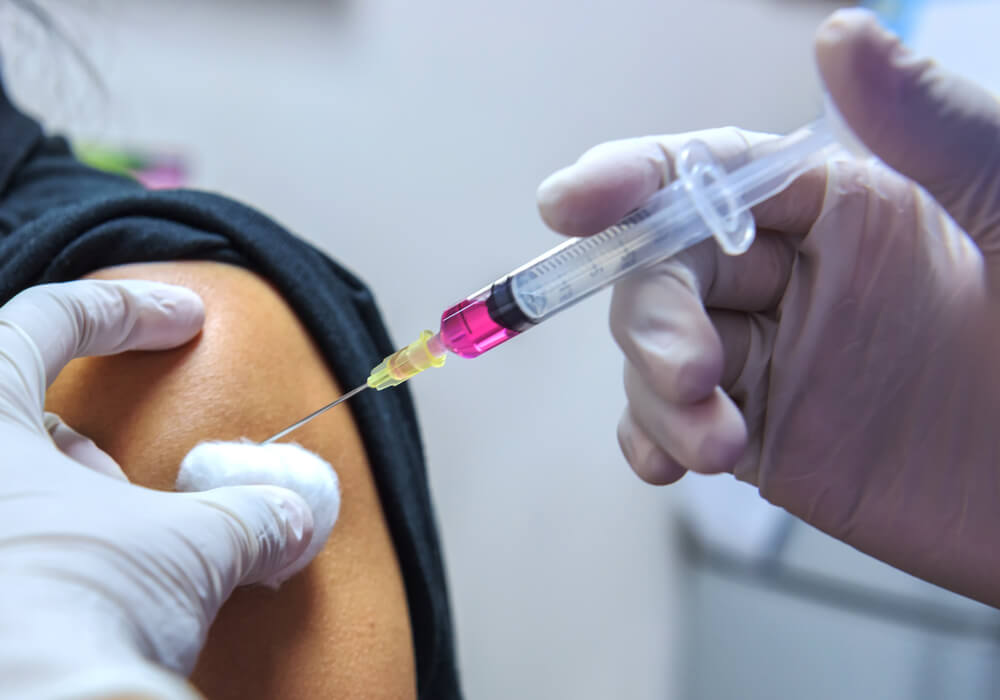
Flu vaccination (vaccination against influenza)
The flu jab (influenza vaccination) not only offers a high level of protection against the flu itself, but also, in particular, protects against severe cases of the illness, which can be accompanied by life-threatening complications such as pneumonia or myocarditis.
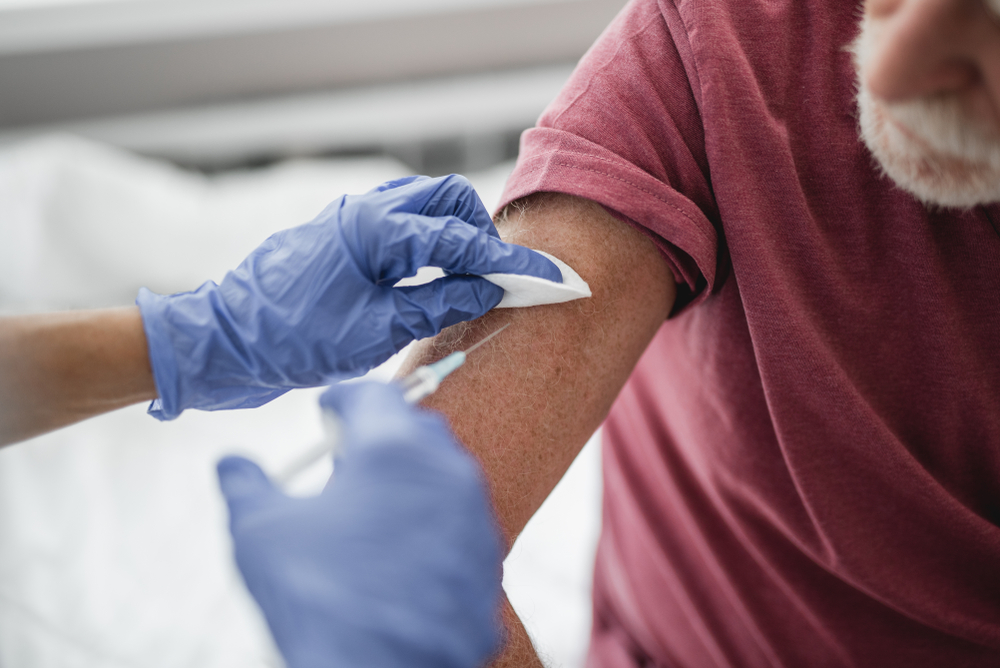
Pneumococcal vaccination
However, the pneumococcal vaccine offers effective protection against the disease. In this article, you will find out why pneumococcal infection can be dangerous, how the vaccine protects you, and what you need to bear in mind.
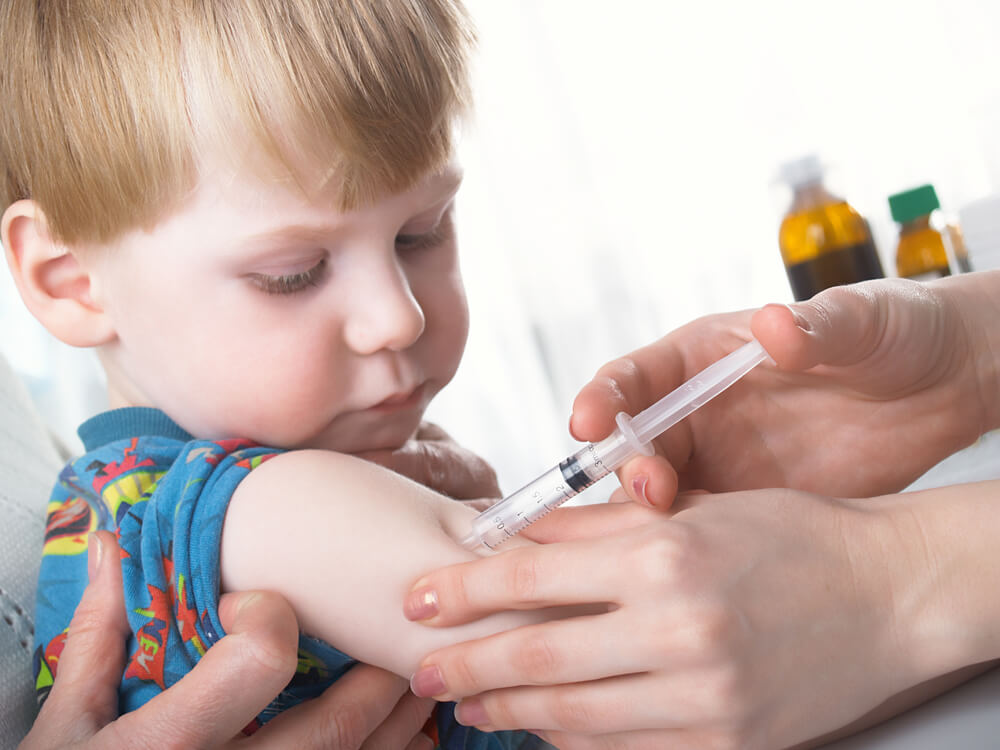
Chickenpox vaccination
The chickenpox vaccine protects against infection with the highly contagious varicella-zoster virus. In this article, you will find out who should be vaccinated, what the Austrian vaccination schedule entails, and other important information about the chickenpox vaccine.

Chickenpox – Definition, Symptoms, Treatment
Chickenpox (varicella) is a highly contagious viral disease. It mainly affects children, but adults can also be affected.

Vaccination against measles, mumps and rubella (MMR vaccination)
Measles, mumps and rubella are highly contagious viral diseases that are found all over the world. They are transmitted via droplet infection, primarily through talking, coughing and sneezing. All three diseases can lead to serious complications or long-term health problems.

Treatment of pneumonia
You can find out here which factors influence the course of the illness and its treatment.