Summary
Factbox – Chickenpox
Chickenpox: a viral infection
Other names: varicella, chickenpox, sheep pox, etc.
Causative agent: Varicella-zoster virus (VZV; first infection causes chickenpox, second infection causes shingles)
Transmission: Droplet and contact transmission; during pregnancy (rare)
Incubation period: Approximately 12 to 21 days
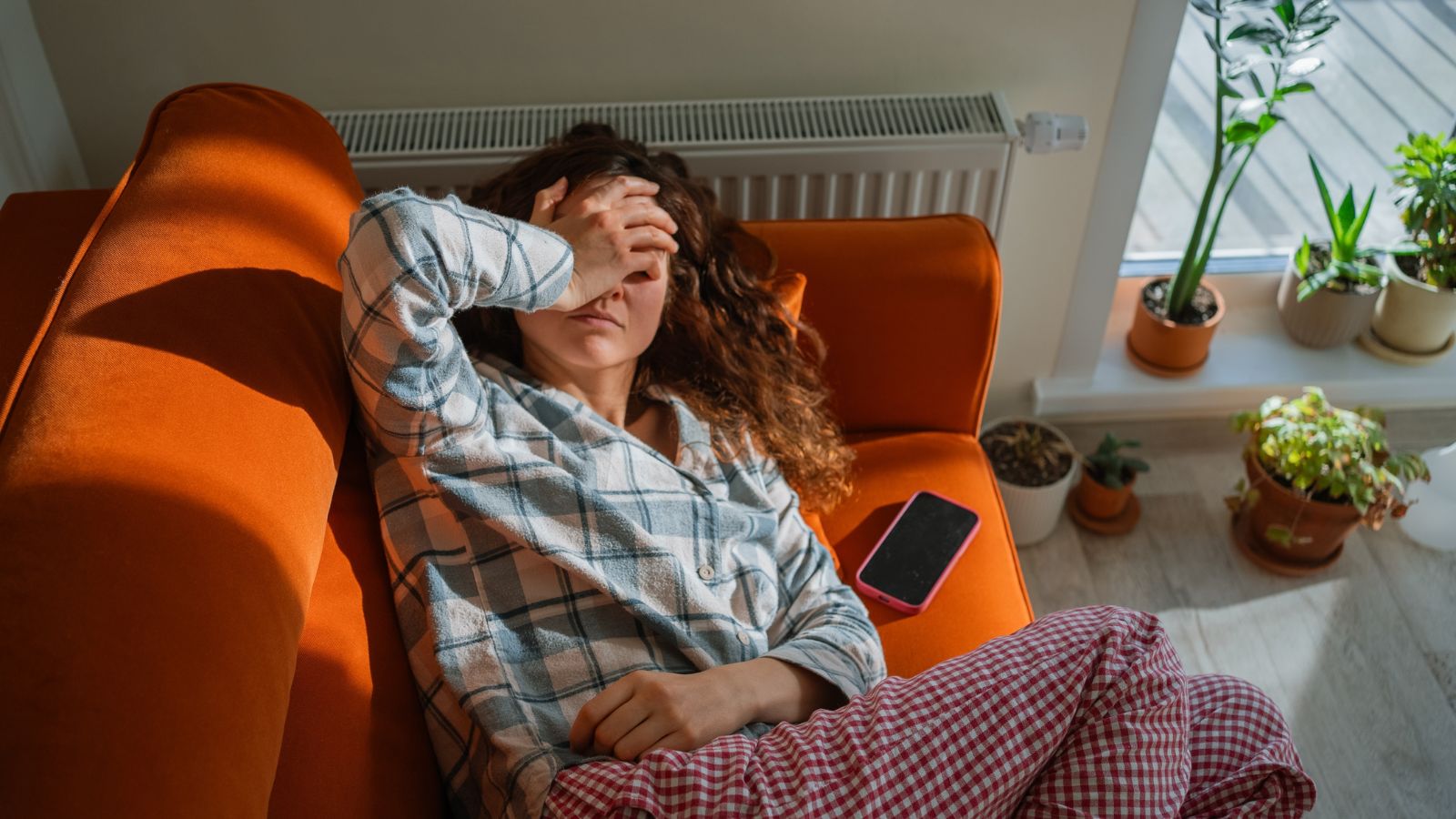
Symptoms: Initially, general symptoms such as feeling unwell, fatigue, headache and aching limbs, a rash with fluid-filled blisters (initially on the face and trunk, later also affecting the mucous membranes, arms, legs and scalp), severe itching, fever, etc.
Contagious period: Ends once all blisters have formed scabs
Possible complications/consequential conditions: Bacterial superinfection (additional bacterial inflammation of the blisters), pneumonia, complications affecting the central nervous system and other organs, amongst others; scarring may result from excessive scratching or bacterial superinfections
Prevention: Vaccination; avoiding contact with infected individuals
Treatment: Topical anti-itch medications; in some cases, antibiotic therapy for secondary bacterial infection; antiviral drugs (for severe cases or patients with a weakened immune system), amongst others
What is chickenpox?
Chickenpox, also known as varicella, is an infectious disease that mainly affects children, although adults can also catch it. The disease is caused by the varicella-zoster virus (VZV), which belongs to the herpesvirus family. This virus is highly contagious and, in addition to chickenpox, also causes shingles.
How is chickenpox transmitted?
Infection with the varicella-zoster virus occurs in two ways:
- Droplet transmission: Tiny droplets of secretion containing the virus are released into the air when a person speaks, coughs or sneezes, and are inhaled by others.
- Contact transmission: This occurs through direct contact with the fluid in the skin blisters of an infected person. Transmission is also possible via saliva.
Infection with the varicella-zoster virus can also occur via objects such as toys, door handles or taps, as the virus can remain infectious outside the body for a few hours to a few days.
How long is the incubation period for chickenpox?
The time between infection and the appearance of the first symptoms is around 12 to 21 days. In rare cases, the incubation period can be up to 4 weeks.
What is the link between chickenpox and shingles?
Most people contract chickenpox during childhood, and those who had the viral infection as children are usually immune to reinfection for the rest of their lives. However, the virus remains in the body and can be reactivated later under certain circumstances, leading to shingles. After someone has recovered from chickenpox, the varicella-zoster virus remains in an inactive state within the body’s nerve cells. Over time, often many years later, the virus can become active again. When this reactivation occurs, shingles develops, characterised by a belt-shaped rash with fluid-filled blisters.
Can people with shingles pass on chickenpox to others?
This is possible. If a person who has already had chickenpox later develops shingles and infects someone who has no immunity to the varicella-zoster virus (either through a previous infection or through vaccination), then that person may develop chickenpox.
What are the symptoms of chickenpox?
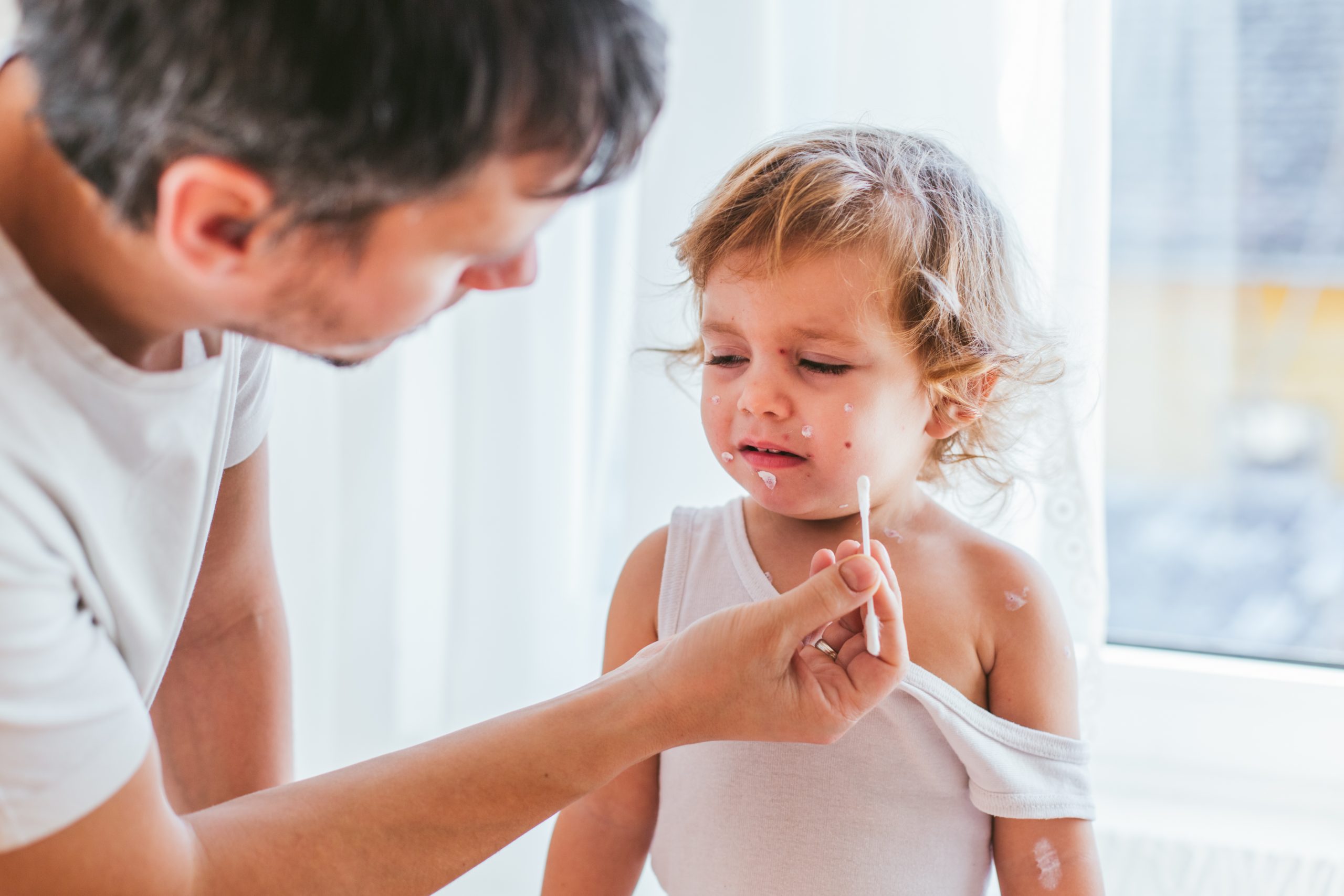
Chickenpox is characterised by a distinctive rash consisting of fluid-filled blisters and severe itching. The first signs of chickenpox are often general symptoms such as feeling unwell, fatigue, and headaches and aching limbs. The typical rash usually appears between the third and fifth day of the illness. It starts with small red spots, which quickly develop into blisters containing clear fluid. These blisters first appear on the face and trunk and may later spread to the mucous membranes as well as the arms, legs and scalp. The itching is often severe, and a fever may develop.
What happens when the blisters form scabs?
After a few days, the blisters start to dry out and form scabs, which later fall off. Once all the blisters have scabbed over, the person is no longer contagious. In most cases, the blisters heal without leaving any scars.
How does a doctor diagnose chickenpox?
Doctors usually diagnose chickenpox on the basis of the characteristic symptoms, particularly the typical rash with fluid-filled blisters and severe itching. In unclear cases, blood tests may be carried out to confirm the presence of the varicella-zoster virus or antibodies against the virus.
What complications can arise from chickenpox?
Although chickenpox usually causes no complications in healthy people, it can sometimes lead to more serious problems. A common complication is a bacterial superinfection of the blisters. Other serious complications may include:
- Pneumonia (varicella pneumonia)
- Encephalitis
- Complications affecting the central nervous system and
- inflammation of other organs, such as the heart muscle, kidneys, joints and cornea.
How does the course of the disease differ in adults compared with children?
Chickenpox is less common in adults, but the illness is often more severe than in children. The risk of complications is higher in adults, particularly in pregnant women and people with weakened immune systems. Adults often feel more unwell and develop more blisters than children. The illness can last longer in adults.
Is chickenpox dangerous for pregnant women?
Yes, chickenpox can be dangerous for pregnant women. An infection during pregnancy can pose risks to the unborn child, particularly in the first and second trimesters. It can lead to miscarriage or various birth defects in the unborn child, known as varicella syndrome, which can result in limb malformations or brain damage.
How is chickenpox treated?
Treatment for chickenpox is mainly aimed at relieving the symptoms, particularly when the course of the illness is uncomplicated.
- Relieving the itching
Anti-itch remedies such as creams, lotions, gels or powders can be applied directly to the blisters on the skin to relieve the itching.
- Fever-reducing medicines and painkillers
If necessary, fever-reducing medicines and painkillers can be used.
- Preventing the itching from getting worse
As heat and sweat can make the itching worse, it is recommended to ensure a comfortable room temperature and to wear breathable cotton clothing.
- Preventing bacterial infections and scarring
To reduce the risk of bacterial infections and scarring, you should avoid scratching the blisters. Keeping your fingernails short and wearing cotton gloves can help with this.
- Antibiotic treatment and antiviral drugs
Antibiotics are not usually effective against chickenpox, unless there is a bacterial secondary infection. In severe cases of the disease, particularly in patients with a weakened immune system, antiviral medicines (antiviral drugs) may be used to inhibit the replication of the virus.
How can chickenpox be prevented?
The most effective method of preventing chickenpox is vaccination. According to the Austrian Immunisation Schedule, the following is recommended:
- Recommendations for children:
- First vaccination at the age of one year.
- Second vaccination at least four weeks after the first, ideally before attending communal facilities such as nurseries.
- Recommendations for adolescents and adults:
- A ‘catch-up vaccination’ is recommended for all adolescents aged between 9 and 17 who have not yet had chickenpox or have not been vaccinated.
- Adults, particularly women of childbearing age who do not have antibodies against chickenpox (seronegative), as well as carers of children and healthcare workers, should also be vaccinated.
People who have not been vaccinated should avoid contact with those who are ill to prevent infection.
- Passive immunisation:
In cases where active vaccination is not possible, there is the option of passive immunisation with varicella-zoster immunoglobulin (VZIG). This measure is recommended in particular for people with a weakened immune system and for unvaccinated pregnant women with no detectable immunity. It should be administered within 96 hours of exposure, if possible.
Who diagnoses chickenpox?
Chickenpox is usually diagnosed by
- GPs
- paediatricians or, in some cases,
- dermatologists.
FAQ
Chickenpox is contagious for about 2 days before the rash appears. The risk of transmission ends once all the blisters have formed scabs, which is usually about 5 to 7 days after the rash first appears.
Chickenpox is recognised by a characteristic rash consisting of fluid-filled blisters and severe itching, often accompanied by general symptoms such as fever, malaise and headache.
Symptoms include:
- Fluid-filled blisters on the skin
- Severe itching
- Fever and feeling unwell
- Headache and aching limbs
Yes, it is possible to catch chickenpox despite having been vaccinated, but in most cases the illness is very mild.
Yes, chickenpox can be more severe in adults and is associated with a higher risk of complications.


https://www.sozialministerium.at/Themen/Gesundheit/Impfen/Impfplan-Österreich.html, accessed January 2024
Lienhard A.; Update on chickenpox and shingles – treatment of zoster and vaccination against varicella and zoster, Medicos, Swiss Journal of Dermatology 03/2013, Rosenfluh Publications AG
Leodolter S. et al.; Series: Viral infections during pregnancy – Part 3 – Varicella and herpes zoster, Gyn-Aktiv 03/2011, MedMedia Verlag und Mediaservice GmbH
The course of varicella – complications more common than thought, Deutsches Ärzteblatt 101(20)/2004, Deutscher Ärzteverlag GmbH
Gabler-Sandberger E.; Varicella-Zoster Virus: Chickenpox Should Not Be Considered Harmless, Deutsches Ärzteblatt 97(15)/2000, Deutscher Ärzteverlag GmbH
Chickenpox, Herpes Zoster (Shingles), RKI Guide, Robert Koch Institute, URL: https://www.rki.de/DE/Content/Infekt/EpidBull/Merkblaetter/Ratgeber_Varizellen.html, as at 27 February 2024
https://www.sozialministerium.at/Themen/Gesundheit/Uebertragbare-Krankheiten/Infektionskrankheiten-A-Z/Feuchtblattern-(Varizellen,-Windpocken).html, accessed February 2024
https://www.who.int/teams/health-product-policy-and-standards/standards-and-specifications/vaccine-standardization/varicella, accessed in February 2024