Summary
Factbox – Urticaria
Definition: Urticaria is a common, non-contagious skin condition that can be triggered by internal and external factors and may be acute or chronic. It is caused by the release of histamine from mast cells, which leads to vasodilation, swelling and itching of the skin.
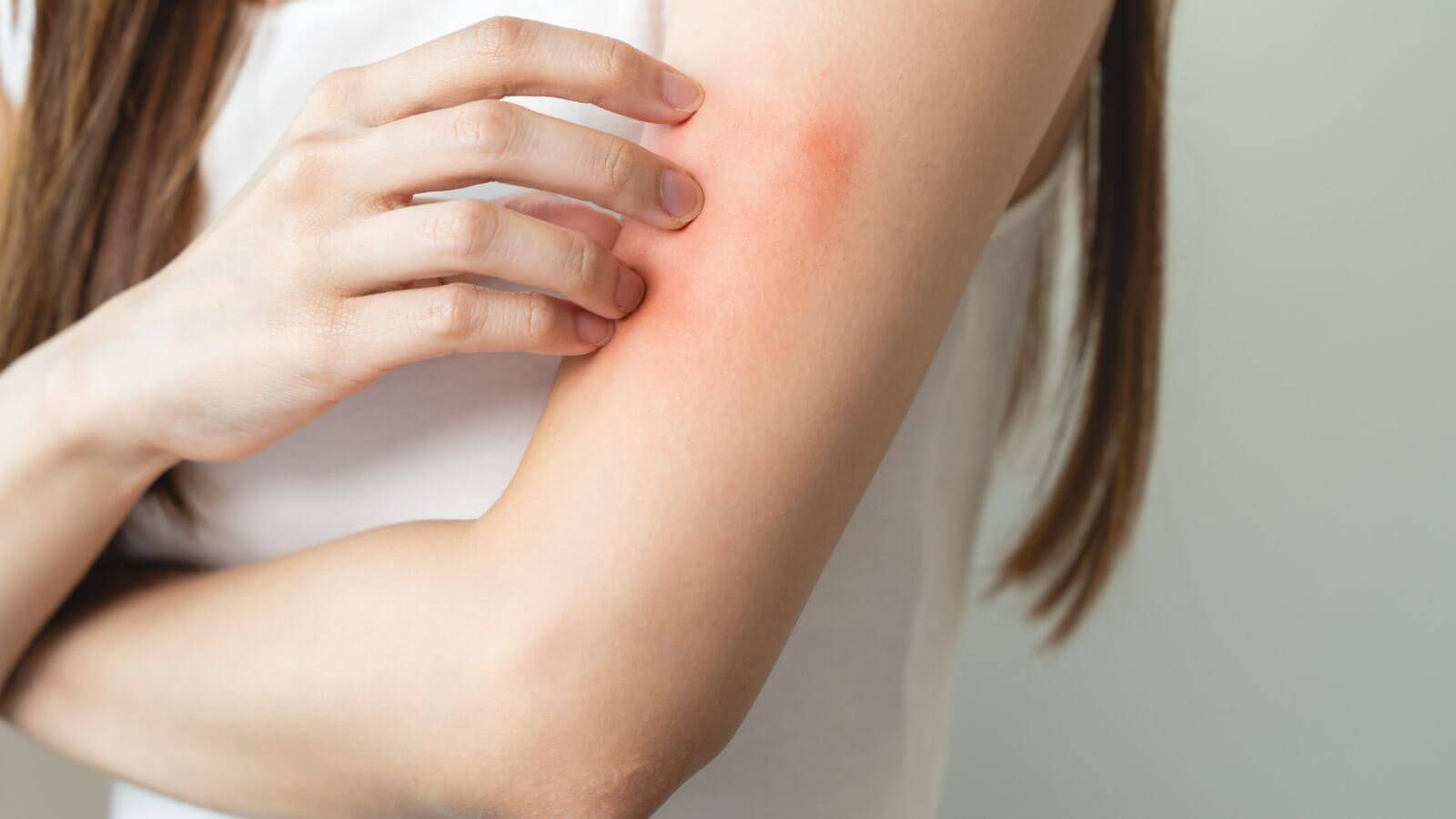
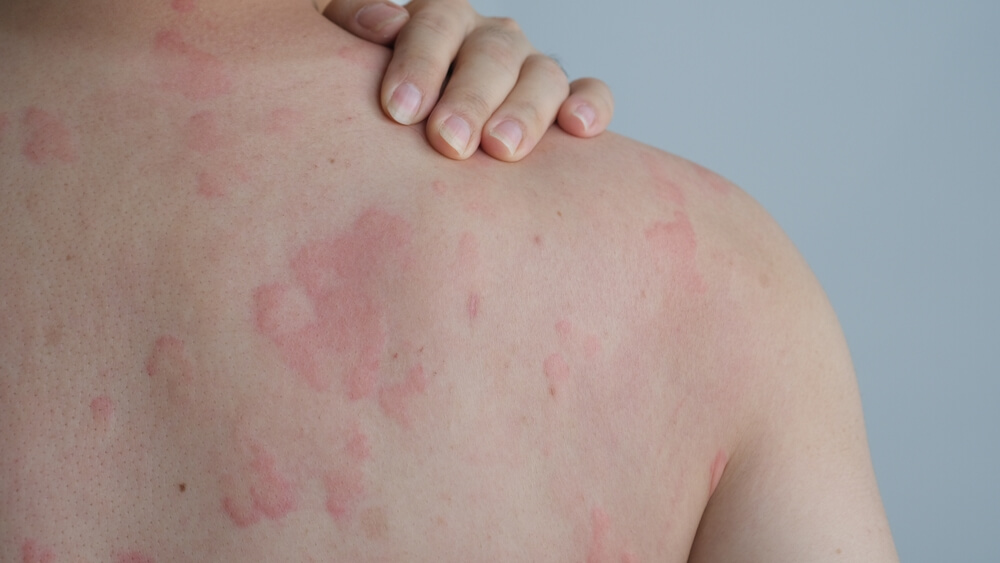
Key symptom: Skin lesions in the form of wheals. These itchy, red, raised patches of skin can range in size from a few millimetres to several centimetres and may appear as isolated spots or cover large areas of the body.
Other possible symptoms: itching, a burning sensation, pain and skin hypersensitivity, swelling of deeper skin layers, as well as difficulty swallowing, breathing difficulties, tiredness and fatigue
Types: acute urticaria (duration: less than six weeks) and chronic urticaria (duration: more than six weeks). A distinction is also made between chronically inducible urticaria and chronic spontaneous urticaria.
Possible triggers of chronic inducible urticaria: including cold (cold urticaria), heat (heat urticaria), light (light urticaria), pressure (pressure urticaria), friction, scratching and rubbing (urticaria factitia)
Diagnosis: Medical history, skin examination and, where necessary, further investigations (physical provocation test, allergy tests, laboratory tests, elimination diet, etc.)
Treatment: Medication with antihistamines. In cases of chronic urticaria, treatment follows a three-stage treatment plan.
Further treatment measures: Avoiding known triggers, anti-itch creams and ointments
What is hives?
Hives is a non-contagious skin condition in which itchy welts suddenly appear. These skin lesions resemble those caused by contact with stinging nettles, hence the name. The welts can range in size from a few millimetres to several centimetres and may appear individually or over a large area.
Typically, the affected areas of skin are very itchy, burn or feel tight. Sometimes, deeper layers of skin or mucous membranes also swell. Doctors refer to this as angioedema.
The skin reactions can occur on various parts of the body, frequently on the face, hands, neck or in the crooks of the arms. Hives also often develop in areas where clothing rubs against or exerts pressure on the skin.
Although hives are not dangerous, they can be very distressing. The constant itching disrupts sleep, the visible skin changes can be perceived as unpleasant, and the condition significantly impairs the quality of life for many sufferers.
Cause: How does hives develop?
In most cases, the skin reacts to certain stimuli by releasing excessive amounts of the neurotransmitter histamine. The mast cells (mastocytes) of the immune system play a key role in the development of hives. These cells can release various neurotransmitters. Mast cells are, amongst other things, of great importance in defending against pathogens and in wound healing. They also play a key role in allergies, particularly in immediate allergic reactions.
When mast cells are activated by a stimulus, they release mediators into the surrounding tissue. Histamine is one of these mediators. As a tissue hormone, it is found almost everywhere in the body, including the skin, and plays an important role in many physiological processes.
When histamine is released, the blood vessels dilate. This allows fluid to leak into the tissue, leading to redness and hives. Histamine also irritates the nerve endings, causing the characteristic itching.
However, an allergy is not always the trigger. Infections, physical stimuli such as cold or pressure, stress or a dysregulation of the immune system can also activate mast cells and cause similar reactions.
What are the symptoms of hives?
Hives is a very common skin condition. One in every four to five people will experience hives at least once in their lifetime. Different forms of the condition are recognised.
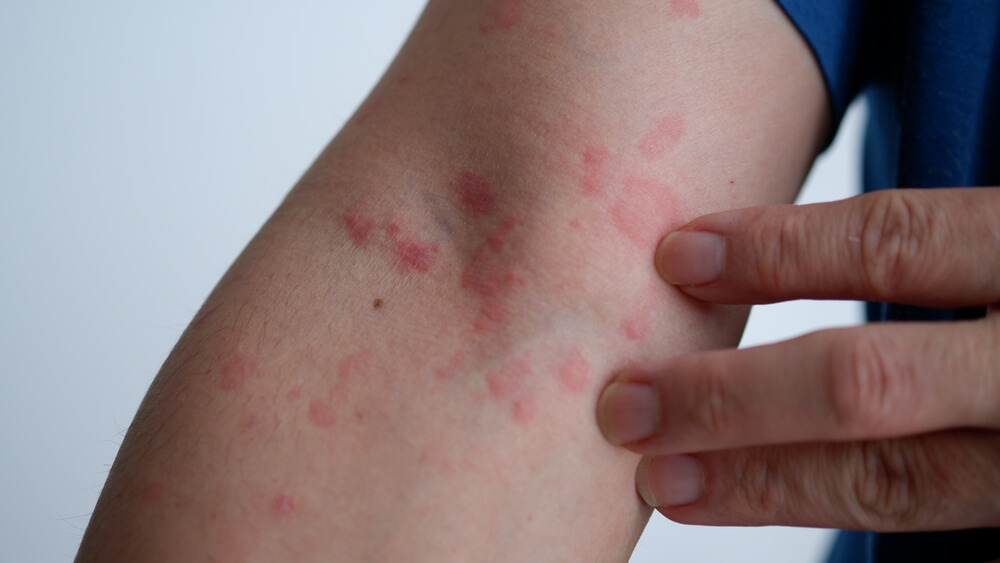
The most noticeable symptom of urticaria is wheals. These are swollen, reddened and itchy patches of skin. These skin changes are typical of every form of the condition and can occur in isolated patches or over large areas, affecting the whole body.
The size of the wheals also varies from person to person – in some cases, the skin lesions are only a few millimetres in size, whilst in others they can reach several centimetres. The hives are accompanied by severe itching. The affected areas of skin often feel a burning sensation, are sensitive or painful. Sometimes, swelling of the deeper layers of the skin, known as angioedema, also occurs on the face and extremities.
What types of hives are there?
In principle, a distinction is made between two forms: acute and chronic hives.
- Acute urticaria: In acute urticaria, the symptoms and discomfort occur as a one-off episode lasting a few days or a few weeks, before gradually subsiding. In most cases, the symptoms of this form of the condition can be well managed.
- Chronic hives: Chronic hives, on the other hand, is a complex skin condition that is difficult to treat. The condition is referred to as chronic hives when the symptoms persist for more than six weeks.
Although the wheals do not last longer than 24 hours in the same place, they can reappear on other parts of the body. Chronic urticaria is further subdivided into chronic inducible urticaria (i.e. a trigger can be identified) and chronic spontaneous urticaria (i.e. no trigger can be identified).
What triggers urticaria?
The causes of urticaria are varied. Depending on the form of the condition, internal or external factors may trigger the symptoms.
Acute urticaria
This form of urticaria is very often allergy-related. Possible causes of acute urticaria include food allergies and food intolerances, as well as infections and drug intolerances, such as to certain antibiotics (penicillin, sulphonamides, etc.), antipyretic painkillers (e.g. ibuprofen, diclofenac, etc.) and medicines for high blood pressure or heart conditions (beta-blockers, diuretics, etc.).
Chronic urticaria
In contrast to acute urticaria, chronic urticaria is almost never caused by an allergic reaction. A distinction is made between chronically inducible and chronically spontaneous urticaria.
- Chronic inducible urticaria (physical urticaria): Chronic inducible urticaria is usually triggered by physical stimuli. Depending on the physical trigger, it is classified into various forms:
- Cold urticaria: Cold urticaria is one of the most common forms of physical urticaria. It is caused by contact with cold (e.g. cold air, cold water, cold objects, evaporating sweat, etc.). The skin lesions develop where the cold acts on the skin, which is why exposed areas such as the hands and face are usually affected.
- Heat urticaria: Heat urticaria is less common than other forms of hives. It is caused by localised heat (e.g. hot showers and baths, blow-drying hair, eating hot food, etc.).
- Light urticaria: Light urticaria is triggered by visible light or ultraviolet radiation. This form frequently affects younger adults. On average, women suffer from light-induced urticaria more often than men. Sunlight, in particular, causes the typical hives and unpleasant itching on the skin. The exact mechanism by which exposure to light triggers a flare-up of the condition is not yet fully understood.
- Pressure urticaria: Pressure urticaria is less common than other forms of the skin condition. In pressure urticaria, the symptoms are caused by static pressure. Pressure on the skin or impacts lead to swelling, which can often be painful.
- Urticaria factitia (dermographic urticaria): Urticaria factitia can be triggered by rubbing, chafing or scratching. The reaction on the skin is clearly visible very shortly after the skin has been irritated. Only those areas of skin that have been subjected to scratching, rubbing or chafing are affected. Whilst in some cases even a light stroke across the skin is sufficient to cause the wheals, in other sufferers the symptoms only appear after more vigorous scratching or rubbing.
All subtypes of chronic inducible urticaria can occur either individually or in combination with other subtypes.
-
Chronic spontaneous urticaria: The specific triggers of chronic spontaneous urticaria are unknown. Possible causes are thought to include infections, autoimmune conditions and reactions to intolerances (e.g. to medicines, food additives and preservatives). Chronic spontaneous urticaria occurs suddenly and usually repeatedly over a period of more than six weeks.
How is urticaria diagnosed?
Doctors can usually recognise the typical wheals at first glance. If no skin changes are visible at the time of the examination, a detailed description of the symptoms is helpful.
A thorough medical history is important, as it provides crucial information for identifying and ruling out possible triggering factors (cold, heat, light, pressure, shear forces, medicines, foods, infections, etc.). This also helps to determine whether the hives are acute or chronic.
Before treatment begins, other conditions must be ruled out. These conditions are associated with symptoms similar to those of chronic spontaneous urticaria:
- urticarial vasculitis
- autoinflammatory syndromes (e.g. cryopyrin-associated periodic syndrome, Schnitzler’s syndrome)
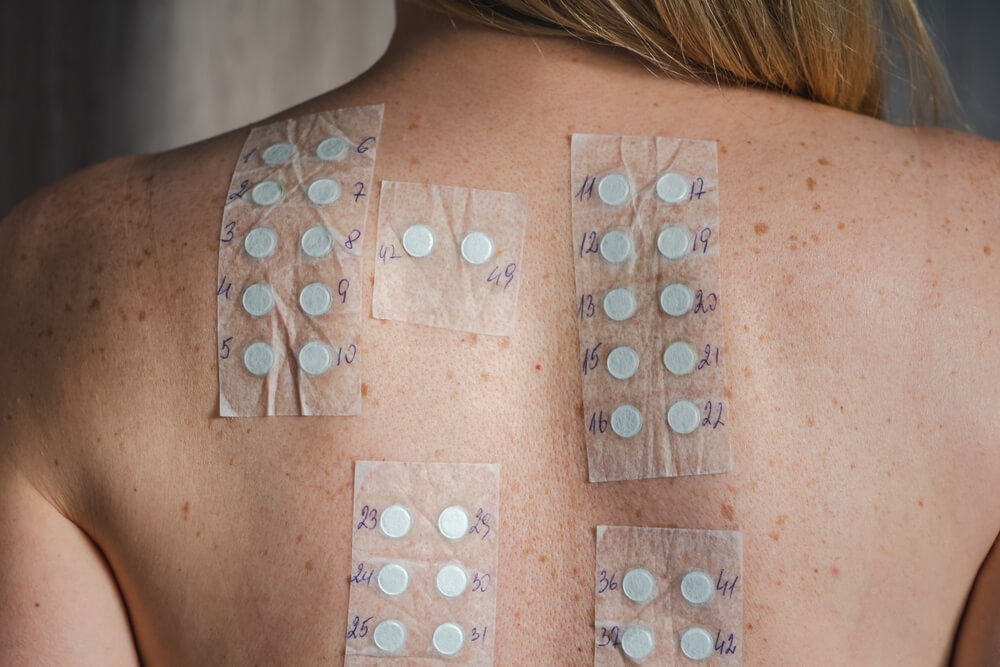
Following the medical history interview, various tests are available to determine the possible cause of the hives. The doctor will decide which tests are necessary based on the interview.
Possible diagnostic procedures include:
-
Physical provocation tests: These tests check whether physical stimuli trigger the hives. For example:
- Pressure urticaria / urticaria factitia: A wooden spatula or other medical instrument is used to stroke the skin on the back or apply light pressure to it.
- Light urticaria: The skin is exposed to light of different wavelengths.
- Cold urticaria: This can be diagnosed using ice cubes or cold baths.
- Allergy test: Allergy tests such as the prick test are carried out to investigate allergies.
- Stool sample: Microbiological analysis of a stool sample provides information about possible parasites.
- Other laboratory tests: For example:
- Elimination diet: Patients follow a special diet plan in which they avoid foods associated with hives. These include foods with a high histamine content, a high level of additives (flavourings, colourings and preservatives) and allergens.
- Ultrasound scan of the abdominal organs and lymph nodes
- Further investigations as required: e.g. examinations of the ear, nose and throat, the gastrointestinal tract and assessment of possible psychosocial causes
How is hives treated?
Treatment depends on the type of hives and the symptoms.
Acute urticaria
As a rule, the symptoms subside on their own after a few days to weeks. Treatment therefore focuses primarily on relieving the symptoms. Patients are given antihistamines to treat the hives and itching, and, if necessary, further medication to address specific symptoms (such as difficulty swallowing, angioedema, etc.).
If the triggering factors are known, it is important to avoid them as far as possible. If the symptoms are caused by taking certain medicines, these should be replaced with alternative treatments following consultation with a doctor.
Chronic spontaneous urticaria
There is a three-step treatment plan for this form:
- Patients are treated with an antihistamine.
- If the symptoms do not improve within the following two weeks, the dose is increased.
- If, despite dose adjustment and a possible change of antihistamine, patients are still not symptom-free after around two months, treatment with an immunologically active protein is initiated.
People with a severe form of chronic spontaneous urticaria are advised to carry an emergency kit with them so that they can manage severe urticaria flare-ups if necessary. The emergency kit usually contains an antihistamine and a fast-acting corticosteroid.
Chronic inducible urticaria
The main aim of treating chronic inducible urticaria is to avoid the triggers. Whilst it is not always possible to avoid the triggers entirely, conscious and direct contact with them should be avoided.
Examples:
Cold urticaria: No jumping into cold water; no very cold food or drinks.
Light-induced urticaria: Avoid direct sunlight and use sun cream with a high sun protection factor.
Otherwise, contact with the relevant triggers can lead to severe circulatory reactions or even shock.
How is the itching treated?
Itching can be relieved in various ways:
1. Anti-itch active ingredients:
- Creams or ointments containing witch hazel or
- products containing marigold (Calendula)
. These plants have anti-inflammatory properties and can slightly constrict the blood vessels, which soothes the skin.
2. Simple home remedies:
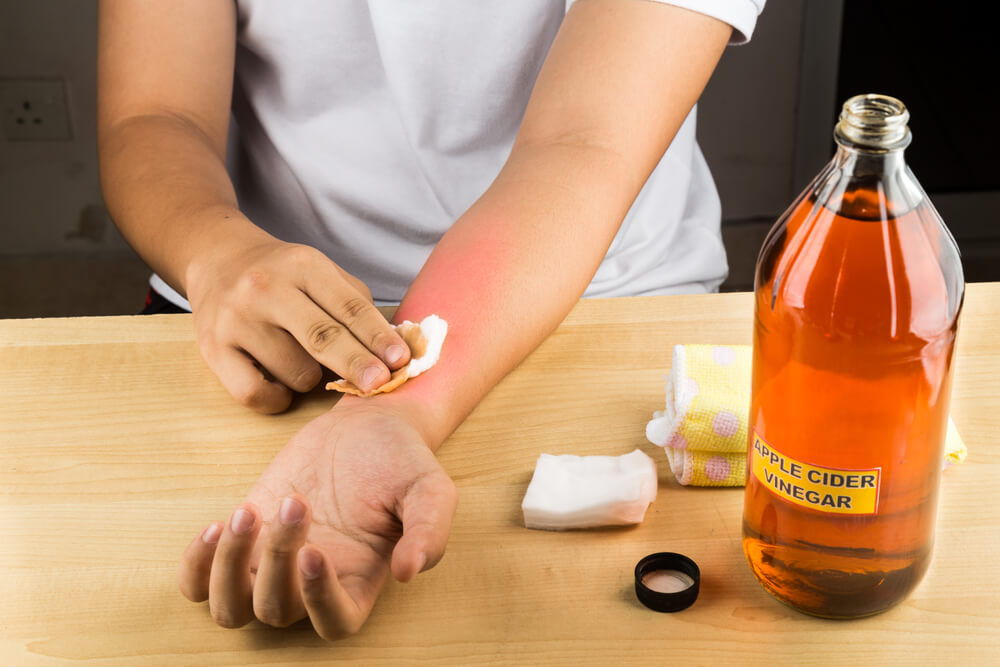
- Vinegar compress: A cloth soaked in diluted vinegar can be placed on the affected area. This can quickly relieve the itching.
What home remedies are there for hives?
Home remedies can primarily relieve acute symptoms such as itching. The following simple home remedies can help:
-
Cooling the skin with wet compresses:
Cold constricts the blood vessels and slows down the release of histamine, which causes the itching. However, the compresses should not be too cold, and ice should not be applied directly to the skin. -
Vinegar compresses: Apple cider vinegar, for example, has a mild disinfectant effect and can relieve itching. Soak a cloth in diluted vinegar water (1 part vinegar to 3 parts water), place it on the affected area of skin and remove after 10–15 minutes. Do not use on broken skin or sensitive skin!
-
Herbal remedies:
- Witch hazel: Available as a lotion, gel or tincture. Has anti-inflammatory and soothing effects on the skin.
- Calendula: Can be used as a cream or ointment. Aids wound healing and soothes irritation.
- Aloe vera: It is best to use pure gel or fresh leaf gel. Moisturises, cools and relieves itching.
-
Stress reduction: Stress can weaken the immune system, which may trigger or worsen hives. Measures such as getting enough sleep, taking part in moderate exercise or practising relaxation techniques can help.
FAQ
If you would like to have a hive rash investigated, you can consult the following specialist:
- Dermatologist: They specialise in skin conditions and are usually the first point of contact.
- Specialists in allergology and immunology: It is advisable to see them if an allergic cause is suspected or if the symptoms recur frequently.
Important: In the event of sudden, severe symptoms such as shortness of breath, circulatory problems, difficulty swallowing, or if you suspect a severe allergic reaction, you should immediately call the emergency number 144. Such symptoms may indicate a medical emergency.
Hives can be caused by a variety of factors. One possible cause is certain viruses, such as common cold viruses, rotaviruses or even Covid-19. Viruses activate the immune system, causing mast cells to release histamine and other inflammatory substances. This can sometimes lead to an outbreak of hives. In children, influenza viruses or adenoviruses are particularly common causes, but the Epstein-Barr virus (EBV), hepatitis or herpes viruses, amongst others, can also cause hives as a side effect.
In any case, medical advice should be sought to determine whether the cause of the hives is indeed a viral infection, particularly if the hives occur frequently or persist for longer than six weeks.
Hives can be triggered by food allergies or food intolerances. This causes the body to release histamine, leading to typical symptoms such as welts and itching.
Even though a significant amount of histamine is already ingested with food, hives can still occur, particularly if a person has histamine intolerance. In such cases, the body is unable to break down the ingested histamine sufficiently.
Foods with a high histamine content include, for example:
- mature cheese
- wine and other alcoholic drinks
- meat or fish that has been stored for a long time or smoked
- sauerkraut
- certain fruits and vegetables such as: tomatoes, spinach or strawberries
- Nuts
Colourings and preservatives can also trigger a flare-up of hives, particularly if a pseudo-allergy is present. Additives that frequently trigger hives include, for example, monosodium glutamate (E620–E625), sorbic acid (E200–E203) and sulphites (E220–E228).
No, hives are not contagious. Colds, Covid-19 or other infections may be accompanied by hives, but hives themselves cannot be passed from person to person – for example, through physical contact.
Hives are usually caused by a hypersensitive reaction of the skin, which resembles an allergy but is not triggered by a classic allergy. Experts refer to this as a pseudo-allergic reaction. As with an allergy, certain chemical messengers such as histamine are released, causing redness, welts and itching.
Such reactions can be triggered, for example, by medicines or certain foods, without the immune system reacting to an allergen.
Only in a few cases is the underlying cause actually a genuine allergic reaction, in which the immune system produces antibodies. As a rule, therefore, it is not allergies but other irritants that cause hives.


Dr Eva Maria Riedmann; Time for a change in the management of chronic spontaneous urticaria, Spectrum Dermatology 02/2015, MedMedia Verlag und Mediaservice GmbH
Alfred Lienhard; Chronic Urticaria – New Guidelines and Treatment, Swiss Journal of Dermatology and Aesthetic Medicine 05/2014, Rosenfluh Publications AG
Henz B.M., Zuberbier T. (2013). Urticaria – Clinical Presentation, Diagnosis, Treatment. Berlin. Springer. ISBN 978-3-642-85241-1
Urticaria Network e.V., http://www.urtikaria.net/de/service-menue/startseite.html
Hautwende. https://www.hautwende.de/urtikaria Accessed October 2025
Barmer. https://www.barmer.de/gesundheit-verstehen/wissen/krankheiten-a-z/nesselsucht-1252080?utm_source=chatgpt.com Accessed October 2025
AOK Health Magazine. https://www.aok.de/pk/magazin/koerper-psyche/haut-und-allergie/nesselsucht-was-sind-die-ursachen/#:~:text=Viruses%20(such%20as%20common%20cold%2D%2C%20rotavirus,which%20can%20cause%20hives. Retrieved October 2025
Zhu, L., Jian, X., Zhou, B. et al. Gut microbiota facilitate chronic spontaneous urticaria. Nat Commun 15, 112 (2024). https://doi.org/10.1038/s41467-023-44373-x
Cai, R., Zhou, C., Tang, R., Meng, Y., Zeng, J., Li, Y., & Wen, X. (2024). Current insights on the gut microbiome and chronic urticaria: progress in pathogenesis and opportunities for novel therapeutic approaches. Gut Microbes, 16(1). https://doi.org/10.1080/19490976.2024.2382774