
Smartwatch
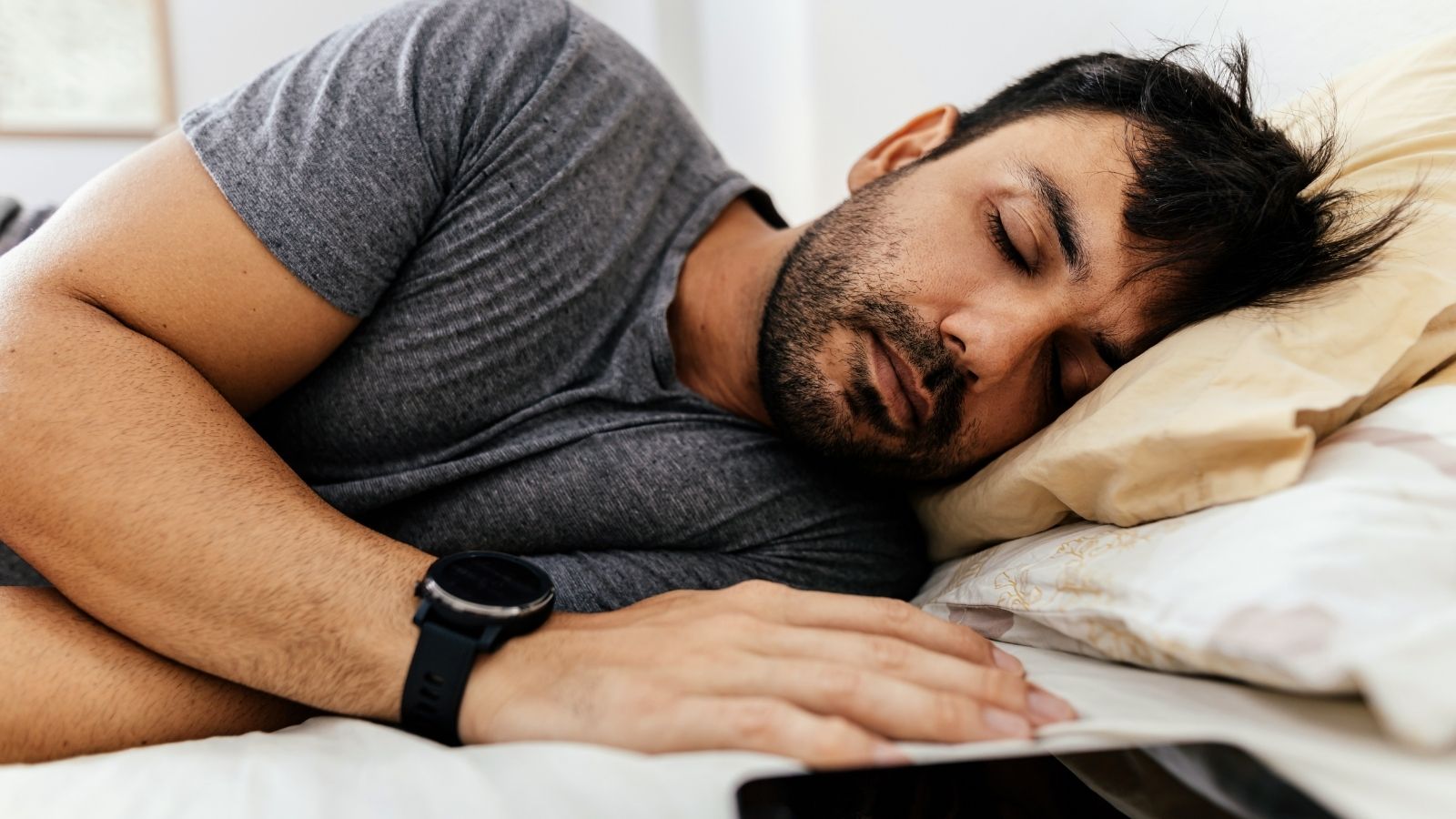
Sleep trackers put to the test: can smartwatches, rings and apps improve sleep?
Sleep trackers are now part of everyday life for many people. Whether it’s a smartwatch, fitness tracker, smart ring or sleep sensor, so-called wearables promise detailed insights into your own sleep and are designed to help improve sleep quality. But how reliable is this data really? Can sleep tracking detect sleep disorders or even improve sleep? And what role do artificial intelligence and data protection play in this?
In this article, you’ll find out how sleep trackers work, which metrics are actually meaningful, what the limitations of these devices are, and for whom sleep tracking might be beneficial.

Stress and the heart: How mental strain affects heart health
Suddenly, your heart starts beating faster. Your pulse quickens, your breathing changes and sometimes you feel a tightness in your chest. Many people are familiar with such situations – for example, when they are very excited, under stress or after a fright.
Particularly if these symptoms recur, you may wonder: is there something wrong with my heart? Stress is not just a feeling. The body reacts to it in exactly the same way. The cardiovascular system is activated and the body prepares itself for increased physical exertion. It is no coincidence that there are expressions such as ‘my heart stops’ or ‘my heart is in my throat’. They describe physical reactions that can actually occur. But what exactly happens in the body? And why does stress sometimes feel like a heart problem? Read on to find out how psychological strain affects the heart and when it is advisable to seek medical advice.