
Fertility
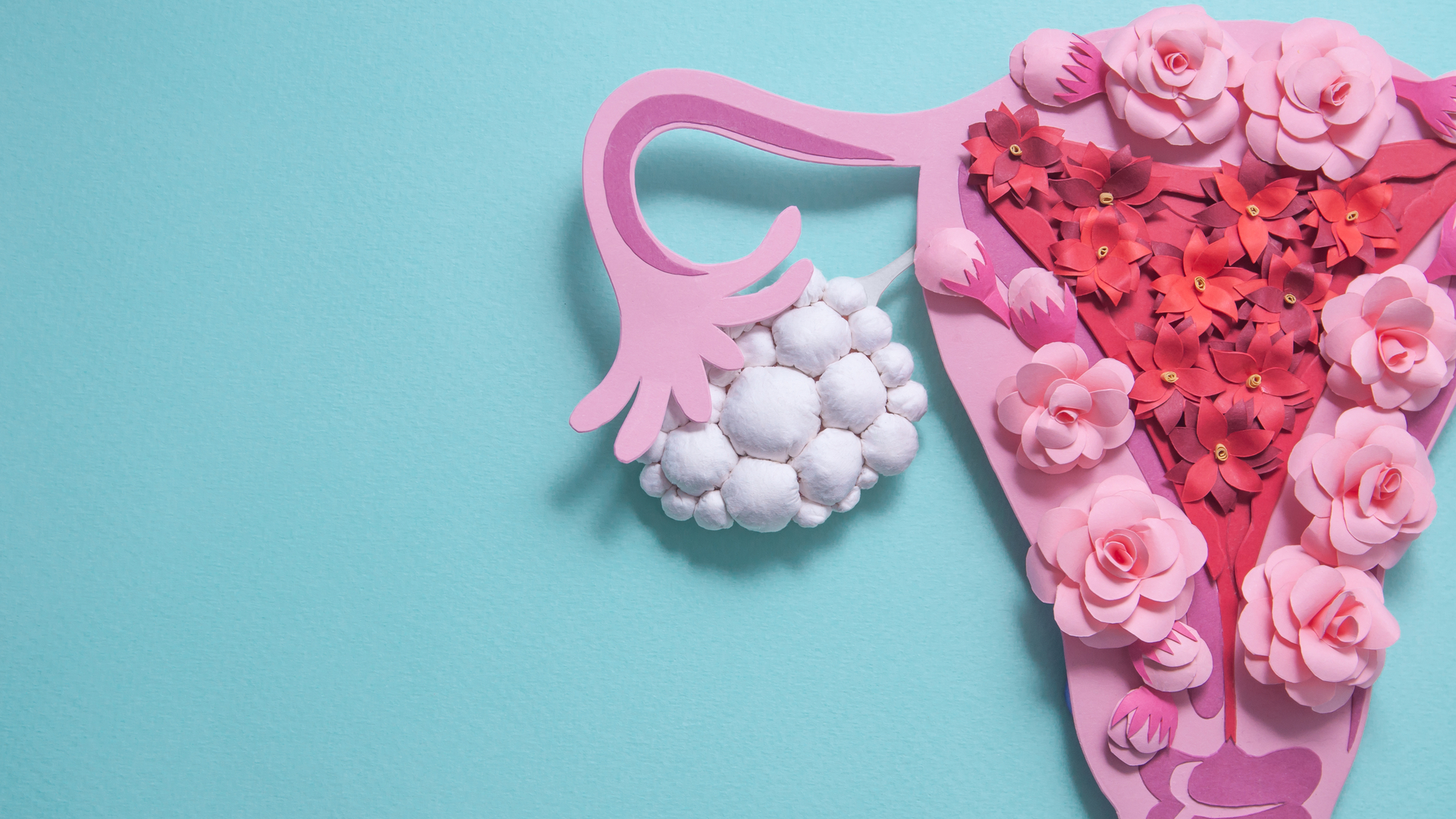
Polycystic ovary syndrome (PCOS) – causes, symptoms and treatment
Polycystic ovary syndrome (PCOS) is a chronic hormonal condition. It is the most common hormonal disorder among women of childbearing age. Typical consequences include irregular periods, reduced fertility and physical changes caused by an excess of male hormones. With early and targeted treatment, symptoms can be significantly alleviated, and pregnancy is often possible. In this article, you will learn all about the causes, symptoms and treatment of PCOS.
Fertility and egg reserve
Fertility and egg reserve are closely linked. A woman’s egg reserve determines the age up to which pregnancy is possible. This, and the fertile window, vary from woman to woman and are already determined at birth. Assessing the egg reserve provides an indication of whether a woman has sufficient time to have a child and can be an important factor in family planning decisions. Read on to find out how it is assessed and which factors influence fertility in both women and men.