
Department

Low testosterone in men: symptoms, causes and treatment
Fatigue, a reduced sex drive, and a lack of energy: these symptoms can have many causes. One possible explanation is a testosterone deficiency. However, it is not possible to determine whether testosterone levels are actually too low based solely on the symptoms or on a single blood test result.

PSA level: What does it mean, and when is it too high?
The PSA level is one of the best-known laboratory test results relating to the prostate. Many men come across it for the first time during a screening examination or when having symptoms investigated. An abnormal result often raises questions: Is this already a sign of prostate cancer? What levels are considered normal?

The right diet for hay fever
Anyone suffering from hay fever should pay particular attention to their diet so as not to make the symptoms any worse.

Prostate health: What men need to know
The prostate is a gland in a man’s body that is only the size of a chestnut, but it plays a crucial role in well-being, urinary function and male sexuality. Benign enlargement and prostate cancer become more common in older age.
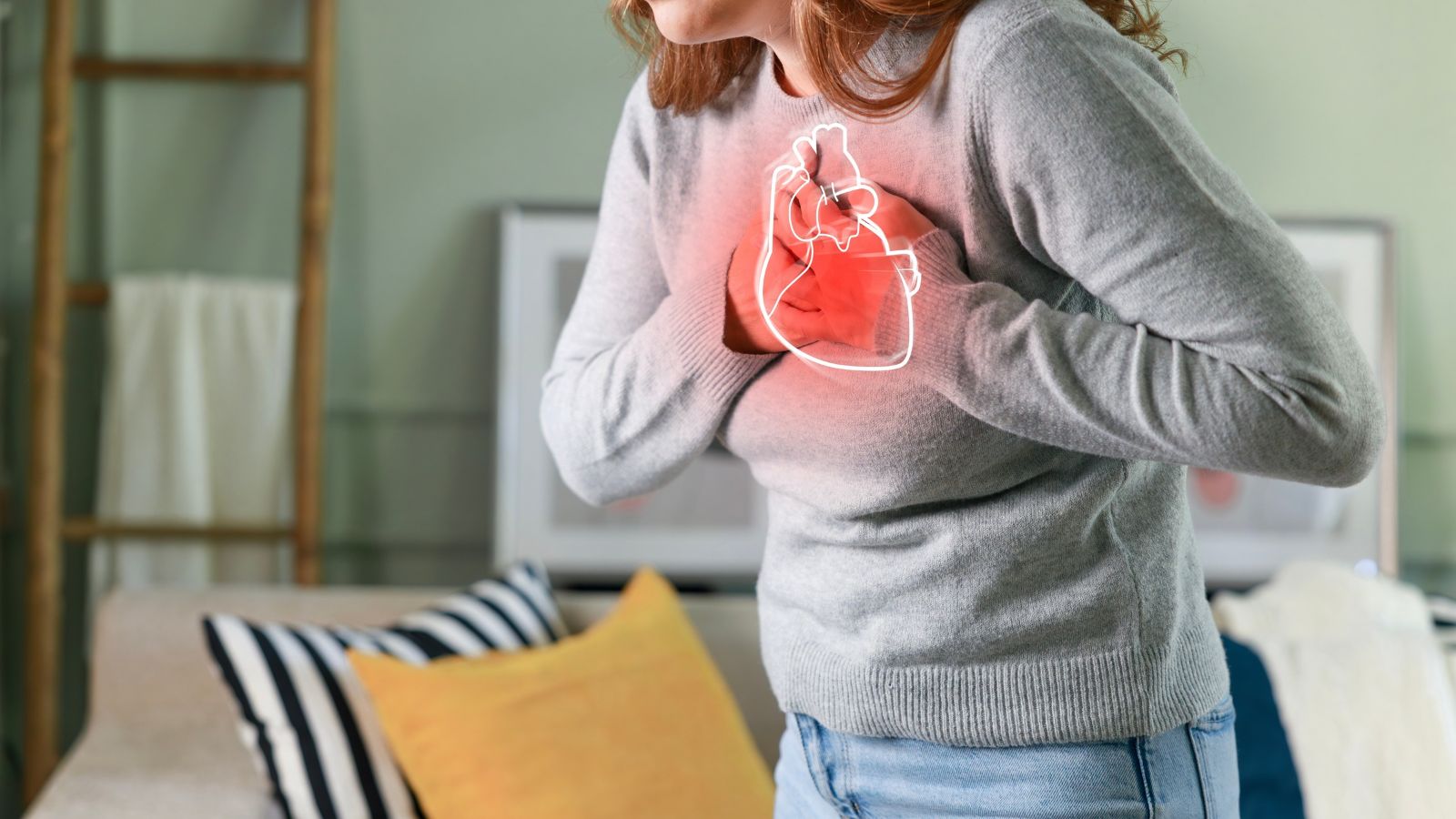
Heart failure – causes, symptoms, diagnosis and treatment
Around 300,000 people in Austria are affected by heart failure. Read on to find out exactly what heart failure is, what symptoms may occur and what treatment options are available. You’ll also learn how you can reduce your risk of developing heart failure.
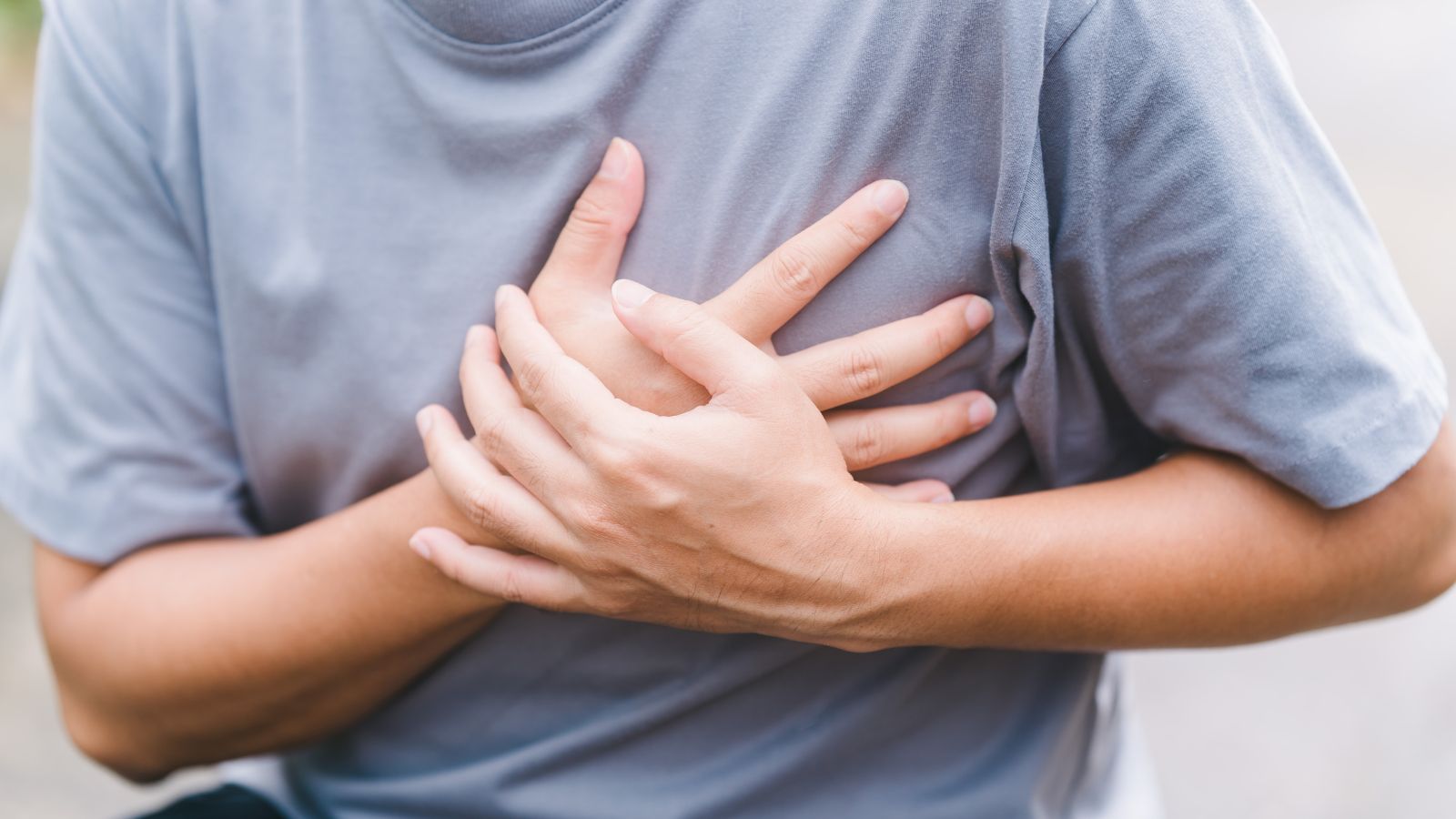
Heart attack – recognising the signs early and taking preventative measures
A heart attack occurs when a coronary artery becomes blocked. This is usually caused by a blood clot forming at a point in the artery where it is already narrowed.

Cholesterol – Functions, reference ranges and treatment of high levels
However, too much cholesterol in the blood can damage the blood vessels and increase the risk of certain cardiovascular diseases. Here you can find out what roles cholesterol plays, what the blood test results mean, and what can be done if your levels are high.

White noise to help you fall asleep: Does white noise really help?
White noise is said to mask distracting sounds and make it easier to fall asleep. But does white noise actually help you sleep? What studies on white noise, pink noise and other background sounds reveal – and why steady white noise isn’t the best choice for everyone.
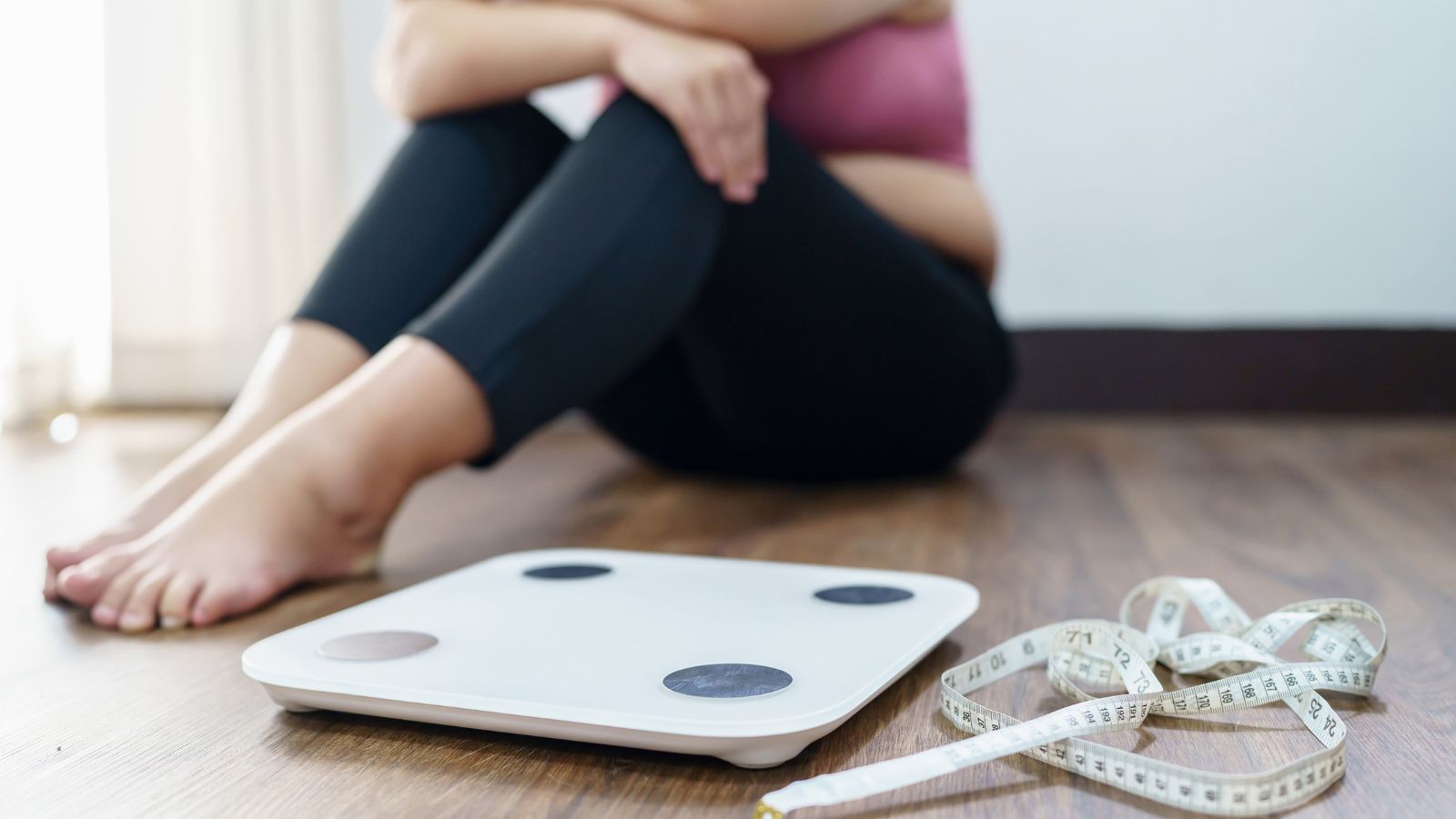
Antidepressants and weight gain: Which medicines affect weight?
Antidepressants are among the most important medicines used to treat depression and are also used to treat other mental health conditions. Depending on the active ingredient, they can have varying effects on appetite, metabolism and body weight.

Mouth taping: Does taping your mouth shut whilst sleeping really help?
Mouth taping is said to promote nasal breathing, reduce snoring and improve sleep. The method has become widely known mainly through social media and celebrity advocates. But how well are these effects scientifically proven? And what risks might taping the mouth shut at night entail?
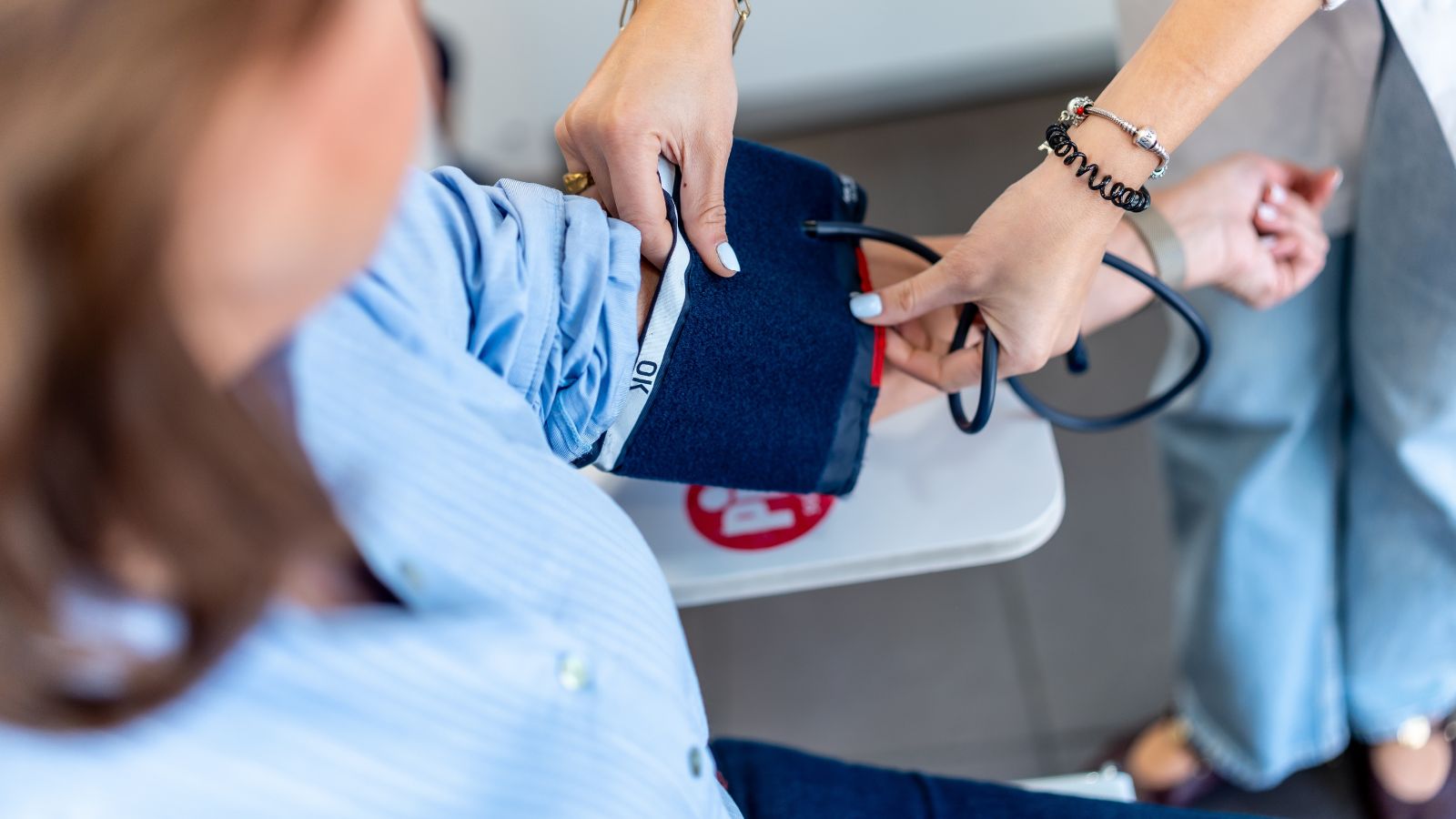
High blood pressure – definition, symptoms, diagnosis and treatment
In Austria, as in many other industrialised countries, high blood pressure is considered a widespread condition; according to estimates, around a quarter of all adults in this country are affected.
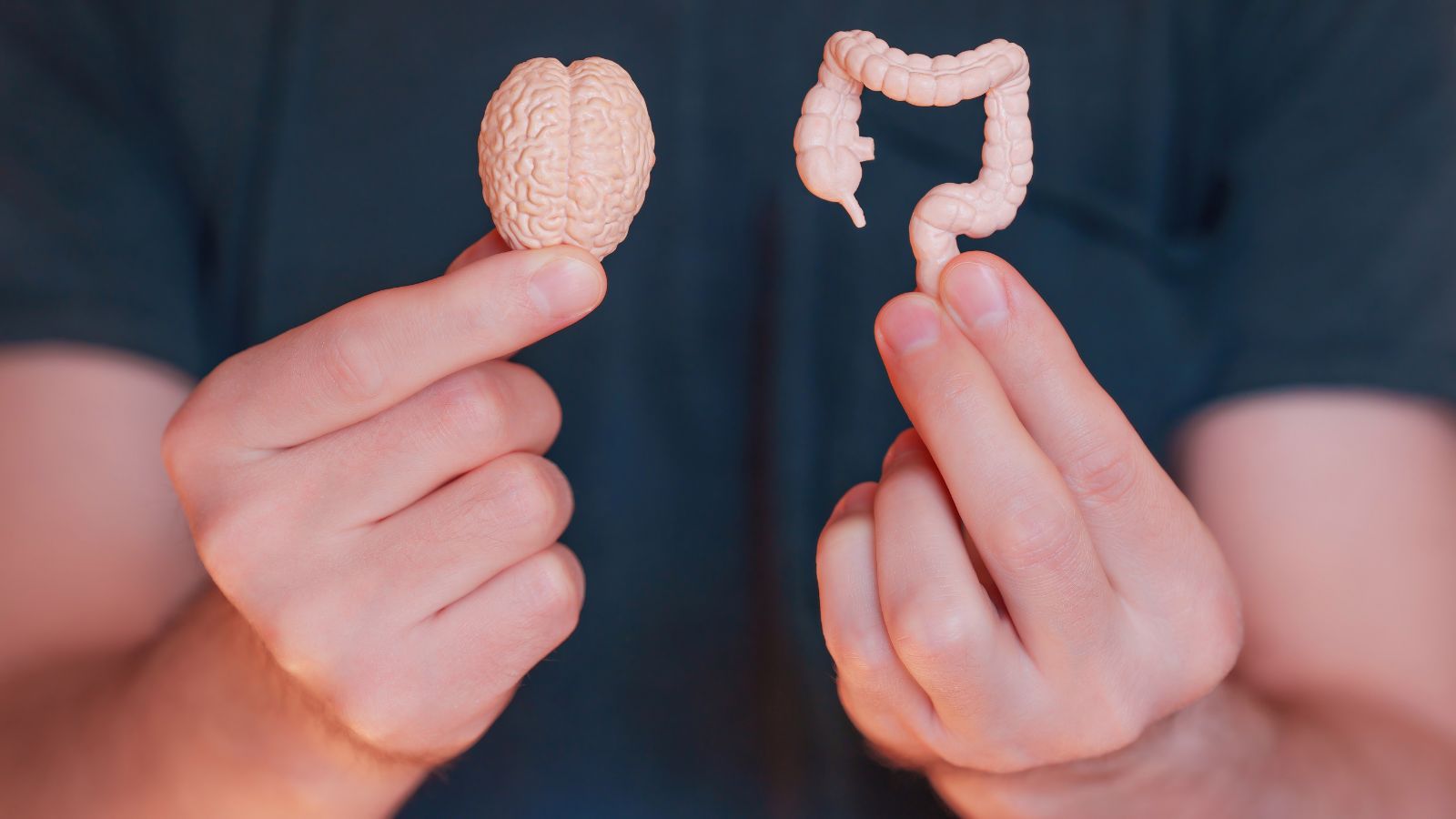
The gut-brain axis: How the gut affects mental health
Stress affects the stomach, and excitement gives you butterflies in your tummy: the gut and the brain are constantly connected. Find out here how the gut-brain axis works and what role diet, the microbiome and the mind play in this.
Silent inflammation in the body: symptoms, causes and treatment
Silent inflammation does not cause pain and does not manifest itself through redness or soreness. That is why it often goes unnoticed. In this article, you will find out what role diet, stress and lifestyle play in this, and what you can do yourself to prevent chronic inflammation.
Lack of sleep: Why not getting enough sleep can make you ill
A short night’s sleep soon takes its toll: tiredness, difficulty concentrating and irritability are typical consequences. However, a lack of sleep also affects the heart, metabolism, immune system and hormone balance. If it persists, the risk of various illnesses may increase.

Sleep trackers put to the test: can smartwatches, rings and apps improve sleep?
Sleep trackers are now part of everyday life for many people and promise detailed insights into one’s own sleep.
In this article, you’ll find out how sleep trackers work, which measurements are actually meaningful, what the limitations of these devices are, and for whom sleep tracking might be useful.

Heart health in children: what parents need to be aware of
The foundations for a healthy heart are laid as early as childhood. Whether it’s diet, exercise or recognising warning signs, parents can play a big part in ensuring their child’s heart develops healthily. But what really matters in everyday life? When should potential heart symptoms in children be taken seriously?