Summary
Silent inflammation
Definition: mild but persistent inflammatory processes that go unnoticed; these usually occur without symptoms, but often result in non-specific complaints such as exhaustion or a decline in performance.
Warning signs: Persistent exhaustion and tiredness, diffuse, dull aches in joints or muscles, recurrent digestive problems, increased susceptibility to infection, poor wound healing, skin problems, difficulty losing weight
Causes: genetic predisposition, an unhealthy diet, visceral abdominal fat, chronic stress and lack of sleep, leaky gut syndrome, undiagnosed sources of infection, environmental toxins and stimulants
Treatment: where necessary, treatment of hidden sources of inflammation, an anti-inflammatory diet, sufficient exercise and sleep, stress reduction
What is silent inflammation?
Silent inflammation is a type of inflammation that is usually asymptomatic and occurs without the classic signs of inflammation such as pain, swelling, redness or warmth. In the case of acute inflammation, the immune system is normally activated. It releases inflammatory messenger substances, known as pro-inflammatory cytokines. These help to direct immune cells to the site of the inflammation, for example to fight off pathogens.
Once this has happened, anti-inflammatory signalling molecules ensure that the inflammatory response subsides again. In silent inflammation, by contrast, there is often no clearly defined trigger. The immune system remains mildly activated over a prolonged period. As a result, small amounts of pro-inflammatory signalling molecules circulate continuously in the body.
Acute, chronic and silent inflammation: what is the difference?
Inflammation is distinguished primarily by its course, its symptoms and the immune system’s response.
- Acute inflammation is a rapid and usually pronounced defensive reaction by the body to injuries or infections. Typical signs include redness, swelling, warmth and pain. Examples include inflamed cuts, insect bites or appendicitis.
- Chronic inflammation refers to inflammatory reactions that persist over a longer period. It can develop if the underlying cause persists or if the immune system turns against the body’s own tissues. Persistent or intermittent symptoms and tissue damage frequently occur. Examples include rheumatoid arthritis or chronic inflammatory skin conditions.
- Silent inflammation refers to mild but persistent inflammatory processes that go unnoticed. It usually occurs without symptoms such as direct localised pain, but often leads to non-specific symptoms such as fatigue or a decline in performance.
What symptoms can silent inflammation cause?
Silent inflammation develops gradually and, unlike acute inflammation, usually does not cause a high fever, severe local redness or clearly localised pain. Possible symptoms are often non-specific and may have many other causes.
Those affected frequently report:
- persistent exhaustion and tiredness
- diffuse muscle or joint discomfort
- digestive problems such as bloating or a feeling of fullness
- skin problems such as unexplained redness or itching
- mood swings
- Night sweats
Please note: However, such symptoms are not a reliable indication of silent inflammation; they can have numerous possible causes and therefore do not allow for a diagnosis.
What are the underlying causes?
As with many conditions, genetic predisposition also plays a role in silent inflammation. Among other things, it influences how strongly the immune system reacts to stimuli and how inflammatory processes are regulated. For example, minor changes in the genes responsible for inflammatory mediators can lead to the body producing more pro-inflammatory or fewer anti-inflammatory mediators when under stress. Similarly, genetic variants can cause certain enzymes to work more slowly, making them less effective at breaking down free radicals or other harmful substances. This can promote pro-inflammatory processes.
In addition to genetic predisposition, there are several modifiable factors that can contribute to chronic low-grade inflammation:
- An unhealthy diet: A highly processed diet high in refined sugar and white flour products, and low in fibre, can promote pro-inflammatory metabolic processes. Similarly, an excess of omega-6 fatty acids (e.g. from sunflower oil or meat products from factory farming) relative to omega-3 fatty acids (e.g. found in oily fish and linseed) has an adverse effect.
- Visceral abdominal fat (abdominal adipose tissue): Adipose tissue in the abdominal region is not merely a store of energy; rather, it continuously produces pro-inflammatory messengers (such as TNF-alpha and IL-6).
- Chronic stress and lack of sleep: Prolonged emotional or physical stress leads to persistently elevated cortisol levels. This disrupts immune regulation and promotes inflammatory reactions.
- Disorders of the intestinal barrier (leaky gut syndrome): Changes in the gut flora and increased permeability of the intestinal mucosa are associated with chronic inflammatory processes. However, the term ‘leaky gut’ is scientifically vague and should not be used as a diagnosis in its own right.
- Chronic sites of inflammation: These include, for example, periodontitis or other persistent localised inflammations, which can increase inflammatory activity in the body.
- Smoking, high alcohol consumption and air pollutants: These factors can promote oxidative stress and inflammatory processes.
What role do diet and the gut play in silent inflammation?
The gut and our diet play an important role in the development of silent inflammation. A large part of the immune system is located in the gut. Furthermore, the gut microbiome is constantly changing and is influenced, amongst other things, by our diet. If, for example, one’s diet is very unbalanced or consists mainly of highly processed foods, the composition of the microbiome can change in an unfavourable way. This can allow pro-inflammatory bacterial strains to multiply in the gut.
The gut barrier also plays a role. If it becomes more permeable, bacterial components can more easily come into contact with the immune system and promote inflammatory reactions.
Conversely, there are dietary patterns that can help counteract silent inflammation. Omega-3 fatty acids, fibre and phytochemicals are particularly important in this regard. However, it is not so much a single nutrient that is decisive, but rather the overall dietary pattern.

How can you recognise silent or chronic inflammation?
The problem with silent inflammation is that it goes unnoticed: unlike acute inflammation, it does not produce classic warning signs and cannot be reliably detected on the basis of individual symptoms or a single blood test result. A specific diagnostic test using a blood test can provide indications of inflammatory processes.
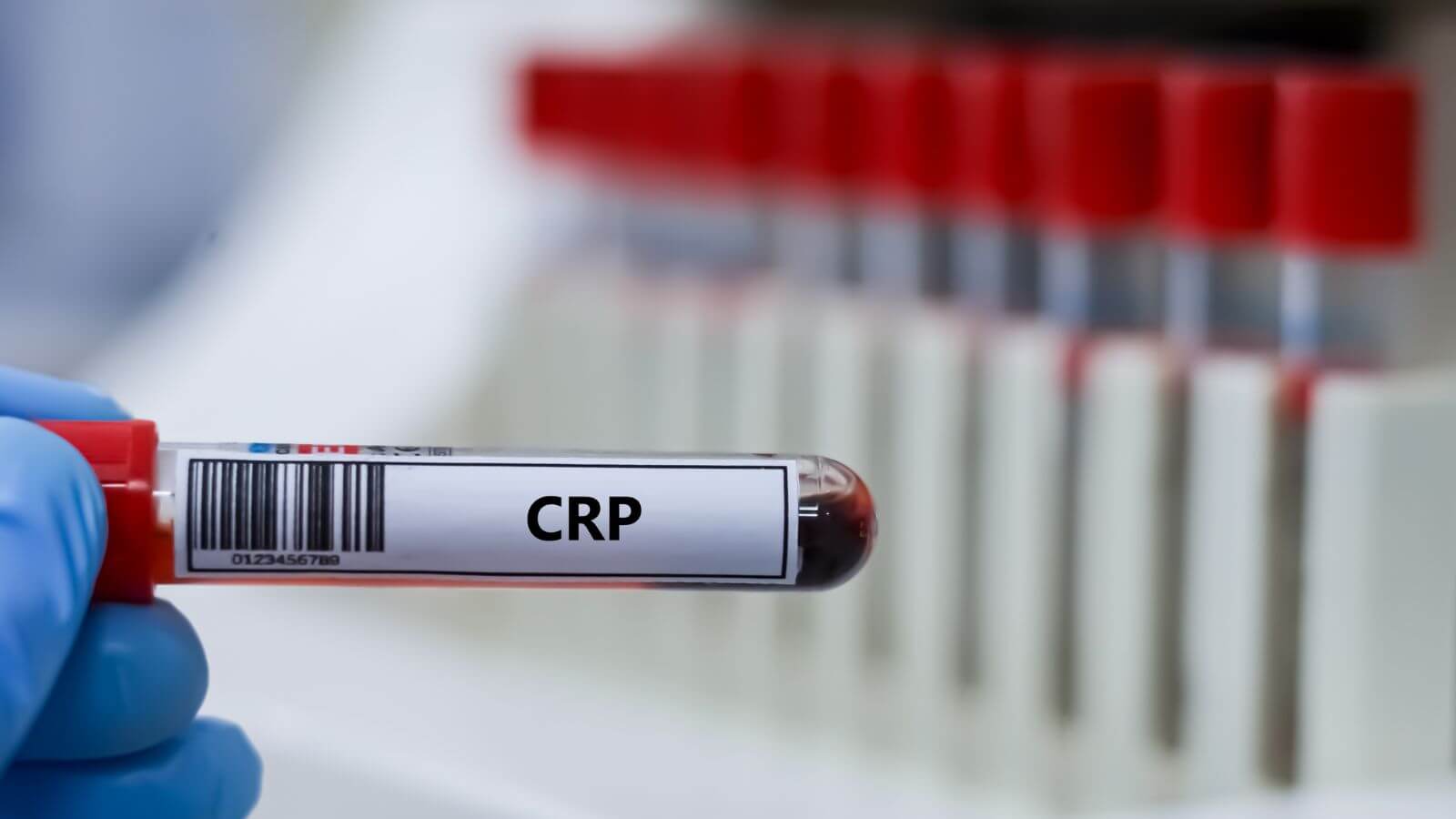
C-reactive protein (CRP) is particularly commonly measured for this purpose. It is produced in the liver and rises when there is inflammation in the body. The high-sensitivity CRP test (hs-CRP) can detect even very low CRP concentrations. However, the result is non-specific and does not indicate the source of the inflammation or what is causing it.
Depending on the symptoms and clinical picture, other laboratory test results may provide further clues:
- White blood cell count: Significantly elevated levels can occur, for example, in the case of infections or severe inflammation. However, a normal white blood cell count does not necessarily rule out chronic inflammatory processes.
- Erythrocyte sedimentation rate (ESR): This can provide indications of inflammation and is used, amongst other things, to monitor the progression of chronic inflammatory diseases. However, an elevated value is not specific to a particular disease, but merely an indication that the immune system is active.
- Fibrinogen: This is a protein that is synthesised in greater quantities during inflammatory reactions and serves as an additional marker for assessing chronic or systemic inflammation.
- Ferritin: Ferritin stores iron in the body. Elevated levels can occur in cases of inflammation, amongst other things, but also have numerous other possible causes.
- Vitamin D levels: A vitamin D deficiency is often associated with elevated inflammatory markers in the body.
What helps with silent inflammation?
Firstly, it is important to have any possible causes investigated by a doctor. Depending on your symptoms and risk factors, tests may include, for example, inflammation markers in the blood, a full blood count and other laboratory tests. Chronic sites of inflammation, such as in the teeth and gums, may also be taken into account. However, there are also steps you can take yourself to help manage these inflammatory processes.
The following are particularly recommended:
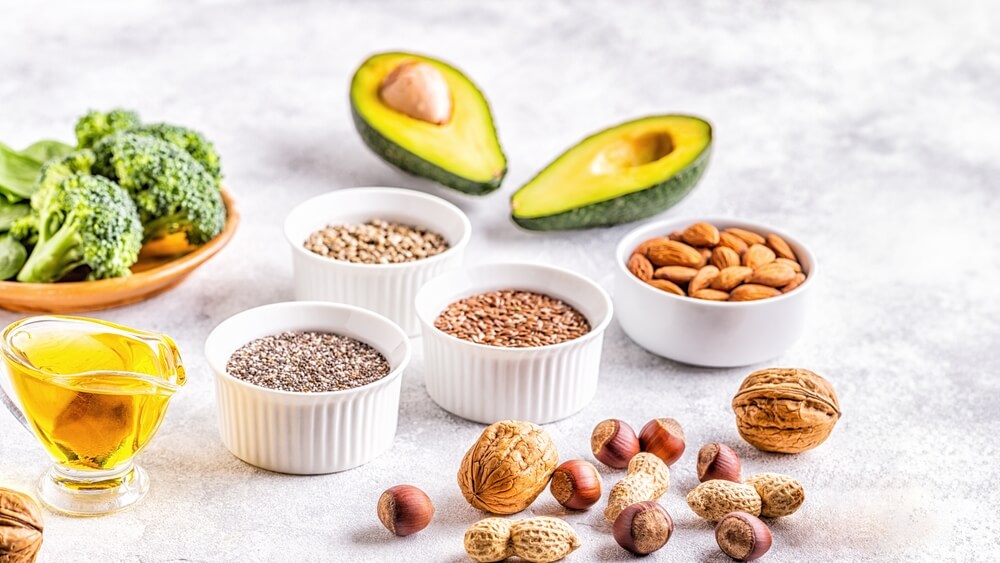
- An anti-inflammatory diet: Cut down on highly processed foods, excessive sugar and white flour products. Instead, opt for vegetables, fruit, pulses, wholegrains, nuts and high-quality healthy fats.
- Managing stress: Chronic stress can contribute to inflammatory processes. Relaxation techniques such as yoga, meditation or autogenic training can help to reduce stress.
- Get enough sleep: Regular and sufficient sleep helps regulate the immune system. For adults, seven to nine hours’ sleep per night is usually recommended.
- Exercise regularly: Exercise has a beneficial effect on metabolism and inflammation regulation. A combination of endurance and strength training, as well as sufficient physical activity in everyday life, is particularly beneficial.

What are the top 10 anti-inflammatory foods?
- Foods can have anti-inflammatory effects in various ways, and some compounds can have a direct anti-inflammatory effect, for example by inhibiting pro-inflammatory signalling pathways. Eat plenty of:
- Berries such as blueberries, raspberries and strawberries: these contain anthocyanins and other polyphenols, which have antioxidant effects and can influence inflammatory processes.
- Oily fish such as salmon, mackerel or sardines: These provide the omega-3 fatty acids EPA and DHA, from which the body produces, amongst other things, anti-inflammatory messenger substances.
- Extra virgin olive oil: It contains monounsaturated fatty acids and polyphenols such as oleocanthal, which are associated with anti-inflammatory effects.
- Turmeric: The active ingredient, curcumin, specifically blocks pro-inflammatory enzymes and molecules.
- Green leafy vegetables such as spinach, kale or Swiss chard: These are rich in vitamin K, magnesium and polyphenols. This combination not only protects the cells, but also strengthens the immune system and the gut barrier.
- Walnuts and linseeds: These are among the best plant-based sources of the omega-3 fatty acid alpha-linolenic acid.
- Cruciferous vegetables such as broccoli and cauliflower: These contain sulforaphane, an antioxidant with detoxifying and anti-inflammatory properties.
- Garlic and onions: They are rich in allicin and quercetin (sulphur and flavonoid compounds), which regulate the immune system and reduce cellular stress.
- Green tea: It can help to curb the production of pro-inflammatory messenger substances.
- Tomatoes: They contain the anti-inflammatory compound lycopene, which helps to prevent the formation of cytokines produced during inflammatory processes. Tip: Lycopene is better absorbed by the body when consumed with fat.
Which conditions are associated with low-grade inflammation?
Chronic low-grade inflammation can play a role in various disease processes over a long period of time, causing unnoticed damage to blood vessels and tissues. It is therefore considered a key risk factor for numerous chronic conditions such as:
- Atherosclerosis: Inflammation makes it easier for fat particles to accumulate in the vessel walls.
- Cardiovascular diseases: Chronic inflammatory processes contribute to the development of vascular diseases and can influence the risk of heart attack and stroke.
- Type 2 diabetes: Chronic inflammatory processes promote insulin resistance.
- Metabolic syndrome: A combination of obesity (particularly abdominal fat), high blood pressure and poor lipid profiles.
- Dementia: Neuroinflammatory processes cause long-term damage to brain cells.
- Depression: Inflammatory mediators in the blood can negatively affect neurotransmitter metabolism in the brain.
- Fatigue syndrome (ME/CFS): Persistent, severe states of exhaustion are often linked to an overburdened immune system.
- Acne, atopic dermatitis and psoriasis: These conditions flare up more frequently due to internal sources of inflammation.
- Crohn’s disease, ulcerative colitis: Silent inflammation paves the way for genuine chronic inflammatory bowel diseases.
- Hashimoto’s thyroiditis: This chronic autoimmune disorder of the thyroid, which leads to hypothyroidism, is exacerbated.
- Certain types of cancer: Long-term cell damage and a weakened immune system increase the risk of certain forms of cancer.
FAQ
In the case of chronic inflammation – unlike in acute inflammation – the immune system is set to a state of constant activation. It is therefore constantly fighting off irritants – or, in some cases, the body’s own tissue – which means that the inflammatory process persists for weeks, months or years.
Bicarbonate of soda is often presented on social media as a home remedy for inflammation in the body. In fact, there is preliminary experimental evidence to suggest that bicarbonate of soda may influence certain immune-regulating and possibly anti-inflammatory processes. However, the research carried out to date is insufficient to recommend bicarbonate of soda as a treatment for chronic or silent inflammation. It is therefore not advisable to take it regularly on one’s own initiative.
‘Silent inflammation’ refers to inflammation that is silent or unnoticed. It is a specific form of chronic inflammation that occurs in the body without causing pain or displaying the typical signs of inflammation (such as redness, swelling, fever or acute pain). The immune system remains continuously activated at a low level. Medical professionals also refer to this as low-grade systemic inflammation.
Inflammation in the body can be detected using various laboratory parameters from a blood test. These include:
- C-reactive protein (CRP): elevated levels generally indicate inflammation.
- hs-CRP (high-sensitivity CRP): by measuring even the smallest traces, it is possible to detect ‘silent’ inflammation.
- Leucocytes (white blood cells): Elevated total counts are a sign that the immune system is actively fighting pathogens or tissue irritants.
- Erythrocyte sedimentation rate (ESR): During inflammation, the proteins in the blood change, causing the cells to clump together and settle more quickly.
- Fibrinogen: A clotting factor – a protein – whose levels rise during inflammation.
It is also important to note that a single elevated value usually does not indicate where in the body the inflammation is located or what is causing it. This is why doctors always consider the results in conjunction with the individual’s symptoms.
Particularly in cases of chronic stress, cortisol – the stress hormone that normally has anti-inflammatory properties – loses its dampening effect. The immune system releases increasing amounts of pro-inflammatory substances such as cytokines, and this often leads to insidious, unnoticed inflammatory processes in the body, which can cause long-term damage to blood vessels, organs and tissues.
Turmeric contains the plant compound curcumin, which can influence various inflammatory signalling pathways. Studies show that curcumin supplements can reduce certain markers of inflammation. However, the results are not consistent and cannot simply be applied to standard turmeric powder available on the market.
Curcumin is poorly absorbed by the body. Black pepper, or more specifically its active ingredient piperine, can increase absorption, but may also affect the absorption and efficacy of medicines. Turmeric should therefore not be regarded as a stand-alone treatment for silent inflammation.


Gesenhues S and A: A Practical Guide to General Practice. 9th edition, Urban & Fischer 2020.
Herold G et al: Internal Medicine. Self-published 2023.
Singh R et al: Chronic Inflammation (A Silent Killer) – Molecular Mechanisms and Emerging Therapeutic Approaches. Curr Drug Targets. 6 May 2026.
https://pubmed.ncbi.nlm.nih.gov/42136241/
, accessed July 2026
Pahwa R et al: Chronic Inflammation. 2026
https://www.ncbi.nlm.nih.gov/books/NBK493173/
, accessed July 2026
Chavda VP et al: Inflammation: The Cause of All Diseases. Cells. 18 November 2024;13(22):1906
https://pmc.ncbi.nlm.nih.gov/articles/PMC11592557/
, accessed July 2026
Carollo C et al: Silent Inflammation, Loud Consequences: Decoding NLR Across Renal, Cardiovascular and Metabolic Disorders. Int J Mol Sci. 26 August 2025;26(17)
https://pmc.ncbi.nlm.nih.gov/articles/PMC12428752/
, accessed July 2026
https://aerztezeitung.at/2023/oaz-artikel/medizin/silent-inflammation-still-unbemerkt-und-reversibel/, accessed July 2026