
Illness

The right diet for hay fever
Anyone suffering from hay fever should pay particular attention to their diet so as not to make the symptoms any worse.
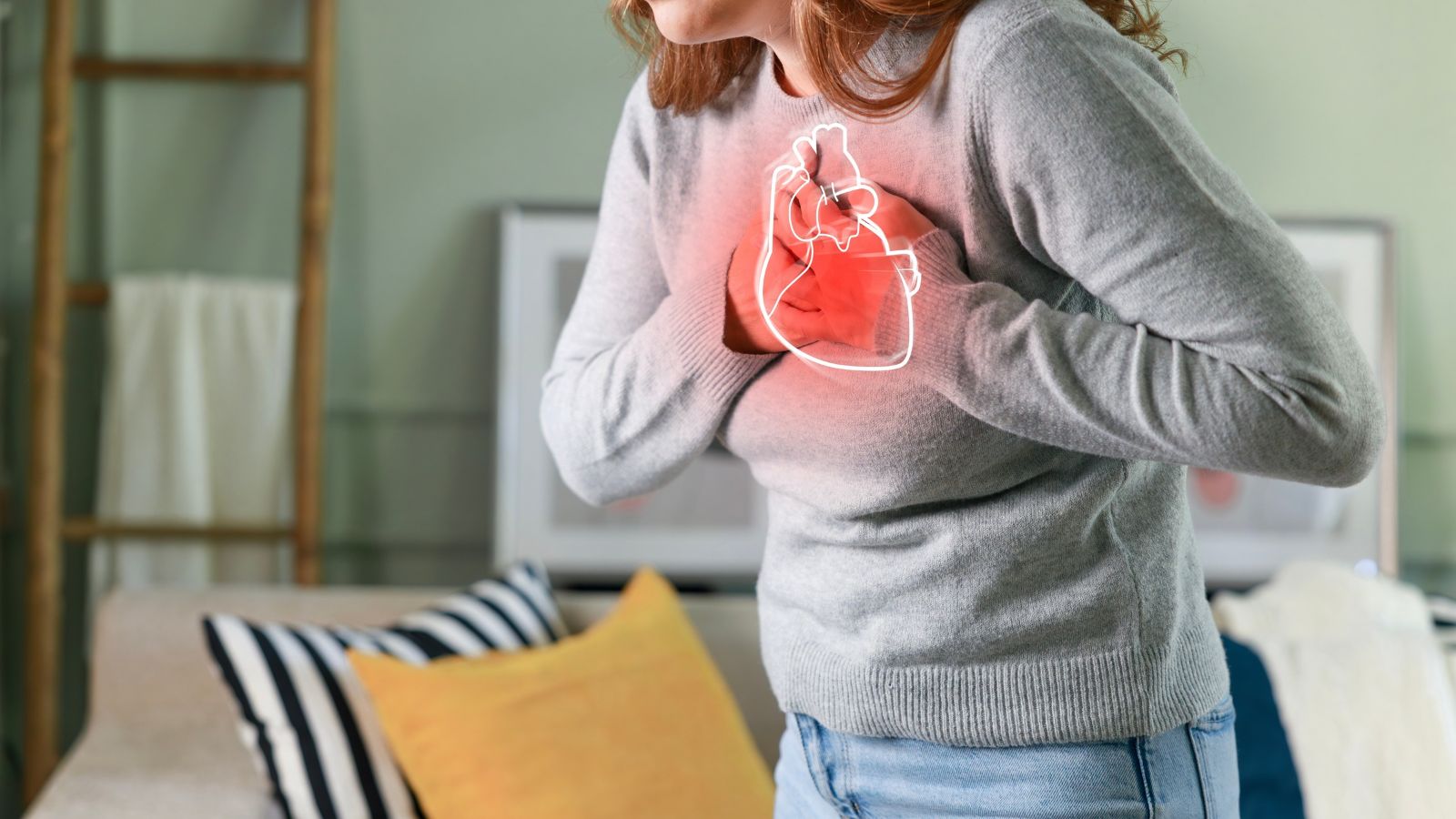
Heart failure – causes, symptoms, diagnosis and treatment
Around 300,000 people in Austria are affected by heart failure. Read on to find out exactly what heart failure is, what symptoms may occur and what treatment options are available. You’ll also learn how you can reduce your risk of developing heart failure.
Heart attack – recognising the signs early and taking preventative measures
A heart attack occurs when a coronary artery becomes blocked. This is usually caused by a blood clot forming at a point in the artery where it is already narrowed.

High blood pressure – definition, symptoms, diagnosis and treatment
In Austria, as in many other industrialised countries, high blood pressure is considered a widespread condition; according to estimates, around a quarter of all adults in this country are affected.
Genital warts – How do they develop and what can be done about them?
Genital warts are benign skin growths in the genital area. They are caused by infection with the human papillomavirus (HPV) and are among the most common sexually transmitted infections worldwide.

Acute and chronic bronchitis – causes, symptoms and treatment
A cough, phlegm in the throat and a feeling of tightness in the chest: these symptoms may be signs of bronchitis. This condition involves inflammation of the bronchi in the lungs. Acute bronchitis is usually caused by viruses and is particularly common in winter, during the colder months.
Sore throat – causes, symptoms and treatment
A sore throat can have many causes and often occurs alongside difficulty swallowing, hoarseness or a headache. In many cases, it is caused by viral infections such as a cold or flu, but bacterial infections or irritants may also be to blame.

Colds (flu-like infections): What really helps?
A flu-like infection, often referred to as a cold, is an infection of the nasal mucosa and the upper respiratory tract. A cold usually begins with a sore throat or a tickle in the throat, followed shortly afterwards by a runny nose.
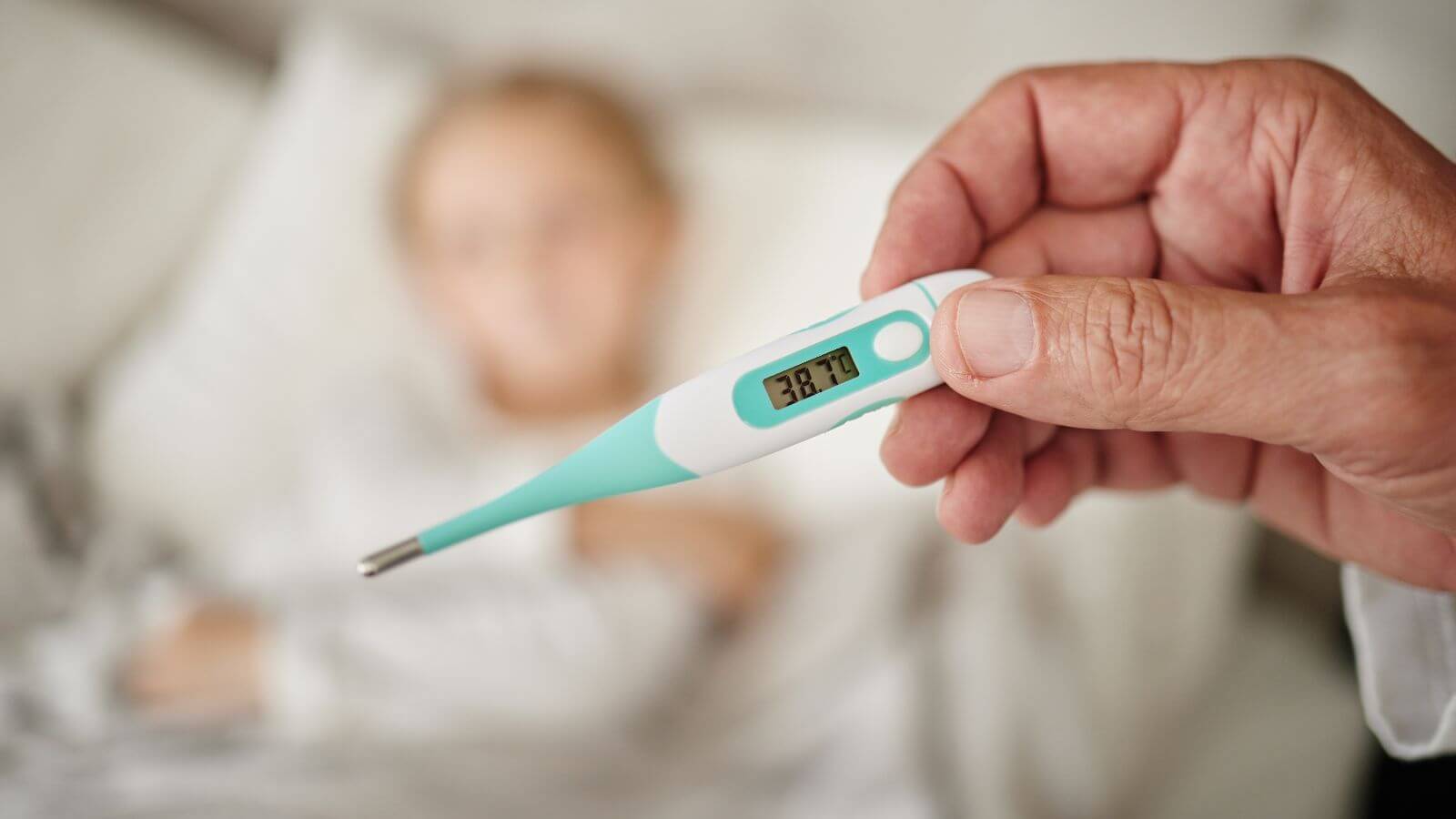
Fever: What really helps? Home remedies and medicines
A fever is the body’s natural response to fighting off pathogens. That is why you should not immediately resort to measures to bring down a fever. Find out here when it makes sense to bring down a fever, and which medicines or home remedies can help.
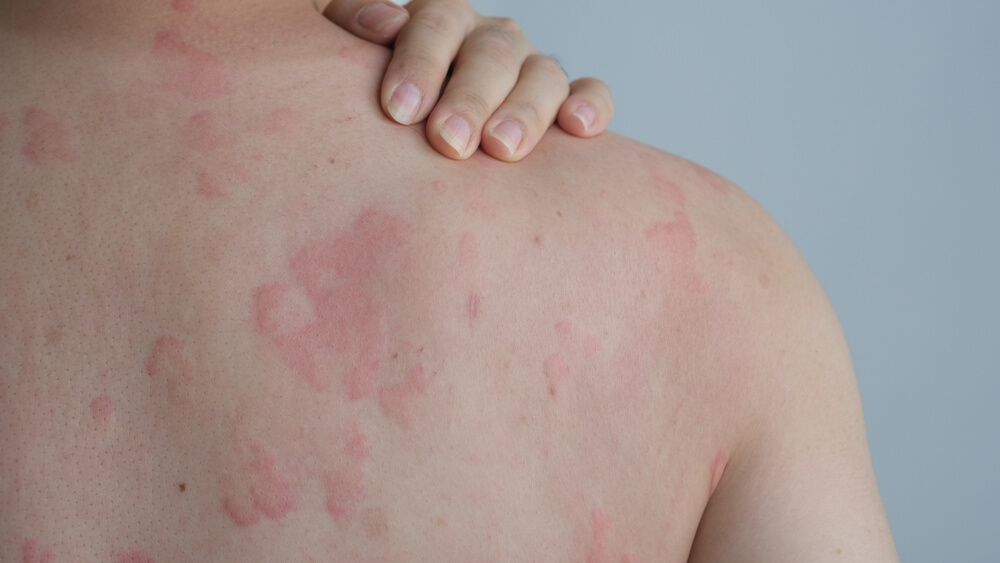
Hives (urticaria): triggers, symptoms and treatment
Hives (urticaria) are one of the most common skin conditions. They can occur at any age, in children as well as in adults. They are typically characterised by sudden-onset, itchy welts on the skin.

Polycystic ovary syndrome (PCOS) – causes, symptoms and treatment
Polycystic ovary syndrome (PCOS) is a chronic hormonal condition. It is the most common hormonal disorder among women of childbearing age.

Haemorrhoids – Recognising, treating and preventing them
Almost everyone develops haemorrhoids at some point in their life. There’s no need to feel embarrassed.

Kidney stones
Kidney stones are crystallised components of urine that form in the kidneys, renal pelvis and the urinary tract.
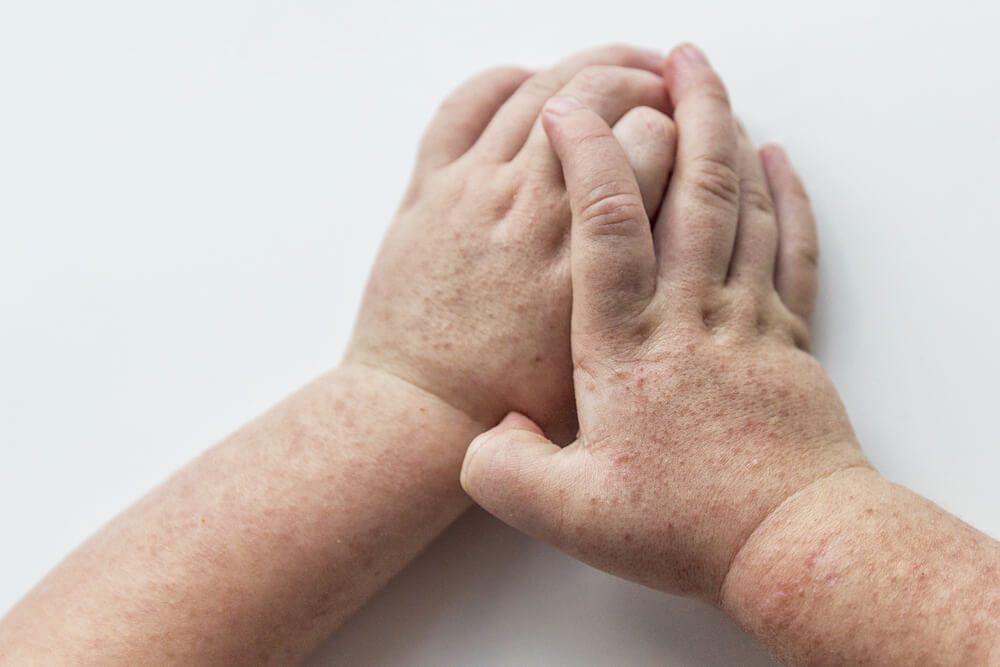
Scarlet fever – causes, symptoms, treatment
Scarlet fever is an infectious disease and is generally regarded as a childhood illness. However, adults can also contract it. Read more about the symptoms and treatment here.
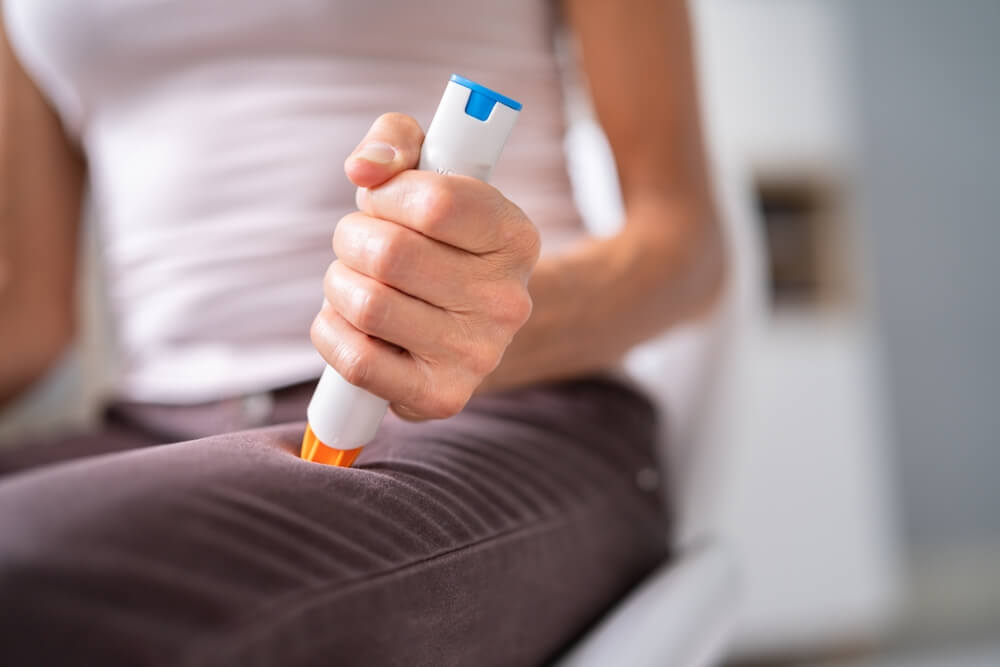
What is an allergic shock (anaphylactic shock)?
An allergic shock (anaphylactic shock) is a severe allergic reaction in which the body reacts suddenly and very violently to an allergen, which can affect the entire body. The most common triggers for anaphylactic shock are certain foods, insect venoms and medicines.

Baker’s cyst – causes, symptoms, treatment
A Baker’s cyst is a bulge in the joint capsule of the knee joint that is filled with synovial fluid.