
General Practice
General practitioners are the true all-rounders in the healthcare sector. They support their patients through every stage of life – from childhood to old age. Their expertise covers a wide range of medical issues: whether it be treating acute illnesses such as colds, administering vaccinations or providing preventive care through regular health check-ups.
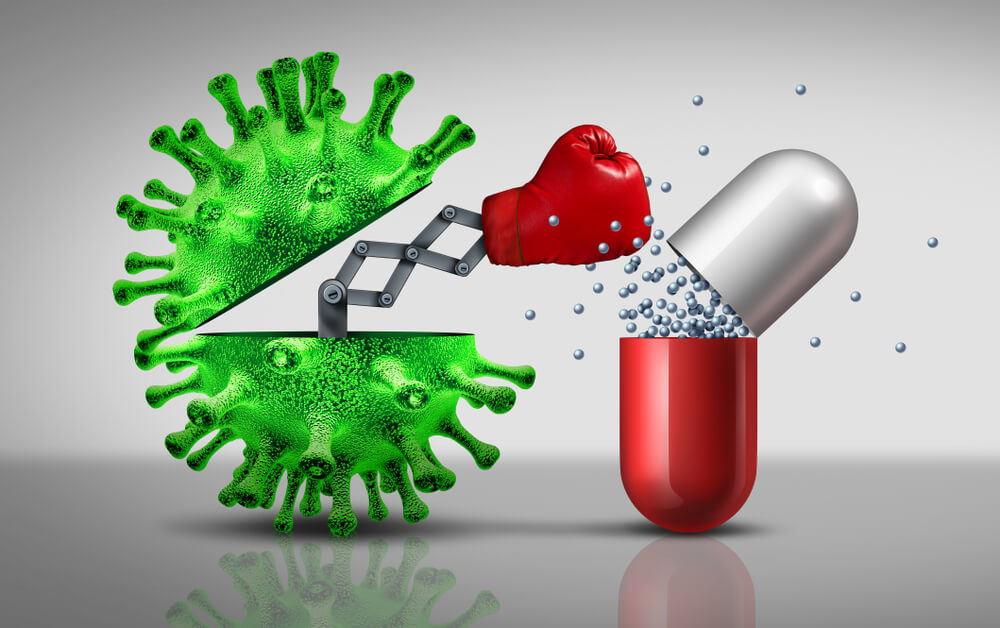
Antibiotic resistance
Antibiotic resistance refers to the development of bacterial resistance to antibiotics. As a result, these medicines can lose their effectiveness, meaning that bacterial infections can no longer be treated effectively.

Cortisone: Effects, Uses and Tips
Cortisone-based medicines are highly effective, and their anti-inflammatory, anti-allergic and immunosuppressive effects are widely used in medicine. However, they can also cause side effects. Find out here how cortisone works, when it is used and how you can ensure it is used safely.

Haemorrhoids – Recognising, treating and preventing them
Almost everyone develops haemorrhoids at some point in their life. There’s no need to feel embarrassed.
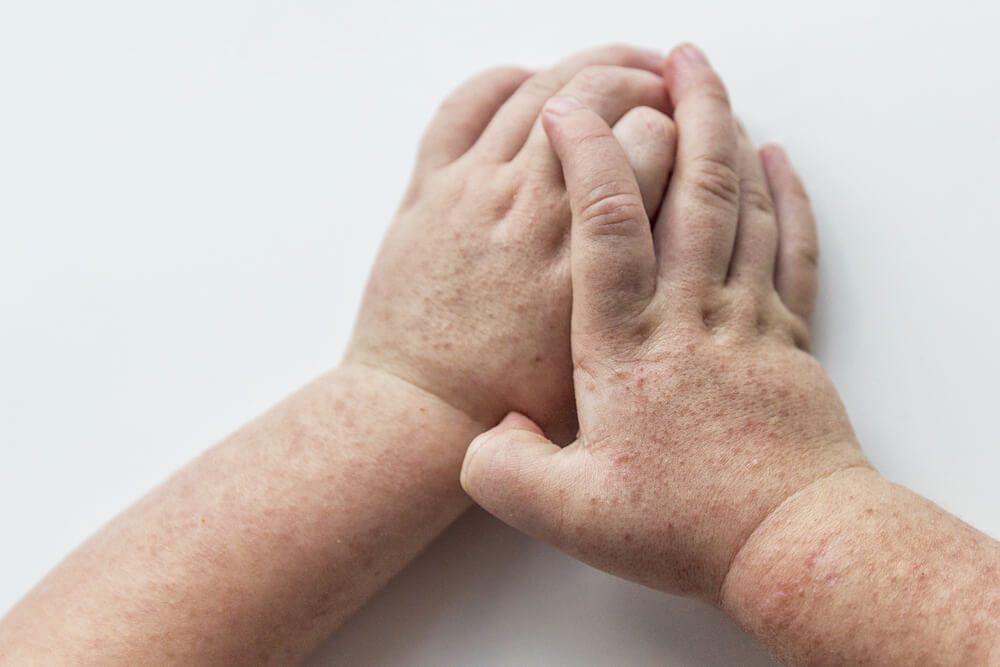
Scarlet fever – causes, symptoms, treatment
Scarlet fever is an infectious disease and is generally regarded as a childhood illness. However, adults can also contract it. Read more about the symptoms and treatment here.

How does neurofeedback work?
Neurofeedback is a form of behavioural therapy that is often used to treat ADHD, anxiety, autism, burnout and depression.
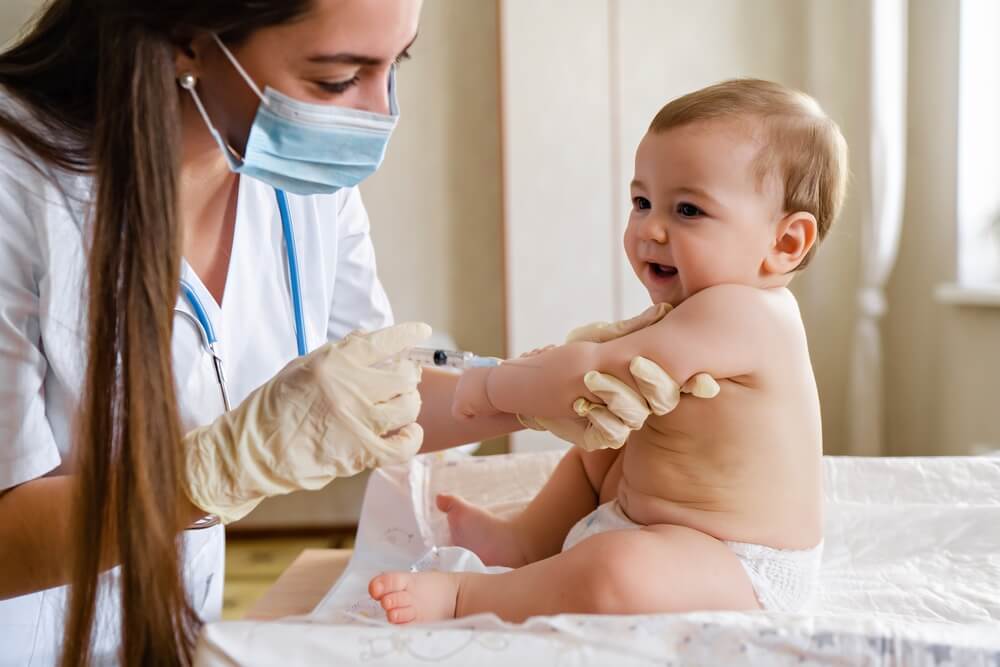
Meningococcal vaccination
The meningococcal vaccine protects against infection caused by certain subtypes of meningococcal bacteria, which can lead to serious illnesses such as meningitis and septicaemia. These conditions can be associated with serious complications.
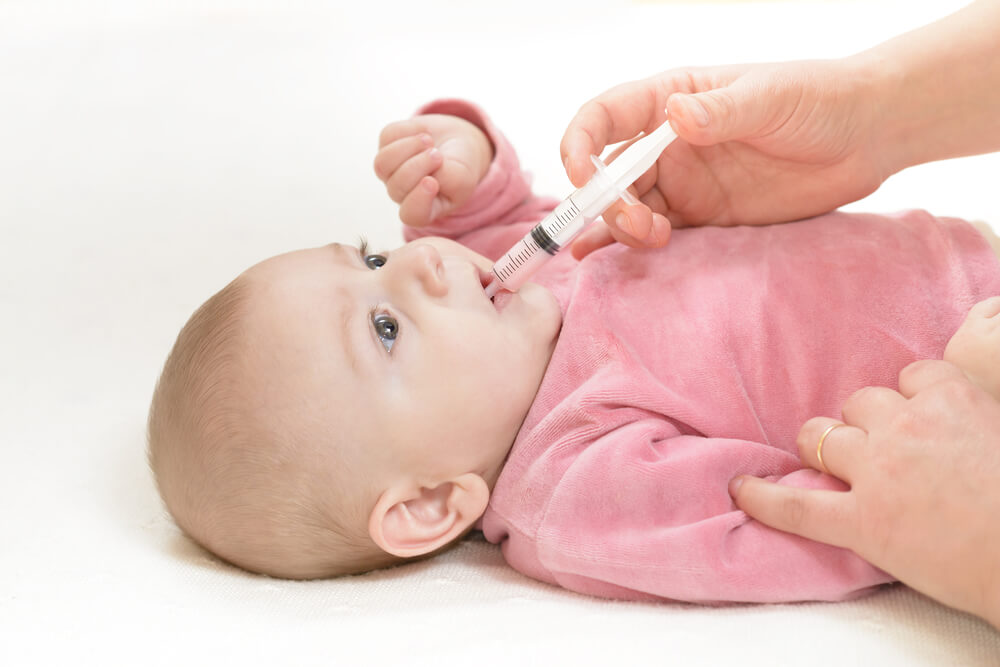
Rotavirus vaccination
The rotavirus vaccine is an oral vaccine that protects against infection with rotaviruses. Rotaviruses are the most common cause of viral diarrhoea in infants and young children.
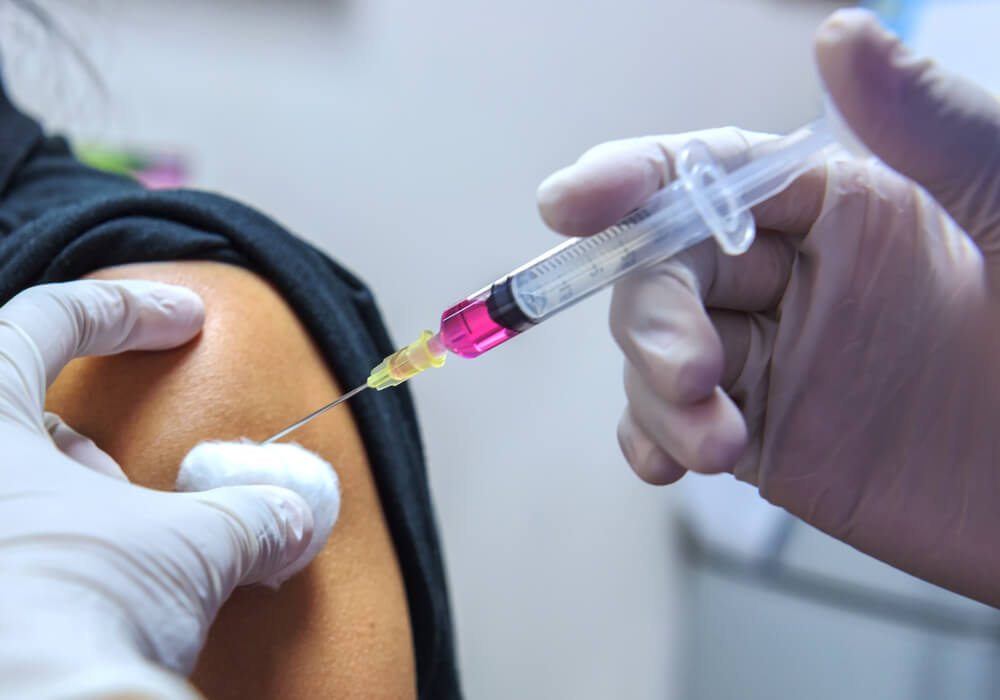
Flu vaccination (vaccination against influenza)
The flu jab (influenza vaccination) not only offers a high level of protection against the flu itself, but also, in particular, protects against severe cases of the illness, which can be accompanied by life-threatening complications such as pneumonia or myocarditis.
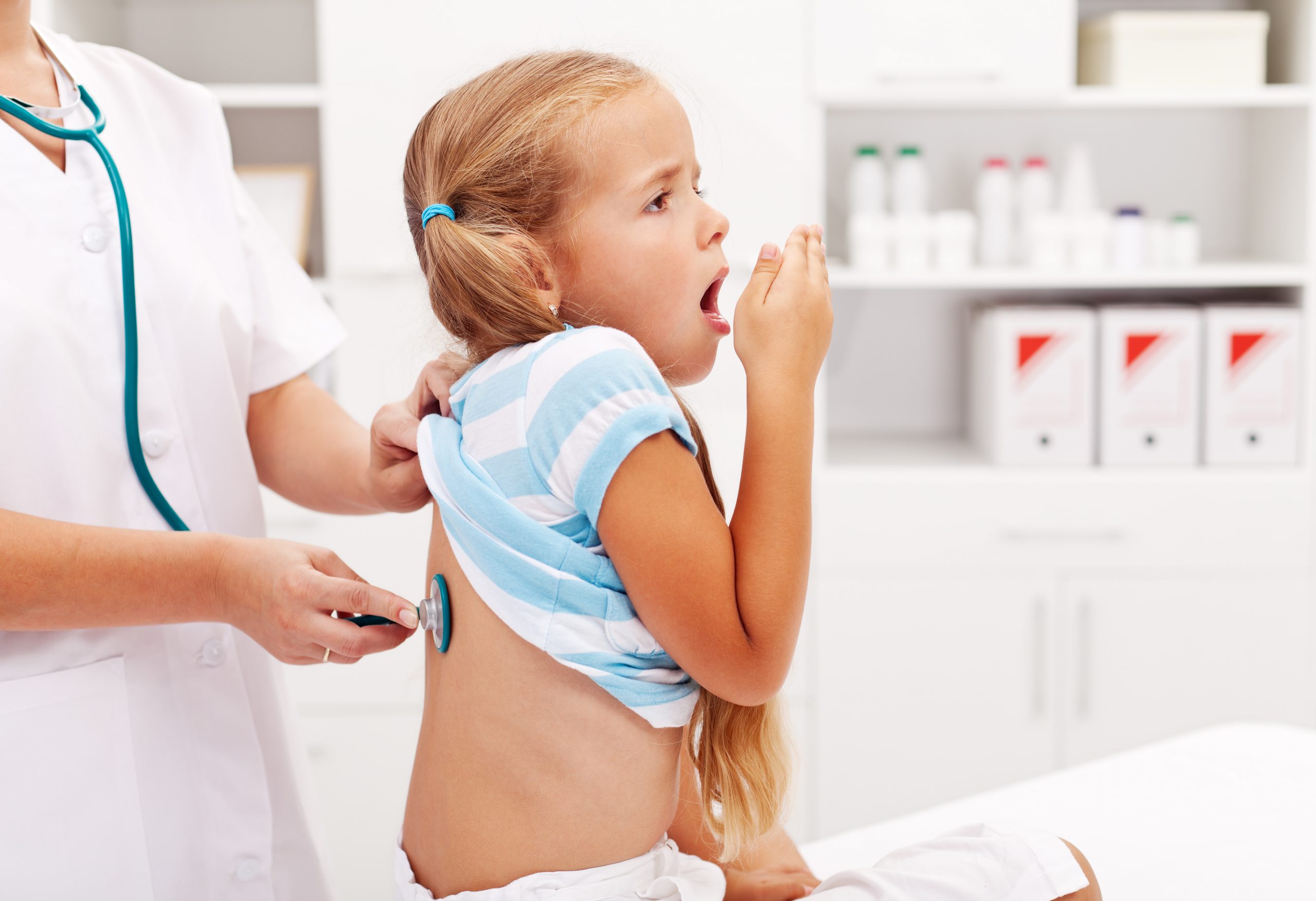
Whooping cough (pertussis)
Whooping cough, an infectious disease of the upper respiratory tract, can present differently in children and adults.
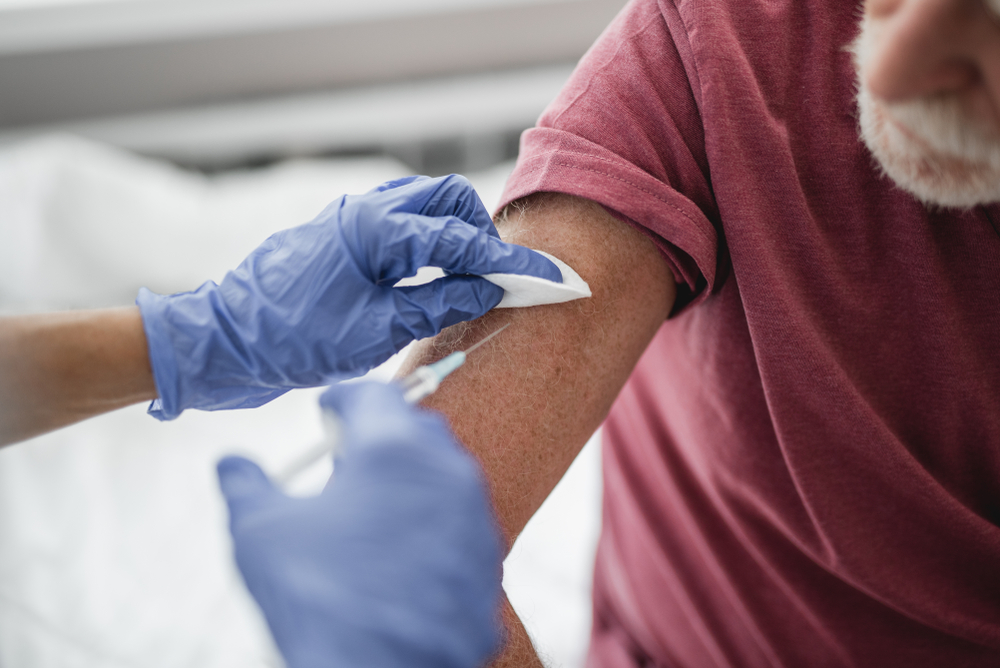
Pneumococcal vaccination
However, the pneumococcal vaccine offers effective protection against the disease. In this article, you will find out why pneumococcal infection can be dangerous, how the vaccine protects you, and what you need to bear in mind.
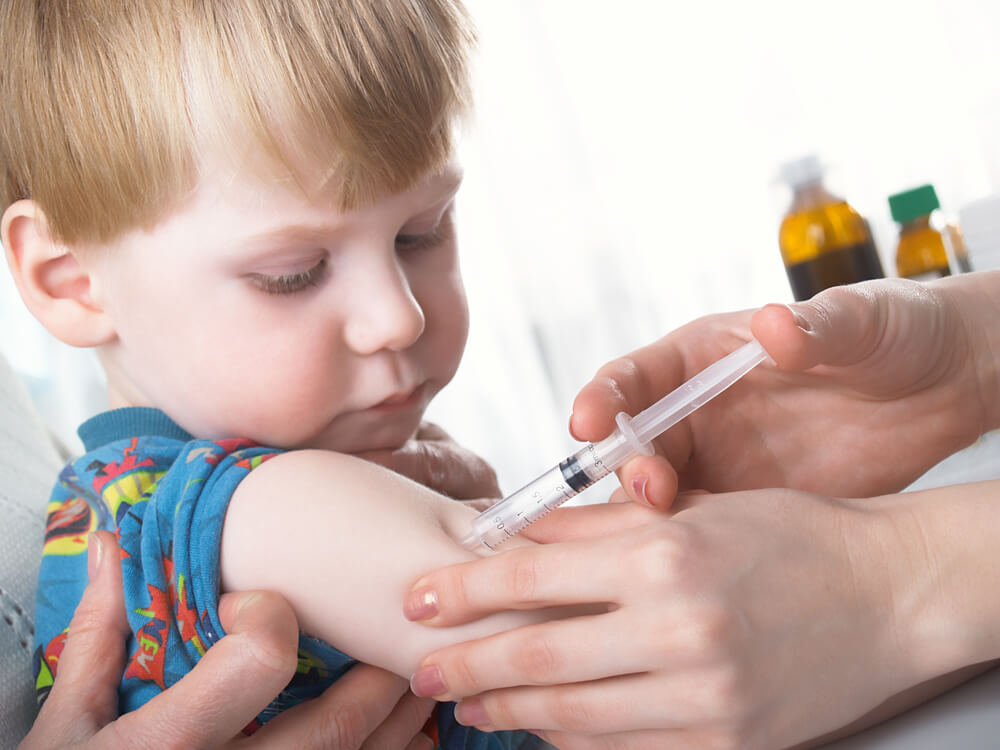
Chickenpox vaccination
The chickenpox vaccine protects against infection with the highly contagious varicella-zoster virus. In this article, you will find out who should be vaccinated, what the Austrian vaccination schedule entails, and other important information about the chickenpox vaccine.
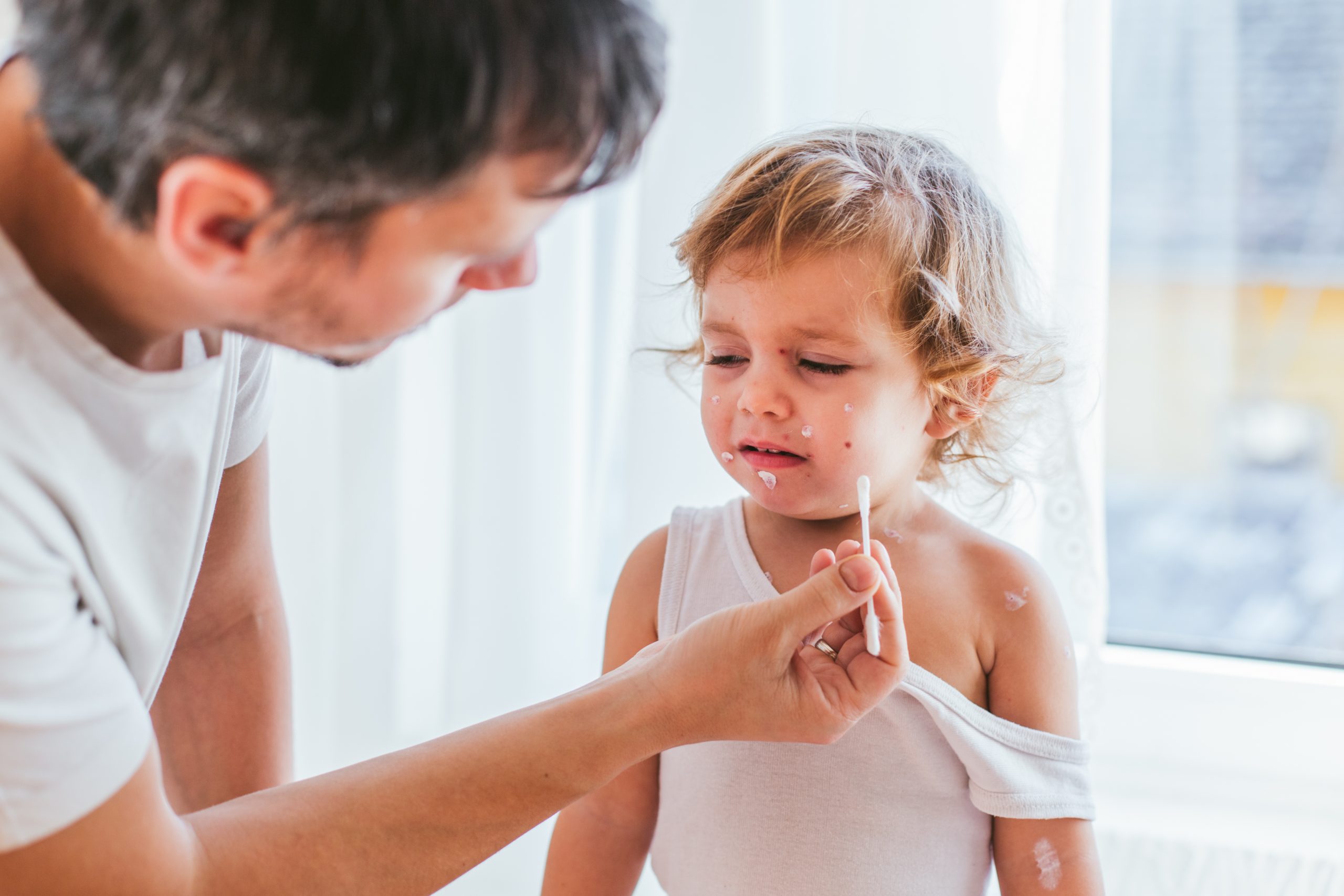
Chickenpox – Definition, Symptoms, Treatment
Chickenpox (varicella) is a highly contagious viral disease. It mainly affects children, but adults can also be affected.

Vaccination against measles, mumps and rubella (MMR vaccination)
Measles, mumps and rubella are highly contagious viral diseases that are found all over the world. They are transmitted via droplet infection, primarily through talking, coughing and sneezing. All three diseases can lead to serious complications or long-term health problems.

6-in-1 vaccination
The 6-in-1 vaccine is a combination vaccine comprising six different vaccines. It provides protection against six serious infectious diseases (diphtheria, tetanus, whooping cough, polio, Haemophilus influenzae type B (Hib) and hepatitis B).

Blood in the stool
Blood in the stools is a worrying symptom that often causes anxiety. However, it is not always caused by life-threatening conditions. In this article, you will learn about the various causes of blood in the stools – ranging from harmless to serious – how doctors reach a diagnosis, and what treatment options are available.

Treatment of pneumonia
You can find out here which factors influence the course of the illness and its treatment.