Summary
HPV vaccination for girls and boys
Recommended for: children aged 9 and over; young people up to their 30th birthday; adults up to the age of 60
Vaccine: Gardasil 9, a nine-valent vaccine that protects against nine HPV types (6, 11, 16, 18, 31, 33, 45, 52, 58)
Effectiveness: reduces the incidence of cervical cancer by around 80 per cent; lowers the incidence of high-grade precancerous cervical lesions and anogenital warts.
Side effects: mild: redness, swelling, pain at the injection site, headaches, dizziness and circulatory problems
What is HPV?
The abbreviation HPV stands for human papillomavirus. Infections with these viruses are among the most common sexually transmitted infections. Worldwide, around 80 per cent of all sexually active people contract HPV at some point in their lives.
The problem is that some of these virus types play a significant role in the development of cervical cancer and other types of cancer – such as cancer of the vulva, vagina, anus, penis or the mouth and throat. Other types can cause benign genital warts in the genital and anal areas.
Human papillomaviruses are transmitted through direct person-to-person contact. They mainly colonise the skin and mucous membranes. Infection therefore occurs mainly through close skin-to-skin and mucous membrane contact in the genital area, for example during petting or during vaginal, anal or oral sex. The viruses can enter the cells via tiny, often invisible breaks in the skin or mucous membranes and infect them.
Most HPV infections clear up on their own. However, some types of HPV can have health consequences.
A distinction is made primarily between two groups:
- Low-risk types can cause genital warts in the genital or anal area. These warts are benign but can be uncomfortable and may recur.
- High-risk types can trigger long-term cell changes. These can lead to precancerous lesions and, later, to certain types of cancer. These include, for example, cervical cancer, anal cancer, penile cancer, as well as cancers of the vulva, vagina and the mouth and throat.
Condoms can reduce the risk of HPV infection, but do not offer complete protection. The reason is that HPV can also be transmitted via areas of skin not covered by a condom.
The most important form of protection is the HPV vaccine. It protects against the main types of HPV that can cause cancer and genital warts. The vaccine is most effective when administered before a person becomes sexually active – ideally during childhood or adolescence.
Who is the HPV vaccination recommended for?
In Austria, the HPV vaccine is recommended for a wide age group. Thanks to the free childhood vaccination programme, it is particularly accessible to many people.
Children and young people
According to the Austrian Immunisation Schedule 2025/2026, the HPV vaccine is recommended for girls and boys from the age of 9. Under the free vaccination programme, it is available from the age of 9 up to the age of 21.
In this age group, two doses are usually required. The second dose is administered six to twelve months later.
Young adults
There was a time-limited catch-up scheme for young adults aged between 21 and 30. Anyone who received their first HPV vaccination free of charge by 31 December 2025 at the latest can still receive the second dose free of charge until 30 June 2026.
Since 1 January 2026, free first doses are no longer available for people aged between 21 and 30.
From 1 July 2026, as things stand at present, the free HPV vaccination will once again be restricted to those who received their first dose before their 21st birthday.
Adults aged 30 and over
Even after turning 30, an HPV vaccination may still be advisable in individual cases. In such cases, the decision should be discussed on a case-by-case basis with a doctor. From the age of 30, a course of three vaccinations is recommended.
Adults aged 30 and over usually have to cover the costs themselves. Exceptions may apply for specific medical reasons, for example following a conisation due to high-grade cervical cell changes.
Why should boys be vaccinated too?
HPV is often associated solely with cervical cancer. However, this view is too narrow: human papillomaviruses can also have health consequences for boys and men and play a role in the development of certain types of cancer. An HPV vaccination can protect boys later in life against HPV-related cancers, including anal cancer, penile cancer and cancer of the mouth and throat.
Furthermore, certain HPV types are the main cause of genital warts. Although these are not life-threatening, they can be protracted, unpleasant and psychologically distressing. The vaccine offers a high level of protection against this too. The vaccination is also important for boys because they can pass on HPV without noticing any symptoms themselves.
The vaccine therefore protects not only them but also, indirectly, their future partners. In short: the more people who are vaccinated, the less easily HPV can spread within the population.
What HPV vaccines are available?
The nine-valent vaccine used as standard in Austria and recommended by the National Immunisation Committee is Gardasil 9. It protects against nine HPV types: 6, 11, 16, 18, 31, 33, 45, 52 and 58. It therefore covers both important high-risk types that cause cancer and HPV types that can cause genital warts.
Gardasil 9 is authorised for girls and women, as well as boys and men, from their 9th birthday onwards. There is also the bivalent vaccine Cervarix. It targets HPV types 16 and 18. However, it plays a minor role in the Austrian vaccination programme, as Gardasil 9 offers broader protection.
The HPV vaccines contain proteins from the virus’s outer shell. The immune system produces specific antibodies against these proteins. These enable a rapid and targeted defence should a person come into contact with the virus after vaccination.
How effective is the HPV vaccine?
The effectiveness of the HPV vaccination has been investigated in numerous studies. In summary, it can be said that the vaccination can significantly reduce the risk of cervical cancer.
For people who were vaccinated at or before the age of 16, the risk of cervical cancer is likely to be around 80 per cent lower than for those who have not been vaccinated. If vaccination takes place later, this reduction in risk is less pronounced. The HPV vaccine is also likely to reduce the incidence of high-grade precancerous lesions of the cervix.
The vaccine used in Austria also protects against HPV types that can cause genital warts. Here too, protection is particularly high when the vaccine is administered at an early age.
What are the side effects of the HPV vaccine?
As with other vaccines, the HPV vaccine can cause typical local reactions at the injection site. These include pain, swelling and redness. In addition, temporary circulatory reactions may occur shortly after vaccination, such as dizziness, light-headedness or ‘seeing black spots’.
This can occur particularly in children and adolescents. For this reason, you should remain seated or be monitored for about 15 minutes after the vaccination. Large-scale studies have so far found no causal link between the HPV vaccine and serious side effects that permanently impair health.
Nor is there, based on current knowledge, any conclusive evidence of a link to autoimmune diseases, certain neurological complications or infertility.
Other possible side effects include headaches, tiredness, fever, nausea or fatigue. These can be unpleasant, but are usually temporary and subside completely. As with other vaccines, a severe allergic reaction, such as anaphylactic shock, may occur in very rare cases.
When should the vaccine not be administered?
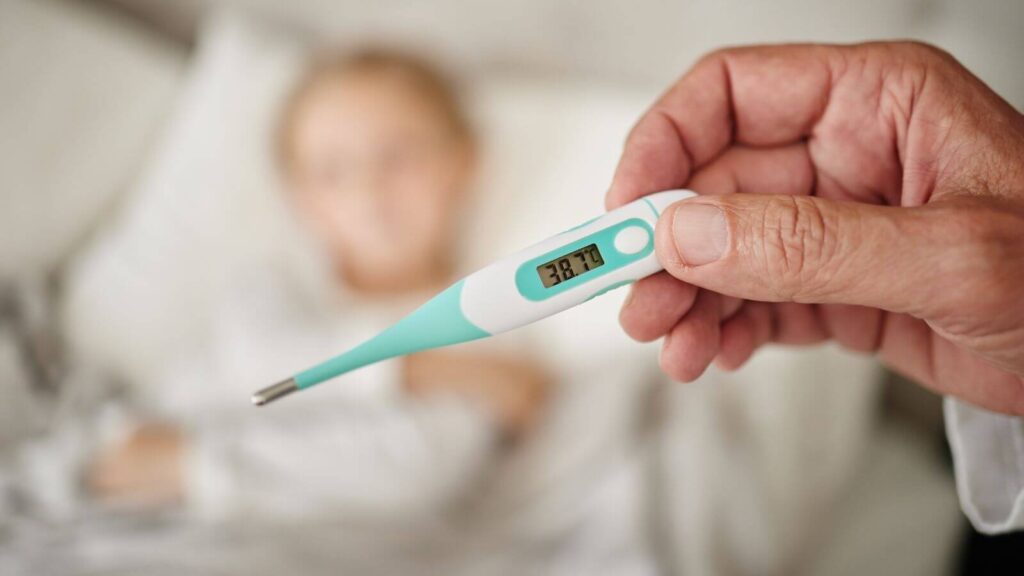
The HPV vaccine should not be administered if there is a severe hypersensitivity to any of the vaccine’s ingredients. The vaccination should be postponed if the person has an acute, severe, feverish illness. A mild cold or a slightly elevated temperature is not usually a reason to postpone the vaccination.
The HPV vaccine is not recommended during pregnancy. However, according to current medical knowledge, if the vaccine is accidentally administered whilst a pregnancy is not yet known, this is not considered to be a problem. The remaining doses should then be postponed until after the pregnancy.
Can the HPV vaccine cause HPV?
No. The HPV vaccine cannot cause an HPV infection. It contains neither whole viruses nor live viruses. The vaccines are based on recombinantly produced proteins from the viral envelope. These proteins assemble into what are known as virus-like particles.
To the immune system, they look similar to HPV but do not contain any of the virus’s genetic material. Therefore, they cannot replicate, infect cells or cause disease. Instead, the vaccination teaches the immune system to recognise HPV and produce the appropriate antibodies. If a vaccinated person later comes into contact with actual HPV types, the immune system can react more quickly and fend off an infection more effectively.
How much does the HPV vaccination cost in Austria?
In Austria, the cost of the HPV vaccination depends primarily on age and the timing of the first dose. The following rules have applied since 1 January 2026:
- From their 9th to their 21st birthday, the HPV vaccination is free as part of the free childhood vaccination programme.
- For people aged between 21 and 30, a transitional arrangement applies: anyone who received the first dose free of charge by 31 December 2025 at the latest can still receive the second dose free of charge until 30 June 2026. Since 1 January 2026, a free first dose is no longer available for this age group.
- From the age of 30, the HPV vaccination is generally subject to a charge. Depending on the provider, a dose currently costs around 210 to 240 euros. Some private supplementary health insurance policies cover the costs in part or in full.
Statutory health insurance funds do not usually cover the costs outside the free vaccination programme. An important exception applies to women up to the age of 45 who have undergone a conisation or cervical surgery: in this case, reimbursement of costs may be possible following approval by the chief medical officer.
Where can you get the HPV vaccine?
In Austria, the HPV vaccine is widely available. You can get vaccinated at the following locations, amongst others:
- at public vaccination centres: In Vienna, the TownTown vaccination service is a central point of contact. Appointments can be booked online via the Vienna Vaccination Service or by telephone on 1450. In the other federal states, the vaccination is often offered through the municipal health authorities or the district administrations.
- at health centres: Some ÖGK health centres also offer HPV vaccinations or vaccination campaigns.
- at GPs’ practices: These include, for example, general practitioners and paediatricians.
- During special vaccination campaigns: Depending on the federal state, there are occasionally mobile services, school vaccinations, vaccination buses or other vaccination campaigns.
Tip: You can find up-to-date information on HPV vaccination and vaccination services in Austria at impfen.gv.at.
Useful information for parents
The key facts parents should know:
Why is the vaccination given so early?
The best time for the HPV vaccination is during childhood and early adolescence. The immune system responds very well to the vaccine at this age. Furthermore, the vaccine is most effective when administered before a child’s first exposure to HPV. That is why the National Immunisation Committee in Austria recommends that the first HPV vaccination be given between the ages of 9 and 11 in particular.
What does the vaccine protect against?
It’s not just about cervical cancer. The 9-valent vaccine Gardasil 9, used in Austria, protects against diseases caused by HPV types 6, 11, 16, 18, 31, 33, 45, 52 and 58. These include precancerous lesions and cancer of the cervix, vulva, vagina and anus, as well as genital warts. Cancers in the mouth and throat may also be linked to HPV. That is why the vaccine is important not only for girls, but also for boys.
How safe is the vaccine?
The HPV vaccine has been thoroughly researched. Common reactions to the vaccine include pain, redness or swelling at the injection site. Headaches, tiredness or dizziness may also occur. These symptoms are usually temporary. Circulatory problems may occur immediately after the vaccination. This particularly affects young people and is not specific to the HPV vaccine; it can occur following vaccinations in general. It is therefore recommended that you remain seated or lying down for about 15 minutes after the vaccination.
How should you talk to your child or teenager about HPV?
Honesty, age-appropriate information and avoiding unnecessary stress about sexuality are important. The HPV vaccination should be explained as a routine preventive vaccination.
Younger children: 9 to 12 years
At this age, the main focus is on protection against future illnesses. Details about how the virus is transmitted do not need to be the main focus. You could, for example, compare the HPV vaccination with the tick-borne disease vaccination: both vaccinations protect against infections that can have serious consequences later on.
Also explain why the vaccine is recommended at such a young age: at this age, the body is particularly good at building up defences against HPV. Furthermore, the vaccine provides the best protection when administered before any potential exposure to HPV. Focus on preventative healthcare, much like brushing your teeth, eating a healthy diet or having other recommended vaccinations.
Teenagers: from 13 or 14 years old
Young people often already know quite a bit about viruses, bacteria and infection. Parents can share important facts with them whilst respecting their right to make their own decisions. Treat the vaccination as normally as possible – much like a tetanus or flu jab. It is a form of medical prevention.
You don’t need to discuss sexuality in detail unless the topic comes up naturally. However, it’s important to be honest when questions arise. For example, tell your child that their arm might hurt a little after the vaccination or feel a bit like a sore muscle.
Avoid painting a grim picture of cancer. Instead, emphasise the power of prevention: the vaccine helps to prevent future illnesses. Be open to questions and take any concerns seriously.
Myths about HPV
There are persistent myths surrounding the HPV vaccination that often cause uncertainty.
- Myth 1: “The vaccine is only important for girls.”
- The fact is: HPV can cause more than just cervical cancer. Boys and men can also develop HPV-related conditions, such as anal cancer, penile cancer or cancer of the mouth and throat. When boys are vaccinated, they protect themselves and help to reduce the spread of HPV.
- Myth 2: “The vaccine can cause infertility.”
- Fact: There is no evidence to support this. The HPV vaccine contains no live viruses and no ingredients that would affect fertility.
- Myth 3: “I’m already sexually active, so it’s too late now anyway.”
- Fact: The vaccine can still be beneficial even after you have become sexually active. Even if you have already been exposed to one type of HPV, you are usually not infected with all the types of HPV that the vaccine protects against. The vaccine can therefore still protect you against those types you have not yet been exposed to.
- Myth 4: “You no longer need a smear test after the vaccination.”
- Fact: The HPV vaccine does not replace gynaecological cancer screening. The 9-valent vaccine protects against key HPV types, but not against all HPV types and not against all forms of cervical cancer. Regular cancer screening with a gynaecologist therefore remains extremely important, even for vaccinated individuals.
FAQ
The HPV vaccine protects against infection with key types of human papillomavirus, which can cause the following diseases:
- Cervical cancer and its precancerous stages
- Cancer of the mouth and throat
- Anal cancer
- Cancer of the vulva, vagina and penis
- Genital warts
A distinction is made here between infections (which usually go unnoticed) and the resulting cancers. In summary, it can be said that in Austria, a total of around 800 to 1,000 cases of cancer are diagnosed each year that are directly attributable to an HPV infection.
In addition, precancerous cervical lesions requiring treatment are diagnosed in around 4,000 to 6,000 women each year. Finally, there are also thousands of new cases of genital warts each year.
Yes, the HPV vaccine is considered very safe. It has been in use for over 15 years and has been closely monitored worldwide, with over 500 million doses administered. The WHO, the EMA and the Austrian Vaccination Advisory Board have classified the vaccine as safe. As for side effects, these are usually short-lived and mild, and serious reactions are extremely rare.
Yes, because even after having sex for the first time, the vaccine remains an effective means of significantly reducing the risk of future infections and the associated cellular changes.
Yes, that is possible, because although the vaccine protects against the nine most dangerous types of HPV, it does not cover all of the more than 200 known types. There is therefore a small residual risk, and: protection is only complete if you have been vaccinated before your first exposure to the nine types covered by the vaccine.
The fact is, therefore, that the vaccine offers the best possible protection against the most dangerous strains, but it does not replace regular cancer screening (a smear test at the gynaecologist’s).
No, because the vaccine is designed to prevent infection, not to treat existing infections, and even if you are already infected with one type of HPV, the vaccine still protects you against the other types you have not yet come into contact with.
In Austria, young people are regarded as ‘minors with legal capacity’ from their 14th birthday onwards and may, in principle, decide for themselves on medical procedures, which also include vaccinations.
Before they reach the age of 14, the consent of those with parental responsibility is required, and doctors are obliged to provide information about the vaccination to both the child and their legal guardians.


Federal Ministry of Labour, Social Affairs, Health, Care and Consumer Protection (BMASGPK): Austria’s Vaccination Schedule 2025/2026, Version 1.1, 10 October 2025
- https://www.gesundheit.gv.at/leben/gesundheitsvorsorge/impfungen/ueberblick/feigwarzen.html
, accessed March 2026
- https://impfen.gv.at/impfungen/hpv
, accessed March 2026
- https://www.rki.de/SharedDocs/FAQs/DE/Impfen/HPV/FAQ-Liste_HPV_Impfen.html#entry_16870784
, accessed March 2026
The Future II study group, NEJM 356; 19 (2007), pp. 1915–1927,
- https://pubmed.ncbi.nlm.nih.gov/17494925/
, accessed March 2026
Lei J et al: HPV Vaccination and the Risk of Invasive Cervical Cancer. N Engl J Med
. 1 October 2020;383(14):1340–1348,
- https://pubmed.ncbi.nlm.nih.gov/32997908/
, accessed March 2026
- https://edoc.rki.de/bitstream/handle/176904/7820/HPV-Impfung.pdf
, accessed March 2026
- https://www.msdmanuals.com/de/heim/infektionen/immunisierung/impfstoff-gegen-das-humane-papillomavirus-hpv
, accessed March 2026