Summary
Genital warts
Genital warts (anogenital warts, condylomata acuminata): Benign skin growths in the genital area
Appearance: Genital warts can range in size from a pinhead to several centimetres. They vary in colour, feel soft to the touch and usually do not cause pain when pressed. Some people affected report itching, a burning sensation or pain. The warts appear individually or in clusters. They can spread and form larger, cockscomb-like growths.
Symptoms: Genital warts usually do not cause any general symptoms. Depending on their location, size and extent, they may cause pain during sexual intercourse, problems with urination or other symptoms.
Cause: Infection with human papillomaviruses (HPV), particularly HPV types 6 and 11
Transmission: Sexual contact, smear infection following contact with contaminated objects, and, rarely, transmission from mother to child during childbirth.
Diagnosis: The diagnosis depends on the individual situation. Possible methods include a discussion of medical history (anamnesis), an examination of the genital area (gynaecological or urological), endoscopic examinations, blood tests, an HPV test or an acetic acid test.
Important: Partners should also be examined.
Treatment: Options include topical medications such as creams, ointments or solutions. Other treatments include cryotherapy or surgical procedures, for example removal using a scalpel, laser, electrocautery or scissors.
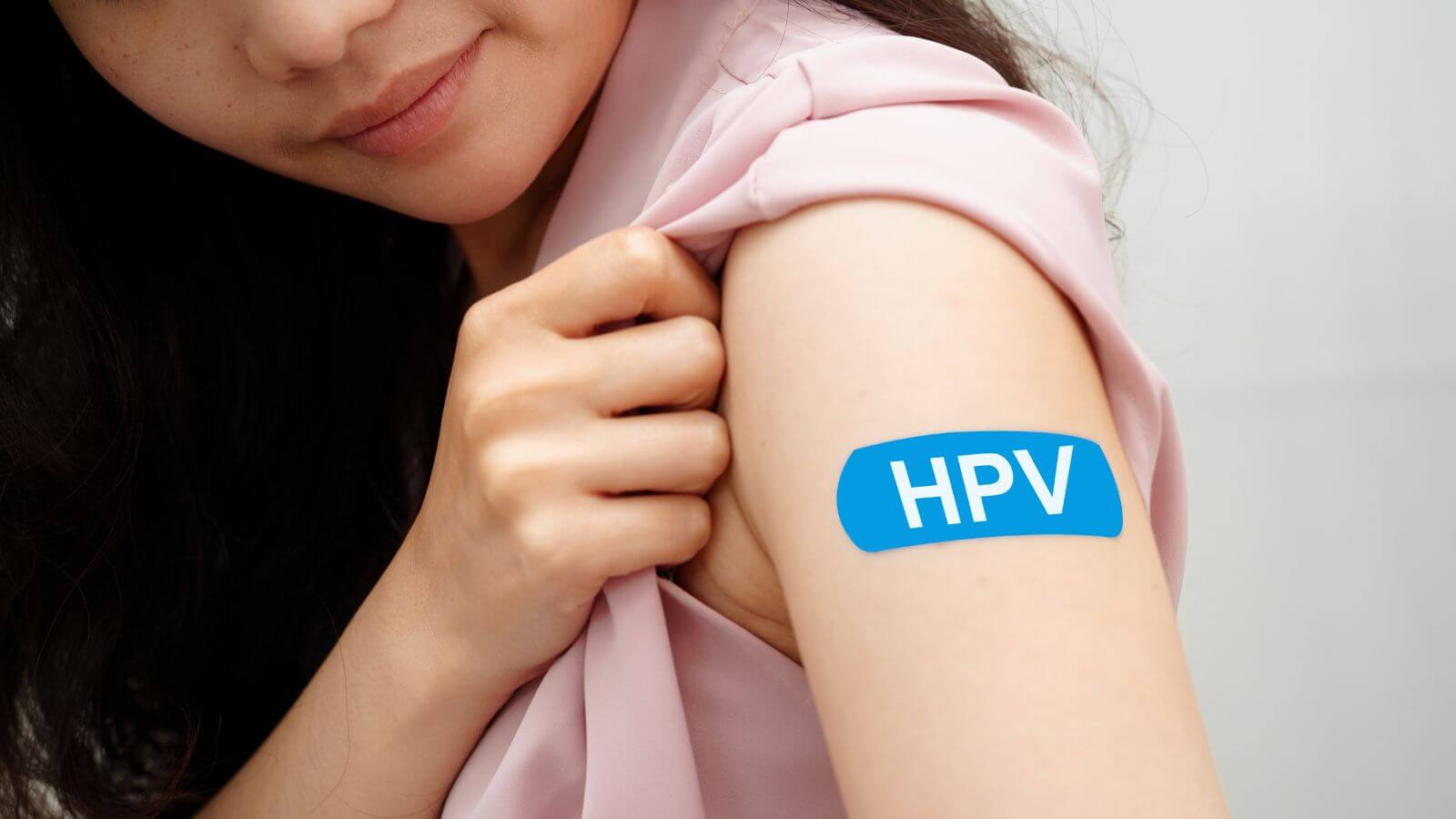
Prevention: An HPV vaccine can protect against certain HPV types (9-valent vaccine against types 6, 11, 16, 18, 31, 33, 45, 52 and 58). This can reduce the risk of genital warts. Condoms reduce the risk of infection but do not offer complete protection.
What are genital warts?
Genital warts (anogenital warts, condylomata acuminata) are benign skin growths in the genital area. They are among the most common sexually transmitted infections. Many people become infected with the human papillomavirus (HPV ) that causes them at some point in their lives, but not everyone who is infected develops visible genital warts. Women and men are affected with roughly equal frequency. Genital warts are particularly common among people aged between 15 and 30. However, they can develop at any age. Genital warts may clear up on their own, but they can also spread further and persist for months or even years. Genital warts can appear in various places in the genital and anal areas. In women, they frequently occur:
- on the labia
- in the vulva
- between the labia and the perineum
- inside the vagina
- on the cervix
In men, genital warts frequently occur on the penis, particularly:
- on the glans
- in the groove behind the glans
- on the frenulum
- on the foreskin
- on the shaft of the penis
In both sexes, genital warts can also appear on the following parts of the body:
- around the anus
- in the rectum
- in the urethra
Genital warts rarely develop on other parts of the body outside the genital and anal areas. The warts are usually soft and clearly defined. They can vary in size and appear either individually or in clusters. Sometimes they merge to form larger, flat skin lesions.
What causes genital warts?
Genital warts are caused by infection with human papillomavirus (HPV). There are many different types of HPV, which can cause various conditions. Depending on how high the risk is that a particular HPV type will cause certain conditions, they are classified as low –risk or high-risk types. High-risk types: These HPV types can increase the risk of various types of cancer in both women and men. These include, for example:
- Cervical cancer
- Vaginal and vulvar cancer
- Anal and penile cancer
- Cancers of the mouth and throat
Low-risk types: These virus types do not usually cause serious diseases. However, some can infect the skin and mucous membranes in the anogenital area and cause genital warts. These include, amongst others, HPV types 6, 11, 40, 42, 43 and 44. In most cases, genital warts are caused by HPV types 6 and 11. 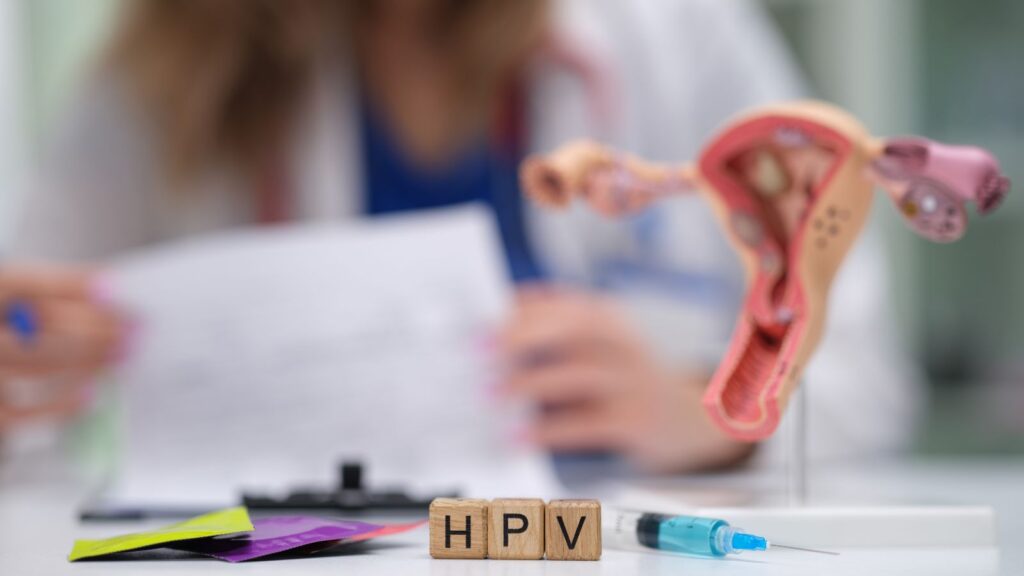
How do you catch HPV?
HPV is mainly transmitted through sexual contact. Infection occurs through direct contact with the skin or mucous membranes. Condoms can reduce the risk of infection during sexual intercourse, but do not provide 100 per cent protection, as they do not cover all areas of the skin through which the virus can be transmitted. Risk factors for HPV infection include, amongst others:
- frequent changes of sexual partners
- a weakened immune system
- taking medicines that suppress the immune system (immunosuppressants)
- drug use
- concurrent infection with certain other (sexually transmitted) diseases such as HIV, genital herpes or chlamydia
In rare cases, infection can occur through contact transmission. This can happen following contact with contaminated objects, such as sex toys. In occasional cases, HPV can be passed from mother to child during childbirth. HPV is very common. Around four in five people become infected at some point in their lives – often without realising it. However, this does not mean that every infected person will develop symptoms such as genital warts. When genital warts do appear, HPV types 6 or 11 are the cause in around 90 per cent of cases. Infection is possible even without visible symptoms. The virus can be transmitted even when no genital warts are visible. The time between contracting HPV and the first symptoms appearing can range from about four weeks to several months.
What are the symptoms of genital warts?
Genital warts can vary in appearance. Some are the size of a pinhead, whilst others can grow to several centimetres in size. Typical characteristics of genital warts include:
- The warts can vary in colour, for example, skin-coloured, reddish or brownish.
- They are soft.
- They usually do not cause pain when pressed.
Particularly in cases of severe infection, genital warts can cause itching, a burning sensation or pain. Genital warts often appear in clusters. They can spread and form larger, patchy areas. In rare cases, long-standing genital warts can develop into carcinomas (Buschke-Löwenstein tumour). In addition to the ‘classic’ type of genital warts described here, there are also special forms, such as flat genital warts (condylomata plana). In many cases, genital warts do not cause any general symptoms. However, depending on their location, size and extent, they may cause pain during sexual intercourse or discomfort when passing urine. Friction or contact can sometimes cause genital warts to tear and bleed. In women, they may also lead to an increase in vaginal discharge. Genital warts can be very distressing psychologically. Some people affected feel ashamed or are afraid of infecting their partners. Important: Not all of the symptoms mentioned above need to be present in cases of genital warts. Some symptoms may be harmless or indicate another condition. The list of symptoms is therefore not exhaustive. If you are unsure or suspect you may have genital warts, you should seek medical advice. Anyone who suspects they may have genital warts or another sexually transmitted infection should seek medical advice. It is important to speak openly with your doctor about your observations, symptoms and concerns.
How are genital warts diagnosed?
If you suspect you have genital warts, you should consult a gynaecologist, urologist or dermatologist. Often, a brief examination is sufficient to identify genital warts. To confirm the diagnosis more precisely, a thorough examination of the genital area – or a gynaecological or urological examination – is carried out following a consultation with a doctor. This includes:
- Palpation
- Examination using a speculum
- PAP smear
- Colposcopy
- Urological examination
To rule out the spread of the condition to internal areas of the body, further investigations may be necessary, such as an endoscopy of the anus or rectum. Infection within the urethra can be investigated by means of a urethroscopy (or meatoscopy). A blood test is carried out to rule out other sexually transmitted infections. Swabs may also be taken, for example to detect chlamydia. Small or invisible genital warts can sometimes be detected using an acetic acid test. This involves applying diluted acetic acid to the skin; the warts then turn a whitish colour. In some cases, an HPV test is useful to determine which type of virus is present. To rule out other conditions, a histological examination of removed warts is sometimes carried out. Which tests are necessary depends on the patient’s individual situation. Important: If genital warts or other sexually transmitted infections are confirmed, partners should also be examined.
How are genital warts treated?
Various treatment options are available for genital warts. These include: Medication (applied topically):
- Creams, ointments or solutions, e.g. containing podophyllotoxin, imiquimod, trichloroacetic acid or green tea extract
- Applied either by the patient themselves or by a doctor, depending on the preparation
Physical and surgical procedures:
- Cryotherapy (freezing)
- photodynamic therapy
- Surgical removal (e.g. with a scalpel or laser)
- Electrocautery or removal with scissors
The most suitable treatment depends on several factors:
- the location, size, number and severity of the warts
- The nature and success of any previous treatments
- Any underlying or concomitant medical conditions
- Individual circumstances, such as pregnancy
- The patient’s preferences
It is important that sexual partners are also examined and, if necessary, treated. This helps to prevent repeated mutual reinfection. What is the course of a genital wart infection? The course of genital warts can vary greatly. Even after successful treatment, warts may reappear, as relapses are not uncommon. In around 30 per cent of all cases, genital warts clear up on their own without treatment. However, as they are contagious, can spread and lead to distressing symptoms, genital warts should always be assessed by a doctor and treated appropriately.
How can genital warts be prevented?
Genital warts can be prevented by using condoms and having the HPV vaccination. Condoms can reduce the risk of HPV infection, but do not offer complete protection. Various HPV vaccines are currently available, including a 9-valent vaccine. This is effective against HPV types 6, 11, 16, 18, 31, 33, 45, 52 and 58. It therefore also protects against the virus types responsible for most cases of genital warts. Vaccination with the 9-valent vaccine can also reduce the risk of certain HPV-related cancers, including cervical cancer and its precancerous stages, as well as cancers of the mouth and throat, the penis and the anal area. Girls and boys can be vaccinated from their 9th birthday onwards.
FAQ
Genital warts are caused by infection with certain types of the human papillomavirus (HPV), usually HPV 6 or HPV 11. Transmission occurs primarily through direct skin-to-skin or mucous membrane contact during sex, such as during vaginal, anal or oral sex. Even if no visible warts are present, the virus can still be transmitted. Condoms can reduce the risk of infection, but do not offer complete protection.
Not every HPV infection leads to genital warts. Weeks or even months may pass between contracting HPV and the possible appearance of symptoms such as genital warts. Many people are unaware they have the infection because it often causes no symptoms. Factors such as a weakened immune system can increase the risk of developing genital warts.
Genital warts can be prevented by using condoms, which reduce the risk of infection, or by having the HPV vaccine. Studies have shown that the vaccine is most effective when administered at a young age.
There are various options for treating genital warts. Topical medications, such as creams, ointments or solutions, are frequently used. Depending on the size, number and location of the warts, other procedures may also be appropriate. These include freezing (cryotherapy), laser treatments or minor surgical procedures.
The choice of treatment depends on the individual situation, such as the severity of the warts, any pre-existing conditions or pregnancy. It is also important that sexual partners are examined to prevent repeated mutual infection.
Genital warts are usually benign and not dangerous. In some cases, they even clear up on their own. Without treatment, however, they may persist, grow larger or spread further. Some people affected experience symptoms such as itching, a burning sensation, pain or difficulties during sexual intercourse and when passing urine.
Furthermore, the warts can be a source of psychological distress. In rare cases, long-standing, pronounced genital warts can develop into malignant lesions. It is also important to note that genital warts are contagious. For this reason, any changes in the genital area should be investigated by a doctor, even if they appear harmless at first.
Yes. Genital warts can reappear after successful treatment, even without a new HPV infection. The reason for this is that HPV sometimes remains in the body after treatment, even though there are no longer any visible warts. The virus can become active again later and cause new genital warts.
Recurrences are therefore not uncommon. The risk of this depends, amongst other things, on the immune system and the type of treatment. Nevertheless, re-infection is also possible, for example through sexual contact. Regular check-ups and treatment of sexual partners can help to reduce the risk.
There are no home remedies for genital warts whose effectiveness has been scientifically proven. Self-treatment using home remedies such as vinegar, tea tree oil, garlic or other irritating substances is not recommended. The skin in the genital area is sensitive. Such remedies can cause irritation, pain or minor injuries and make the symptoms worse. As genital warts are contagious and can sometimes be mistaken for other skin conditions, any changes in the genital area should be investigated by a doctor.


Austria’s 2018 Vaccination Schedule, Federal Ministry of Labour, Social Affairs, Health and Consumer Protection
Bartmann I.; HPV vaccination offers protection, according to a Cochrane report, Gyn-Aktiv 05/2018, MedMedia Verlag und Mediaservice GmbH
Salat A.; HIV and HPV, Klinik 01/2017, MedMedia Verlag und Mediaservice GmbH
Köhn F.-M.; HPV in men, Spectrum Urology 01/2016, MedMedia Verlag und Mediaservice GmbH
Bruckert S. et al.; Sexually transmitted viral infections – genital herpes, condylomata acuminata, HIV infection, hepatitis C and B, Swiss Journal of Gynaecology 04/2012, Rosenfluh Publikationen AG
Reiner-Concin A.; The PAP smear, Austrian Medical Journal 7/2011, Verlagshaus der Ärzte Gesellschaft mbH
Heller-Vitouch C.; Genitoanal warts – Genital warts and their differential diagnosis, Spectrum Dermatology 02/2011, MedMedia Verlag und Mediaservice GmbH
Leodolter S., Joura E. A.; Anal Carcinoma, Penile Carcinoma, Head and Neck Tumours – HPV-Associated Tumours, Gyn-Aktiv 01/2011, MedMedia Verlag und Mediaservice GmbH
Stauber-Reichmuth G.; HPV-induced warts and condylomas, Swiss Journal of Dermatology and Aesthetic Medicine (medicos) 04/2008, Rosenfluh Publikationen AG
HPV vaccination: Rapid protection against genital warts, Deutsches Ärzteblatt, 12 February 2014, URL: https://www.aerzteblatt.de/nachrichten/57592/HPV-Impfung-Schneller-Schutz-vor-Genitalwarzen Accessed May 2026
Gesundheitsinformation.de. Genital warts. https://www.gesundheitsinformation.de/feigwarzen-genitalwarzen.html Accessed May 2026
Together against HPV. HPV in adults. https://www.gemeinsam-gegen-hpv.at/hpv-erwachsene Accessed May 2026
Deutsche Aidshilfe. Genital warts / HPV. https://www.aidshilfe.de/de/feigwarzen-hpv Accessed May 2026