
Gynaecology

Genital warts – How do they develop and what can be done about them?
Genital warts are benign skin growths in the genital area. They are caused by infection with the human papillomavirus (HPV) and are among the most common sexually transmitted infections worldwide. In this article, you will learn everything you need to know about the transmission, symptoms, diagnosis, treatment and prevention of genital warts.
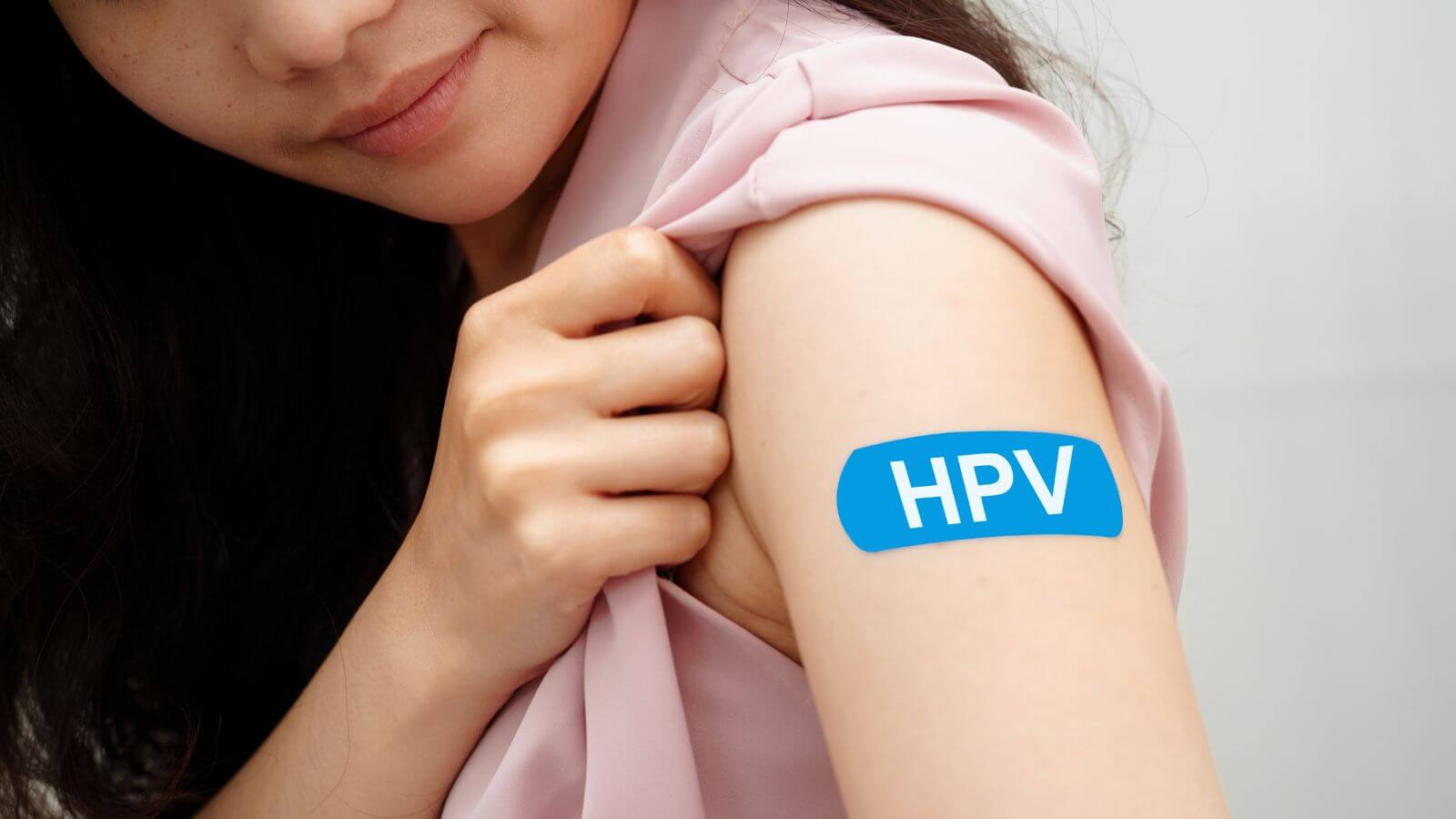
HPV vaccination against cervical cancer
Human papillomaviruses (HPV) are considered the main cause of cervical cancer. The HPV vaccine protects against infection with many types of these viruses, which are usually transmitted through sexual contact. The vaccine can reduce the risk of developing cervical cancer by up to 90 per cent. It also significantly reduces the risk of other HPV-related cancers. In this article, you will find out everything about how the HPV vaccine works, how much it costs and why it is so important.

Polycystic ovary syndrome (PCOS) – causes, symptoms and treatment
Polycystic ovary syndrome (PCOS) is a chronic hormonal condition. It is the most common hormonal disorder among women of childbearing age. Typical consequences include irregular periods, reduced fertility and physical changes caused by an excess of male hormones. With early and targeted treatment, symptoms can be significantly alleviated, and pregnancy is often possible. In this article, you will learn all about the causes, symptoms and treatment of PCOS.

Your first visit to the gynaecologist – what do you need to know?
A young girl’s first visit to the gynaecologist is an important experience. In this article, we explain what happens during a visit to the gynaecologist, how best to prepare for it, what a gynaecological examination involves, and other useful information.

Contraception – what options are there?
Contraceptives play a crucial role in protecting against unwanted pregnancies and maintaining sexual health. There is now a wide range of different methods available. The best method is always a personal choice. Find out here what types of contraceptives are available, how they work and what their advantages and disadvantages are.
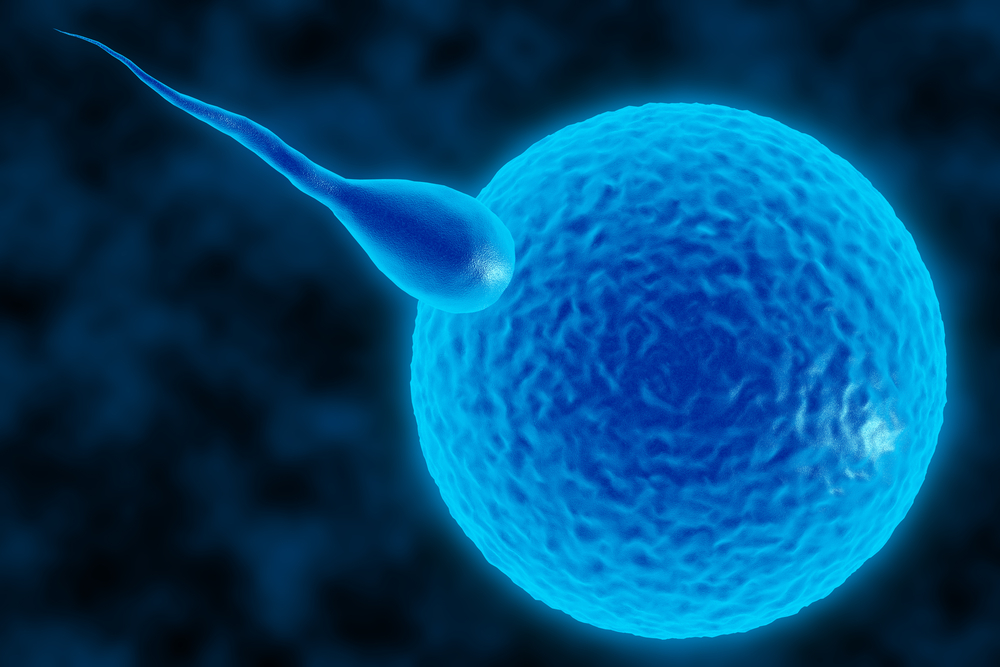
Fertility and egg reserve
Fertility and egg reserve are closely linked. A woman’s egg reserve determines the age up to which pregnancy is possible. This, and the fertile window, vary from woman to woman and are already determined at birth. Assessing the egg reserve provides an indication of whether a woman has sufficient time to have a child and can be an important factor in family planning decisions. Read on to find out how it is assessed and which factors influence fertility in both women and men.