A team from the Swiss Federal Institute of Technology in Lausanne (EPFL) has discovered how to reach particularly tortuous and small blood vessels. Until now, a guide wire – which allows catheters to be guided to the desired location – has been used to gain access to wafer-thin veins and arteries.
However, this leaves large parts of the brain inaccessible, as existing devices are unwieldy and it is extremely difficult to study the tiny, complex cerebral vascular system without causing tissue damage.
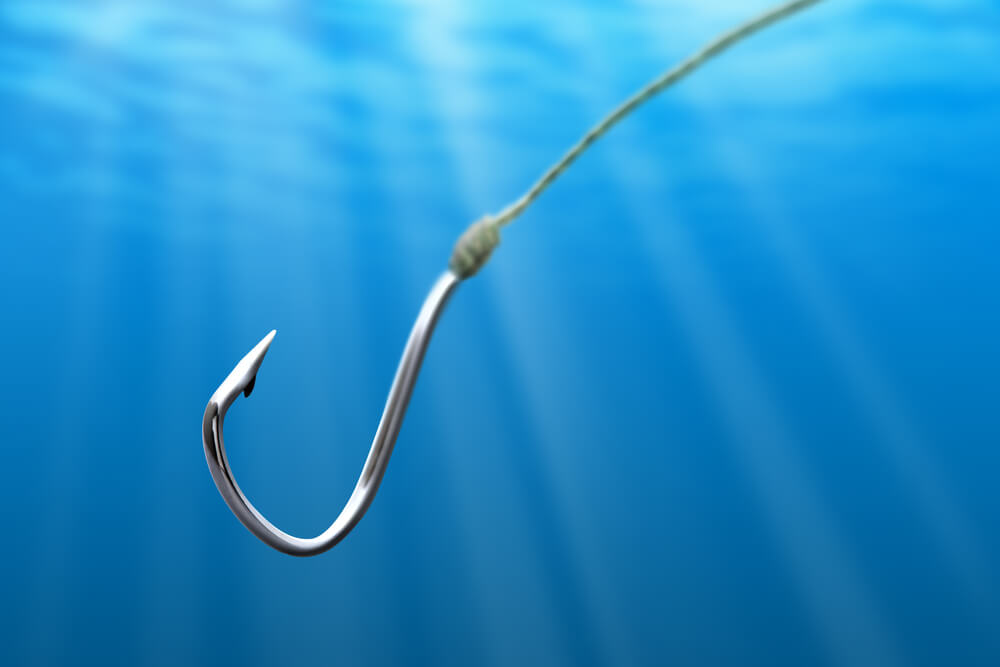
Consequently, devices measuring less than a hundred micrometres have now been developed that can reach even the finest and most branched blood vessels. The instruments consist of a magnetic tip and a flexible body made of biocompatible plastics. They work in a similar way to a fishing hook in water: the blood flow pulls the device, which is held at one end, towards the tiniest vessels in the body. When it encounters a branch, it can be rotated into the desired position using computer-controlled magnetism. In this way, it continues to travel along the capillaries without causing damage to the vessel walls. The feasibility of this approach has been demonstrated in laboratory experiments and in the vascular system of a rabbit’s ear.
In the next step, the researchers aim to test the system in further animal trials. They hope that their development will one day make it possible to treat deep-seated brain tumours.
Reference:
EPFL
press release, Science APA; https://science.apa.at/power-search/7166836274369196198,
Original publication: Flow-driven robotic navigation of microengineered endovascular probes, Nature Communications 2020, https://www.nature.com/articles/s41467-020-20195-z