
Sleep
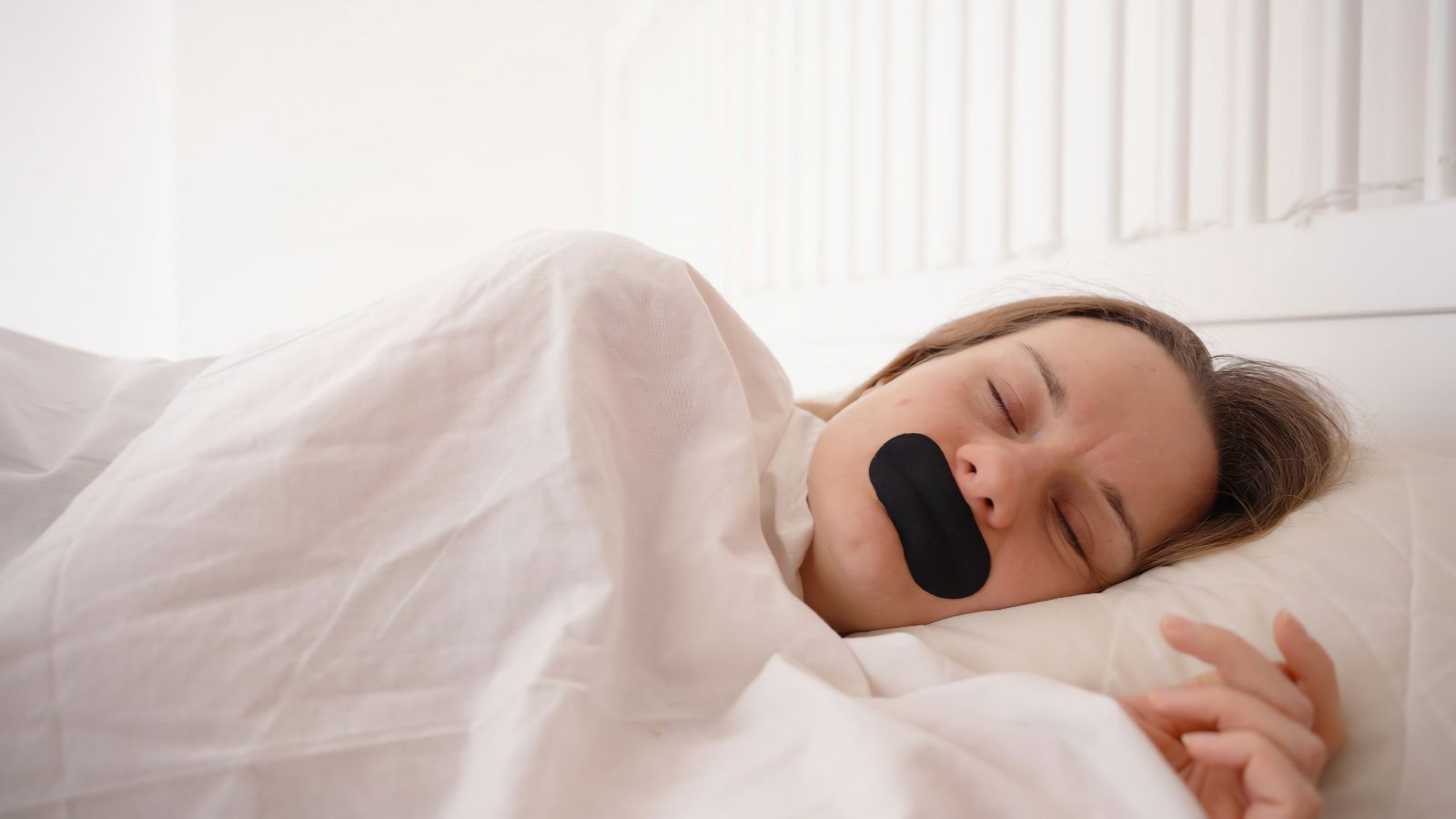
Mouth Taping: Does taping your mouth shut whilst sleeping really help?
Mouth taping has evolved from a TikTok trend into a popular sleep hack: stars such as Katy Perry and professional footballer Erling Haaland have spoken publicly about taping their mouths shut at night. The idea behind it is that keeping your mouth closed is said to automatically encourage you to breathe more through your nose, thereby helping you sleep better, snore less and wake up feeling more refreshed in the morning. But as plausible as the principle may sound at first, are the promised benefits of mouth taping actually scientifically proven? And could taping your mouth shut whilst sleeping actually be dangerous?
In this article, you’ll find out what mouth taping really achieves, what the research says about it and what risks you should be aware of.
Lack of sleep: Why not getting enough sleep can make you ill
A short night’s sleep often takes its toll as early as the following day. Fatigue, difficulty concentrating and irritability are among the most common consequences. In fact, however, it is not only the brain that reacts to a lack of sleep. The heart, metabolism, immune system and hormonal balance also change when the body does not have enough time to recover. If a lack of sleep persists over a longer period, this can increase the risk of various health conditions. In this article, you’ll find out why sleep is so important for health and what effects a lack of sleep has on the body.
Sleep trackers put to the test: can smartwatches, rings and apps improve sleep?
Sleep trackers are now part of everyday life for many people. Whether it’s a smartwatch, fitness tracker, smart ring or sleep sensor, so-called wearables promise detailed insights into your own sleep and are designed to help improve sleep quality. But how reliable is this data really? Can sleep tracking detect sleep disorders or even improve sleep? And what role do artificial intelligence and data protection play in this?
In this article, you’ll find out how sleep trackers work, which metrics are actually meaningful, what the limitations of these devices are, and for whom sleep tracking might be beneficial.
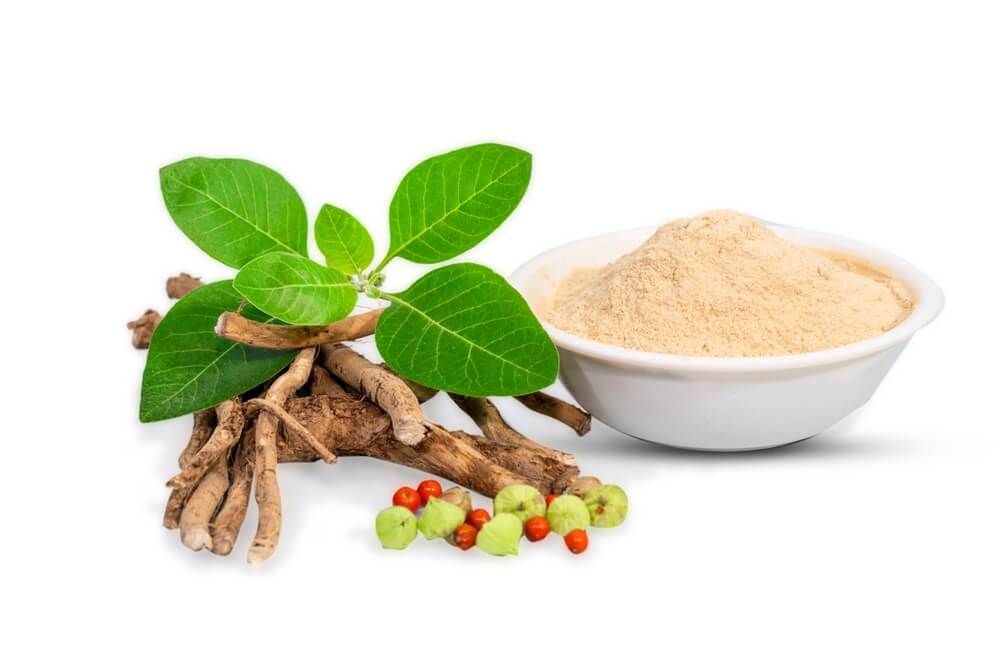
Ashwagandha for sleep, stress and muscle building: effects, risks and what really helps
Ashwagandha, a medicinal plant native to India, has long been used in Ayurvedic medicine to promote good health. Today, the ‘sleep berry’ is also used in Europe to treat sleep disorders and stress, to build muscle, and for many other purposes. But what is actually proven? In this article, you will learn which effects have been scientifically studied, how Ashwagandha can be used effectively, and who should exercise caution.