
General Practice
Antibiotic resistance
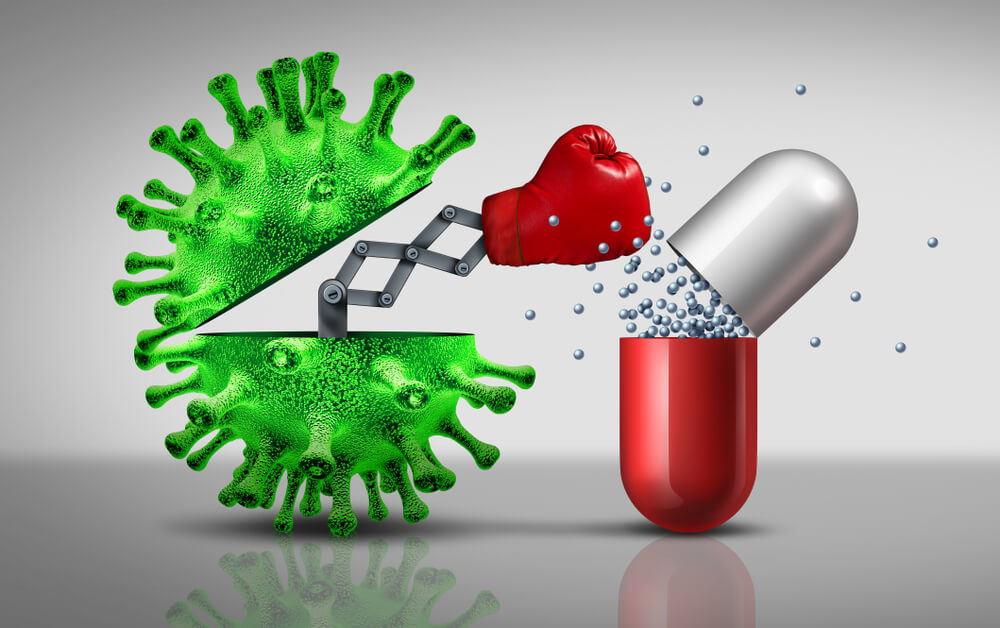
Antibiotic resistance refers to the development of bacteria’s resistance to antibiotics. As a result, these medicines can lose their effectiveness, meaning that bacterial infections can no longer be treated effectively. Read on to find out how resistance develops, what risks it poses and how this problem can be tackled.

Haemorrhoids – Recognising, treating and preventing them
Almost everyone experiences problems with haemorrhoids (haemorrhoidal disease) at some point in their lives. Women and men are affected in roughly equal measure. Many people feel embarrassed about symptoms in the anal area and are reluctant to see a doctor to get a proper diagnosis. However, timely treatment can prevent unnecessary pain and stop the condition from getting worse.

Scarlet fever – causes, symptoms, treatment
Scarlet fever is a highly contagious infectious disease. Characteristic symptoms include fever, a sore throat, a rash and what is known as ‘raspberry tongue’. With early antibiotic treatment, the disease can usually be treated quickly and effectively. Read on to find out exactly what scarlet fever is, how it is transmitted, what the symptoms are and how it is treated.

Flu vaccination (vaccination against influenza)
The flu jab (influenza vaccination) not only offers a high level of protection against the flu itself, but also, in particular, protects against severe cases of the illness, which can be accompanied by life-threatening complications such as pneumonia or myocarditis. In this article, you can read about who should be vaccinated, when the best time to get vaccinated is, what side effects may occur, and everything else you need to know about the flu jab.

Treatment of pneumonia
Pneumonia can affect various parts of the lungs and is usually caused by bacteria, viruses and other pathogens. This infectious disease is particularly dangerous for older people and manifests itself through a range of symptoms. Find out here how to recognise the condition, how it is treated and what you can do to prevent pneumonia.

Triglycerides: What do elevated levels mean?
Triglycerides are important energy stores in the body. They are absorbed from food and also produced by the body itself. If triglyceride levels in the blood are too high, this can increase the risk of certain conditions. Here you can find out what might cause elevated triglyceride levels, what they mean and what can be done to lower them.