Summary
HPV vaccination
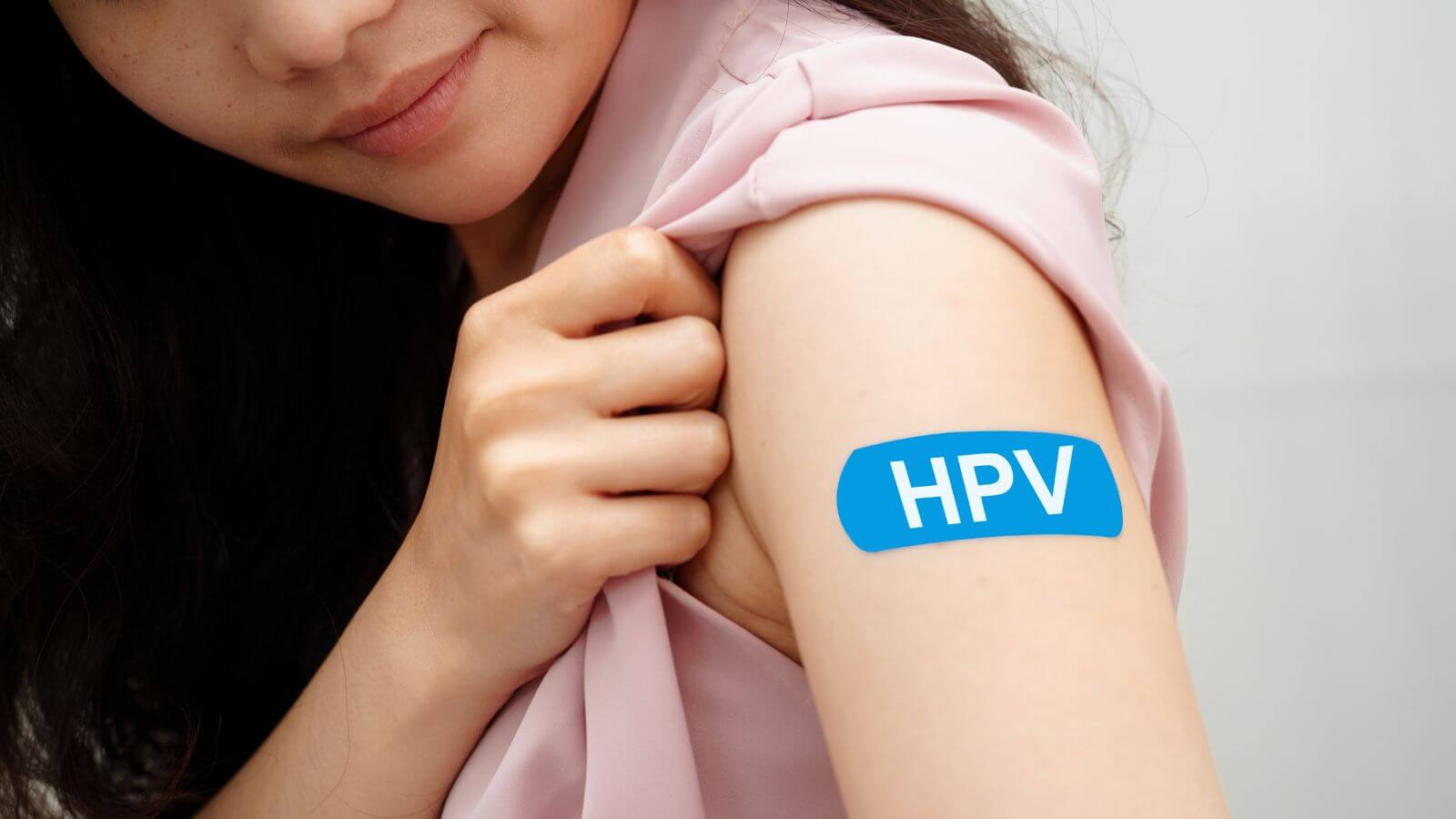
Definition: The vaccination protects against infection with many types of the human papillomavirus (HPV).
Protection against: cancers caused by HPV, such as cervical cancer and cancers of the vagina, anus, penis, throat and larynx, as well as genital warts
Effectiveness: Up to 90% reduction in the risk of cervical cancer and genital warts; significant protection against other HPV-related cancers
Vaccination schedule: 2 to 3 doses administered at intervals of 6 to 12 months; a booster is usually not required thereafter
Possible side effects: redness, pain or swelling at the injection site, headache, fever, tiredness, dizziness, nausea
Cost: for people aged 9 to 21, all doses of the vaccine are free in Austria. After that, with a few exceptions, the costs must be borne by the individual.
What is the HPV vaccine?
The HPV vaccine is considered the best form of prevention against cervical cancer. It trains the immune system to recognise HPV at an early stage and to fight it off effectively.
It works in the same way as other vaccines. The vaccine contains harmless, artificially produced viral components that cannot cause infection. The immune system recognises these as foreign and produces antibodies. This creates immunity. Should an actual infection with the pathogen occur, the immune system can then react quickly.
This immunity can last for decades or even a lifetime. The HPV vaccine contains the virus types that most commonly cause precancerous lesions, cancer and genital warts.
What does the vaccine protect against?
The HPV vaccine protects against infection with many types of human papillomavirus (HPV). HPV comprises a group of viruses that can cause various conditions. These include, on the one hand, harmless skin changes such as genital warts, but also inflammation, precancerous lesions and various types of cancer.
HPV is particularly relevant in relation to cervical cancer. In addition, certain HPV types can also cause cancer of the vagina, anus and penis, as well as cancer of the throat and larynx.
Who should get vaccinated?
Human papillomaviruses (HPV) are transmitted through direct mucosal contact, for example during sexual intercourse, oral sex or petting. In rare cases, transmission is also possible during childbirth.
Women and men have a similarly high risk of becoming infected at some point in their lives. In fact, most people will contract an HPV infection at least once. The HPV vaccine is most effective when administered before a person becomes sexually active. That is why it is recommended for children from the age of 9.
However, the vaccine may also be beneficial for adults, particularly for those who:
- have not been vaccinated and are under 45 years of age
- have a weakened immune system
- are infected with HIV
- have multiple sexual partners
- have a condition that weakens the immune system
- have had an organ transplant
- are currently undergoing or have undergone chemotherapy or radiotherapy
- wish to reduce the risk of passing on HPV without realising it
HPV vaccination for children and young people
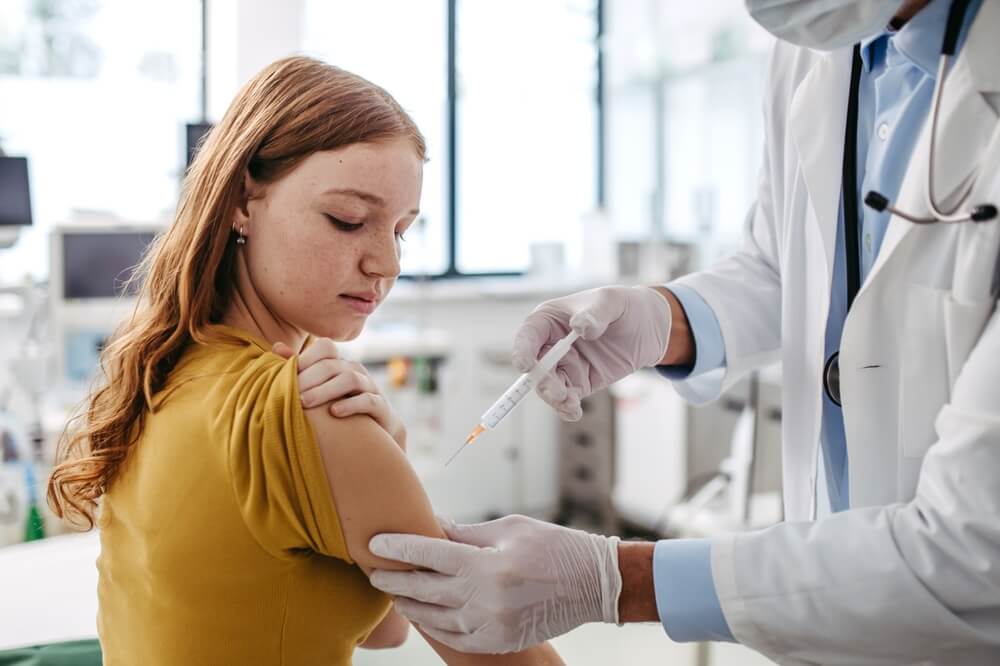
In Austria, the HPV vaccination is part of the free childhood vaccination programme. It is available free of charge to children and young people from the age of 9 until their 21st birthday. Two doses are recommended for full protection. The interval between doses should be at least six months and no more than twelve months. Read more about this here.
Is the HPV vaccination still worthwhile for adults?
The HPV vaccine can also be beneficial for adults. It can help prevent new HPV infections and the diseases they cause.
For adults aged 30 and over, the vaccine is particularly recommended if:
- an HPV infection has already been diagnosed
- they have an immunodeficiency or an autoimmune disease
- they have sexual contact with multiple partners
- a sexual partner is known to have an HPV infection
From the age of 30, three HPV vaccinations are recommended. The second vaccination is given approximately two months after the first. The third vaccination should be given six to eight months after the second.
How effective is the HPV vaccine?
In Austria, a 9-valent vaccine is currently available for people aged 9 and over. This vaccine protects against nine types of HPV.
These include:
- HPV serotypes 6 and 11, which can cause genital warts
- the high-risk types 16, 18, 31, 33, 45, 52 and 58, which are associated with various types of cancer
The vaccine offers almost complete protection against diseases caused by these nine HPV types. These virus types are responsible for around 90 per cent of all cases of cervical cancer and genital warts.
Studies also show that the HPV vaccine is particularly effective when administered at a young age – ideally before the age of 15. When given at this stage, it provides particularly good protection against cell changes triggered by HPV.
How long does the vaccine’s protection last?
According to current knowledge, the protection provided by the vaccine lasts for a very long time. Based on current data, no booster dose is necessary. Studies have shown that, in girls and women, protection against types 16 and 18 remains effective even 12 years after vaccination.
What are the side effects of the HPV vaccine?
The HPV vaccines have been classified as extremely safe by the World Health Organisation (WHO). However, as with any medicine, side effects may occur.
The most common include:
- Pain, swelling, redness, bruising or itching at the injection site
- Headache
- Fever
- Tiredness
- Dizziness
- Nausea
In rare cases, joint pain or swollen lymph nodes may occur.
Should you get vaccinated despite having an HPV infection?
Experts recommend the vaccine even if you are already infected with a type of HPV covered by the vaccine. Whilst the vaccine cannot treat an existing infection, it can help prevent new infections with the same or other types of HPV.
Vaccination is particularly recommended if you already have genital warts or cell changes caused by HPV. It may also be advisable to get vaccinated if your sexual partner has an HPV infection.
Are cancer screening and annual gynaecological check-ups still important?
Although the HPV vaccination is an important part of cancer screening, it does not replace regular cervical cancer screening. HPV testing and the annual cervical smear (Pap test) remain an important part of gynaecological screening, even after vaccination.
The HPV vaccines currently available do not cover all high-risk types of HPV, and infection may have already occurred before vaccination. Women should therefore continue to attend regular screening appointments despite having been vaccinated against HPV.
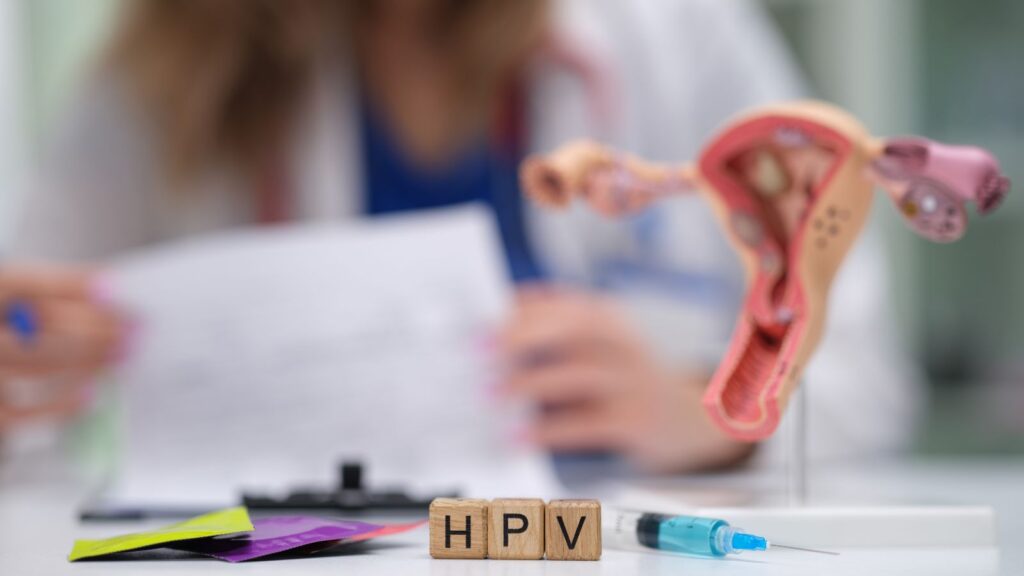
Where can you get vaccinated in Austria?
The HPV vaccination is available at many locations in Austria. These include:
- GPs
- public vaccination centres such as district authorities, municipal councils and district offices
In some cases, the vaccine is also available as part of school vaccination programmes.
How much does the vaccination cost?
In Austria, the HPV vaccination is free of charge from the age of 9 to 21. After that, you will usually have to cover the costs yourself. A course of three doses currently costs around 650 euros. In certain cases – for example, following a conisation – health insurance funds cover the cost of the vaccine. Some private supplementary insurance policies reimburse the costs in full or in part.

Why should boys and men also get vaccinated against HPV?
The HPV vaccine also directly protects boys and men against HPV-related diseases such as precancerous lesions and cancer of the throat, pharynx, penis and anus. Furthermore, the vaccine reduces the likelihood of passing HPV on to others, thereby protecting sexual partners. Read more about HPV in men here.
FAQ
The best time to have the HPV vaccination is between the ages of 9 and 11. Experts recommend that the vaccination is ideally given before a person becomes sexually active, as this is when the protection provided by the vaccine is most effective. Furthermore, studies have shown that the vaccine is most effective when administered at this age.
In Austria, the HPV vaccination is currently free for everyone aged 9 and over up to their 21st birthday. After that, you have to pay for it yourself. A partial course of the vaccination then costs around €200.
Yes, sexually active people also benefit from the vaccine. It can prevent new infections with the types of virus covered by the vaccine. This significantly reduces the risk of developing genital warts or certain types of cancer.
No, just because an HPV infection has been detected – for example, during a gynaecological screening – does not mean that you have cancer or will develop it. In many cases, an HPV infection clears up on its own within one to two years. Depending on whether any cell changes have already been detected and on the type of HPV, the progression of the infection should continue to be monitored.
Condoms reduce the risk of infection, but do not provide complete protection against HPV, as they do not cover all the parts of the body through which transmission is possible.
Yes, even if you have already had an HPV infection that has cleared up, you can still become infected again with the same or other types of HPV.
Austrian health insurance funds usually only cover the cost of an HPV vaccination beyond the age of 21 if there is a medical reason, for example if cell changes caused by HPV are already present and these need to be removed by conisation. However, the conditions for cost coverage depend on the relevant health insurance provider.
The HPV vaccine is considered to be very safe. Nevertheless, side effects may occur following vaccination. Furthermore, the vaccine does not offer complete protection against all types of HPV, but it does cover those types most commonly associated with cancer and genital warts. The vaccine is not effective against an existing infection.


1. Khan et al., J Natl Cancer Inst, 2005
2. De Sanjose et al., Lancet Oncology, 2010
3. Woodman C.B.J. et al., Nature Reviews, 2007
4. Hartwig S et al., Papillomavirus Research, 2015
5. Tabrizi SN et al., Journal of Infectious Diseases, 2012
6. B. Baldour-Felskov et al., JNCI, 2014
7
Austrian Immunisation Schedule, https://www.sozialministerium.at/Themen/Gesundheit/Impfen/Impfplan-%C3%96sterreich.html, accessed November 2024
AGO/OEGGG statement on HPV vaccination following treatment for CIN (cervical intraepithelial neoplasia), 2018
Brochure “HPV vaccination against cancer”: https://www.bmgf.gv.at/home/Schwerpunkte/Gesundheitsfoerderung_Praevention/Impfen/HPV_Impfung, accessed November 2024
Product information for Gardasil®9
https://www.sozialministerium.at/Themen/Gesundheit/Uebertragbare-Krankheiten/Infektionskrankheiten-A-Z/Humane-Papillomaviren-(HPV).html, accessed November 2024
https://www.gesundheit.gv.at/leben/gesundheitsvorsorge/impfungen/ueberblick/feigwarzen.html, accessed November 2024
https://www.krebshilfe.net/information/krebs-krebs-risiko/infektionen-/-hpv-/-impfung#c794, accessed November 2024
https://www.rki.de/DE/Themen/Infektionskrankheiten/Impfen/Impfungen-A-Z/HPV-Humane-Papillomviren/hpv-node.html, accessed November 2024
Wu, S., Ploner, A., Astorga Alsina, A. M., Deng, Y., Ask Schollin, L., & Lei, J. (2025). Effectiveness of quadrivalent human papillomavirus vaccination against high-grade cervical lesions by age and doses: a population-based cohort study. The Lancet Regional Health. Europe, 49, 101178.
- https://doi.org/10.1016/j.lanepe.2024.101178
Retrieved May 2026
from Gesundheit.gv.at. Vaccination against human papillomaviruses (HPV)
- https://www.gesundheit.gv.at/leben/gesundheitsvorsorge/impfungen/ueberblick/feigwarzen.html
Accessed May 2026
City of Vienna Vaccination Service. HPV (Human Papillomavirus).
- https://impfservice.wien/hpv-humane-papilloma-viren/
Accessed May 2026
Impfen.gv.at. Vaccinations – HPV. https://impfen.gv.at/impfungen/hpv Accessed May 2026
Austrian Cancer Aid. Infections and Cancer.
- https://www.krebshilfe.net/information/krebs-krebs-risiko/infektionen-/-hpv-/-impfung#c794
Accessed May 2026
HPV in men