
What is psoriasis?
Psoriasis is a chronic, non-contagious skin condition that occurs in flare-ups. This means that symptoms become more severe over a period of weeks or months and then improve again.
Typical symptoms include red patches of skin covered in silvery-white scales. These lesions often appear on the elbows, knees, scalp or lower back. Many sufferers also experience severe itching, a burning sensation or pain.
The exact causes of psoriasis are not yet fully understood. What is clear, however, is that the immune system reacts abnormally, causing skin cells to regenerate much faster than normal. Heredity also plays a role, as do external factors. These include stress, certain medicines or hormonal changes.
Around 2 to 3 per cent of the population in Europe are affected. This makes psoriasis one of the most common skin conditions.
Does diet play a role in psoriasis?
Yes, diet can play an important role in psoriasis. Whilst it is not the cause of the condition, many studies show that certain eating habits and foods can influence its course positively or negatively.
A key finding is that being overweight exacerbates inflammation in the body and can lead to more frequent flare-ups. Conversely, many people with the condition benefit from an anti-inflammatory diet. This includes plenty of vegetables, fruit, wholegrains, pulses and fish.
The type of fatty acids in the diet is also important. Omega-3 fatty acids from fish or linseed oil tend to have an anti-inflammatory effect, whilst saturated fats and trans fats can promote inflammation.
Furthermore, studies show that an anti-inflammatory diet, such as the Mediterranean diet, is associated with milder disease progression. Alcohol, sugar and highly processed foods, on the other hand, should be limited, as they can promote inflammation.
It is important to note that diet is no substitute for medical treatment, but it can be a valuable complement and provide noticeable relief from symptoms.
Is there a ‘psoriasis diet’?
There is no specific ‘psoriasis diet’. To date, no single dietary approach has been conclusively proven to help all sufferers equally. Psoriasis varies greatly from person to person. What works well for one person may have no effect on another or may even worsen their symptoms.
Alkaline foods for psoriasis – what’s the truth?
Alkaline nutrition theory divides foods into ‘alkaline-forming’ (e.g. vegetables, fruit, potatoes) and ‘acid-forming’ (e.g. meat, sausages, sugar, white flour). The aim is to eat more alkali-forming foods in order to ‘deacidify’ the body.
Important to know: the body’s acid-base balance in the blood remains stable even with varying diets.
Nevertheless, many people report that they feel better on an alkaline diet. This is less to do with ‘deacidification’ and more to do with the fact that this diet automatically includes many anti-inflammatory foods:
- plenty of vegetables and fruit
- wholemeal products instead of white flour
- pulses
- high-quality vegetable oils
- Herbal teas made with alkaline herbs
On the other hand, the following should be eaten in smaller quantities:
- Meat and sausages
- Highly processed foods
- Sugar and sweets
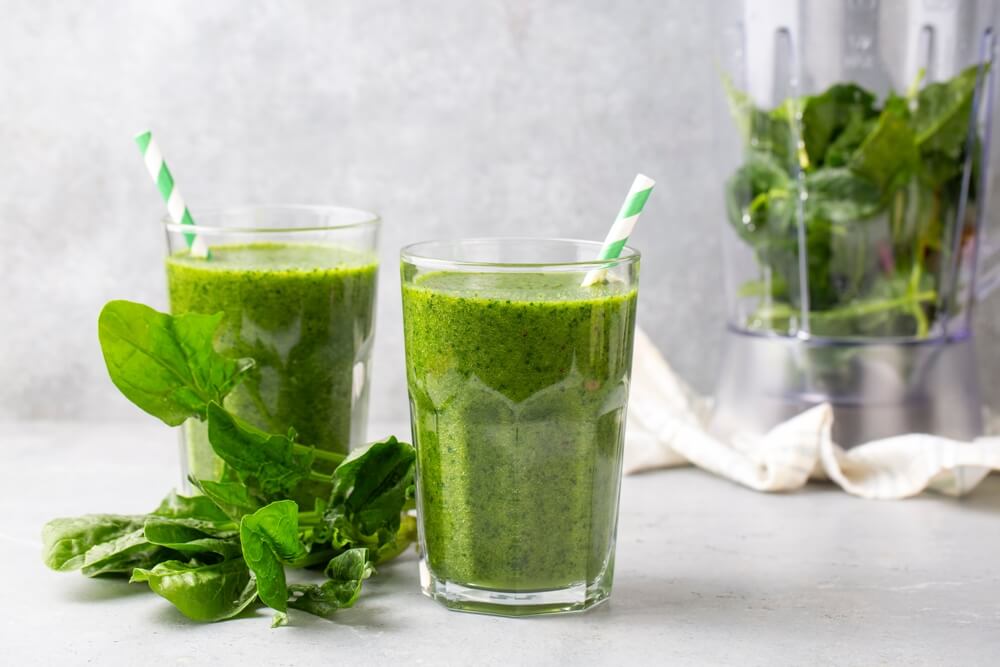
Does the Mediterranean diet help with psoriasis?
The Mediterranean diet has been well researched scientifically and has been shown to have positive effects on many chronic inflammatory conditions. It can also be helpful for psoriasis, as it reduces inflammatory processes in the body and lowers the risk of associated conditions such as cardiovascular problems.
The basic principle is simple: the diet consists mainly of plant-based foods. Vegetables, fruit, whole grains, pulses, nuts and seeds form the basis. This is supplemented by high-quality fats, particularly olive oil. Eating fish is recommended, whilst red meat, processed meats and sugar should be significantly reduced. Alcohol should be avoided where possible and, if consumed at all, only in small quantities with meals.
This combination provides the body with omega-3 fatty acids, antioxidants, vitamins and fibre. These substances have anti-inflammatory effects, support gut flora and strengthen the skin barrier.
In short: a Mediterranean, anti-inflammatory diet is not a rigid diet programme, but a long-term lifestyle. Whilst it cannot cure the symptoms of psoriasis, it has been proven to improve general well-being and help control inflammation.
Good fats and bad fats: omega-3 vs. saturated fatty acids
Fats are not inherently harmful. What matters is the type of fatty acids we consume. This plays an important role in psoriasis, as fats can have a direct effect on inflammatory processes in the body.
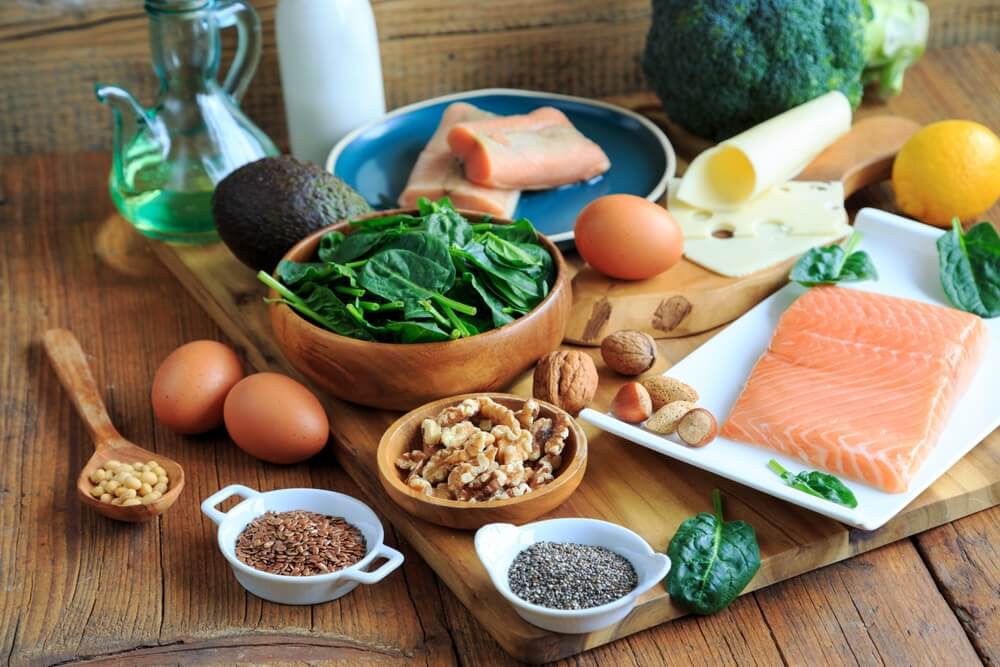
Omega-3 fatty acids are considered to be particularly anti-inflammatory. They are found in oily sea fish such as salmon or mackerel, but also in plant-based sources such as linseed oil, walnuts and chia seeds.
Studies show that a diet rich in omega-3 fatty acids can alleviate skin symptoms and reduce overall inflammatory activity in people with psoriasis.
In contrast, saturated fatty acids tend to exacerbate inflammation. They are found primarily in sausages, meat, butter, high-fat dairy products and many processed foods.
A high intake of these fats is associated with an increase in psoriasis symptoms and a higher risk of cardiovascular disease.
Why alcohol, sugar and processed foods can worsen psoriasis
Alcohol can significantly worsen the symptoms of psoriasis. It affects the immune system and promotes inflammation. Alcohol dehydrates the body, causing the skin to dry out more easily. The skin’s protective barrier becomes more permeable and thus more susceptible to irritation and new flare-ups.
Furthermore, alcohol can reduce the effectiveness of certain medicines such as methotrexate (MTX) or biologics. Experts therefore recommend severely limiting alcohol consumption or avoiding it altogether.
Sugar also plays a role. A high sugar intake contributes to weight gain, and fatty tissue releases pro-inflammatory messengers that can exacerbate psoriasis. Furthermore, sugar causes blood sugar levels to fluctuate sharply. Persistently high insulin levels are linked to systemic inflammation. Many high-sugar products are also highly processed and put a strain on the gut flora, which also influences psoriasis.
Highly processed foods such as ready meals, crisps, fast food and processed meats often contain saturated fats, high levels of salt and additives. They provide hardly any nutrients, but contain numerous pro-inflammatory components. Studies show that a high intake of such foods is linked to more frequent flare-ups and greater disease activity.
Can gluten trigger psoriasis?
The question of whether gluten can exacerbate the symptoms of psoriasis comes up time and again. Many guidebooks suggest a gluten-free diet as a possible solution.
However, the current evidence is clear: a general avoidance of gluten is not recommended for psoriasis. There is no evidence to suggest that all those affected benefit from a gluten-free diet.
It is interesting to note, however, that several studies have shown that people with psoriasis are more likely to have elevated coeliac disease markers in their blood than the general population. These include, for example, antibodies against tissue transglutaminase (tTG-IgA). Not all of these patients go on to develop full-blown coeliac disease, but the risk is higher than average.
For those affected, this means:
- A gluten-free diet may be advisable if there are elevated coeliac disease markers or a confirmed gluten intolerance.
- However, avoiding gluten as a precautionary measure without medical evidence usually offers no benefit and may increase the risk of an unbalanced diet.
Recommendation: Anyone with psoriasis who suspects they may be sensitive to gluten should seek medical advice. A blood test for coeliac disease markers can help clarify the situation. Only then is a gluten-free diet truly advisable.
Which foods help with psoriasis and which are best avoided
Foods recommended for psoriasis
| Food group | Examples | Why are they helpful? |
|---|---|---|
| Oily sea fish | Salmon, mackerel, herring, sardines | rich in omega-3 fatty acids, have anti-inflammatory properties |
| Vegetable oils | Olive oil, linseed oil, rapeseed oil | contain unsaturated fatty acids and antioxidants, support the skin barrier |
| Vegetables | Broccoli, spinach, peppers, carrots | rich in vitamins, antioxidants and fibre, have anti-inflammatory properties |
| Fruit (especially berries) | Blueberries, raspberries, oranges | high in polyphenols and vitamin C, which protect cells from oxidative stress |
| Pulses | Lentils, chickpeas, beans | a good source of plant-based protein, rich in fibre, supports gut flora |
| Nuts & seeds | Walnuts, almonds, chia seeds | contain healthy fats and minerals, anti-inflammatory |
| Fermented foods | Yoghurt, kefir, sauerkraut, kimchi | support gut flora, which is linked to inflammation and skin health |
| Wholemeal products | Oatmeal, brown rice, quinoa | stabilise blood sugar levels and provide fibre and B vitamins |
Foods that are best avoided if you have psoriasis
| Food group | Examples | Why are they problematic? |
|---|---|---|
| Alcohol | Beer, wine, spirits | promotes inflammation, may interfere with the effectiveness of medication |
| Sugar & sweets | Soft drinks, sweets, baked goods | causes sharp fluctuations in blood sugar levels, contributes to weight gain and inflammation |
| Highly processed foods | Fast food, ready meals, crisps | contain saturated fats, salt and additives → promote inflammation |
| Saturated fats | Sausages, fatty meat, butter | exacerbate inflammatory processes and put a strain on the cardiovascular system |
| Foods high in histamine |
Tomatoes, citrus fruits, red wine, cheese | may trigger itching and skin reactions in sensitive individuals |
| Dairy products (in cases of intolerance) |
Cow’s milk, cheese, cream | Some people experience more severe symptoms |
| gluten-containing cereals (in cases of sensitivity) | Wheat, rye, barley | only relevant in cases of confirmed intolerance or coeliac disease |





