Summary
Antidepressants and weight
Antidepressants affect not only mood and motivation, but also factors such as appetite, food intake and energy utilisation.
Causes: Desensitisation of the 5-HT2 receptor, inhibition of dopamine, imbalance in satiety and hunger hormones; genetic predisposition, initial weight, emotional eating, sedentary lifestyle
Antidepressants that frequently lead to weight gain: mirtazapine, amitriptyline; escitalopram, paroxetine
Antidepressants that are more likely to lead to weight loss: bupropion, fluoxetine
Management: Monitor weight, structured mealtimes, mindful portion sizes, sufficient fibre and protein, sleep and stress management;
Do not stop taking the medication abruptly or without medical advice!
Why can antidepressants affect body weight?
Antidepressants are primarily used to treat depression, but are also used for anxiety and panic disorders, obsessive-compulsive disorder, certain sleep and eating disorders, and chronic pain. Depending on the active ingredient, they affect different neurotransmitter systems in the brain. As a result, they can alter not only mood and motivation, but also processes involved in regulating appetite, food intake and energy balance.
Weight gain is therefore a possible side effect of some antidepressants, particularly with long-term use. How frequently this occurs and how severe it is depends, amongst other things, on the active ingredient used and on individual factors. Unwanted changes in weight can affect adherence to treatment and lead to patients stopping their medication without consulting a doctor.
The exact causes of weight gain are not yet fully understood. It is likely that several mechanisms are at play. These include, amongst other things, changes to serotonin and histamine receptors, increased appetite or cravings, and possible alterations to satiety signals and energy expenditure. In addition, individual factors such as genetic predisposition, a higher baseline BMI, emotional eating and a sedentary lifestyle can increase the risk of weight gain.
What are the consequences of antidepressant-induced weight gain?
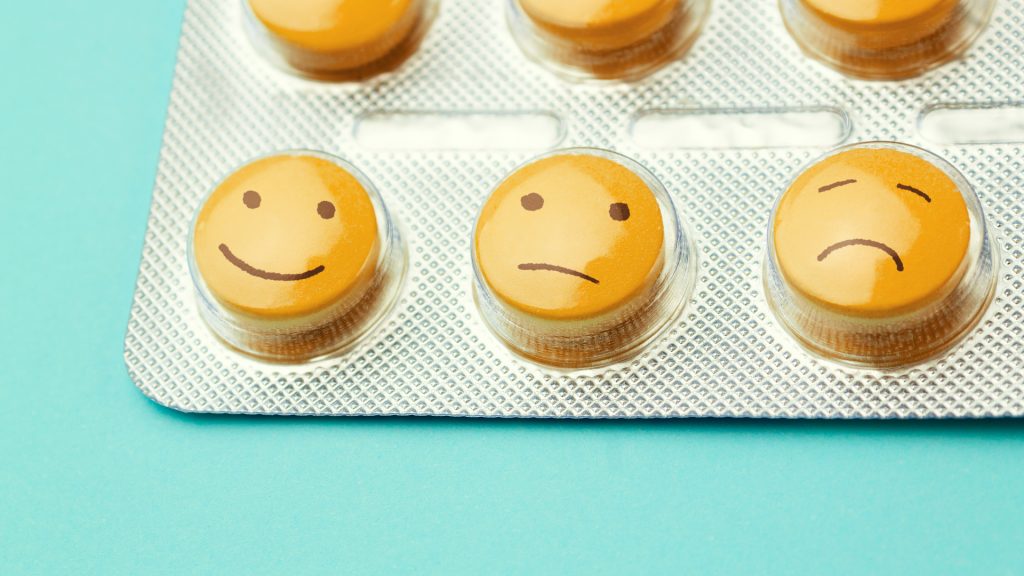
Significant weight gain can not only be perceived as a burden, but can also impair physical health. It can promote or exacerbate insulin resistance and thus increase the long-term risk of type 2 diabetes. The risk of cardiovascular disease may also rise. Unwanted weight gain can also lead to those affected stopping their treatment of their own accord. This can reduce the success of the treatment and increase the risk of a relapse. If antidepressants are stopped abruptly, withdrawal symptoms such as dizziness, nausea, sleep disturbances, anxiety or mood swings may also occur.
Do antidepressants always cause weight gain?
No. Antidepressants do not always cause weight gain. Some active ingredients tend to have little effect on weight, whilst others frequently lead to an increase in body weight. These include, in particular, some tricyclic antidepressants and mirtazapine. However, the extent to which weight changes varies from person to person. Individual factors also play a role.
Genetic predisposition, a higher baseline BMI, dietary habits and a lack of exercise can influence the risk of weight gain. Furthermore, weight gain may sometimes be linked to an improvement in depression. For some people affected, a depressive episode is accompanied by a reduced appetite and weight loss. If the clinical picture then improves as a result of treatment with antidepressants, the appetite often returns to normal and weight gain occurs.
Which antidepressants are more likely to cause weight gain?
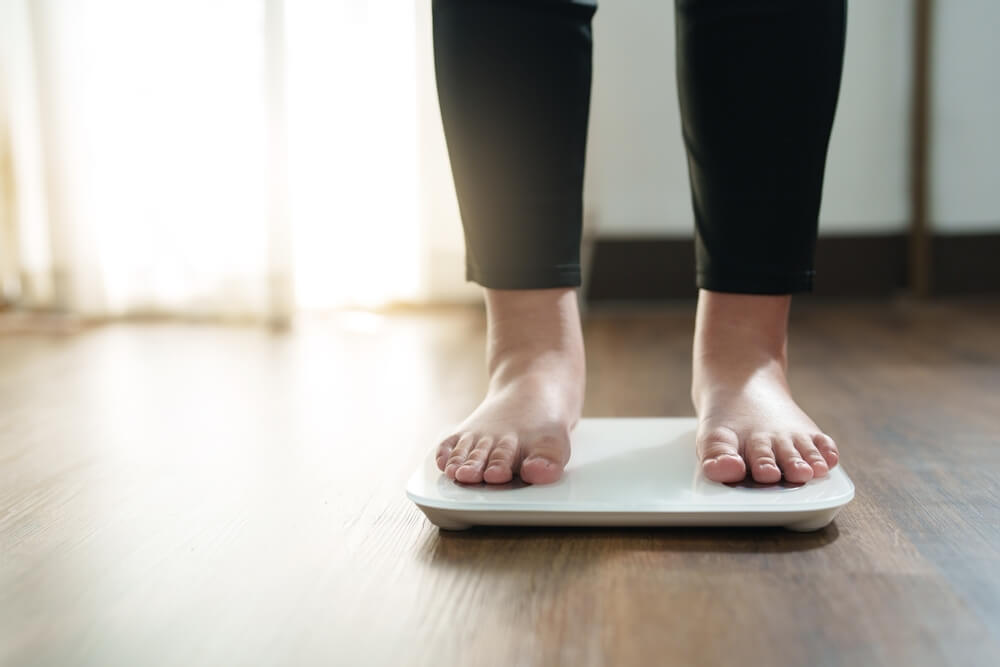
Numerous scientific studies have already been conducted to investigate the link between antidepressants and weight gain, and to identify which ones are more likely to cause this undesirable side effect. According to a recent large-scale meta-analysis of studies on this topic, it is primarily tricyclic antidepressants such as amitriptyline and the tetracyclic antidepressant mirtazapine that frequently lead to significant weight gain. In contrast, SSRIs commonly prescribed today, such as fluoxetine or sertraline, appear to have no effect on weight, particularly in the initial phase, although weight gain may also occur with prolonged use.
A large observational study from 2024 compared eight commonly used antidepressants in terms of their effects on body weight. Data from more than 183,000 patients treated with sertraline, citalopram, escitalopram, fluoxetine, paroxetine, duloxetine, venlafaxine or bupropion were analysed. Sertraline served as the comparator. After six months, although differences were observed between the individual active substances, these were, on average, relatively small.
| Active ingredient | Average weight gain after 6 months |
|---|---|
| Escitalopram | + 0.41 kg |
| Paroxetine | + 0.37 kg |
| Duloxetine | + 0.34 kg |
| Venlafaxine | + 0.17 kg |
| Citalopram | + 0.12 kg |
| Fluoxetine | – 0.07 kg |
| Bupropion | – 0.22 kg |
Can antidepressants also lead to weight loss?
Yes, some antidepressants may be associated with weight loss. This is particularly true of bupropion. The active ingredient is used to treat depression and to aid smoking cessation. In combination with naltrexone, bupropion is also authorised for weight loss in certain adults who are overweight or obese.
Studies have also shown that, compared with other antidepressants, agomelatine tends to result in a more favourable change in body weight. However, weight loss is not guaranteed with either bupropion or agomelatine and should not be the sole reason for choosing an antidepressant.
What can be done to prevent weight gain caused by antidepressants?
Compared with many antipsychotics, antidepressants usually lead to a relatively moderate increase in weight. It is important not to stop taking the medication or change the dose on your own initiative simply because of weight gain. Various measures can help to counteract further weight gain:
- Check your weight regularly, but not too frequently.
- Make sure you eat regular, balanced meals and adopt mindful eating habits.
- Be mindful of your portion sizes.
- Ensure you have an adequate intake of fibre and protein.
- Incorporate regular exercise into your daily routine.
- Make sure you get enough sleep and manage stress effectively.
- Speak to your doctor if your weight gain is significant or causing you distress. Depending on your situation, advice on diet or exercise, or switching to an antidepressant with less impact on body weight, may be advisable.

Do you lose weight again after stopping the medication?
After stopping an antidepressant that has led to weight gain, you do not automatically lose weight again. For some people, weight may drop again, whilst for others, some of the weight gain persists. How weight changes depends, amongst other things, on the active ingredient used, the duration of treatment and individual factors. Genetic predisposition, starting weight, diet, physical activity and other medical conditions, such as a thyroid disorder, can also influence whether and how quickly weight is lost again.
When should you seek medical advice?
If you gain a significant amount of weight whilst taking antidepressants, or if you find the weight gain psychologically distressing, you should speak to your doctor. Medical advice is also advisable if you experience problems whilst reducing the dose or coming off the medication. Under no circumstances should you stop taking the antidepressant on your own initiative, as this can lead to relapses and there is a risk of withdrawal symptoms.
Speak to your doctor
- if you wish to stop taking the antidepressant,
- if you experience severe or persistent symptoms such as dizziness, nausea, headaches, sleep disturbances, anxiety or restlessness whilst tapering the dose,
- if you suspect that your depression is worsening again after stopping the medication. A doctor is better placed to assess whether this is a relapse or withdrawal symptoms.
Important: If you have suicidal thoughts or urges to self-harm, it is vital to seek professional help immediately. In the event of an acute risk of suicide, in Austria, call the emergency services on 144 or contact a psychiatric outpatient clinic. The telephone counselling service 142 is available round the clock.
FAQ
Tricyclic antidepressants such as amitriptyline and mirtazapine are particularly often associated with weight gain. Monoamine oxidase inhibitors (MAOIs) can also lead to more significant weight gain. Selective serotonin reuptake inhibitors (SSRIs) such as fluoxetine, sertraline or citalopram generally have less of an effect on weight. However, weight gain can also occur with SSRIs if taken over a prolonged period.
Yes. In principle, it is possible to lose weight even whilst taking antidepressants. It is important to set realistic goals and adopt an approach that can be sustained in the long term. Crash diets, on the other hand, are not particularly suitable, as they can trigger cravings and cause additional stress.
A balanced, energy-conscious diet with sufficient protein and fibre, as well as regular exercise, can be helpful. Strength training can also be beneficial, as it helps to maintain or build muscle mass. Getting enough sleep and managing stress effectively can further support weight management.
If weight loss is not achieved despite taking appropriate measures, or if weight gain is causing significant distress, a weight-loss programme supervised by a doctor or a nutritionist may be advisable.
Not necessarily. Whether the additional weight gained is lost following a dose adjustment, a change of antidepressant or after stopping the medication varies greatly from person to person. In some people, the weight may be lost again, whilst in others, some of the weight gain persists.
Factors such as the active ingredient used, the duration of treatment, diet, exercise, initial weight and individual metabolic factors all play a role. It is therefore not possible to specify a reliable timeframe within which weight will return to normal. Any changes to the dose or the medication should always be discussed with the treating doctor.
It is not entirely clear whether women gain more weight than men whilst taking antidepressants. Some studies have observed weight gain more frequently in women. However, the data available to date are insufficient to draw conclusions about a general gender difference. It is likely that the active ingredient used, initial weight, duration of treatment, metabolism and lifestyle play a greater role.
Regular exercise can help to counteract weight gain caused by antidepressants. Both endurance training and strength training increase energy expenditure and support metabolism and weight management. Strength training also helps to maintain or build muscle mass.
An added benefit: regular physical activity can alleviate symptoms of depression and support treatment for the condition. Both endurance and strength training have been shown to have positive effects in this regard.
Whether and when the ravenous appetite disappears depends heavily on the active ingredient in the antidepressant being taken, as certain active ingredients, such as mirtazapine or amitriptyline, trigger the typical bouts of ravenous appetite by blocking specific receptors, and this effect usually persists for as long as you are taking the medication. When undergoing treatment with SSRIs or SNRIs, this phenomenon often occurs only in the first few weeks, and as the body adapts to the new circumstances, the cravings tend to subside again in many people.


Falkai P et al (eds): Duale Reihe: Psychiatry, Psychosomatics and Psychotherapy. 7th ed., Stuttgart: Thieme 2022.
Mouawad M et al: Impact of Antidepressants on Weight Gain: Underlying Mechanisms and Mitigation Strategies. Arch Clin Biomed Res. 2025;9(3):183–195.
https://pmc.ncbi.nlm.nih.gov/articles/PMC12121960/
, accessed August 2026
Petimar J et al: Medication-Induced Weight Change Across Common Antidepressant Treatments: A Target Trial Emulation Study. Ann Intern Med. August 2024;177(8):993–1003.
https://pubmed.ncbi.nlm.nih.gov/38950403/
, accessed August 2026
Pillinger T et al: The effects of antidepressants on cardiometabolic and other physiological parameters: a systematic review and network meta-analysis. The Lancet, 2025; 406, 2063–2077
https://www.thelancet.com/journals/lancet/article/PIIS0140-6736(25)01293-0/fulltext
, accessed August 2026
https://der-arzneimittelbrief.com/artikel/2020/antidepressiva-und-antipsychotika-auswirkungen-auf-koerpergewicht-und-metabolismus, accessed August 2026
https://link.springer.com/article/10.1007/s11298-019-7123-9, accessed August 2026