Summary
Chickenpox vaccination, varicella vaccination
Definition: Vaccination with a live vaccine containing attenuated viruses, designed to trigger an immune response in the body
Dosage: two doses
Recommended for: all children and unvaccinated adults
Contraindications: pregnant women, people with a weakened immune system
Cost: 65 euros per dose
What is chickenpox?
Chickenpox, also known as varicella, is a highly contagious disease caused by the varicella-zoster virus. The virus is transmitted via droplet infection and the incubation period is between 14 and 28 days.
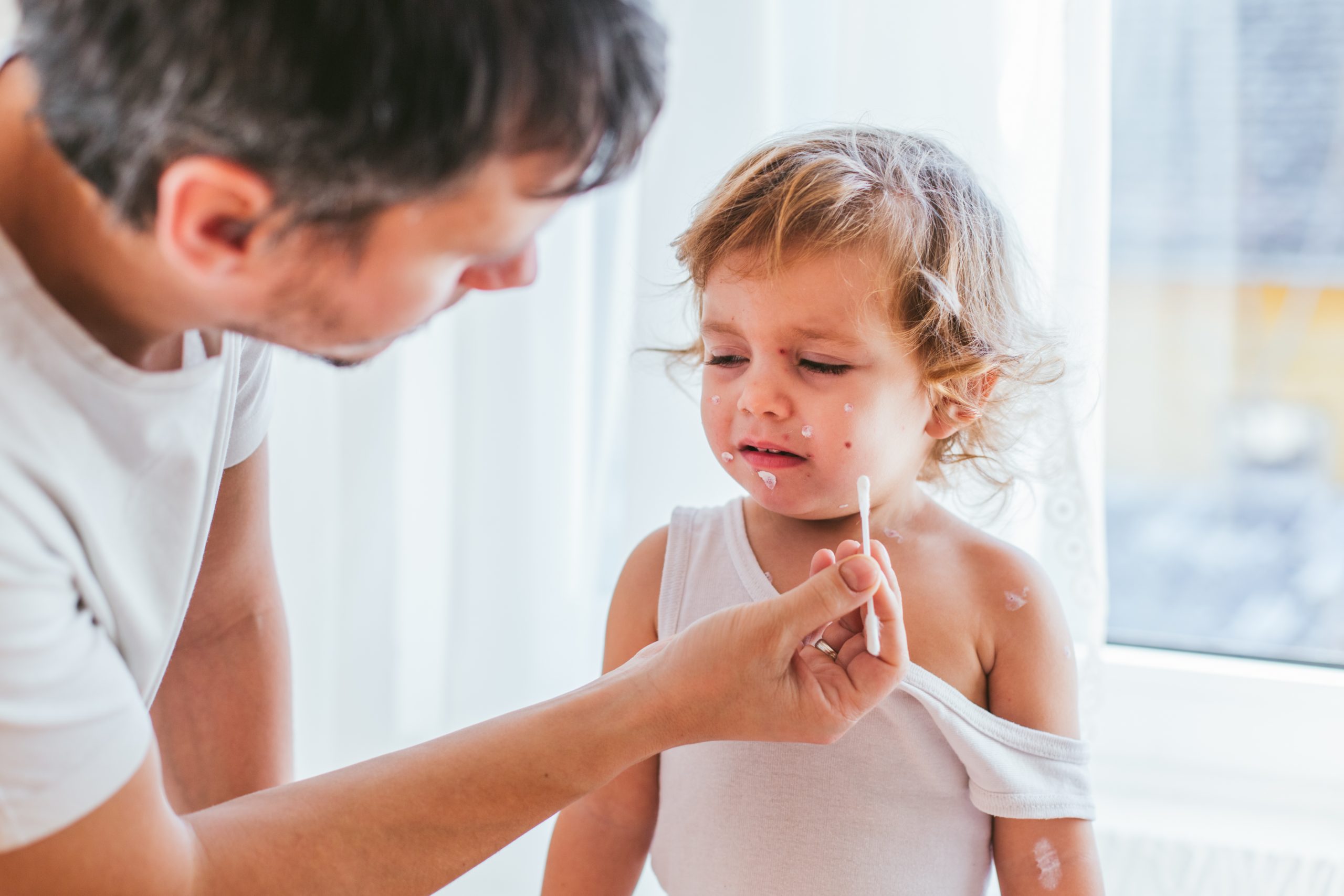
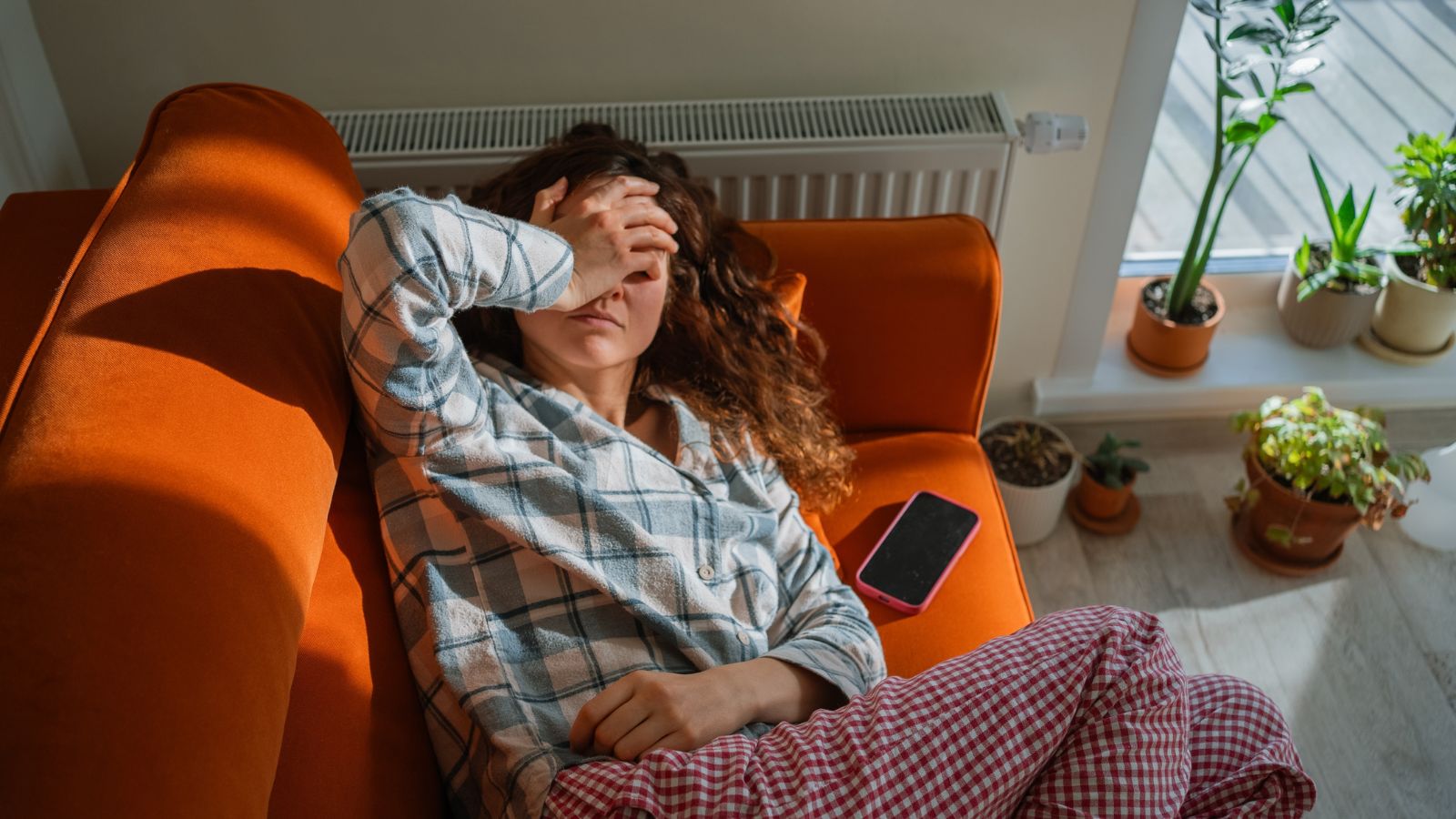
Symptoms typically begin with non-specific signs such as feeling unwell, headache and aching limbs, followed by an itchy rash with fluid-filled blisters and scabs, as well as a fever. The intensely itchy blisters usually heal within one to two weeks and do not leave scars, provided they are not scratched open.
Severe cases can occur, particularly in newborns, people with weakened immune systems, patients undergoing immunosuppressive therapy and pregnant women. Common complications include bacterial skin infections, pneumonia, and meningitis and encephalitis. Once you have had the disease, the virus remains in the body for life and there is a risk of ‘reactivation’. This can trigger shingles even years later.
What is the chickenpox vaccination?
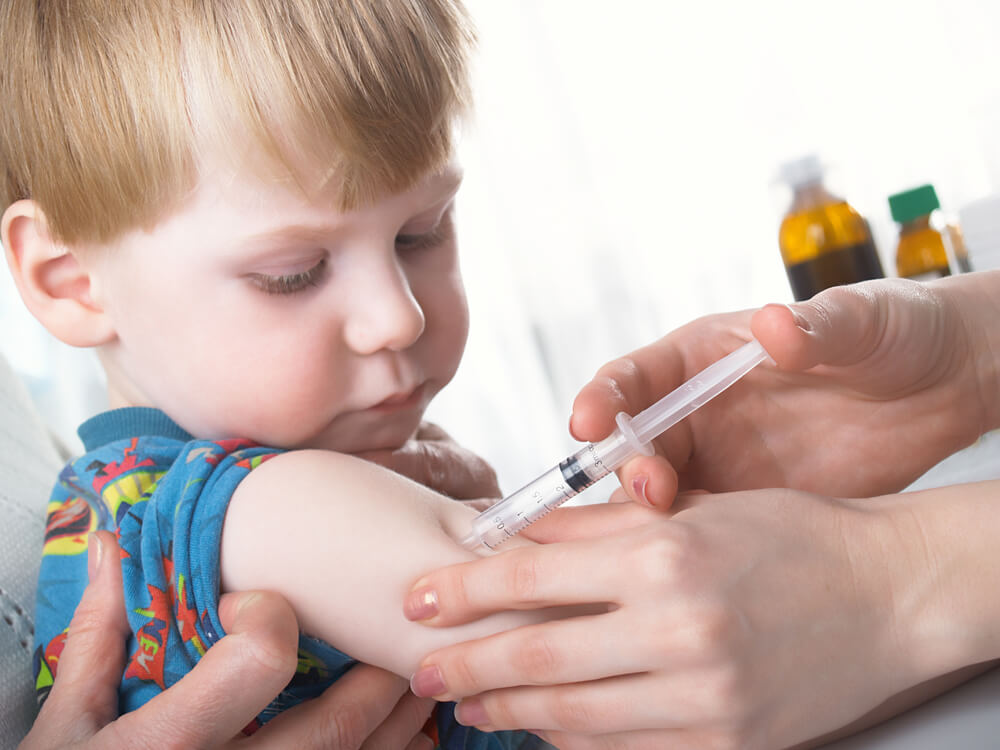
The chickenpox vaccination protects against infection with the varicella-zoster virus. The live vaccine contains attenuated viruses that stimulate the body to mount an immune response without actually causing the disease itself. The vaccine protects against chickenpox in 92 per cent of cases and against severe illness or complications in 98 per cent of cases. The vaccine can be administered alongside other vaccines. Full immunisation requires two doses, which should be given at least six weeks apart.
Who should be vaccinated against chickenpox?
Vaccination experts recommend the varicella vaccine for all children and young people from 13 months of age. The minimum interval between the two doses should be six weeks. Children and adolescents who have not been vaccinated and have not had chickenpox should catch up on the vaccination.
The chickenpox vaccination is also recommended for women planning to have children who have not yet had chickenpox, patients due to undergo immunosuppressive therapy or an organ transplant, people with severe atopic dermatitis, family members of people at high risk of complications, and healthcare workers.
What should be borne in mind regarding the chickenpox vaccination for children?
Chickenpox is one of the most common childhood illnesses. Although it is usually harmless, there is an increased risk of more severe cases for newborns in the first five to seven days, as well as for older children aged nine and above. Rare complications include, amongst others: encephalitis, otitis media, pneumonia or hepatitis. For unborn babies whose mothers become infected during the first half of pregnancy, there is a high risk of birth defects as well as an increased risk of mortality in the first few months of life.
The chickenpox vaccination is administered in two doses. The first dose should be given after the child has reached one year of age; the second follows at least six weeks later and, ideally, before the child starts nursery.
What should be borne in mind regarding the chickenpox vaccination for adults?
The Austrian immunisation schedule recommends the chickenpox vaccine for adolescents and adults who have not had chickenpox and have not yet been vaccinated. This recommendation applies in particular to women planning to have children who have never had chickenpox, and to people working in hospitals, nurseries and schools.
When should the chickenpox vaccination not be administered?
The chickenpox vaccination can be administered from the age of one, but should not be given during pregnancy as it is a live vaccine. Live vaccines should not be administered during pregnancy, as there is a theoretical risk of the vaccine virus being transmitted from the mother to the unborn child. The vaccine should also not be administered if a severe allergic reaction occurred following the first dose. This also applies in cases of severe immunodeficiency.
Does the chickenpox vaccination also provide protection against shingles?
As the vaccine virus, like the wild-type varicella-zoster virus, can remain in the body, there is a theoretical possibility that it may be reactivated years later and manifest as shingles. Although this occurs less frequently than with an infection caused by the wild-type virus and the symptoms are usually milder, it can still happen. For this reason, the shingles vaccination is recommended from the age of 60, or from 50 if the person has underlying medical conditions.
What are the possible side effects of the chickenpox vaccine?
As with any vaccination, redness, swelling or pain may occur at the injection site. Other possible side effects include a mild fever, headache and aching limbs, general malaise and nausea. Very rarely, a condition known as ‘vaccine illness’ may occur, characterised by a temporary rash and fever.
How much does the chickenpox vaccination cost?
The chickenpox vaccination is not included in the free vaccination programme, and the vaccine currently costs 65 euros per dose. An additional vaccination fee applies.
Where can you get vaccinated?
You can get vaccinated at paediatricians’ and GPs’ surgeries, as well as at all public vaccination centres.
Where can I find further information on the chickenpox vaccination?
You can find further detailed information on the chickenpox vaccination, for example, in the Austrian Immunisation Schedule
https://www.sozialministerium.at/Themen/Gesundheit/Impfen/Impfplan-Österreich.html
FAQ
The chickenpox vaccine is one of the vaccines that should not be administered during pregnancy, as it is a live vaccine and there is a (small) risk that the mother may pass the vaccine virus on to her child.
The chickenpox vaccine offers good protection against contracting the disease. However, there is a small residual risk that vaccinated people may still develop chickenpox. This may be due to individual factors relating to the immune system, a waning of vaccine protection over time, or a case of breakthrough infection. In general, however, the disease is milder in vaccinated individuals.
It is not known exactly how long protection lasts following a chickenpox vaccination. However, observations and experience suggest that the protection provided by the vaccine is long-lasting.
Yes. There is even a recommendation for the chickenpox vaccine for all adults who have not yet been vaccinated and who have not had chickenpox or do not have chickenpox antibodies.


Gesenhues S and A: A Practical Guide to General Practice. 9th edition, Urban & Fischer 2020.
Federal Ministry of Social Affairs, Health, Care and Consumer Protection: Austrian Immunisation Schedule 2023 (Version 1.1 of 23 December 2022)
https://www.sozialministerium.at/Themen/Gesundheit/Impfen/Impfplan-Österreich.html, accessed January 2024
https://www.rki.de/DE/Content/Infekt/EpidBull/Merkblaetter/Ratgeber_Varizellen.html#doc2374554bodyText7, accessed January 2024
https://www.pei.de/DE/arzneimittel/impfstoffe/varizellen-windpocken/windpocken-node.html, accessed January 2024
https://www.kinderaerzte-im-netz.at/impfen/impfungen/windpocken/, accessed January 2024