What is algae oil?
Algae oil is a vegetable oil extracted from microalgae such as Schizochytrium or Ulkenia. Microalgae are the original source of the health-promoting omega-3 fatty acids EPA (eicosapentaenoic acid) and DHA (docosahexaenoic acid). However, fish only absorb them because they feed on algae.
These two fatty acids have beneficial effects on, amongst other things, blood pressure, the immune system, inflammatory responses, and brain and visual functions. The human body cannot produce EPA and DHA itself and is therefore reliant on dietary sources of omega-3. The main dietary sources of these fatty acids are oily fish.
To ensure an adequate intake, they should be included in the diet at least twice a week. For vegans, however, this source is not an option. Algae oil is therefore regarded as a valuable vegan alternative to fish oil. It is available as an oil or in capsule form.
What are the benefits of algae oil?
Algae oil has a number of beneficial properties. The omega-3 fatty acids it contains play a crucial role in supporting good health. Specifically, algae oil can be helpful in the following areas:
- Cardiovascular system: Omega-3 fatty acids contribute to normal heart function. They can help regulate blood pressure and blood lipid levels, particularly triglycerides. They also have a positive effect on blood quality and can reduce the risk of blood clots.
- Brain and nervous system: DHA is a key component of the cell membranes in the brain. It plays a central role in normal brain function and signal transmission between nerve cells. This can support concentration, memory and mental performance.
- Visual function: DHA is an essential component of the retina and helps maintain normal vision.
- Anti-inflammatory effect: EPA and DHA can have an anti-inflammatory effect by reducing the formation of pro-inflammatory messengers. This can be beneficial in chronic inflammatory conditions such as joint problems or inflammatory bowel disease.
- Pregnancy and development: Algae oil is particularly important for pregnant and breastfeeding women, as DHA contributes to the normal development of the brain and eyes of the foetus and the breastfed infant.
How effective is algae oil compared to fish oil?
In terms of omega-3 status, algae oil is at least as effective as fish oil. Both contain the same active fatty acids and provide the body with the important omega-3 fatty acids DHA and EPA. Studies suggest that the absorption of these two fatty acids from algae oil may, in some cases, be even better than from certain refined fish oil concentrates.
Is the production of algae oil more sustainable than that of fish oil?
Algal oil is extracted from specifically cultivated microalgae such as Schizochytrium or Ulkenia. These algae are cultivated in controlled tanks on land. As a result, production does not contribute to overfishing of the oceans and is generally free from pollutants such as heavy metals or microplastics.
However, the production of algae oil is not automatically more sustainable than that of fish oil. Operating the large cultivation tanks requires energy and resources and is not necessarily environmentally friendly or climate-neutral. How sustainable algae oil actually is therefore depends heavily on the production conditions.
Who is particularly suited
to taking algae oil?
Algae oil is generally suitable for anyone wishing to ensure they get enough of the marine omega-3 fatty acids DHA and EPA. However, there are certain groups of people for whom algae oil may be particularly beneficial:
For those following a vegetarian or vegan diet
As DHA and EPA are mainly found in fish and seafood, it can be difficult to consume sufficient amounts of these fatty acids on a purely plant-based diet. The German Nutrition Society (DGE) lists microalgae oils and foods enriched with them, such as margarine, as possible sources of EPA and DHA. It also recommends plant-based oils such as rapeseed, linseed or walnut oil, which contain alpha-linolenic acid, a precursor to EPA and DHA.
Pregnant and breastfeeding women
DHA contributes to the normal development of the brain and eyes of the foetus and the breastfed infant. As algae oil comes from closed cultivation systems and is generally free from contaminants such as mercury, it is considered a suitable source for the nutritional needs of both mother and child.
People with a fish allergy or aversion to fish
Anyone who does not like fish, cannot tolerate it or avoids it for ethical reasons will find it difficult to obtain EPA and DHA from their diet. Algae oil offers all the benefits of marine omega-3 fatty acids without any contact with fish or a fishy aftertaste.
In what forms is algae oil available?
Algae oil is mainly available in two forms:
- Liquid oil: This form allows for flexible and personalised dosing and can, for example, be stirred into food.
- Capsules: Capsules are tasteless and have a longer shelf life, as the oil inside is better protected from oxidation. They are also convenient for when you’re on the go.
Furthermore, algae oil is increasingly being used to fortify other foods, such as margarine, plant-based milk alternatives, bread or breakfast cereals. Less commonly, algae oil is also available in the form of drops or sprays.

How should algae oil be taken?
Whether algae oil is taken as a capsule or as a liquid oil, it is recommended that it be taken with a meal. This improves the absorption of the fatty acids. The capsules should simply be swallowed whole with water.
Liquid algae oil, which is often lemon-flavoured, can be taken neat or mixed into cold foods such as yoghurt or salad. It is important not to heat the oil, as the sensitive omega-3 fatty acids DHA and EPA oxidise quickly when exposed to heat. This causes them to lose their beneficial properties and may result in the formation of undesirable breakdown products.
What should you bear in mind when taking algae oil?
In addition to the advice given above, there are three further points to bear in mind:
- Storage: Once opened, store liquid algae oil in a cool, dark place and keep it tightly sealed, ideally in the fridge. Oxygen, light and heat accelerate oxidation and can cause the oil to go rancid.
- Correct dosage: Follow the dosage instructions on the product label. The recommended amount refers to the actual DHA and EPA content in the product, which may vary depending on the manufacturer.
- Interactions: If you are taking blood-thinning medication, you should only use high-dose omega-3 supplements after consulting your doctor. Omega-3 fatty acids may enhance the effect of these medicines.
What are the potential risks and side effects of algae oil?
Side effects or interactions may occur, particularly if the dosage recommended by the manufacturer is exceeded:
- Anticoagulant medicines: High doses of algae oil can enhance the blood-thinning effect of medicines such as acetylsalicylic acid (ASA). This can prolong bleeding time and increase the risk of bleeding.
- Diabetes: A high dose may make it more difficult to control blood sugar levels.
- Cholesterol: In rare cases, a very high intake may slightly increase LDL cholesterol levels.
- Heart conditions: In people with existing heart conditions or an increased risk of atrial fibrillation, taking high-dose omega-3 supplements may be associated with an increased risk of cardiac arrhythmias.
People with the pre-existing conditions mentioned above, as well as anyone taking anticoagulant medication, should consult their doctor before taking algae oil.
What other plant-based alternatives to fish oil are there for omega-3 fatty acids?
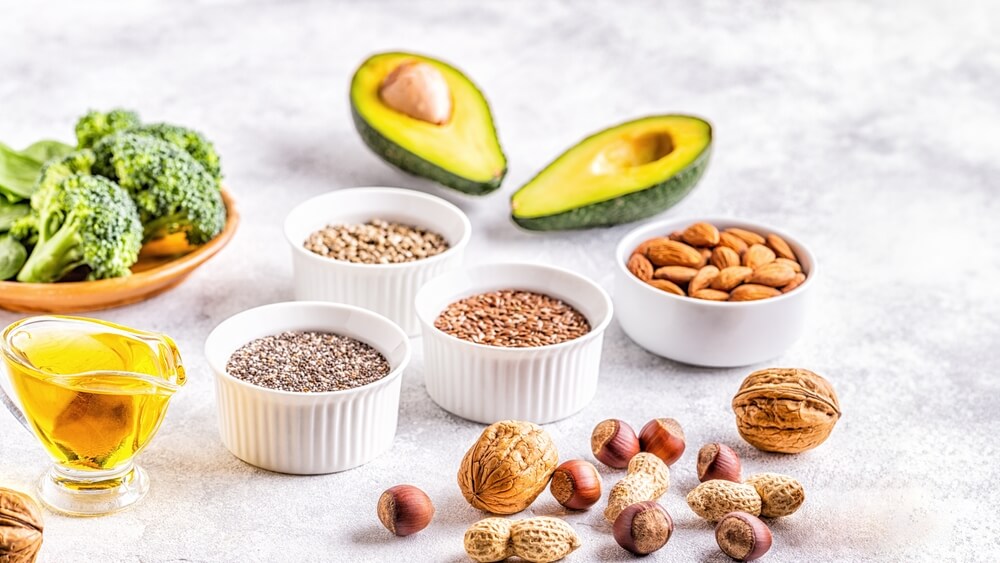
The main plant-based alternatives provide alpha-linolenic acid (ALA). These include:
- Linseed oil and linseeds: These are considered particularly concentrated sources of ALA. Linseed oil should only be used in cold dishes.
- Chia seeds and chia oil: These contain high levels of ALA and are also rich in fibre.
- Walnuts and walnut oil: These also provide significant amounts of ALA.
- Hemp seeds and hemp oil: These are characterised by a favourable ratio of omega-3 to omega-6 fatty acids.
- Rapeseed oil: This commonly used cooking oil also contains alpha-linolenic acid.
Unlike algae oil, which provides EPA and DHA directly, ALA must first be converted into these fatty acids within the body. However, this conversion is only partially efficient. Nevertheless, sources of ALA remain important for a balanced plant-based diet.