
What is psoriasis?
Psoriasis is a chronic inflammatory autoimmune condition in which the immune system reacts abnormally. This means that it is ‘overactive’ and, to put it simply, releases too many inflammatory mediators. This leads to chronic inflammation and changes in the skin.
Normally, the skin renews itself at a specific rate. In people with psoriasis, however, this process occurs far too quickly. The outermost skin cells, known as keratinocytes, multiply up to ten times faster than usual. As these cells are not yet fully mature and cannot be shed, they accumulate on the skin’s surface. This results in the typical raised, reddened plaques covered in silvery-white scales.
Psoriasis usually occurs in flare-ups. This means that those affected experience periods of pronounced symptoms, but also times when the skin calms down again. Furthermore, there are varying degrees of severity and several forms of the condition, which to date cannot be cured, but only ‘managed’. With appropriate treatments, symptoms can often be significantly alleviated and kept under control.
Important to know: Psoriasis is not contagious. Nevertheless, many sufferers experience social stigma and often also noticeable limitations on their quality of life. You can read more about psoriasis here.
What causes psoriasis?
The exact causes of psoriasis are still not fully understood. What is certain, however, is that a genetic predisposition plays an important role. The condition often runs in families across several generations. Nevertheless, having an affected family member does not automatically mean that you will develop the condition yourself. For psoriatic skin lesions to actually develop, certain triggers – that is, factors that set off the condition – must also be present. These can also cause existing psoriasis to worsen.
Typical triggers include, for example:
- Infections: Streptococcal infections (e.g. tonsillitis or scarlet fever) are a particularly common trigger for psoriasis.
- Skin injuries: Any form of skin injury (e.g. cuts or grazes, sunburn, areas that have been heavily scratched) can cause a new psoriasis lesion to develop at that site.
- Medicines: Some medicines can trigger or worsen psoriasis, such as certain beta-blockers, lithium, some painkillers or anti-malarial drugs.
- Hormonal changes: Psoriasis may first appear or worsen during periods of hormonal fluctuation, such as puberty, pregnancy or the menopause.
- Alcohol and nicotine: Both can contribute to psoriasis or have a negative impact on its progression.
- Excess weight: Being overweight promotes inflammatory processes and increases the risk of psoriasis.
- Stress: Psychological strain and emotional stress are also considered possible triggers.
- Climatic conditions: Many sufferers report an improvement in the summer due to sunlight and a worsening of symptoms in dry, cold winter air.
How is psoriasis treated?
There are various treatment options, which depend primarily on the severity of the condition. These include topical treatments using creams and ointments, phototherapy (light therapy) and systemic therapies, which involve the administration of medication, injections or infusions.
For mild psoriasis, topical treatment is often sufficient. For moderate to severe psoriasis, phototherapy or systemic therapies are frequently used.
The aim of treatment is to relieve symptoms, control flare-ups and improve quality of life. A holistic approach, which also takes lifestyle changes into account, is usually the most effective.
Basic treatment
Regardless of the severity of the condition, and even between flare-ups, consistent basic skincare is important. Experts refer to this as ‘basic therapy’.
This means that the skin should be cared for regularly, even during symptom-free periods. Applying moisturising and emollient products daily supports the skin barrier and helps to loosen flaky skin. Emollient oil baths, shower oils, ointments or rich creams are ideal. These products often contain active ingredients such as:
- Urea
- Glycerine
- Hyaluronic acid
- Vitamin E
- Collagen
When choosing products, you should avoid fragrances, preservatives and other additives that may further irritate sensitive skin. Basic treatment can – and should – be combined with other forms of treatment (topical medicines, light therapy, systemic therapies) to enhance their effectiveness.
Medication
Medicines for application to the skin
In cases of mild psoriasis, topical treatments are often sufficient. Various active ingredients are available, which can be used individually or in combination. The following two groups are particularly effective:
• Cortisone (glucocorticoids):
Cortisone preparations are among the most commonly used topical treatments. They have an anti-inflammatory effect, relieve itching and are available as creams, ointments, solutions, foams or shampoos. The effect usually sets in quickly. They are generally used for a few weeks and then gradually phased out. When used correctly, side effects are rare. However, prolonged use or the use of very potent active ingredients can lead to adverse effects such as thinning of the skin.
• Vitamin D analogues (e.g. calcipotriol):
These active ingredients, which are similar to vitamin D, slow down excessive cell growth in the upper layer of the skin. They can be used on their own or in combination with cortisone. Vitamin D analogues are also well tolerated in the long term, but may cause skin irritation. To avoid overdose, they should not be applied to more than 30 per cent of the body’s surface area.
Oral, injectable or intravenous medicines
In cases of moderate or severe psoriasis, or where topical treatments with cortisone or vitamin D analogues are insufficient, systemic therapies may be used. They may also be considered when certain areas of the body, such as joints, the scalp or nails, are affected. These medicines work by influencing the immune system and specifically slowing down inflammatory processes.
The main groups include:
• Conventional active substances:
The best known is methotrexate, an active substance that has long been used successfully in treatment. The medicine inhibits the inflammatory response and regulates the function of the immune system.
• Biologics:
These newer, biotechnologically produced medicines are highly effective, even in cases of severe psoriasis. They specifically block certain messenger substances (cytokines) that promote inflammation. As they affect the immune system, they must not be used in certain conditions.
• Small molecules:
These active substances have a strong anti-inflammatory effect and inhibit the activity of T lymphocytes. This results in fewer pro-inflammatory substances being released, allowing symptoms to subside. Small molecules are an option when other treatments are not sufficiently effective or are unsuitable.
Light therapy
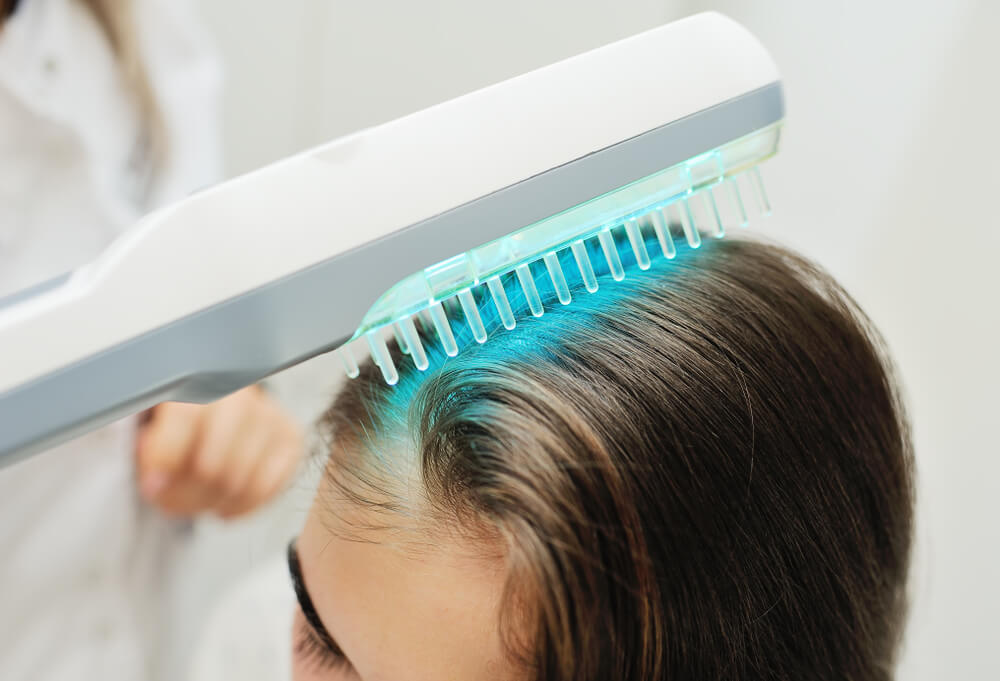
UVB light therapy uses specialised UV light to treat psoriasis. It is carried out in dermatology practices or clinics and can be particularly effective when combined with salt water (brine). Initial improvements are often seen after one to two weeks. Possible side effects include redness and itching. To avoid interactions, the doctor should be informed of all medicines being taken. Additional exposure to sunlight should be avoided during treatment.
PUVA phototherapy combines psoralen with UVA light, which makes the skin more sensitive to light. Psoralen is applied topically or taken as a tablet. Here too, the first effects usually become apparent after one to two weeks. However, this method is not suitable for patients with a relevant medical history or very sensitive skin, as there is an increased risk of skin cancer. Again, the doctor should be informed of all medications being taken, as interactions are possible.
Overall, UV light therapy is a long-established approach, but is used less frequently today. The main reason for this is the high level of effort involved. Patients must undergo irradiation three to four times a week at a specialist clinic over a period of several weeks.
Acute treatment during a flare-up
The aim of acute treatment for a psoriasis flare-up is to quickly relieve inflammation, control the symptoms and allow the flare-up to subside. The choice of treatment depends on the severity, the affected area of the body and the patient’s general state of health.
- Milder flare-ups:
Topical therapy is usually the first choice here. Ointments or creams are applied directly to the affected areas of skin. The treatments used include corticosteroids (glucocorticoids), vitamin D analogues (e.g. calcipotriol), urea, salicylic acid or dithranol. - Moderate to severe flare-ups:
Phototherapy using UV light (UVB or UVA) can be a proven option. Broadband or narrowband UVB light is used, as well as PUVA therapy, in which the skin is treated with the photosensitising agent psoralen prior to irradiation. - Severe flare-ups:
If large areas of skin are affected, systemic treatment may be necessary. This includes traditional immunosuppressants, biologics or small molecules, which are taken orally, injected or administered as an infusion.
In addition, the skin should be consistently cared for with moisturising ointments and oils. Relaxation techniques such as yoga, progressive muscle relaxation or meditation can also be helpful.
What complementary therapies are available?
- Bath and climate therapies: Many people with psoriasis notice significant improvements in their skin condition when they combine saltwater with UV light or sunlight. For this reason, stays by the sea during the summer months are generally recommended. This also applies to the Dead Sea, where specialised clinics can provide medical supervision to support the treatment. However, with regular stays, the increased risk of skin cancer associated with bath and climate therapy must be taken into account.
- Psychological treatment and support: People with psoriasis often experience psychological distress due to their symptoms and the social stigma that can accompany them. Many people affected also report that their psoriasis worsens or even triggers a flare-up when they are under stress. Psychological or psychotherapeutic treatment may therefore be beneficial. Specialised educational programmes, in which all relevant aspects of the skin condition are taught and explained, can also be helpful.
Diet & a healthy lifestyle
Diet and a healthy lifestyle can have a positive impact on psoriasis symptoms and reduce the risk of associated conditions. Whilst there is no specific ‘psoriasis diet’, numerous scientific studies show that the following dietary factors and habits have a beneficial effect:
- Omega-3 fatty acids: Oily fish such as salmon, mackerel and herring, as well as linseed and chia seeds, have a strong anti-inflammatory effect.
- Fruit and vegetables: A high intake of colourful fruit and vegetables provides antioxidants that neutralise free radicals and inhibit inflammation.
- Wholemeal products and pulses: These are rich in fibre, which can have a positive effect on gut health. A healthy gut is increasingly linked to improved skin health.
- Avoiding pro-inflammatory foods: It is recommended to reduce the consumption of red meat, saturated fats, sugar and highly processed foods. These can exacerbate inflammation in the body.
- Weight management: Being overweight is a risk factor for severe psoriasis and can reduce the effectiveness of treatments. Losing weight can reduce inflammation and improve symptoms.
- Alcohol and nicotine: Smoking and alcohol consumption can trigger or exacerbate psoriasis flare-ups. It is recommended to minimise consumption or avoid them altogether.
- Exercise: Regular physical activity not only helps with weight management but also has anti-inflammatory effects and reduces stress – a known trigger for psoriasis flare-ups.
- Stress reduction: Chronic stress can affect the immune system and trigger flare-ups. Techniques such as yoga, meditation, mindfulness exercises or sport can help to reduce stress and improve general well-being.
Read more about psoriasis and diet here.

Psychotherapy
Psoriasis is not only associated with physical symptoms but also frequently with a reduced quality of life. People with severe psoriasis, in particular, often suffer from depression and anxiety disorders – not least because the condition carries a stigma. Furthermore, psychological stress has been shown to be a trigger for psoriasis flare-ups and can generally worsen the condition. For these reasons, psychotherapy can be very helpful.
Alternative medicine
Alongside conventional medical treatment, there are also alternative methods that can help to alleviate symptoms and improve quality of life. A US meta-analysis on this topic found positive effects with the following approaches:
- Neem extract combined with coal tar ointment and salicylic acid
- Aloe vera moisturiser containing 0.5% aloe vera
- Mahonia aquifolium (barberry)
- Inositol as a supplementary treatment for patients taking lithium for bipolar disorder
- Infusions of omega-3 fatty acids
- Climate therapies
- Special herbal granules from TCM (Traditional Chinese Medicine)
The following showed little or no effect in this analysis:
- Vitamin D
- Zinc sulphate
- Selenium
- Vitamin B12
- Acupuncture
Please note: There is as yet insufficient scientific evidence regarding the effectiveness of the treatments listed.

Home remedies
Home remedies also offer many people with psoriasis an additional way to relieve their symptoms. These include, for example:
- Salt baths: Baths containing Dead Sea salt can soften and loosen flaky skin. Salt also has antiseptic and anti-inflammatory properties.
- Apple cider vinegar: Many sufferers report that apple cider vinegar provides relief from an itchy scalp.
- Moisturising oils: Natural oils such as evening primrose oil, black cumin oil or coconut oil can moisturise the skin.
You can read here about other home remedies that have proven effective.
How is psoriasis treated in children and young people?
Psoriasis often presents differently in children and adolescents than in adults. The therapeutic approach is also sometimes different: treatment focuses on basic care using skincare products, as well as topical treatment with cortisone.
From the age of six, other active ingredients in ointments (e.g. calcipotriol, dithranol) may also be used. However, these treatments must be closely monitored by a doctor. In severe cases, systemic therapies using certain biologics may be employed. There is an absolute contraindication to the use of salicylic acid in infants and young children.
Who can I turn to?
Dermatologists are responsible for the treatment of psoriasis. General practitioners can also be the first point of contact.
What does the research say? New scientific findings
The latest research into psoriasis is focusing on the development of oral medicines that previously had to be administered as injectable biologics. This is expected to significantly simplify treatment. There have also been advances in highly effective biologics that act in a more targeted manner and require less frequent injections.
Studies into the biological causes of the condition are also providing important insights. They could pave the way for new treatment approaches that are effective whilst causing fewer side effects. A study by the Medical University of Vienna, for example, shows that the function of certain anti-inflammatory immune cells can be specifically restored. Until now, therapeutic approaches have primarily targeted pro-inflammatory immune cells.





