What are thrombocytes and what is their function?
Thrombocytes are blood platelets and, alongside red and white blood cells, are among the key cellular components of the blood. Their most important function is to stop bleeding. When a blood vessel is injured, platelets react very quickly: they gather at the site of the injury, stick together and form an initial seal.
This initial seal helps to stop the bleeding, but is not yet stable. It is reinforced by the subsequent blood clotting process, ensuring that the injured site remains reliably sealed. This is why platelets are important for wound healing and protection against blood loss, even in the case of minor injuries that often go unnoticed in everyday life.
Where are platelets produced?
Platelets are produced in the bone marrow. There, they are formed from large precursor cells known as megakaryocytes. Small platelets break away from these cells, then enter the bloodstream and circulate throughout the body.
Platelets are very small (1 to 4 micrometres), disc-shaped and have no nucleus of their own. They usually live for only a few days (7 to 10) and are broken down mainly in the spleen, liver and lungs. This is a normal process: the body constantly produces new thrombocytes and replaces older ones.

Why are platelet counts measured?
Platelet counts are usually carried out as part of a complete blood count. The result shows how many platelets are present in a given volume of blood. Together with other blood test results, it can provide an indication of whether blood formation, blood clotting or certain reactions in the body are abnormal.
The platelet count is measured, for example:
- during routine check-ups
- before or after surgery
- in cases of unexplained bleeding
- in cases of unusual symptoms such as frequent nosebleeds, bleeding gums, numerous bruises or very heavy and prolonged menstrual bleeding
- in patients with thrombosis
- during treatment with blood-thinning medication
What is crucial here is not just a single reading, but also the trend: whether the value remains stable, returns to normal or continues to change.
Platelet counts: What values are considered normal?
In adults, the reference range is often between approximately 150 and 360 G/L (giga per litre). This corresponds to 150,000 to 360,000 platelets per microlitre of blood. Depending on the laboratory, the specified normal range may vary slightly.
It is important to note that the reference range is a guide, not a definitive diagnostic threshold. A value that deviates slightly does not automatically mean that a condition is present.
Platelet counts in children
In children, the reference ranges may vary slightly depending on age and the laboratory. An abnormal value should be assessed by a paediatrician, particularly if it deviates significantly, continues to change, or is accompanied by symptoms such as pinpoint skin haemorrhages, frequent nosebleeds or an unusually high number of bruises.
| Age group | Possible reference range/normal range |
|---|---|
| Infants up to 9 months | approx. 100–250 G/L |
| Children aged 1 to 6 years | approx. 150–350 g/l |
| Children and adolescents aged 7 to 17 years | approx. 200–400 g/l |
| Adults | approx. 150–360/400 G/L |
Low platelet count: What is thrombocytopenia?
If there are too few platelets in the blood, this is referred to as thrombocytopenia. This term is often used when the count in adults is below approximately 150,000 platelets per microlitre of blood. However, how significant a low count is depends not only on the number itself, but also on symptoms, possible causes and whether the low count is a new finding or has been present for some time.
As platelets are important for blood clotting, significantly reduced levels can make bleeding more likely to occur or cause it to last longer.
Possible signs include, for example:
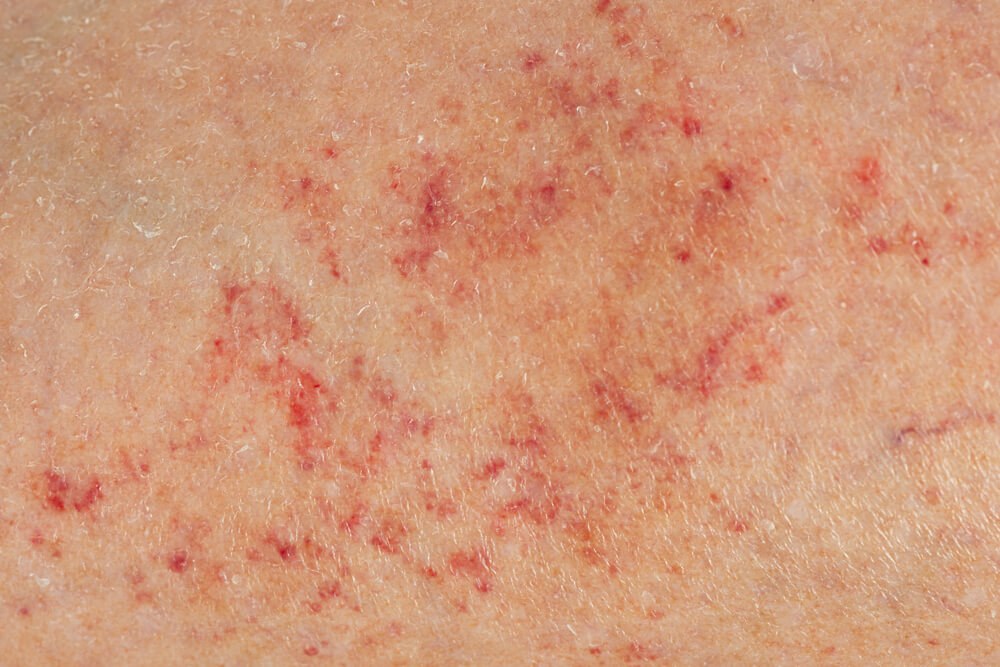
- pinpoint-sized haemorrhages in the skin (petechiae)
- frequent nosebleeds
- bleeding gums
- an unusually high number of bruises
- heavy periods
- Bleeding in the digestive tract
The value alone does not provide a definitive explanation for why platelet counts are low. Sometimes this is due to an infection, sometimes to medication, pregnancy, a deficiency in vitamin B12, folate or iron, a blood disorder, or an altered distribution of platelets in the body. That is why, when test results are abnormal, it is always important to consider the full picture: symptoms, the course of the condition, medication and the other laboratory results.
High platelet count: what does thrombocytosis mean?
An elevated platelet count is medically termed thrombocytosis. This means that there are more platelets in the blood than the reference range specifies.
An elevated platelet count often occurs as a reaction to other processes in the body. These include, for example:
- Infections
- Surgery
- Childbirth
- Iron deficiency
- Spleen removal
- more rarely, inflammatory conditions such as chronic inflammatory bowel diseases (Crohn’s disease, ulcerative colitis), arthritis or tuberculosis
Here too, a single result on its own is not sufficient to determine the cause with certainty. What is important is the level of the result, its progression, any associated symptoms and the other blood test results. If the result remains significantly elevated or if additional symptoms occur, it should be investigated by a doctor.
When should you seek medical advice?
A slightly abnormal result is usually no cause for concern. However, an abnormal platelet count should always be investigated by a doctor, particularly if it deviates significantly from the reference range, is a new finding, or continues to change during follow-up tests. It is also important to consider whether there are any accompanying symptoms or whether other blood test results are abnormal.
Symptoms indicating impaired blood clotting are particularly important. These include small pinpoint haemorrhages on the skin, frequent nosebleeds, bleeding gums, an unusually high number of bruises, or bleeding that lasts longer than usual. Blood in the urine or stools, as well as an unusually heavy or prolonged menstrual period, should also be investigated.
How are abnormal platelet counts investigated?
If the platelet count is abnormal, the finding is not assessed in isolation. The context is important:
- Is the level only slightly altered or significantly so?
- Is the abnormality a new development?
- Are there any other symptoms?
- Medications, infections, pre-existing conditions, a possible pregnancy and previous blood test results also play a role.
Often, the blood count is checked or repeated as a first step. This involves looking not only at platelet levels, but also at other parameters such as red and white blood cell counts, inflammatory markers, liver and kidney function tests, and coagulation parameters.
Sometimes it is also necessary to check whether the level has actually changed. In a condition known as pseudothrombocytopenia, platelets clump together in the test tube after blood has been drawn.
In such cases, the laboratory may report an abnormally low count, even though there are sufficient platelets present in the body. In such instances, a repeat test using a different tube may help.
Platelets and medication
Certain medicines can affect platelet counts. Some active ingredients can lead to fewer platelets being produced or to an increased rate of platelet breakdown.
This can occur, for example, with certain cancer treatments, such as chemotherapy or radiotherapy, as these can impair blood formation in the bone marrow. In rare cases, heparin can also lead to reduced platelet counts.
Other medicines do not necessarily alter the number of platelets, but rather their function. These include, for example, acetylsalicylic acid, some other anti-inflammatory painkillers, and certain antiplatelet agents such as clopidogrel. Although the platelets are present, they no longer contribute to haemostasis in the same way. Whilst this is therapeutically desirable for some conditions, it can also increase the risk of bleeding.
It is important to note that you should not stop taking or change your medication on your own simply because your platelet count is abnormal.
Why platelet counts sometimes fluctuate
Platelet counts can change temporarily. This applies, for example, during pregnancy, in the case of infections or following surgery. Therefore, when platelet counts are abnormal, it is always important to consider the circumstances in which they were measured and whether the count returns to normal over time.
Platelets during pregnancy
During pregnancy, the platelet count may fall slightly. This is often a pregnancy-related change that is mild, causes no symptoms and usually does not pose an increased risk to the mother or baby. Pregnancy-associated thrombocytopenia is defined as a platelet count falling below 150,000/µl.
Nevertheless, abnormal platelet counts during pregnancy should always be assessed by a doctor. This is particularly important if the count is significantly low, if symptoms are present, or if other blood test results are abnormal. In such cases, it must be determined whether a more serious pregnancy-related condition, such as pre-eclampsia or HELLP syndrome, is present. In these instances, cause-specific treatment is necessary to prevent complications.

Platelets in infections and inflammation
Infections and inflammation can also affect platelet counts. Depending on the situation, the platelet count may temporarily fall or rise. Following an acute infection, the count often returns to normal.
It is therefore important to consider the overall trend: a single abnormal reading during or shortly after an illness should be interpreted differently from a significant or persistent deviation.
Platelets following surgery, injuries or blood loss
Following surgery, an injury or significant blood loss, platelet counts may be temporarily elevated. The body is then reacting to blood loss, tissue irritation and healing processes.
Here, too, the context is key. A temporarily altered level may be part of the body’s natural response. However, if the level remains significantly elevated or additional symptoms arise, it should be assessed by a doctor.
Can abnormal platelet levels be prevented?
There is no specific prevention against all changes in platelet counts. The possible causes are simply too varied for that.
In general, a balanced diet, exercise, not smoking and staying well-hydrated can support cardiovascular and vascular health.
Can you donate platelets?
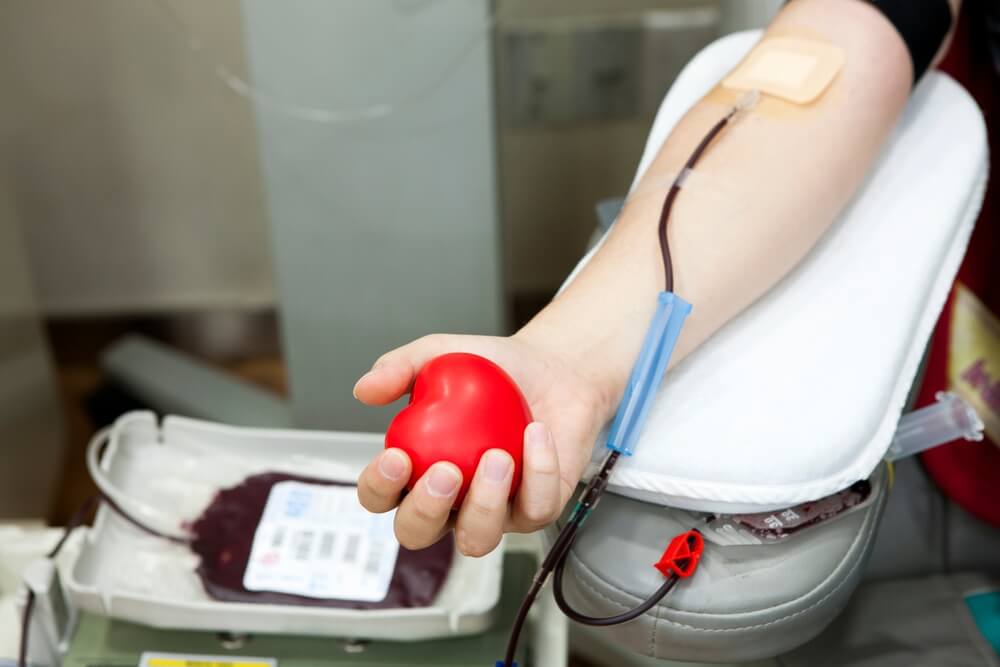
Yes, you can donate platelets. This is a component donation: the platelets are specifically extracted from the blood, whilst other blood components are usually returned to the donor. This form of blood donation takes longer than a standard blood donation, often around 90 minutes.
Platelet donations are needed primarily for seriously ill patients, such as those suffering from severe bleeding following accidents or operations. People with leukaemia, other forms of cancer or blood-forming disorders may also rely on platelet donations.