
What is psoriasis?
Psoriasis is a non-contagious chronic skin condition. It occurs because the immune system overreacts, causing skin cells to be produced much more quickly than is normally the case. Instead of renewing itself every four weeks, the skin of those affected often renews itself within just a few days.
This results in red patches of skin covered with silvery-white scales. The elbows, knees, scalp and lower back are frequently affected.
The condition occurs in flare-ups. This means that symptoms can be severe for weeks or months and then improve again. The causes are not yet fully understood, but heredity, infections, stress, medication and lifestyle factors all play a role. You can read more about psoriasis here.
Why do home remedies help?
Home remedies can be a useful addition to psoriasis management, as they alleviate symptoms and strengthen the skin barrier. The condition itself cannot be cured, but home remedies can make daily life more bearable by soothing itching, loosening scales or keeping the skin supple.
Many home remedies moisturise and nourish the skin, have a cooling or anti-inflammatory effect, and help the skin recover more quickly after a flare-up. Examples include an oatmeal bath, which soothes the skin, or aloe vera gel, which has a cooling effect.
It is important to note that home remedies are no substitute for medical treatment. They are a complementary measure to help manage symptoms more effectively. Medicines prescribed by a doctor remain the cornerstone of treatment.
The 7 most effective home remedies for external use
Aloe vera
Aloe vera is one of the world’s oldest medicinal plants and has long been used to care for irritated skin. In the case of psoriasis, it can help to alleviate redness, flaking and itching. Studies show that creams containing a standardised aloe vera extract at a concentration of around 0.5 per cent can soothe the skin and reduce inflammation.
Medically tested creams or gels are suitable for this purpose. They should be applied thinly to the affected areas up to three times a day. It is important to use them regularly over several weeks, as the effects are not immediate.
Aloe vera is well tolerated, but the same rule applies here: in the case of open wounds or very sensitive skin, the product should first be tested on a small area.

Salt baths
Salt baths are among the most popular home remedies for psoriasis. They can help loosen flaky skin, soften the skin and relieve itching. Dead Sea salt, which is rich in minerals such as magnesium, calcium and potassium, is particularly effective. Studies show that such baths can soothe the skin and enhance the effectiveness of subsequent skincare products.
For a full bath, around 4 kg of sea salt is usually added to water heated to between 35 and 38 degrees. The bath should last around 15 to 20 minutes. Longer or very hot baths dry out the skin and can make the symptoms worse.
After the bath, it is important to pat the skin dry gently and apply a moisturising cream or ointment straight away. This helps to lock moisture into the skin. If you do not have a bath or do not wish to bathe for long, you can also treat specific areas of skin, such as your hands or feet, in a salt bath. Salt baths are generally well tolerated.
However, salt water does not help everyone. For some patients, salt water dries out the skin. It is best to test this carefully first.
Important: Salt baths should not be used on broken skin.
Nourishing oils
Rich oils are among the simplest yet most effective home remedies for psoriasis. They provide the skin with lipids and moisture, making it more supple and helping to soften stubborn scales.
Oils believed to have a positive effect on psoriasis include:
- Olive oil
- Coconut oil
- Jojoba oil
- Almond oil
- Avocado oil
- Linseed oil
- Hemp oil
For daily care, simply massage a small amount of oil gently into the affected areas. Applying the oil overnight is particularly effective: to do this, apply the oil generously and cover the skin with cotton gloves or socks. This helps the oil to work more effectively and allows the skin to retain moisture better.
Oils can also help on the scalp. Simply apply a few drops to the affected areas, massage in gently and leave to work for several hours. Then wash the oil out with a mild shampoo. This makes it easier to remove dandruff without further irritating the skin.
Moist compresses
Compresses can provide rapid relief from psoriasis by soothing the itch and calming the skin. They have a cooling effect and can also enhance the benefits of creams or oils. Compresses can simply be applied using cool water. Additives such as apple cider vinegar, black tea or green tea, which contain tannins, have also proven effective. The tannins have a mild anti-inflammatory effect and can further soothe the skin.
A soft cotton cloth is ideal for this; dip it in cool water, diluted apple cider vinegar, or black or green tea. Then wring it out gently and place it on the affected areas of skin for about 10 to 15 minutes. The skin usually feels more relaxed and less irritated afterwards.
Here’s how to make a tea compress:
- Pour boiling water over a tea bag or a teaspoon of loose tea and leave to steep for at least 10 minutes.
- Allow the tea to cool to a comfortable temperature.
- Soak a clean cotton cloth in the tea and place it on the skin.
- Leave it on for 10–15 minutes.
- Then pat the skin dry – do not rub – and apply a moisturising cream.
The compresses can be applied 4–5 times a day.
It is important that the cloths are clean to prevent germs from coming into contact with the already sensitive skin. If you have open wounds or very inflamed areas, you should avoid using compresses and seek medical advice instead.
Capsaicin
Capsaicin is the spicy compound found in chillies. When used in ointments or creams, capsaicin stimulates blood circulation and has anti-inflammatory properties, thereby helping to reduce itching and pain associated with psoriasis. Some studies show that regular use over several weeks can significantly alleviate symptoms.
Capsaicin is usually applied in the form of an over-the-counter cream, which is applied thinly to the affected areas of skin several times a day. Patience is key, as the effect builds up slowly and only becomes apparent after some time.
At first, many people experience a burning or warming sensation on the skin. This is a typical reaction and usually subsides after a few days. With regular use, the nerves in the treated area become less sensitive to inflammation. This can significantly reduce flaking, itching and pain.
A recent study suggests that capsaicin could also be an alternative to cortisone-based psoriasis treatments. When applied to affected areas of skin, it produces a protective effect that reduces the release of so-called cytokines – the body’s inflammatory signals.
Capsaicin should not come into contact with broken skin or mucous membranes, as it can cause severe pain in these areas. It is important to wash your hands thoroughly after application.

The 3 most important home remedies for internal use
Probiotics
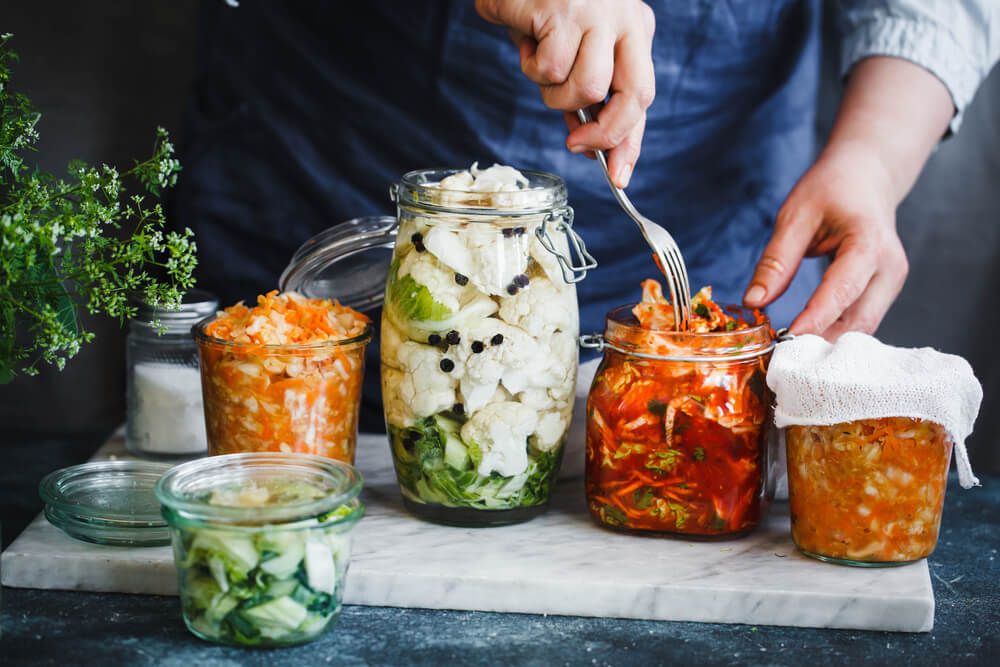
Probiotics are live lactic acid bacteria or yeasts that support the gut flora. They are available as capsules or powders and are also found in fermented foods such as yoghurt, sauerkraut or kefir.
Research into psoriasis is investigating whether probiotics can influence the immune system and thereby reduce inflammation. Some small-scale studies suggest that certain bacterial strains may alleviate skin symptoms. Those affected reported reduced itching and flaking after taking them for several weeks. However, the results are inconsistent, and experts emphasise that probiotics do not yet constitute an established treatment.
Anyone wishing to try probiotics should look for quality-assured products and discuss their use with their doctor. This is particularly important if they are already taking other medicines. Overall, probiotics can be a complementary way of supporting skin health.
Omega-3 fatty acids
Omega-3 fatty acids are a type of healthy fat found primarily in oily fish such as salmon, mackerel and herring. They are also present in linseeds, chia seeds and walnuts, or are available as dietary supplements in capsule form.
Several studies suggest that omega-3 fatty acids may have an anti-inflammatory effect. In the case of psoriasis, this could help to reduce redness, itching and flaking.
However, the results are not consistent. Whilst some sufferers report noticeable relief, other studies show no clear benefit.
Anyone wishing to take omega-3 capsules should discuss the dosage with their doctor. High doses can, for example, affect blood clotting or interact with certain medicines. Overall, omega-3 fatty acids can be a building block for a low-inflammation lifestyle.
Vitamin D
Vitamin D plays an important role in the immune system and skin health. Many people with psoriasis have low vitamin D levels, which can exacerbate inflammation. For this reason, vitamin D is used in the treatment of psoriasis both topically, as a cream or ointment, and internally, in the form of tablets or drops.
Topical application has been well researched: vitamin D analogues in creams can slow down the growth of skin cells, thereby reducing redness and flaking. These preparations are available on prescription and form part of standard treatment.
When it comes to dietary supplements, do not take high doses on your own initiative. Excessively high vitamin D levels can lead to side effects such as kidney problems or cardiac arrhythmia. It is advisable to have a blood test carried out by a doctor to determine whether there is actually a deficiency. Only then should targeted supplementation take place.
Other alternative therapies
Many people with psoriasis try alternative therapies to provide additional relief from their symptoms. Whilst these methods are not always scientifically proven, they can improve well-being and help people cope better with the condition in their daily lives.
Acupuncture is traditionally used for pain relief. Some studies suggest that it may also reduce itching or a feeling of tightness in people with psoriasis. Anyone wishing to try acupuncture should consult a qualified practitioner and discuss the treatment with their doctor beforehand.
Stress is a well-known trigger for psoriasis flare-ups. Many people with the condition report that their skin problems become more severe or last longer during stressful periods. Stress can intensify inflammatory processes in the body, thereby placing additional strain on the immune system. It is therefore worth making a conscious effort to relax in everyday life.
Yoga can be a valuable aid, as it reduces stress and promotes well-being. Regular practice also improves flexibility and relaxation. For many people with psoriasis, yoga is a way of better managing the condition mentally and strengthening their body awareness.
Other methods, such as meditation, mindfulness training or progressive muscle relaxation, can also be helpful. It is important to find realistic approaches that suit your own lifestyle. Even small breaks in the day, a brief moment to switch off or regular rituals can have a positive effect on the skin. Stress cannot always be avoided, but managing it more effectively can help alleviate flare-ups and significantly improve your quality of life.
Read more about the treatment of psoriasis here.





