Summary
6-in-1 vaccine
Definition: A combination vaccine that protects against diphtheria, tetanus, polio, whooping cough, Haemophilus influenzae type b and hepatitis B.
Dosage: three doses
Recommended for: all children and unvaccinated adults
Contraindications: people with a weakened immune system, people with a fever of over 38 degrees
Cost: none
What is the 6-in-1 vaccine and what does it protect against?
The 6-in-1 vaccine is a combination vaccine that protects against six different infectious diseases. These infectious diseases are:
- Diphtheria
- Tetanus
- Polio (poliomyelitis)
- Whooping cough (pertussis)
- Haemophilus influenzae type b (Hib)
- Hepatitis B
Diphtheria: transmission, symptoms, complications
Diphtheria is a highly contagious, serious infectious disease caused by bacteria. It is transmitted via droplet or contact infection and can also be spread through skin-to-skin contact, kissing and contact with bodily fluids.
Typical symptoms include inflammation of the throat and upper respiratory tract, which can lead to a sore throat, cough, fever and breathing difficulties. Complications can arise if the toxin produced by the bacteria enters the bloodstream and damages organs such as the heart, nerves, kidneys or lungs. In severe cases, diphtheria can be fatal.
Tetanus: transmission, symptoms, complications
Tetanus is also known as lockjaw and is a serious and potentially fatal infectious disease caused by bacteria of the Clostridium tetani strain. These bacteria are found in soil, dust and animal faeces and can enter the body through skin injuries such as cuts, puncture wounds or burns. Typical symptoms of tetanus include, above all, severe muscle spasms. In severe cases, the disease can lead to respiratory failure and ultimately to death.
Polio (poliomyelitis): transmission, symptoms, complications
Polio is a highly infectious viral disease caused by polioviruses. The viruses are transmitted via the faecal-oral route, although droplet transmission is also possible.
Typical symptoms include paralysis, which usually begins in the legs and can spread to other parts of the body. A serious complication of polio occurs when the respiratory muscles are affected, which can be life-threatening.
Whooping cough (pertussis): transmission, symptoms, complications
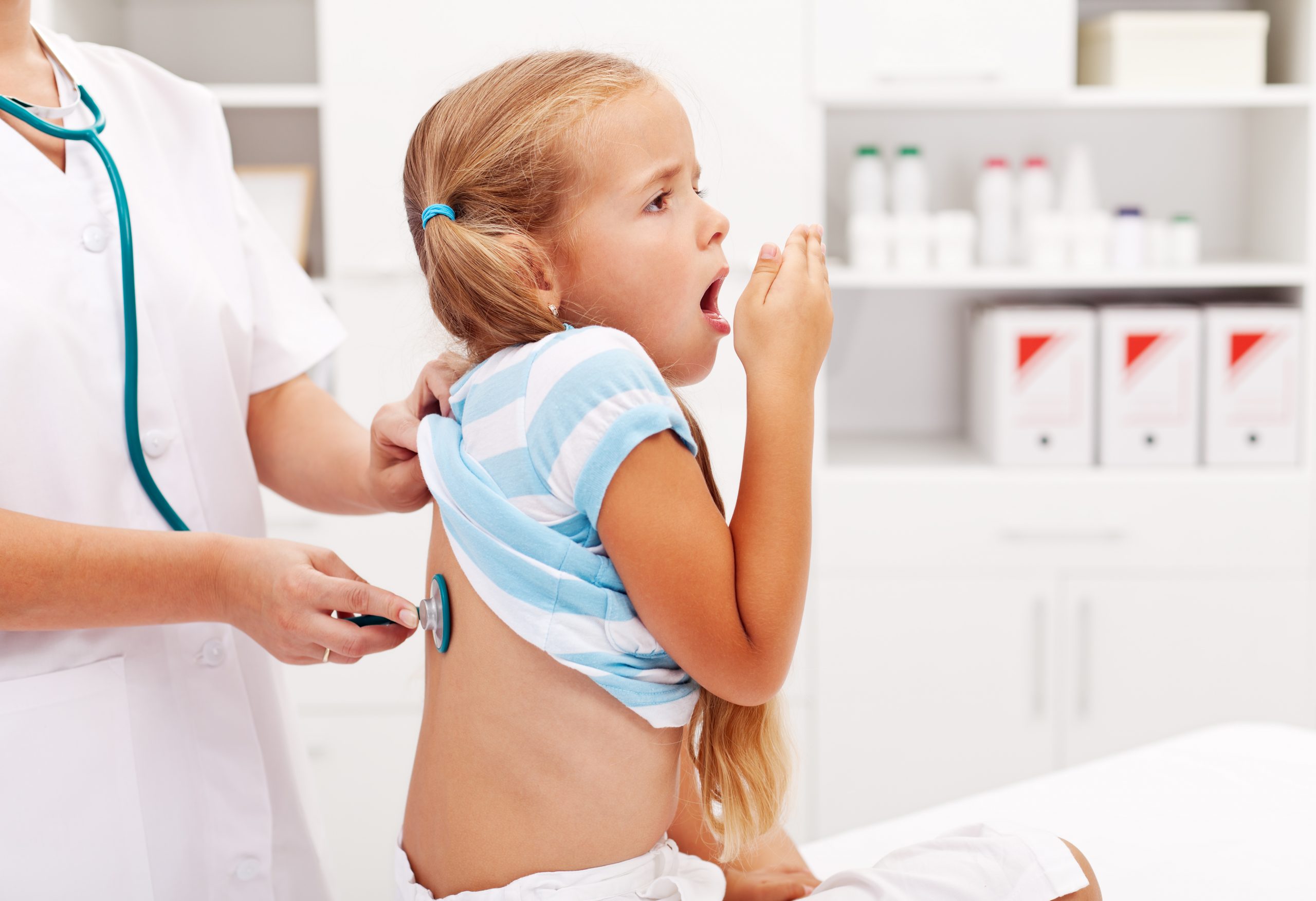
Whooping cough is a highly contagious infectious disease of the upper respiratory tract. It is caused by the bacterium Bordetella pertussis. Transmission occurs via droplet infection. Initially, the symptoms resemble those of a common cold, but they develop into the characteristic whooping cough with severe coughing fits, which can lead to shortness of breath, retching and the urge to vomit.
Possible complications include pneumonia and middle ear infection. In some cases, seizures may also occur, and in rare instances, brain damage may result from a lack of oxygen.
Haemophilus influenzae type b (Hib): Transmission, symptoms, complications
Haemophilus influenzae type b (Hib) is a bacterial infectious disease that is usually transmitted via droplet infection and contact with infectious respiratory secretions. Infection can also occur during childbirth, passing from the mother to the newborn.
Haemophilus influenzae can cause various illnesses. Milder forms include sinusitis and middle ear infection. However, it can also lead to serious conditions such as purulent meningitis and epiglottitis. These conditions occur primarily in infants and young children and are particularly feared due to their severity.
Hepatitis B: Transmission, symptoms, complications
Hepatitis B is a notifiable, infectious inflammation of the liver caused by the hepatitis B virus. It is mainly transmitted through contact with the bodily fluids of infected individuals. Infected mothers can also pass the virus on to their child during childbirth.
The symptoms of hepatitis B vary greatly: they may be absent altogether, mild or very severe. Acute hepatitis B is often characterised by fatigue, reduced energy levels, an enlarged liver, joint and muscle pain, fever, nausea and digestive problems. Later on, the eyes and skin may take on a yellowish tinge, the stools may become lighter in colour and the urine may darken. The disease can progress from an acute to a chronic phase, with cirrhosis of the liver and hepatocellular carcinoma (liver cancer) being possible consequences.
Why are combination vaccines used?
Combination vaccines combine several vaccines into a single preparation, so that protection against the respective diseases is provided with just one injection. This makes it possible to protect children against several diseases at the same time with just one injection. According to research, there is no evidence to suggest that combination vaccines are less well tolerated than individual vaccines.
What are the ingredients of the 6-in-1 vaccine?
The 6-in-1 vaccine contains proteins derived from the bacteria and viruses against which the vaccine provides protection. The vaccine also contains adjuvants, such as aluminium and formaldehyde.
Aluminium is used to boost the vaccine’s effectiveness. Current studies show no evidence that aluminium causes harm in children or adults. Formaldehyde is used during the manufacture of the vaccine but is subsequently largely removed from it. Only very small amounts of residues remain in the vaccine, but these are well below the threshold considered harmful to health.
How many doses are required for the 6-in-1 vaccine?
The Austrian immunisation schedule provides for a primary course of three doses to ensure comprehensive protection against all six diseases. The first dose is recommended from the age of 3 months.
A booster dose is recommended upon starting primary school, and every 10 years thereafter. People aged 60 and over should have a booster dose every 5 years.
Is the 6-in-1 vaccine well tolerated?
Like any vaccine, the 6-in-1 vaccine can cause vaccine reactions. Vaccine reactions are generally common, but they simply mean that the immune system is responding to the vaccines.
What are the most common side effects?
Common side effects following the 6-in-1 vaccine include redness, swelling and pain at the injection site. Occasionally, babies may also experience restlessness, fever, vomiting, diarrhoea, irritability or unusual crying. These reactions usually subside quickly. Serious side effects, such as allergic reactions, are very rare. Generally speaking, side effects can be treated effectively and do not result in any long-term damage.
When should the vaccine not be administered?
People with a weakened immune system and those with a temperature above 38 degrees should not be vaccinated. People who have had allergic reactions to vaccinations in the past are advised to seek medical advice.
How much does the vaccination cost?
The 6-in-1 vaccine is included in Austria’s free vaccination programme and is therefore available free of charge to all children up to the age of 15.
Where can I get the vaccination?
The 6-in-1 vaccine is available from GPs participating in the vaccination programme and at all public vaccination centres. You can find more information here.
Where can I find further information on the 6-in-1 vaccine?
You can find further detailed information on the 6-in-1 vaccine, for example, in the Austrian Immunisation Schedule.
FAQ
The vaccine is very effective. 99 out of every 100 children have sufficient immunity after the third dose. After the second dose, the figure is 85 out of every 100 children.
The Austrian vaccination schedule recommends that the vaccine be administered at three, five and twelve months of age.
From primary school age onwards, a booster dose of a quadrivalent vaccine against diphtheria, tetanus, whooping cough and polio should be administered, followed by a booster every ten years, and every five years from the age of 60.
Modern combination vaccines contain fewer components of the pathogen or antigens than older vaccines and are therefore generally both safe and well tolerated. However, normal vaccine reactions are common.
Several doses of the vaccine are administered, as not everyone develops sufficient protection after the first dose.
The 6-in-1 vaccine also contains aluminium and formaldehyde. These are used to boost the vaccine’s effectiveness and are necessary for the manufacturing process; however, according to the scientific literature, there are no health concerns associated with them.


Gesenhues S and A: Practical Guide to General Practice. 9th edition, Urban & Fischer 2020.
Federal Ministry of Social Affairs, Health, Care and Consumer Protection: Austrian Immunisation Schedule 2023 (Version 1.1 of 23 December 2022)
https://www.sozialministerium.at/Themen/Gesundheit/Impfen/Impfplan-Österreich.html, accessed January 2024
Austrian Immunisation Schedule 2023/2024
Paul Ehrlich Institute (PEI): Federal Health Bulletin (2009) DOI: 10.1007/s00103-009-0961-y
https://www.pei.de/SharedDocs/Downloads/wiss-publikationen-volltext/bundesgesundheitsblatt/2009/2009-sicherheit-impfstoffe.pdf?__blob=publicationFile&v=2, accessed January 2024
Van Der Meeren, et al. (2012); Immunogenicity of Infanrix™ hexa administered at 3, 5 and 11 months of age. Vaccine. DOI: 10.1016/j.vaccine.2012.02.024. Epub22349525
https://pubmed.ncbi.nlm.nih.gov/22349525/, accessed January 2024
https://www.impfen-info.de/impfempfehlungen/fuer-kinder-0-12-jahre/kombinationsimpfstoffe/, accessed January 2024
https://www.gesundheit.gv.at/leben/gesundheitsvorsorge/impfungen/kinderimpfungen.html#impfkalender-fuer-saeuglinge-und-kleinkinder, accessed January 2024
https://www.oesterreich.gv.at/themen/familie_und_partnerschaft/geburt/3/Seite.080400.html, accessed January 2024
Whooping cough (pertussis)