Summary
RSV vaccination
Definition: Vaccination with a live vaccine containing attenuated viruses, designed to trigger an immune response in the body
Dosage: one vaccination; for monoclonal antibodies, once a month during the RSV season
Recommended for: people over 60, and those at high risk of severe disease
Cost: 275 euros
What is the RS virus?
The respiratory syncytial virus (RSV) belongs to the Pneumoviridae family and is an RNA virus. There are two main groups of the virus, known as RSV A and RSV B. These two groups are active at the same time, although RSV A often predominates.
RSV is found worldwide and causes acute respiratory illnesses, with symptoms similar to those of influenza (the flu). RSV can be particularly dangerous for premature babies, young children and older people. Until recently, the widespread prevalence of RSV and the serious health risks it can pose were underestimated.
What are the symptoms of an RSV infection?
An infection with the respiratory syncytial virus (RSV) can vary in severity. Some people experience hardly any symptoms, whilst others develop mild to severe respiratory symptoms. In severe cases, the illness may require treatment with mechanical ventilation and, in rare cases, it can be fatal.
Typical signs of an RSV infection include:
- a runny nose
- Cough
- Sore throat
- Fever
These symptoms can last for three to twelve days. The cough may persist for longer than four weeks.
In severe cases, complications may arise, such as:
- acute middle ear infection
- bronchiolitis (inflammation of the small airways)
- pneumonia
These more serious conditions often require hospital treatment. RSV can also cause a worsening of symptoms in people with existing asthma or chronic lung, heart and neurological conditions. RSV is highly contagious and spreads mainly through droplet transmission. It is also thought that transmission may occur via contaminated hands, objects and surfaces.
Who is at increased risk of a severe infection?
The following groups of people are particularly at risk of developing a severe RSV infection:
- Premature babies
- Newborns and infants up to six months of age
- People over 60
- People with severe organ diseases
- People with cancer
- People with immunodeficiencies or other serious underlying conditions
- People who are severely overweight
- People with HIV or other immunosuppressive conditions
- People in care homes and nursing homes
What is the RSV situation in Austria?
In Austria, the RSV season typically runs from November to April. Outside these months, RSV infections are relatively rare. For up-to-date information on hospital admissions in Austrian hospitals due to RSV infections, you can visit the SARI dashboard at https://www.sari-dashboard.at. This dashboard provides a detailed overview of the current situation.
Who should be vaccinated?
Vaccination experts particularly recommend the RSV vaccine for older people aged 60 and over, as this group is at a significantly higher risk of severe illness. In addition, there are other risk groups for whom vaccination against respiratory syncytial virus should also be considered. You can find information on these risk groups in the section ‘Who is at increased risk of a severe infection?’
What is the RSV vaccine?
The RSV vaccination protects against infection with the RSV, offering up to 80 per cent protection against symptomatic infections. Protection against severe disease is up to 95 per cent. The vaccination is a form of active immunisation. It involves administering weakened viruses that stimulate the body to produce antibodies. This enables the immune system to fight off an infection with real RSV viruses more quickly and effectively.
What vaccines are available?
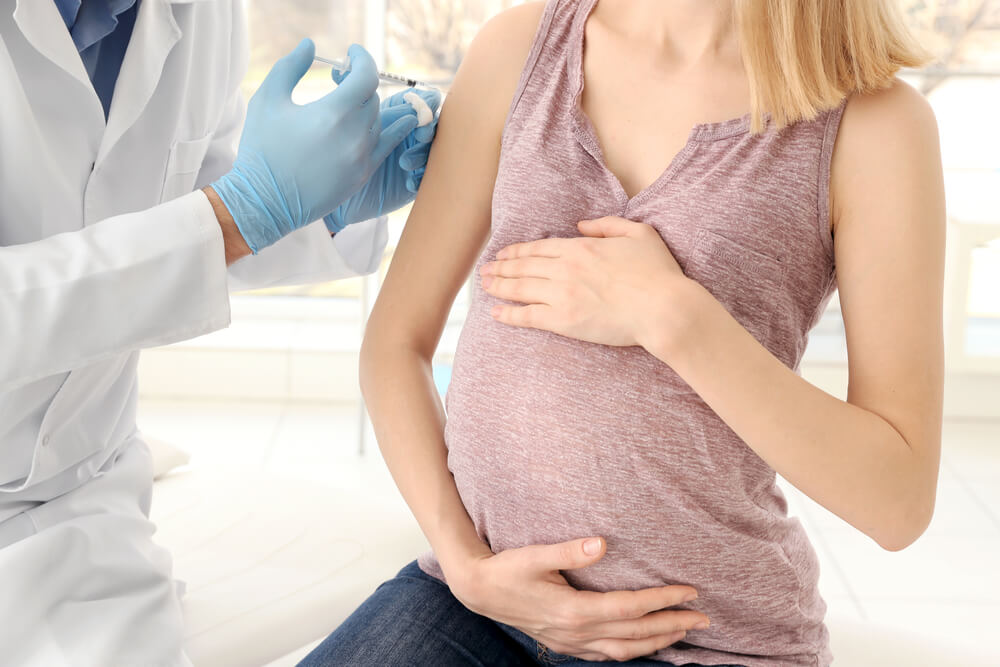
Since autumn 2023, two vaccines have been available for people aged 60 and over for active immunisation against RSV. In addition, one of the vaccines is authorised for use in pregnant women. If they are vaccinated between the 24th and 36th weeks of pregnancy, the baby also benefits from passive protection, as the mother passes on antibodies to her child.
When is the best time to get vaccinated?
As the RSV season in Austria usually begins in November, experts recommend getting vaccinated as early as September.
RSV vaccination for children
There is not yet a vaccine for children that provides active immunity, but there are two other options:
- monoclonal antibodies for passive immunisation: these work in a similar way to antibodies produced by the body itself and are intended to prevent severe lower respiratory tract diseases caused by the RSV in premature babies and high-risk children. However, as they only provide protection for a limited period, they must be administered several times during the RSV season.
- A single vaccination during pregnancy: Since autumn 2023, a vaccine has been available that also provides passive protection for newborns, as the mother can pass on the antibodies produced by the vaccination to her baby via the placenta.
RSV vaccination for adults
For adults aged 60 and over, two vaccines for active immunisation have been available since autumn 2023, which protect against lower respiratory tract infections caused by RSV. They can also be used in people at increased risk of severe disease. One of these two vaccines (Abrysvo) is also authorised for use in pregnant women.
What are the possible vaccine reactions and side effects?
As with any vaccination, the RSV vaccine may cause vaccination reactions and side effects. These are usually temporary and include pain at the injection site, headaches, joint pain, muscle pain and tiredness. These side effects are generally harmless. In very rare cases, the administration of monoclonal antibodies may lead to anaphylactic shock and other acute hypersensitivity reactions.
How much does the RSV vaccination cost?
The RSV vaccination is not currently free of charge. The vaccines must be paid for privately and cost around 275 euros.
Where can you get vaccinated?
You can get vaccinated at GP practices and at public vaccination centres.
FAQ
There are two vaccines that protect against RSV-induced illness or a severe course of such an illness, and which are available to people aged 60 and over. These are Arexvy and Abrysvo. Abrysvo is also authorised for use by expectant mothers between the 24th and 36th weeks of pregnancy.
The RSV vaccination using the Arexvy and Abrysvo vaccines is currently administered as a single dose. Whether further vaccinations are necessary is still being investigated in scientific studies.
The experts’ vaccination recommendations apply to people aged 60 and over, as well as to people aged 18 and over with serious underlying health conditions.
Expectant mothers can have the RSV vaccine to protect themselves and their baby. The recommendation applies to the 24th to 36th week of pregnancy.


Federal Ministry of Social Affairs, Health, Care and Consumer Protection: Austria’s 2023 Vaccination Schedule (Version 1.1 of 23 December 2022)
https://www.sozialministerium.at/Themen/Gesundheit/Impfen/Impfplan-Österreich.html, accessed February 2024
S2k Guideline ‘Guideline on the prevention of severe illness
caused by Respiratory Syncytial Virus (RSV) in at-risk children’ Updated 2023 / Version 5.0
https://register.awmf.org/assets/guidelines/048-012l_S2k_Prophylaxe-von-schweren-Erkrankungen-durch-Respiratory-Syncytial-Virus-RSV-bei-Risikokindern_2023-09.pdf, Accessed February 2024
https://www.gesundheit.gv.at/leben/gesundheitsvorsorge/impfungen/ueberblick/RSV.html, accessed February 2024
https://www.rki.de/DE/Content/Infekt/EpidBull/Merkblaetter/Ratgeber_RSV, accessed February 2024
https://www.infektionsschutz.de/erregersteckbriefe/rsv/, accessed February 2024
https://science.apa.at/power-search/8899633734641069470, accessed February 2024
https://www.gelbe-liste.de/wirkstoffe/Palivizumab_45235, accessed February 2024
https://www.who.int/teams/health-product-policy-and-standards/standards-and-specifications/vaccine-standardization/respiratory-syncytial-virus-disease, accessed February 2024
Treatment of pneumonia