Summary
Important information about TBE:
Transmission: Ticks transmit the virus.
Other diseases: Ticks can also transmit Lyme disease, but there is no vaccination against it.
Treatment: There is no specific medicine to treat the TBE virus. Only the symptoms can be treated.
Distribution: Ticks are found throughout Austria.
Protection: The best protection is vaccination.
In this article, you will find a wealth of important information about TBE, explained in simple language. This text contains general information and is not a substitute for a visit to a doctor.
What is TBE?
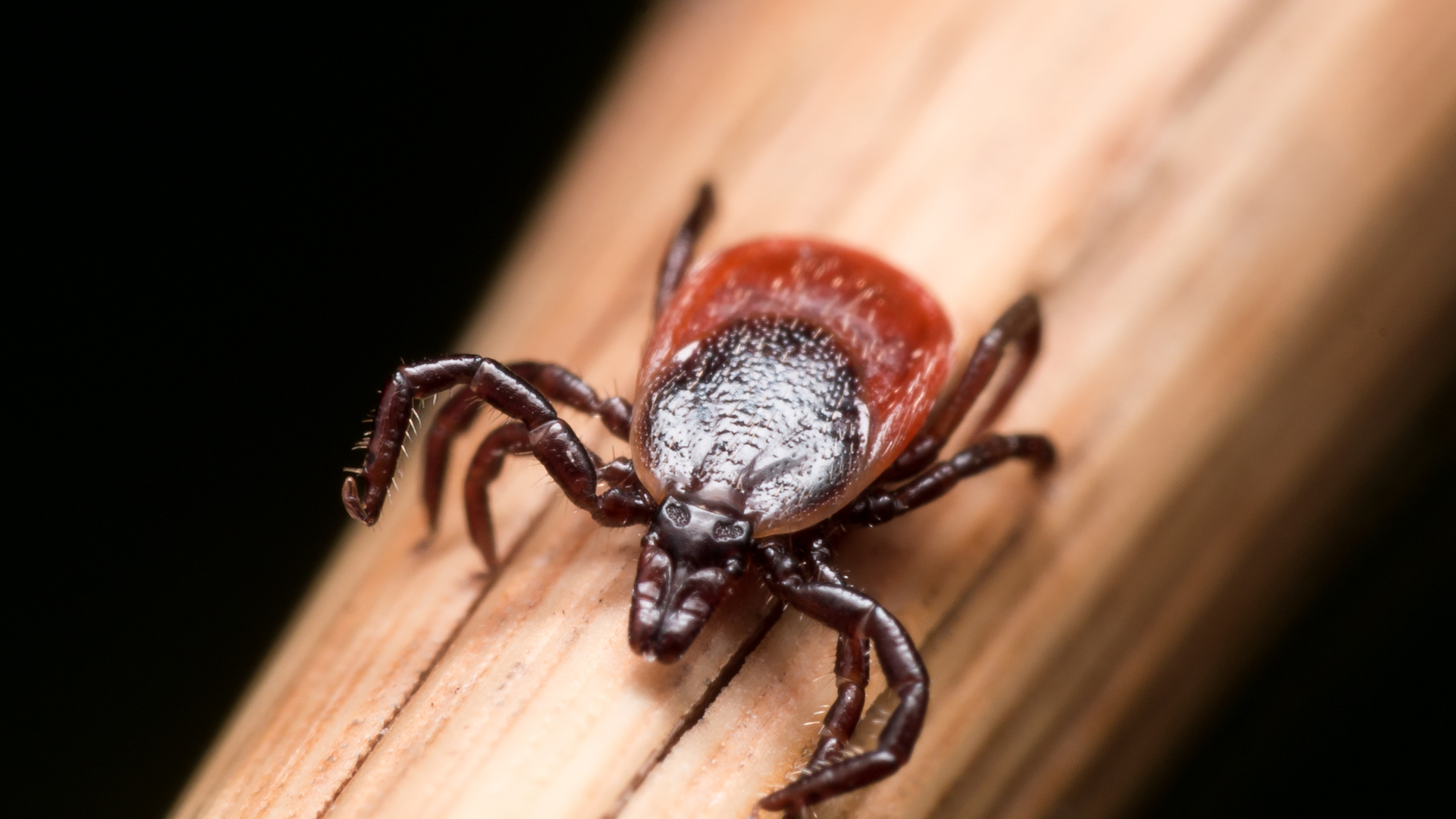
TBE is a disease caused by a virus. This virus is usually transmitted through a tick bite. Ticks are small creatures that live in grass or in the woods. When they bite someone, the virus can enter the body.
Important facts about TBE:
- Ticks: They transmit the virus.
- Other diseases: Ticks can also transmit Lyme disease, but there is no vaccination against it. When a tick bites, bacteria enter a person’s bloodstream. These bacteria cause Lyme disease.
- Not transmitted from person to person: TBE cannot be passed on from one person to another.
TBE cases in Austria
Ticks are found in every federal state in Austria. Ticks are not only found in forests, but also in meadows, parks and gardens. Due to the warmer climate, ticks are also present in autumn and winter.
What are the symptoms of TBE?
TBE can cause a variety of symptoms. Some people feel nothing, whilst others experience various signs of the illness, such as flu-like symptoms:
- Fever
- Headache and abdominal pain
- General feeling of being unwell
Some people also become more seriously ill with TBE and often have the following symptoms:
- High fever
- Stiff neck
- Headaches
- Sensitivity to light
- Dizziness
In some people, the TBE virus reaches the brain, causing inflammation of the brain. This is also known as meningitis or meningoencephalitis.
However, most people do not develop a severe illness and recover quickly. TBE is particularly dangerous for certain groups of people. These include:
- People over 50
- In rare cases, children too
How is TBE treated?
Many people do not notice a tick bite. Do you think you might have TBE? If so, a doctor can take a blood sample and test it. This will confirm whether you have TBE.
How is TBE treated?
There is no specific medicine to treat the TBE virus. Only the symptoms can be treated. If you have TBE, it is important to rest and get plenty of sleep. If you are in pain, you can take painkillers. However, you should speak to a doctor first. Medicines can also have side effects. If your symptoms are severe, you may need to be treated in hospital.
How can you protect yourself against TBE?
The best protection against TBE is the vaccine. The vaccination is given in three doses:
- First and second doses: within three months
- Third dose: After nine to twelve months
You are only fully protected once you have had all three doses. A booster is required after three years, and then every five years. For those over 60, a booster is required every three years.
What are the side effects of the vaccination?
The TBE vaccination rarely causes side effects. These include:
- Redness and swelling at the injection site
- Headaches and muscle aches
- Fever in children
You can also have the vaccine during pregnancy. However, you should always speak to a doctor first.
How can you protect yourself against ticks?
Ticks live in grassy areas and in the woods. As well as TBE, they can also transmit Lyme disease. It is therefore important to bear the following points in mind:
Precautions:
- Clothing: When out in the countryside, you should wear long clothing. Light-coloured clothing that covers as much skin as possible is best.
- Insect repellent: Apply insect repellent.
- Check your body: After spending time outdoors, it is important to check your body for ticks.
How do you remove ticks?
If you find a tick, it must be removed quickly. Here’s how to do it:
- Use tweezers
- Use the tweezers to grasp the tick close to the skin’s surface by the head
- Pull it out slowly
- Do not squeeze the tick’s body, as this could cause bacteria to be transmitted
- Do not twist, as this could cause the head to break off
- Clean the wound
FAQ
Early summer meningoencephalitis (ESME), or tick-borne encephalitis, is caused by the ESME virus. The disease is transmitted by ticks. Ticks can also transmit borreliosis.
TBE is transmitted to humans via a tick bite. In very rare cases, infection can occur through the consumption of raw milk products, such as raw milk or raw milk cheese.
Only the TBE vaccine protects against infection. You need to have three doses of the vaccine. Only then will you be fully protected.


https://science.apa.at/power-search/6661510361683775117 Accessed on 30 March 2022
https://www.rki.de/DE/Content/Infekt/EpidBull/Merkblaetter/Ratgeber_FSME.html Accessed on 30 March 2022
https://www.gesundheit.gv.at/krankheiten/immunsystem/zecken-krankheiten/fsme Accessed on 30 March 2022
https://www.zecken.at/ Accessed on 30 March 2022