Summary
Factbox – Haemorrhoids
Haemorrhoids: Haemorrhoids are cushions of blood vessels arranged in a ring-like pattern beneath the mucous membrane of the rectum. If the blood vessels in this tissue cushion become dilated, this can lead to problems in the anal region. Synonym: haemorrhoids, haemorrhoids
Cause: The main cause of enlarged haemorrhoids is considered to be excessive straining and pushing during bowel movements (due to constipation) caused by a diet low in fibre. A genetic predisposition, weak connective tissue or hormonal changes during pregnancy also increase the risk of developing the condition
Symptoms: Depending on the stage, symptoms may include transanal bleeding, itching, a feeling of pressure, a burning sensation or pain in the anus
Diagnosis: Digital rectal examination, anoscopy and proctoscopy. These examinations are carried out by a GP, urologist, gynaecologist or gastroenterologist
Treatment: This depends on the severity of the condition. In mild cases, anti-inflammatory ointments are sufficient. Other options include outpatient sclerotherapy or rubber band ligation. In advanced stages, various surgical procedures are used
Prevention: A healthy lifestyle comprising a high-fibre diet, regular bowel movements, adequate fluid intake and regular physical activity
Our digestive system
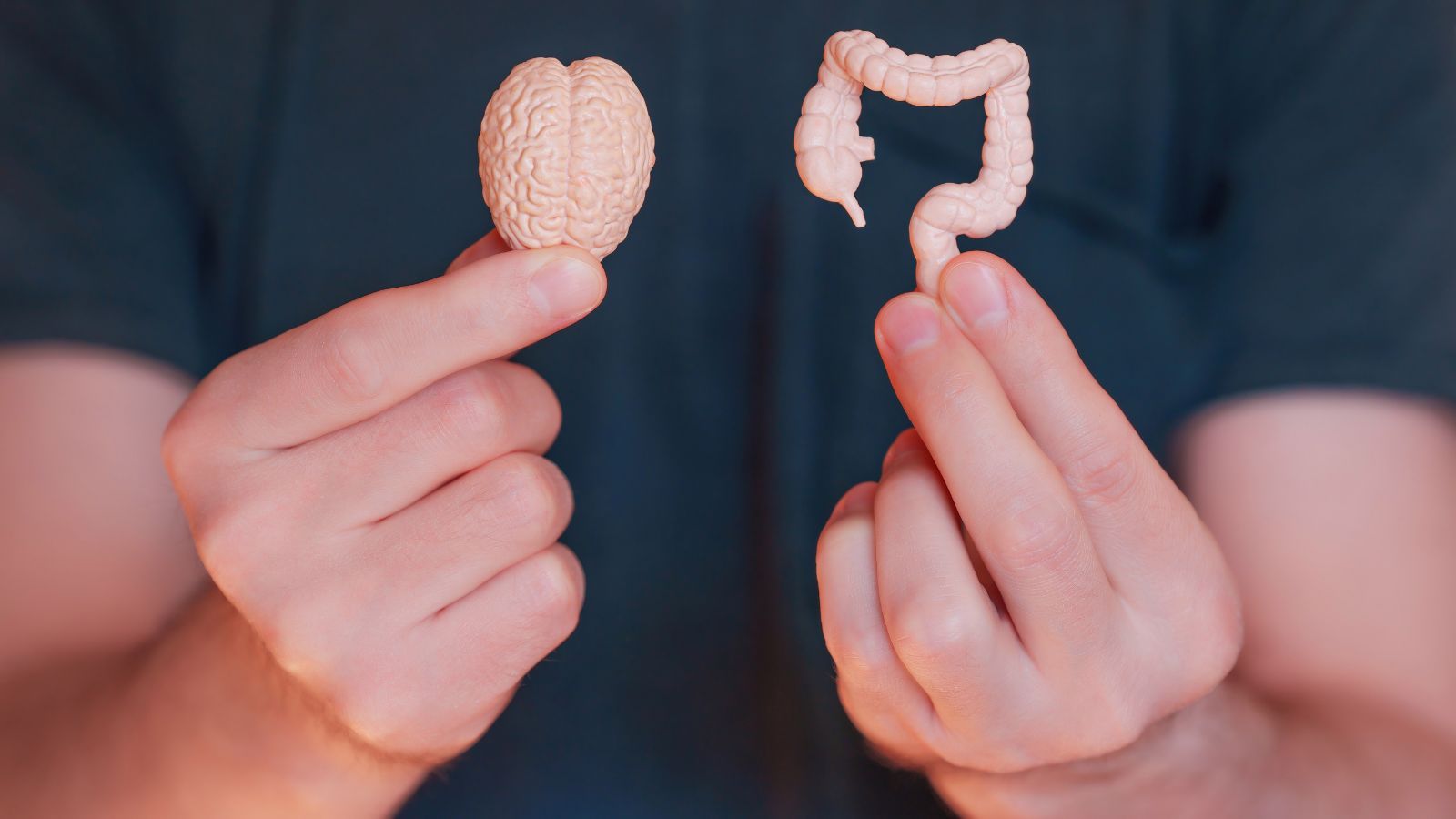
Our digestive system and bowel consist of different parts. Each part (stomach – small intestine – large intestine – rectum – anus) performs specific tasks in the digestion of food. The rectum is located in the lower part of the digestive system. Indigestible food residues are temporarily stored in the rectum and later passed out via the anus. The anus has two important sphincter muscles which control the passing of stools. The function of these sphincter muscles is supported by the haemorrhoidal corpus. The haemorrhoidal plexus is a cushion of blood-supplied vessels situated between the rectum and the anus, which also seals off the anus. The medical term for the haemorrhoidal plexus is ‘plexus haemorrhoidalis’, although the term ‘haemorrhoids’ is more commonly used. Consequently, everyone has haemorrhoids. It is only when the haemorrhoidal plexus becomes enlarged and shifts downwards that the condition is medically referred to as haemorrhoids.
How can you recognise haemorrhoids?
Haemorrhoidal disease occurs when the interaction between the anal sphincter muscles and the haemorrhoidal corpus is disrupted, or when the vascular cushion is no longer adequately supplied with blood and has become enlarged. The symptoms are the same for both women and men, and the following symptoms usually occur:
- painless bleeding: bright red blood in the stools or on toilet paper
- itching or a burning sensation around the anus
- A feeling of pressure in the anus
- A burning sensation in the anus
- Pain in the anus
The bleeding is usually fresh, bright red blood, which patients notice directly on their stools or on toilet paper. Most people are alarmed when they notice blood in their stools. Bleeding should be investigated by a doctor, but it is no cause for premature panic. Generally speaking, at the onset of haemorrhoids, patients experience a general feeling of discomfort in the anal area. The area is also more sensitive than usual and reacts even to mild external stimuli.
The four stages of haemorrhoids
In medicine, haemorrhoids are classified into four stages: Stage 1: At this stage, the swelling of the haemorrhoidal tissue is confined to the internal anal region. An early sign of this stage is bright red blood on the stool or on toilet paper. Itching may also occur. As symptoms are rare or minimal in the first stage, haemorrhoids are often only discovered by chance during other examinations at this stage. Stage 2: In the second stage of haemorrhoidal disease, the haemorrhoidal tissue is already significantly enlarged. At this stage, the haemorrhoids may cause a burning sensation, unpleasant itching and weeping. During bowel movements, small vascular nodules protrude from the anus and retract spontaneously back into the inner anal canal after the bowel movement. Stage 3: At this stage, the small vascular nodules can only be pushed back into the inner anal canal with a finger after a bowel movement. The third stage is also characterised by more severe itching, a burning sensation and oozing, and transanal bleeding also increases. Stage 4: The haemorrhoidal tissue is now so large that the inner anal area protrudes outwards. The haemorrhoids no longer retract on their own after a bowel movement and cannot be pushed back even with the fingers. The haemorrhoids ooze, and those affected suffer from unpleasant itching, experience a severe burning sensation and have a generally very high level of sensitivity in the anal area. Furthermore, bleeding after a bowel movement increases. Enlarged haemorrhoids may also protrude from the anus, become permanently visible and can no longer be pushed back in. This is known as a prolapse.  Photo: NewAfrica7shutterstock.com
Which doctor should you see for haemorrhoids?
The first point of contact is usually your trusted doctor, your GP. They can treat milder cases of haemorrhoids themselves. For more severe haemorrhoids, a referral to a proctologist is necessary. Alternatively, a gastroenterologist may be the right person to consult. Women can also consult a gynaecologist.
How are haemorrhoids treated properly?
Haemorrhoids are curable and, in principle, can be treated effectively. The earlier appropriate treatment is started, the quicker and more straightforward it is to resolve the condition. As part of taking a medical history, the doctor will first ask about the patient’s symptoms. Two different examinations (a digital rectal examination and an anoscopy) can then be carried out to determine whether haemorrhoids are present and, if so, at what stage. Whilst the digital rectal examination involves palpating the anal area with the fingers, an anoscopy involves inserting a special instrument into the anal area to detect any possible abnormalities. Depending on the severity, stage and individual medical history, the doctor can then initiate the appropriate treatment measures. Treatment in Stage 1: At this stage, the itching that occurs can be treated with special haemorrhoid ointments. New haemorrhoid ointments are based on natural ingredients, soothe the mucous membranes of the anal area, and have antispasmodic and anti-inflammatory properties. Furthermore, suppositories and creams can be used to treat the slightly swollen haemorrhoidal tissue. Another option is outpatient sclerotherapy. In this procedure, the doctor injects the haemorrhoids with a special active ingredient, causing them to shrink back to their original size. Sclerotherapy is painless and takes only a few minutes. Treatment in stage 2: Even at this stage, haemorrhoids can be managed using sclerotherapy. Another type of treatment is rubber band ligation. In this procedure, part of the haemorrhoidal tissue is tied off with small rubber bands; it then dies off and is naturally passed from the body along with the band. The treatment is carried out by the doctor on an outpatient basis. Treatment in Stage 3: In the third stage, haemorrhoids can be removed either by rubber band ligation or using the so-called Recto-Anal Repair (RAR) or HAL (haemorrhoidal artery ligation) methods. This method involves reducing the size of the blood vessels and retracting, gathering and securing the anal tissue back into the anal region. Following this painless procedure, the patient can usually leave hospital the very next day. Treatment in stage 4: In stage 4, haemorrhoids can only be treated through surgery. Depending on the symptoms and discomfort experienced, patients can be discharged home approximately four days after the procedure. There are now several surgical procedures available which are used, depending on the severity and stage of the haemorrhoids, to permanently eliminate the symptoms and discomfort. In principle, during every operation, the prolapsed vessels are excised under anaesthesia. The procedures differ from one another in terms of the incision made and whether the wound is left open or sutured after the operation. Haemorrhoids are never a cause for embarrassment. They are a very common condition that should be assessed by a doctor and treated if necessary.
What causes haemorrhoids?
Haemorrhoids can be caused by a variety of factors. The following are among the most common causes of anal discomfort:
- A diet low in fibre: An unbalanced diet and a diet low in fibre can lead to constipation and hard stools. If stools remain too hard over a prolonged period, the haemorrhoidal tissue may become irritated during bowel movements.
- Insufficient stool volume: If the volume of stool is too small, it does not fill the rectum sufficiently, meaning the bowel wall is not stretched far enough. This results in excessive straining during bowel movements.
- Excessive straining: Excessive straining during bowel movements increases the pressure on the blood vessels in the bowel. This leads to a build-up of blood, causing the vessels of the haemorrhoidal tissue to bulge forward in a knotty manner.
- Increased pressure on the blood vessels of the haemorrhoidal cushion due to a lack of exercise, prolonged sitting and being overweight
- Genetic predisposition
- Weakness of the connective tissue (age-related or hereditary)
- Long-term use of laxatives
- Pregnancy: The increased pressure in the abdominal cavity during pregnancy can partially restrict the outflow of blood from the haemorrhoidal corpus. Furthermore, hormonal changes during pregnancy can be a cause of haemorrhoids.
How can haemorrhoids be prevented?
The longer haemorrhoids go undiagnosed, the more difficult and protracted the treatment of the symptoms becomes. For this reason, you should consult a doctor if you notice the first signs of haemorrhoids. If the initial symptoms are treated appropriately, surgery can be avoided in most cases. However, anyone can take specific steps to prevent haemorrhoids, and people with a genetic predisposition can also do a number of things to avoid the (recurring) onset of these unpleasant symptoms in the anal area.
A healthy lifestyle supports digestion and bowel movements
A healthy lifestyle not only has long-term positive effects on health, but also supports the normal and healthy functioning of the digestive and excretory systems. A diet rich in fibre helps ensure that stools have the right consistency and do not cause any problems during bowel movements. Fibre has the ability to bind large amounts of water and subsequently swell. This helps to stimulate bowel function and stool production. Foods rich in fibre include fruit, vegetables, wholegrain products (wholemeal bread, wheat bran, oat bran, wholegrain pasta), pulses (beans, lentils), nuts, cereal flakes (oat flakes, spelt), brown rice and many more. On average, just 30 grams of fibre per day is sufficient to provide the body with an adequate amount of fibre. Another preventative measure is ensuring an adequate water intake. Drinking enough fluids, particularly water and unsweetened teas, also helps the body produce normal, soft stools. Furthermore, exercise contributes significantly to a healthy lifestyle. However, people who have already developed haemorrhoids should avoid sports that put strain on the pelvic floor (e.g. tennis, aerobics, squash). Another measure to prevent haemorrhoids is good toilet hygiene. As soon as the urge to go is felt, the bowel should be emptied. If stools remain in the rectum for too long, the body draws water from them, which makes the stools hard and makes passing them uncomfortable. Furthermore, you should not rush when going to the toilet, to avoid excessive straining. The anus should be thoroughly cleaned after every bowel movement, preferably with soft toilet paper or moist toilet wipes. For pregnant women, regular pelvic floor exercises can help prevent haemorrhoids. These exercises relieve pressure on the pelvic floor and reduce pressure on the haemorrhoidal cushions.
FAQ
The typical symptoms of haemorrhoids are not gender-specific. This means that women experience the same symptoms as men, and there are no known symptoms that are specific to women.
The most common symptoms of haemorrhoids are: blood in the stools or on toilet paper, itching or a burning sensation around the anus, a feeling of a foreign body or a sensation of pressure around the anus.
Haemorrhoids cause blood in the stools because the swollen vascular cushions are injured by hard stools and start to bleed. Even the slightest injury is enough to cause this. Even with first-degree haemorrhoids, bright red bleeding can occur.
Here are some home remedies that may help relieve haemorrhoids:
-
Sitz baths:
Sit in warm water for 10–15 minutes several times a day to relieve pain and itching. - Cold compresses: Apply ice packs or cold compresses to the affected area to reduce swelling and pain.
- A high-fibre diet: Eat more fruit, vegetables and whole grains to soften stools and prevent constipation.
- Adequate fluid intake: Drink plenty of water to keep stools soft.
Skin-soothing ingredients such as witch hazel, chamomile or oak bark added to the bath water may be helpful.
Yes, mild haemorrhoids can often be treated with home remedies and over-the-counter ointments. However, in more severe cases or if symptoms persist, you should see a doctor.


Haemorrhoids; Internists Online, https://www.internisten-im-netz.de/krankheiten/haemorrhoiden/was-sind-haemorrhoiden.html, accessed: 3 June 2024
Univ. Prof. Dr M. Wunderlich, Confraternität Vienna Bowel Centre; Update on Haemorrhoidal Disorders, Phlebology & Proctology 1/2015, MedMedia Verlag und Mediaservice GmbH
Prof. Dr S. Roka, University Department of Surgery, Medical University of Vienna; System-Oriented Treatment Concepts, Medicine & Science 4/2013, MedMedia Verlag und Mediaservice GmbH
Associate Professor Dr A. Salat, University Department of Surgery, Medical University of Vienna; Non-venereal anal, perianal and perineal diseases, Spektrum Dermatologie 1/2013, MedMedia Verlag und Mediaservice GmbH
Kirsch J. et al., Mannheim Rectal Centre; Conservative treatment of haemorrhoids, Wiener Medizinische Wochenschrift 2004 (154/3-4: 50:55), Springer Verlag
H.-P. Bruch et al., Lübeck University Hospital; Pathophysiology of haemorrhoidal disease, *Chirurg* 2001 (72:656–659), Springer Verlag
https://www.gesundheitsinformation.de/vergroesserte-haemorrhoiden-haemorrhoidalleiden.html, accessed: 3 June 2024
https://www.gesundheit.gv.at/krankheiten/verdauung/haemorrhoiden-symptome-diagnose.html, accessed: 3 June 2024