Summary
Key facts about HPV in men
- HPV is very common: up to 80% of all sexually active people become infected at some point in their lives
- Men are affected just as frequently as women
- The infection usually causes no symptoms and often goes unnoticed
- Certain types of HPV can cause genital warts or, in the long term, cancer
- Transmission occurs mainly through skin-to-skin and mucous membrane contact during sex
- Condoms reduce the risk but do not offer complete protection
- There is currently no standardised HPV test for men
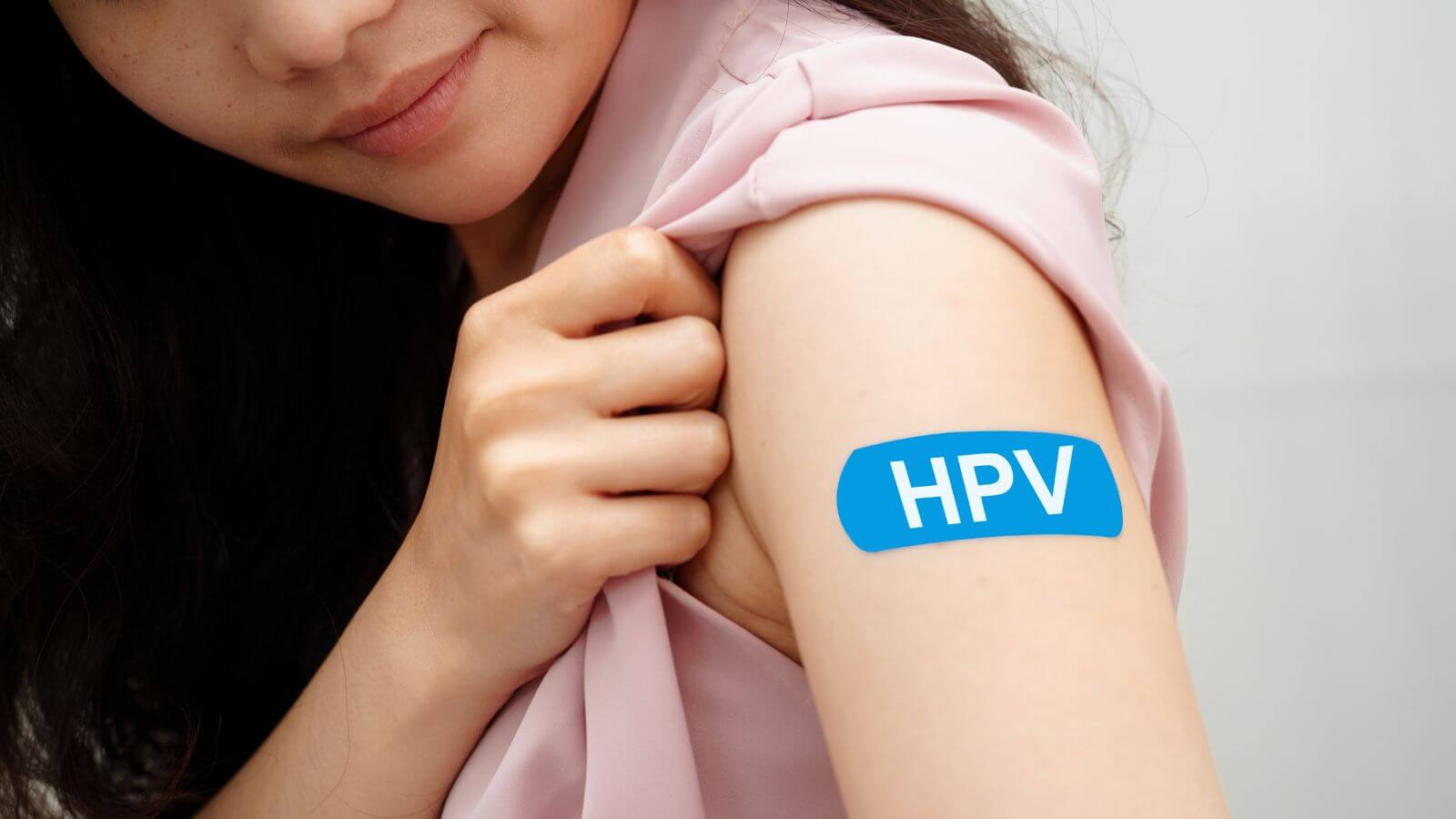
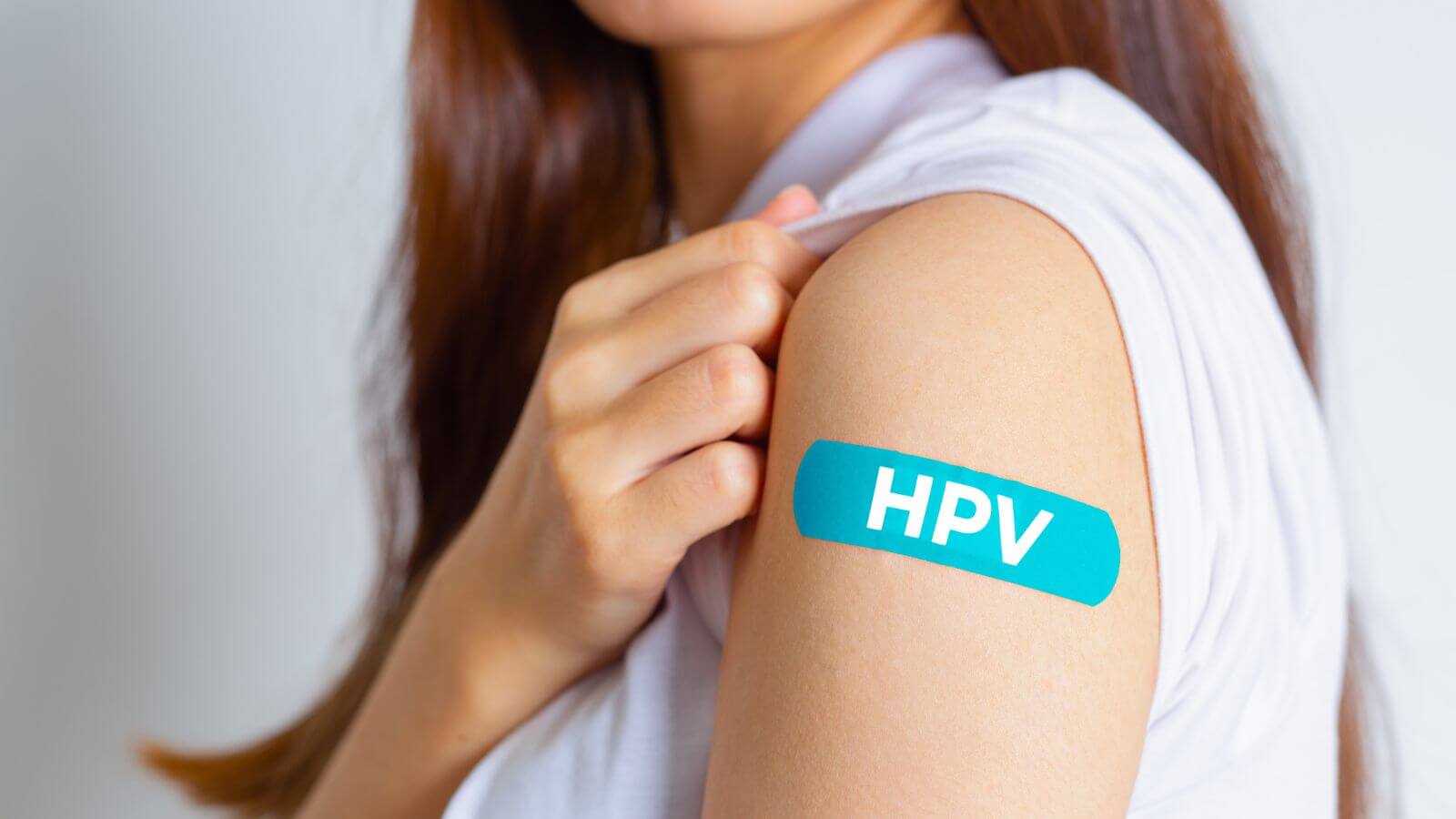
- The HPV vaccine is the most important measure for protection
What is HPV?
HPV stands for human papillomavirus. It is a large group of viruses that are very widespread. Most people become infected with it at least once in their lifetime, often without realising it. There are over 200 different types of HPV in total, around 40 of which are sexually transmitted. Some mainly affect the skin, whilst others affect the mucous membranes in the genital and anal areas. Many HPV infections go unnoticed and are harmless. However, others can cause cell changes in both women and men, which may develop into cancer over the course of several years. You can read more about HPV here.
How common is HPV in men?
HPV is one of the most common sexually transmitted infections worldwide. It is estimated that most sexually active people will be infected with it at least once in their lifetime. According to one study, one in three men over the age of 15 is infected with at least one type of HPV. Men are affected just as frequently as women. In most cases, the infection clears up on its own and leads to serious health problems in only a small proportion of those affected. In most cases, the immune system manages to fight off the virus without any adverse health effects. If this is not the case, certain conditions may develop, although the potential risks of an HPV infection vary depending on the type of virus.
What conditions can HPV cause in men?
HPV is divided into two main groups:
- Low-risk types can cause genital warts.
- High-risk types can cause cell changes that may develop into cancer.
In men, certain HPV types can contribute to, amongst other things, penile cancer, anal cancer or cancers of the mouth and throat.
How do men become infected with HPV?
HPV is primarily transmitted through direct skin-to-skin and mucous membrane contact during sex. This includes vaginal, anal and oral sex. Important to know: Infection is possible even without penetration. Even close skin-to-skin contact in the genital area or intense kissing can be enough to transmit the virus. Condoms can significantly reduce the risk of infection. However, they do not offer complete protection, as they do not cover all areas of the genital skin. 
What symptoms does HPV cause in men?
An HPV infection often causes no noticeable symptoms in men. This means that they can carry the virus and pass it on without realising it. If symptoms do occur, they usually appear on the skin or mucous membranes in the genital area. Genital warts are a typical symptom. These may appear as small, skin-coloured or reddish growths – either individually or in clusters. Genital warts often do not cause any pain. In some cases, however, they may itch, cause a burning sensation or be perceived as bothersome. As well as visible changes, there are also HPV infections that remain asymptomatic but can still trigger cellular changes. These are usually only detected during medical examinations. Early signs may include unusual skin changes, non-healing sores, bleeding or pain.
HPV and genital warts in men
Certain HPV types are classified as ‘low-risk’ types. These include, amongst others, HPV types 6 and 11, which are responsible for the majority of all genital warts. Genital warts are benign skin changes that usually occur in the genital area. In men, they frequently appear on the glans, the shaft of the penis or around the foreskin. In rare cases, they can also develop in the mouth as a result of oral sex. They may be small and inconspicuous or develop into larger, clustered growths. In some cases, the urethra or the anal area may also be affected. The warts are usually painless, but may be perceived as bothersome or cause itching. Although genital warts are generally harmless from a medical point of view, they should be assessed by a doctor. The diagnosis is made by urologists or dermatologists. You can read more about genital warts here. 
HPV and cancer risk in men
Certain types of HPV, particularly HPV 16 and 18, are considered high-risk types. They can trigger cellular changes that may develop into cancer over the course of several years. Important to know: An HPV infection rarely leads to cancer. In most cases, it clears up on its own.
What types of cancer can affect men?
Penile cancer
Penile cancer is a rare condition, but around half of all cases are linked to HPV, particularly HPV type 16. The tumour often develops on the glans or in the area of the foreskin. Other risk factors for penile cancer include, for example, smoking, a tight foreskin (phimosis) or chronic inflammation. Possible symptoms include bleeding from the penis, skin changes and hardening or swelling of the glans or foreskin.
Anal cancer
Anal cancer can also be caused by HPV. In the majority of cases, HPV is detectable, particularly the high-risk types 16, 18 and 33. The disease usually develops from precancerous lesions, which can go unnoticed for a long time. Those affected may experience, amongst other things, bleeding, itching or pain around the anus.
Cancer of the mouth and throat
HPV can not only cause diseases in the genital area, but also contribute to cancer in the mouth and throat. The throat area is particularly affected, for example the tonsils or the base of the tongue. The high-risk HPV type 16 plays a key role here, as it can be detected in a large proportion of these cancers. Infection usually occurs through oral contact, such as during oral sex.
How can men protect themselves against HPV?
It is difficult to achieve complete protection against HPV. The virus is not transmitted via bodily fluids such as semen, blood or vaginal fluid, but through close contact between skin and mucous membranes. Even in committed relationships, it is not always clear whether or when an infection has occurred. HPV can remain undetected in the body for a long time without causing any symptoms. For this reason, it is usually impossible to trace when or by whom an infection was contracted. Condoms can significantly reduce the risk of infection. However, they do not offer complete protection, as they do not cover all areas of the skin in the genital and anal regions. The most important protective measure against HPV is the HPV vaccine.
HPV vaccination
The HPV vaccination is the most effective way to protect against certain types of HPV. It protects against the most common high-risk types, which are responsible for around 90 per cent of HPV-related cancers, as well as against low-risk types that cause genital warts. The vaccine is recommended not only for girls and women, but also for boys and men. It can significantly reduce the risk of HPV-related diseases, particularly if administered before a person becomes sexually active – though it is still beneficial even if administered later.
Is there an HPV test for men?
There is currently no standardised HPV test for men. Whilst women can be specifically screened for HPV as part of their routine healthcare, routine testing is not recommended for men. This is partly because the infection often causes no symptoms and the available testing methods are less reliable. Instead, medical assessment takes precedence – particularly when visible symptoms such as noticeable skin changes or discomfort occur. 
Which doctor is the right person to consult about HPV?
This depends primarily on where the symptoms are occurring. The first point of contact may be a general practitioner, who will refer you to a specialist if necessary. If there are changes in the genital area, urologists are usually the specialists to consult. If symptoms occur in the anal area, it may also be advisable to see a proctologist or a dermatologist.
How is HPV treated in men?
There is no direct treatment for the HPV infection itself. In many cases, it clears up on its own, as the immune system fights off the virus within a matter of months. Treatment therefore focuses primarily on the symptoms or complications that may arise as a result of HPV. These include, for example, genital warts, which can be removed locally or treated with medication. In the event of abnormal cell changes or forms of cancer, treatment depends on the findings and may involve surgical procedures or other medical interventions. It is crucial to have any changes investigated at an early stage.
FAQ
In many cases, the virus is cleared by the immune system within a matter of months to a few years. In some cases, however, HPV can remain in the body for a long time.
Yes. Most HPV infections are asymptomatic. People affected may therefore carry the virus and pass it on without realising it.
Yes. Having had an HPV infection does not provide reliable protection against re-infection. There are many different types of HPV, and it is possible to be infected with the same type more than once.
According to current research, transmission is not possible through ‘normal’ kissing between friends or family members. Transmission via very intense kissing is theoretically possible if the other person has HPV in their mouth. However, this is of minor significance, as HPV infections in the mouth are rare. Infection is more commonly caused by direct contact between the skin and mucous membranes during sex.
Yes, it is possible to become infected with HPV in the mouth and throat, particularly through oral sex. Studies show that the risk of certain tumours in this area can increase, especially for people who frequently change sexual partners.
However, it is important to put this into perspective: cancer of the mouth and throat is rare overall. Only about 3 in 100 cases of cancer occur there, and only a proportion of these are caused by HPV.
Condoms can significantly reduce the risk of infection. However, they do not offer complete protection, as HPV can also be transmitted through skin-to-skin contact outside the areas covered by the condom.


Bartmann I.; HPV vaccination offers protection, according to a Cochrane report, Gyn-Aktiv 05/2018, MedMedia Verlag und Mediaservice GmbH
Tischler M. et al.; New treatment approaches for penile cancer, Spectrum Urology 03/2018, MedMedia Verlag und Mediaservice GmbH
Moser J.; Head and neck tumours 2017: Entities with a specific rationale for immunotherapy, Klinik 06/2017, MedMedia Verlag und Mediaservice GmbH
Joura E. et al.; Statement on HPV vaccination and HPV testing, Gyn-Aktiv 04/2017, MedMedia Verlag und Mediaservice GmbH
Joura E., Lex P.; The Future Lies in the Intelligent Combination of HPV Vaccination and Testing, Spectrum Pathologie 01/2017, MedMedia Verlag und Mediaservice GmbH
Regitnig P.; The new nomenclature of the ÖGZ and ÖGPath/IAP Austria with explanations, Spectrum Pathologie 01/2017, MedMedia Verlag und Mediaservice GmbH
Salat A.; HIV and HPV, Klinik 01/2017, MedMedia Verlag und Mediaservice GmbH
Reich O.; Cervical cancer screening – Can the Pap test be improved?, Gyn-Aktiv 02/2015, MedMedia Verlag und Mediaservice GmbH
Oncology Guidelines Programme (German Cancer Society, German Cancer Aid, AWMF): S3 Guideline on the Diagnosis, Treatment and Follow-up Care of Patients with Cervical Cancer, Long Version, 1.0, 2014
Reiner-Concin A.; The Pap smear, Österreichische Ärztezeitung 7/2011, Verlagshaus der Ärzte Gesellschaft mbH
Leodolter S., Joura E. A.; Anal cancer, penile cancer, head and neck tumours – HPV-associated tumours, Gyn-Aktiv 01/2011, MedMedia Verlag und Mediaservice GmbH
Cervical cancer: Good protective effect with the nine-valent vaccine, Deutsches Ärzteblatt, 7 September 2017, URL: https://www.aerzteblatt.de/nachrichten/78094/Zervixkarzinom-Gute-Schutzwirkung-mit-Neunfachimpfstoff
Precursors of cervical cancer, German Cancer Research Centre – Cancer Information Service, 8 May 2018, URL: https://www.krebsinformationsdienst.de/tumorarten/gebaermutterhalskrebs/vorstufen.php#pap-v, accessed: March 2026
https://www.kantonsspitalbaden.ch/artikel/hpv-infektion-was-frauen-und-maenner-wissen-sollten, accessed: March 2026
https://www.ncbi.nlm.nih.gov/books/NBK279260/, accessed: March 2026
https://www.gesundheit.gv.at/krankheiten/krebs/hoden-prostatakrebs/peniskrebs.html, accessed: March 2026
www.rki.de/DE/Content/Infekt/EpidBull/Merkblaetter/Ratgeber_HPV.html, accessed: March 2026
www.entschiedengegenkrebs.de, accessed: March 2026
https://www.gelbe-liste.de/onkologie/maenner-hpv-globales-gesundheitsproblem, accessed: March 2026
https://www.krebsinformationsdienst.de/aktuelles/detail/hpv-kann-ich-mich-beim-oralverkehr-anstecken-und-krebs-bekommen, accessed: March 2026