
Children

Building resilience in children: What makes children strong
Children face many challenges, both big and small, in their everyday lives: arguments, disappointments, poor marks, changes within the family, or the feeling of not belonging. Resilience helps them cope with such pressures and find their footing again after difficult times. This does not mean that children always have to be strong or that they are not allowed to show fear, anger or sadness. Rather, it’s about them learning, step by step: I’m not alone, I’m allowed to ask for help, and I can make a difference myself. In this article, you’ll find out what resilience means for children, how it develops, and how parents can help their children build resilience in their everyday lives.
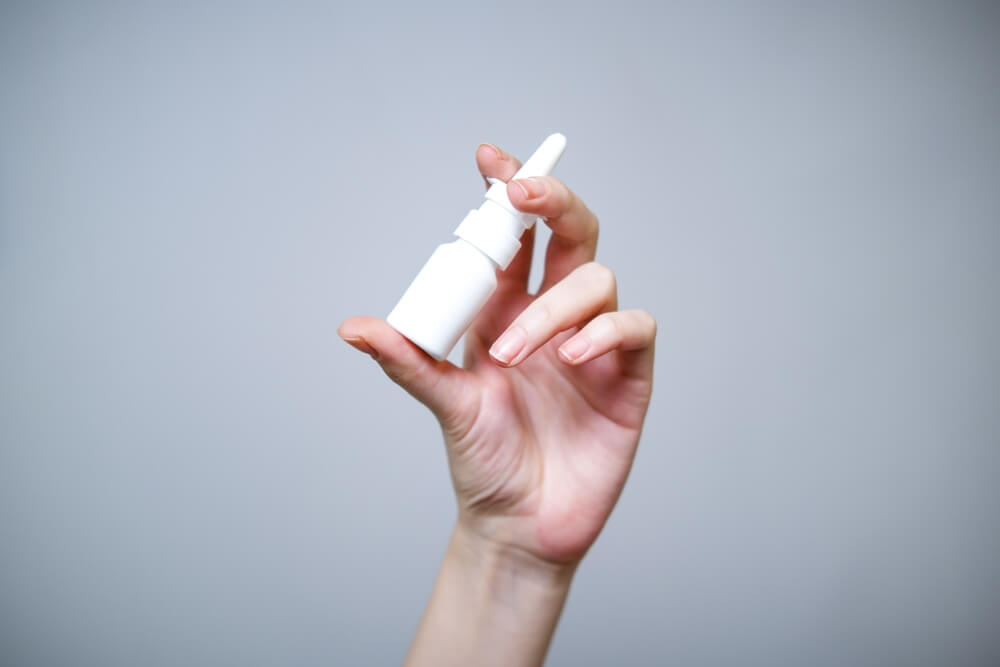
Flu vaccination via nasal spray: Who is it suitable for?
The flu vaccine administered via nasal spray is a needle-free alternative for children and young people. It contains attenuated influenza viruses and is administered directly via the nasal mucosa, where it triggers a local immune response in the respiratory tract. As part of the public vaccination programme, it is available free of charge for children in Austria from their paediatrician. Read all about how it works, its protective effect, possible side effects and the benefits of the nasal spray vaccine against seasonal flu here.
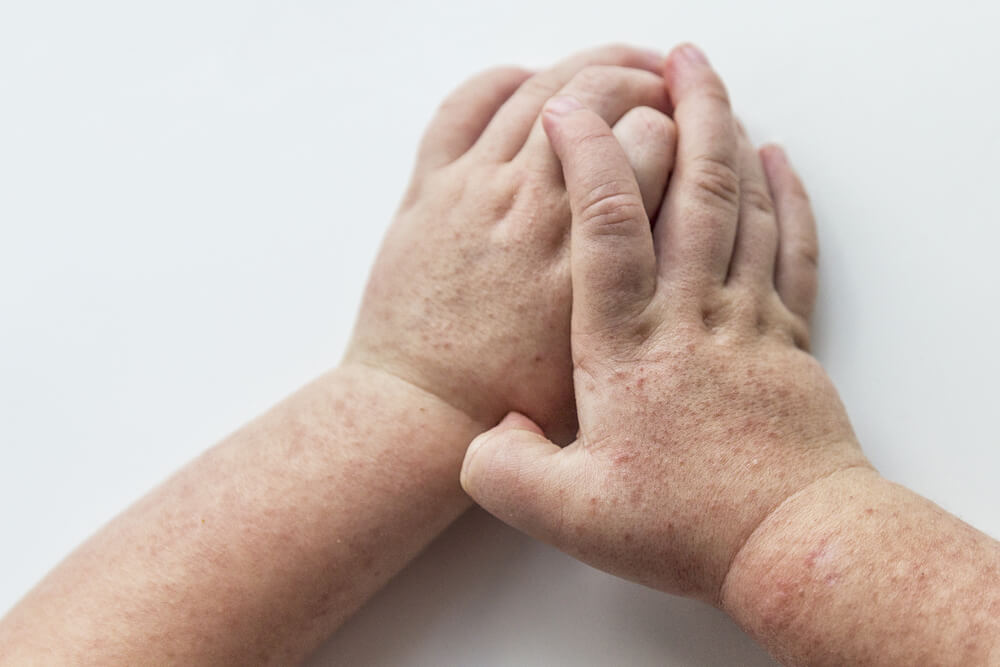
Scarlet fever – causes, symptoms, treatment
Scarlet fever is a highly contagious infectious disease. Characteristic symptoms include fever, a sore throat, a rash and what is known as ‘raspberry tongue’. With early antibiotic treatment, the disease can usually be treated quickly and effectively. Read on to find out exactly what scarlet fever is, how it is transmitted, what the symptoms are and how it is treated.